Kicking off with how to manage household chores with ai, this opening paragraph is designed to captivate and engage the readers, setting the tone for a discussion on leveraging artificial intelligence to streamline domestic responsibilities. We will explore the fundamental ways AI can assist with daily tasks, from intelligent scheduling and delegation to the automation capabilities of smart home devices.
This exploration aims to provide a clear understanding of how AI is transforming the way we maintain our homes.
The content of the second paragraph that provides descriptive and clear information about the topic. We delve into AI’s role in optimizing meal planning, managing grocery lists, and even assisting with laundry and home maintenance. Furthermore, we will touch upon the crucial aspects of ethical considerations and privacy, alongside a glimpse into the exciting future trends of AI in household chore management, ensuring a comprehensive overview of this evolving field.
Understanding AI’s Role in Household Management

Artificial intelligence is rapidly transforming how we manage our homes, moving beyond simple automation to offer intelligent assistance in our daily routines. By leveraging sophisticated algorithms and data analysis, AI can significantly streamline household chores, freeing up valuable time and mental energy. This section explores the fundamental ways AI contributes to domestic tasks, the current technologies available, the tangible benefits of integration, and the initial steps involved in adopting these smart solutions.AI’s fundamental role in household management is to learn, adapt, and act autonomously or semi-autonomously to perform tasks that were previously manual.
This involves understanding user preferences, environmental conditions, and task requirements to optimize efficiency and effectiveness. Essentially, AI acts as a digital assistant, capable of anticipating needs and executing responsibilities with a degree of intelligence that mimics human decision-making.
Examples of AI-Powered Household Devices and Applications
The integration of AI into our homes is already a reality, with a growing array of devices and applications designed to simplify domestic life. These technologies leverage AI for various functions, from cleaning and security to energy management and entertainment.
Current AI-powered devices commonly found in homes include:
- Smart Vacuum Cleaners: Devices like the Roomba use AI to map room layouts, navigate around obstacles, and optimize cleaning paths. Some models can even detect different floor types and adjust suction power accordingly.
- Smart Thermostats: Nest and Ecobee thermostats learn your heating and cooling preferences over time, automatically adjusting the temperature to save energy and enhance comfort. They can also be controlled remotely via smartphone apps.
- Smart Assistants: Devices such as Amazon Echo (Alexa) and Google Home (Google Assistant) utilize natural language processing to understand voice commands, allowing users to control other smart devices, set reminders, play music, and access information.
- Smart Security Systems: AI enhances home security through features like facial recognition for identifying known individuals, motion detection with intelligent alerts, and anomaly detection to spot unusual activity.
- Smart Appliances: Refrigerators that can track inventory and suggest recipes, ovens that can be preheated remotely, and washing machines that can suggest optimal cycles based on load type are increasingly incorporating AI.
Potential Benefits of Integrating AI into Daily Chore Routines
The adoption of AI in managing household tasks offers a multitude of advantages that extend beyond mere convenience. These benefits contribute to a more efficient, comfortable, and sustainable living environment.
Key benefits include:
- Time Savings: Automating repetitive chores like vacuuming, laundry sorting, or scheduling appointments frees up significant time for leisure, work, or family activities.
- Increased Efficiency: AI can optimize task execution, ensuring that cleaning is thorough, energy consumption is minimized, and resources are used more effectively. For instance, smart thermostats can learn occupancy patterns to avoid unnecessary heating or cooling.
- Enhanced Convenience and Comfort: Voice-activated controls and proactive task management through AI assistants make daily living more effortless. Imagine your home preparing for your arrival by adjusting the temperature and lighting.
- Energy Conservation and Cost Reduction: AI-powered energy management systems can significantly reduce utility bills by intelligently controlling lighting, heating, and cooling based on real-time needs and external factors.
- Improved Home Safety and Security: AI-driven security systems provide constant vigilance, intelligent threat detection, and prompt alerts, offering peace of mind.
- Personalized Experiences: AI learns individual preferences and habits, tailoring the home environment and chore management to suit specific needs and routines.
Initial Setup and Learning Curve for Using AI for Household Tasks
While the prospect of AI-assisted chores is appealing, understanding the initial setup and potential learning curve is crucial for a smooth transition. Most modern AI-powered devices are designed with user-friendliness in mind, but some initial effort is typically required.
The process generally involves:
- Device Installation and Connection: This often includes physically setting up the device and connecting it to your home’s Wi-Fi network. Many devices come with intuitive mobile apps that guide you through this process.
- App-Based Configuration: Most AI household devices are controlled and configured through dedicated smartphone applications. This is where you’ll set up preferences, schedules, and link them to other smart home ecosystems if desired.
- Initial Learning Period: AI systems, particularly those that learn over time, require an initial period to gather data about your habits and preferences. For example, a smart thermostat might take a week or two to fully optimize its learning algorithm for your schedule.
- Voice Command Familiarization: For smart assistants, users will need to learn the specific wake words and command structures to effectively interact with the system.
- Troubleshooting and Updates: Like any technology, occasional troubleshooting might be necessary. Manufacturers regularly release software updates to improve performance and add new features, which usually happen automatically or with minimal user input.
The true power of AI in the home lies not just in automation, but in its ability to learn, adapt, and proactively enhance our living environment.
AI for Task Delegation and Scheduling
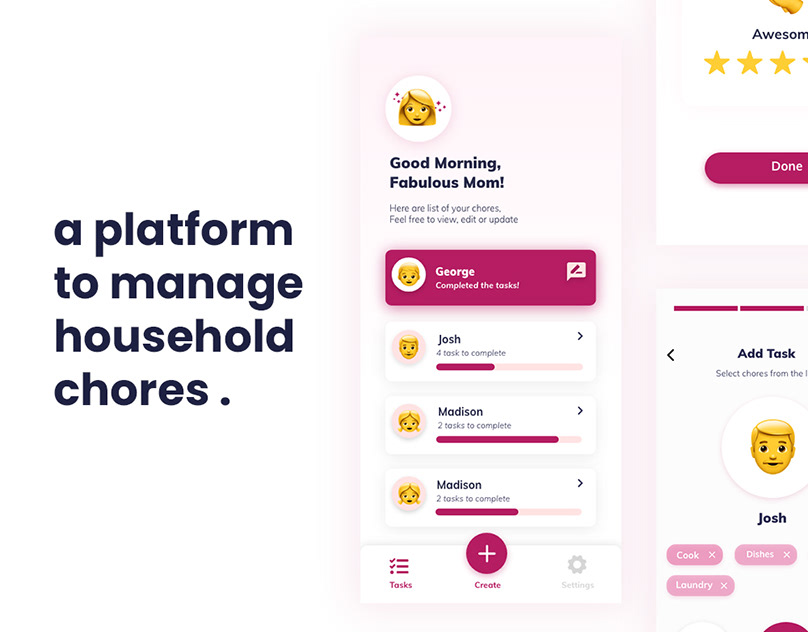
AI is revolutionizing household management by offering intelligent solutions for task delegation and scheduling, transforming the way families organize their domestic responsibilities. By leveraging AI, we can move beyond manual coordination and embrace a more efficient, equitable, and stress-free approach to keeping our homes running smoothly. This section explores how AI can be a powerful ally in assigning chores, optimizing schedules, and ensuring everyone stays on track.AI’s capability in task delegation and scheduling goes beyond simple to-do lists.
It involves creating dynamic systems that understand individual capacities, preferences, and the overall rhythm of a household. This leads to a more harmonious living environment where chores are seen not as burdens, but as contributions managed with intelligent support.
Automated Chore Assignment System
Designing a system where AI automatically assigns chores based on household member availability and preferences is a key advancement in domestic management. This system aims to distribute tasks fairly and efficiently, taking into account individual schedules, skill sets, and even personal inclinations towards certain chores.The core of this system relies on a data-driven approach:
- User Profiles: Each household member would have a profile detailing their availability (e.g., work hours, school schedules, extracurricular activities), known preferences (e.g., enjoys cooking, dislikes cleaning bathrooms), and skill levels for various tasks.
- Task Database: A comprehensive list of all household chores is maintained, with associated time estimates, difficulty levels, and required resources.
- Assignment Algorithm: The AI employs an algorithm that matches available slots in a person’s schedule with suitable tasks from the database. It prioritizes fairness by ensuring no single individual is consistently overloaded and considers preferences to increase task satisfaction. For instance, if a child has expressed a preference for pet care and has free time after school, the AI might assign them the task of feeding the dog.
- Dynamic Reassignment: The system can also handle last-minute changes. If a member becomes unavailable, the AI can quickly re-evaluate and reassign their tasks to another suitable member, minimizing disruption.
Optimized Daily and Weekly Chore Schedules
AI can create highly efficient daily and weekly chore schedules by analyzing patterns, predicting needs, and optimizing task sequencing. This proactive approach ensures that recurring tasks are handled consistently and that less frequent but essential chores are not overlooked.The AI’s scheduling optimization process involves several factors:
- Time-Blocking: AI can identify optimal times for specific chores based on when household members are most likely to be available and when certain tasks are most effectively completed (e.g., running the dishwasher when it’s full, vacuuming when children are not playing in the living room).
- Task Batching: The AI can group similar tasks together to minimize transition time and improve efficiency. For example, all laundry-related tasks might be scheduled for a specific day or time.
- Resource Management: If certain chores require specific equipment or supplies, the AI can schedule them to coincide with the availability of those resources or prompt for their procurement in advance.
- Load Balancing: The AI continuously monitors the workload distribution across household members, adjusting the schedule to prevent burnout and ensure equitable contribution over the week.
AI-Powered Task Reminders
One of the most practical applications of AI in household management is its ability to provide timely and personalized reminders for assigned tasks. These reminders are designed to be helpful nudges rather than intrusive demands, ensuring that individuals remember their responsibilities without feeling nagged.Examples of AI-powered task reminders include:
- Contextual Notifications: Reminders can be sent based on time of day, location, or even the completion of another related task. For instance, a reminder to take out the trash might appear just before the usual collection time, or a reminder to start dinner prep could be sent after the AI notes that a specific family member has arrived home.
- Smart Speaker Integration: AI assistants like Alexa or Google Assistant can verbally announce upcoming tasks. “Good morning, Sarah. Just a reminder that it’s your turn to unload the dishwasher today.”
- Mobile App Alerts: Dedicated household management apps can send push notifications to individual smartphones, often with options to snooze or mark tasks as complete.
- Visual Cues: In a smart home environment, AI could trigger visual cues, such as a light turning a specific color in a common area to indicate that a shared task needs attention.
Adaptive Scheduling for Unforeseen Events
A significant advantage of AI in chore management is its ability to adapt schedules dynamically in response to unforeseen events or changes. This flexibility ensures that household operations continue smoothly even when disruptions occur, reducing stress and preventing tasks from falling through the cracks.AI’s adaptive scheduling capabilities are demonstrated in scenarios such as:
- Sudden Illness: If a household member falls ill and is unable to complete their assigned chores, the AI can detect this absence (perhaps through a user input or lack of task completion) and automatically reassign those tasks to another available member, prioritizing urgent ones.
- Unexpected Visitors: If guests arrive unexpectedly, the AI can be prompted to temporarily adjust the schedule, perhaps deferring less critical chores or reassigning tasks to prepare for the guests, such as cleaning common areas.
- Equipment Malfunctions: If a washing machine breaks down, the AI can reschedule laundry tasks for a later date or suggest alternative solutions, such as using a laundromat.
- Shifting Priorities: A family might decide to go on an impromptu outing. The AI can then be used to quickly re-evaluate the day’s chores, postponing non-essential tasks and ensuring that critical ones, like feeding pets, are still addressed. The system learns from these adjustments, refining its future scheduling to better accommodate such eventualities.
Smart Home Devices and Automation
The integration of smart home devices and artificial intelligence has revolutionized how we manage our living spaces, transforming mundane chores into automated processes. This section delves into how these technologies can significantly reduce the burden of household management. By leveraging AI-powered devices, households can achieve greater efficiency, convenience, and a higher quality of life.AI plays a pivotal role in orchestrating these smart devices, learning user preferences, and optimizing schedules to ensure tasks are completed seamlessly.
This intelligent automation extends beyond simple task execution to proactive management, anticipating needs and responding accordingly.
Automating Specific Household Chores with Smart Devices
A wide array of smart home devices are specifically designed to automate various household chores, freeing up valuable time and energy. These devices often communicate with each other and can be controlled remotely or through voice commands, further enhancing convenience.Here are some key smart devices and the chores they automate:
- Robotic Vacuums and Mops: Devices like Roomba or Roborock autonomously clean floors, navigating around furniture and returning to their charging stations. Many models can be scheduled to clean at specific times or on demand, and some can even empty their own dustbins.
- Smart Thermostats: Nest or Ecobee thermostats learn your heating and cooling preferences and can adjust temperatures automatically based on your presence, time of day, or even local weather forecasts. This optimizes energy consumption and ensures comfort.
- Smart Lighting Systems: Philips Hue or LIFX bulbs can be scheduled to turn on and off, dimmed, or changed in color. They can also be integrated with motion sensors or security systems, enhancing both convenience and security.
- Smart Appliances: Refrigerators that track inventory, ovens that can be preheated remotely, and washing machines that can be started via an app are becoming increasingly common, simplifying kitchen and laundry tasks.
- Automated Blinds and Curtains: Devices that can open and close window coverings at scheduled times or in response to sunlight can help regulate indoor temperature and light levels automatically.
Creating Routines and Automations with a Central AI Hub
The true power of smart home automation lies in the ability to create interconnected routines and automations managed by a central AI hub. These hubs, such as Amazon Alexa, Google Assistant, or Apple HomeKit, act as the brain of your smart home, allowing different devices to work in concert.The process typically involves using the respective app of the AI hub or device manufacturer to set up these automations.
For example, you can create a “Good Morning” routine that, with a single voice command or at a set time, performs multiple actions:
- Turns on specific lights to a desired brightness.
- Adjusts the thermostat to your preferred morning temperature.
- Starts the coffee maker (if connected to a smart plug).
- Reads out the day’s weather forecast and your calendar appointments.
Similarly, a “Good Night” routine could dim lights, lower the thermostat, lock smart doors, and arm the security system. The AI learns your habits and can even suggest new automations based on your usage patterns.
Comparing the Effectiveness of AI-Driven Cleaning Solutions
AI-driven cleaning solutions, particularly robotic vacuums and mops, have made significant strides in effectiveness. Their performance can be evaluated based on several factors:
| Factor | Description | AI-Driven Solutions |
|---|---|---|
| Coverage and Navigation | The ability to clean the entire designated area efficiently and avoid obstacles. | Advanced AI models enable sophisticated mapping, room recognition, and intelligent path planning, leading to more thorough coverage and fewer missed spots compared to older, random-bounce models. Some can detect dirtier areas and focus cleaning efforts there. |
| Suction Power and Cleaning Performance | The effectiveness in picking up dirt, debris, and pet hair from various surfaces. | High-end AI vacuums boast powerful suction and multi-stage cleaning systems. AI can optimize brush speeds and suction levels based on floor type detected, ensuring optimal results. |
| Smart Features and Customization | The level of control and personalization offered, such as scheduling, zone cleaning, and virtual boundaries. | AI hubs and companion apps allow for extensive customization. Users can define no-go zones, set cleaning schedules for specific rooms, and receive reports on cleaning performance. |
| Maintenance and Self-Sufficiency | How often manual intervention is required for emptying bins, cleaning brushes, or refilling water tanks. | Many AI-powered robots now feature self-emptying dustbins and self-cleaning mop pads, significantly reducing manual maintenance. |
For instance, robotic vacuums with LiDAR or vSLAM navigation systems, powered by AI, can map your home with remarkable accuracy, allowing for efficient, room-by-room cleaning and the creation of virtual barriers to keep them out of sensitive areas. This is a substantial improvement over early models that often bumped into furniture randomly.
Troubleshooting Common Issues with Automated Household Devices
Despite their sophistication, automated household devices can occasionally encounter issues. A systematic approach to troubleshooting can resolve most problems.Here is a procedure for addressing common concerns:
- Check Power and Connectivity: Ensure the device is powered on and properly connected to its power source. For Wi-Fi connected devices, verify that your home network is functioning correctly and that the device is within range of the router.
- Restart the Device: Often, a simple power cycle can resolve temporary glitches. Turn the device off, wait for 30 seconds, and then turn it back on. For hubs, restart your router and modem as well.
- Review Device App and Logs: Most smart devices have companion apps that provide status updates, error messages, and diagnostic logs. Check these for specific error codes or notifications that can guide troubleshooting.
- Update Firmware and Software: Ensure that the device’s firmware and the associated app are up to date. Manufacturers regularly release updates to fix bugs and improve performance.
- Consult the User Manual or Manufacturer Support: If the issue persists, refer to the device’s user manual for specific troubleshooting steps. Contacting the manufacturer’s customer support is also a valuable resource for complex problems.
- Reset the Device to Factory Settings: As a last resort, resetting the device to its factory default settings can resolve persistent software-related issues. Be aware that this will erase any custom configurations, and you will need to set up the device again.
For example, if a smart thermostat is not responding to commands, the first steps would be to check its power supply and Wi-Fi connection. If those are fine, the next step would be to look at the thermostat’s display for any error messages or to check its app for connectivity issues. A firmware update might be available that resolves the problem.
If not, a factory reset might be necessary, followed by reconfiguring the desired temperature schedules.
AI in Meal Planning and Grocery Management
Embracing AI in your kitchen can revolutionize how you approach meal preparation and grocery shopping, transforming a potentially tedious task into an efficient and personalized experience. By leveraging intelligent algorithms, AI can significantly reduce food waste, save time, and ensure your family enjoys varied and healthy meals tailored to your specific needs. This section delves into how AI can become your ultimate culinary assistant.AI’s integration into meal planning and grocery management goes beyond simple recipe suggestions.
It encompasses a holistic approach that considers your lifestyle, dietary preferences, and even the contents of your refrigerator. This intelligent system learns your habits and preferences over time, offering increasingly personalized and effective solutions for your kitchen needs.
AI-Powered Weekly Meal Planning
Organizing a weekly meal plan can be a complex undertaking, especially when factoring in diverse dietary needs, allergies, and the need to utilize existing ingredients. AI simplifies this by analyzing various parameters to create a balanced and appealing menu.AI platforms can be configured with individual or family dietary restrictions, such as vegetarian, vegan, gluten-free, low-carb, or specific allergies like nuts or dairy.
They can also consider preferences for certain cuisines or disliked ingredients. By inputting these details, the AI generates a weekly meal plan that adheres to these guidelines, ensuring everyone can enjoy the planned meals. Furthermore, AI can optimize the plan to minimize ingredient overlap between meals, thereby reducing waste and promoting variety.An example of this is an AI system that, upon learning a family is trying to reduce red meat consumption, will prioritize plant-based or poultry dishes for several days of the week, while still offering variety and nutritional balance.
It can also suggest recipes that use seasonal produce, further enhancing freshness and reducing costs.
AI-Generated Grocery Lists
Once a meal plan is established, the next logical step is to procure the necessary ingredients. AI excels at transforming a meal plan into a comprehensive and accurate grocery list, often integrating with your existing pantry inventory.These AI systems can cross-reference the ingredients required for the planned meals with what you already have at home. This intelligent inventory management prevents duplicate purchases and ensures you only buy what you truly need.
The generated list can be categorized by grocery store aisle (produce, dairy, pantry staples, etc.) for efficient shopping, or it can be directly integrated with online grocery ordering platforms.For instance, if your meal plan includes chicken stir-fry and you have rice and soy sauce in your pantry, the AI will only add chicken, vegetables, and any other specific stir-fry sauce ingredients to your grocery list.
This smart approach helps to avoid impulse buys and keeps your shopping focused and economical.
Tracking Food Expiration Dates and Recipe Suggestions
A significant contributor to household food waste is the expiration of perishable items. AI can proactively manage this by tracking food expiration dates and suggesting timely recipes.Users can input the expiration dates of purchased items into an AI-powered app or smart refrigerator. The AI then monitors these dates and will alert you when items are nearing their expiration. More impressively, it can suggest recipes that specifically utilize these ingredients.
This not only helps prevent food spoilage but also encourages culinary creativity by introducing you to new ways to prepare familiar foods.Consider a scenario where you have milk and several eggs approaching their expiry. An AI system could suggest recipes like a frittata, quiche, or even homemade custard, all of which prominently feature these items. This proactive approach turns potential waste into delicious meals.
Automated Reordering of Staple Groceries
For frequently used pantry staples, AI can automate the reordering process, ensuring you never run out of essentials. This feature adds a layer of convenience and ensures a continuous supply of your most used items.By monitoring consumption patterns and pre-set minimum stock levels, AI can predict when staple items like flour, sugar, pasta, or coffee are running low. When the inventory reaches a designated threshold, the AI can automatically add these items to your next grocery order or even place an order directly with your preferred online retailer, subject to your pre-approval.For example, if you consistently use a bag of rice every two weeks, and your AI system detects that your current stock is below a week’s supply, it can automatically add rice to your upcoming grocery order.
This predictive reordering system is particularly beneficial for busy households, ensuring that essential ingredients are always on hand without requiring constant manual monitoring.
AI for Organization and Decluttering
Embracing artificial intelligence extends beyond mere task management and automation; it offers powerful tools to bring order and clarity to our physical spaces. AI-powered solutions can transform the often daunting task of organizing and decluttering into a more manageable and even insightful process, helping us reclaim our homes and mental peace. This section explores how AI can be leveraged to categorize belongings, optimize storage, identify items for removal, and create comprehensive digital inventories.The integration of AI into home organization leverages sophisticated algorithms to analyze, categorize, and suggest optimal solutions for managing our possessions.
This approach moves beyond manual sorting, offering data-driven insights and personalized recommendations that adapt to individual needs and living spaces.
AI-Powered Apps for Categorization and Management
Several innovative applications utilize AI to assist in categorizing and managing household items. These tools can streamline the process of knowing what you own and where it is, significantly reducing time spent searching for misplaced objects and making decluttering more efficient.AI applications for organization often employ image recognition and natural language processing. Users can take photos of items, and the AI can identify them, assign them to predefined categories (e.g., clothing, electronics, books), and even suggest potential storage locations.
Some apps learn user habits and preferences over time, offering increasingly personalized management suggestions. For instance, an app might recognize that you frequently use a particular kitchen utensil and suggest keeping it in a readily accessible drawer rather than a high cabinet.
AI-Suggested Optimal Storage Solutions
Designing an effective storage system is crucial for maintaining an organized home. AI can analyze the characteristics of your belongings and the available space to propose the most efficient and logical storage arrangements.To design such a system, AI can consider several factors:
- Item Dimensions and Frequency of Use: Larger or less frequently used items might be suggested for higher or less accessible storage, while smaller, frequently used items would be placed within easy reach.
- Item Category and Compatibility: AI can group similar items together (e.g., all cleaning supplies in one area) and suggest storage solutions that are appropriate for each category (e.g., airtight containers for food items, sturdy shelves for heavy books).
- Available Space Analysis: Using smartphone cameras or user-provided measurements, AI can map out available storage areas, such as closets, shelves, and drawers, and suggest how best to utilize them. For example, it might recommend using vertical space in a closet by suggesting specific shelving units or drawer organizers.
- Environmental Factors: For sensitive items like electronics or important documents, AI can suggest storage locations that offer protection from humidity, dust, or direct sunlight.
Consider a scenario where you have a collection of seasonal clothing. An AI system, after analyzing your wardrobe and closet space, might suggest storing off-season items in vacuum-sealed bags at the top of your closet or under your bed, while keeping current season clothing in more accessible drawers and hanging space.
AI for Identifying Unneeded or Unused Items
A significant part of decluttering involves identifying items that are no longer serving a purpose. AI can assist in this process by analyzing usage patterns and providing objective insights into what items are taking up valuable space without adding value.AI can be used to identify items for decluttering through several methods:
- Usage Tracking: For certain smart devices or through manual input linked to AI apps, usage frequency can be monitored. If an item, such as a specific kitchen gadget or a piece of exercise equipment, has not been used for a predefined period (e.g., six months to a year), the AI can flag it as a potential candidate for donation or disposal.
- Visual Pattern Recognition: In the context of digital inventories, AI can analyze images of your belongings over time. If an item is consistently stored in the same location without being moved or used, it might be flagged.
- Contextual Clues: AI can analyze purchase dates, warranties, or even the condition of items if photographed. For instance, if an item is consistently found in a “donate” box or if its condition suggests it’s no longer functional, the AI can prompt you to consider letting it go.
For example, an AI-powered closet organizer app could track how often you wear certain clothes. After a year, if a particular outfit has a zero-wear count, the AI would suggest considering donating it. This objective data can help overcome emotional attachments to possessions.
AI-Assisted Digital Inventories of Possessions
Creating and maintaining a digital inventory of your belongings offers numerous benefits, from insurance purposes to efficient packing and decluttering. AI significantly simplifies this often tedious task by automating much of the cataloging process.AI assists in creating digital inventories by:
- Automated Item Recognition: As mentioned earlier, users can photograph items, and AI image recognition identifies them. This can be combined with voice input to add details like brand, model, or purchase date.
- Smart Categorization: AI automatically assigns items to relevant categories, making the inventory searchable and organized.
- Location Tagging: Users can tag items with their current location within the home, and AI can help maintain this association, especially when items are moved.
- Condition Assessment (with advanced features): Future AI capabilities might involve analyzing photos to suggest the condition of an item, helping in the decision-making process for selling or donating.
Imagine you are moving house. A comprehensive digital inventory created with AI assistance would allow you to quickly see all your possessions, their categories, and even their locations within boxes, making unpacking and setting up in the new home far more efficient. This also serves as a valuable record for insurance claims in case of damage or loss.
AI for Laundry Management
Managing household chores can be significantly streamlined with the integration of Artificial Intelligence, and laundry is no exception. AI is transforming how we approach this often time-consuming task, offering intelligent solutions that save time, conserve resources, and ensure the longevity of our clothing. From sorting to setting the perfect wash cycle, AI is becoming an indispensable partner in maintaining a fresh and organized wardrobe.The advancements in AI are enabling washing machines and associated smart devices to perform complex tasks that previously required manual intervention.
This shift not only simplifies the laundry process but also introduces a level of precision and efficiency that manual sorting and setting cannot match, leading to better garment care and reduced environmental impact.
Laundry Sorting with AI
AI-powered laundry systems can analyze garments and automatically sort them based on crucial factors, significantly reducing the risk of color bleeding or fabric damage. This intelligent sorting is a fundamental step towards a more efficient laundry routine.The process typically involves advanced image recognition and sensor technology embedded within smart washing machines or separate sorting units. These systems can identify:
- Color: Differentiating between whites, lights, darks, and vibrant colors to prevent color transfer during washing.
- Fabric Type: Recognizing materials like cotton, synthetics, delicates (silk, wool), and heavy-duty fabrics (denim) to select appropriate wash cycles.
- Wash Cycle Requirements: AI can also interpret care labels or learn from user input to determine the optimal water temperature, spin speed, and cycle duration for each load.
Optimizing Washing Machine Settings
Once laundry is sorted, AI takes the next step by precisely configuring the washing machine settings for each individual load. This ensures that every wash is tailored to the specific needs of the garments, maximizing cleaning effectiveness while minimizing wear and tear.The procedure for AI to optimize washing machine settings involves several intelligent steps:
- Load Analysis: Sensors within the machine detect the weight and density of the laundry load.
- Fabric Profile Integration: Based on the sorted fabric types, the AI accesses a database of optimal washing parameters.
- Soil Level Detection: Advanced sensors can sometimes detect the level of soiling in the laundry, adjusting water temperature and wash time accordingly.
- Cycle Selection: The AI then selects the most appropriate wash cycle (e.g., delicate, permanent press, heavy-duty) and customizes parameters like water level, temperature, spin speed, and rinse cycles.
- Detergent Dosage: Some advanced systems can even recommend or automatically dispense the correct amount of detergent based on the load size and water hardness.
For instance, a load of delicate silks would be assigned a gentle cycle with cold water and low spin, while a heavily soiled load of cotton work clothes would receive a hot water wash with a robust spin cycle.
Laundry Cycle Tracking and Alerts
AI extends its utility beyond the washing and drying stages by actively tracking laundry cycles and keeping users informed. This proactive approach ensures that clothes are attended to promptly, preventing issues like mildew or forgotten loads.AI-powered smart appliances can provide real-time updates and notifications through connected smartphone applications. These alerts can include:
- Cycle Completion: Notifying the user when a wash or dry cycle has finished.
- Readiness for Drying: Alerting the user when clothes from the washer are ready to be transferred to the dryer.
- Readiness for Folding: Reminding the user when clothes are dry and ready for folding or ironing, often suggesting optimal times to prevent excessive wrinkling.
- Maintenance Reminders: Some systems can also track usage and alert users when it’s time for routine maintenance, such as cleaning the lint filter or running a self-cleaning cycle.
This continuous monitoring system transforms laundry from a passive chore into an actively managed process, integrating seamlessly into a busy schedule.
AI Assistance for Stain Removal
Dealing with stubborn stains can be a frustrating aspect of laundry. AI is now offering intelligent solutions to help identify stains and recommend the most effective removal methods, saving garments and reducing the need for harsh chemicals.AI features for stain management often work in conjunction with smart washing machines or dedicated laundry apps:
- Stain Identification: Users can input information about the type of stain (e.g., wine, grass, grease) into a smart appliance or app. Advanced AI might even use image recognition to help identify the stain.
- Pre-treatment Recommendations: Based on the stain type and the fabric of the garment, the AI can suggest specific pre-treatment agents and methods. For example, for a fresh red wine stain on a cotton shirt, it might recommend dabbing with cold water and a specialized stain remover.
- Optimized Wash Cycles for Stains: The AI can then adjust the wash cycle settings to specifically target the identified stain, potentially using warmer water (if the fabric allows) or a more intensive wash program.
- Learning and Adaptation: Over time, AI systems can learn from user feedback on the success of different stain removal techniques, continually improving their recommendations.
For example, if a user consistently struggles with grease stains on a particular type of fabric, the AI might proactively suggest a pre-soak or a specific detergent formulation for future washes of similar items.
AI in Home Maintenance and Repair
As homeowners, we often face the challenge of keeping our homes in optimal condition, from routine upkeep to unexpected repairs. Fortunately, Artificial Intelligence is emerging as a powerful ally in this domain, offering proactive solutions and simplifying the management of home maintenance. AI can transform how we approach these tasks, moving from reactive fixes to predictive care.AI’s integration into home maintenance leverages advanced sensors, data analysis, and machine learning algorithms to ensure our homes run smoothly and efficiently.
This not only saves us time and money but also prevents minor issues from escalating into costly problems, contributing to a more comfortable and secure living environment.
AI Tools for Monitoring Home Appliances and Systems
Several AI-powered tools are available to continuously monitor the health of your home’s appliances and essential systems. These tools go beyond simple on/off status, analyzing operational data to detect subtle anomalies.
- Smart Thermostats: Devices like Nest or ecobee learn your heating and cooling patterns, optimizing energy usage. Beyond comfort, they can detect unusual temperature fluctuations or system cycling that might indicate a furnace or air conditioner issue.
- Smart Water Leak Detectors: AI-enabled sensors can be placed near water heaters, washing machines, or under sinks. They monitor for moisture and abnormal water flow patterns, alerting you to potential leaks before significant water damage occurs.
- Appliance-Specific Sensors: Some modern appliances come with built-in AI diagnostics. For example, a smart refrigerator might monitor compressor efficiency or ice maker performance, reporting potential problems. Similarly, smart washing machines can detect unusual vibrations or water fill rates.
- Whole-Home Monitoring Systems: Advanced systems can integrate data from various sensors across your home, providing a holistic view of your plumbing, electrical, and HVAC systems. AI analyzes these combined data streams for a more comprehensive understanding of your home’s health.
Predicting Potential Maintenance Issues
The true power of AI in home maintenance lies in its predictive capabilities. By analyzing historical data and real-time sensor readings, AI can forecast potential failures or inefficiencies before they become critical.This predictive maintenance is achieved through machine learning algorithms that are trained on vast datasets of appliance performance. When an AI system detects a deviation from normal operating parameters, it can identify patterns that are historically associated with impending failure.
For instance, an AI might notice that a refrigerator’s compressor is running for longer durations than usual, or that a water heater is taking longer to reach its set temperature. Based on this data, it can predict that a component might fail within a certain timeframe, allowing for proactive replacement or repair.
“Predictive maintenance powered by AI can reduce unexpected breakdowns by up to 30% and maintenance costs by up to 25%.”
Consider a scenario where your HVAC system’s AI monitoring detects a gradual increase in the power consumption of the blower motor over several weeks. This might indicate wear on the motor bearings. Instead of waiting for the motor to fail completely during a heatwave, the AI can alert you to schedule a preventative inspection and potential replacement, avoiding a costly emergency repair and prolonged discomfort.
AI-Assisted Scheduling of Routine Maintenance Tasks
AI can streamline the management of routine maintenance, ensuring that essential tasks are not overlooked. By integrating with your calendar and learning your household’s patterns, AI can suggest and even schedule these tasks.The process typically involves the following steps:
- Data Input: You input information about your home’s appliances, their installation dates, and recommended maintenance schedules (e.g., changing air filters every three months, servicing the HVAC annually).
- AI Analysis: The AI system analyzes this data alongside real-time monitoring feedback and external factors like weather patterns (e.g., predicting increased HVAC usage in summer).
- Task Generation: Based on the analysis, the AI generates a list of upcoming maintenance tasks, prioritizing them by urgency or potential impact.
- Scheduling and Notification: The AI can then suggest optimal times for these tasks, considering your personal schedule and the availability of service professionals. It can send you reminders or even automatically book appointments with pre-approved technicians if you grant permission. For example, if your smart home system detects that your air filters are nearing the end of their lifespan based on usage and time, it can send you a notification to order new ones and suggest a date to replace them.
AI for Minor Home Repairs Guidance
Beyond monitoring and scheduling, AI can serve as a virtual assistant for tackling minor home repairs, empowering homeowners to perform simple fixes themselves.AI-powered applications and platforms can provide interactive, step-by-step guides for a wide range of common household repairs. These guides often utilize augmented reality (AR) to overlay instructions onto the actual repair area, making the process more intuitive.For instance, if you need to fix a leaky faucet, an AI app could:
- Ask you to point your smartphone camera at the faucet.
- Identify the specific faucet model using image recognition.
- Display a visual overlay showing you exactly where to turn off the water supply.
- Guide you through disassembling the faucet handle, identifying the worn-out washer, and showing you how to replace it.
- Provide visual cues and text instructions for reassembly and testing.
This approach democratizes basic DIY skills, reducing the need to call a professional for every small issue and fostering a sense of self-sufficiency among homeowners. The AI can also learn from your interactions, improving its guidance for future repairs.
Ethical Considerations and Privacy with Household AI
As AI increasingly integrates into our homes, managing tasks and automating routines, it’s crucial to address the ethical implications and privacy concerns that arise. The collection and processing of personal data within our most private spaces necessitate careful consideration and proactive measures to ensure security and user control. Understanding these aspects is paramount to fostering trust and responsible adoption of AI in household management.AI-powered household systems often gather extensive data about our habits, routines, and even personal conversations.
This information, while instrumental in optimizing services, can also pose significant privacy risks if not managed securely. It is essential to be aware of what data is being collected, how it is being used, and who has access to it.
Privacy Implications of Data Collection
AI devices, from smart speakers to security cameras and even smart appliances, are designed to learn and adapt to your household’s needs. This learning process involves the continuous collection of data. For instance, smart thermostats learn your temperature preferences and occupancy patterns, while smart assistants record voice commands and ambient sounds to improve their responsiveness. Security cameras capture video footage of your home’s interior and exterior, and smart refrigerators can track your grocery consumption.The aggregation of this data creates a detailed profile of your daily life, including your work schedule, when you are home, your dietary habits, your family’s presence, and your interactions with others.
While this data can enhance convenience and efficiency, it also presents potential vulnerabilities. Unauthorized access to this sensitive information could lead to identity theft, stalking, or the exploitation of personal habits for malicious purposes. Furthermore, the data collected by AI systems might be shared with third parties for marketing or other purposes, often with limited transparency to the user.
Securing AI-Powered Household Systems
Protecting your smart home ecosystem from unauthorized access requires a multi-layered approach, focusing on both device security and network protection. Implementing strong security practices can significantly mitigate the risk of data breaches and unauthorized control of your AI devices.Here are best practices for securing your AI-powered household systems:
- Strong, Unique Passwords: Utilize complex and unique passwords for all your AI devices and associated accounts. Avoid using easily guessable information like birthdays or common words. Consider using a password manager to generate and store these securely.
- Regular Software Updates: Manufacturers frequently release software updates that include security patches to address vulnerabilities. Ensure that all your AI devices and your home network router have automatic updates enabled or are updated manually on a regular basis.
- Network Segmentation: If your router supports it, consider creating a separate Wi-Fi network for your IoT devices, distinct from your primary network used for computers and sensitive data. This can limit the potential impact of a compromise on one device to the rest of your network.
- Disable Unnecessary Features: Many AI devices come with features that may not be essential for your use. Disabling features like remote access, UPnP (Universal Plug and Play), or voice activation when not in use can reduce the attack surface.
- Two-Factor Authentication (2FA): Where available, enable 2FA for all accounts linked to your AI devices. This adds an extra layer of security by requiring a second form of verification, such as a code sent to your phone, in addition to your password.
- Physical Security: For devices like smart cameras, ensure they are placed in secure locations where they cannot be easily tampered with or stolen.
Transparency in AI Data Management
Transparency is a cornerstone of ethical AI use, particularly within the home environment. Users have a right to understand how their data is being collected, processed, stored, and shared by AI systems. This understanding empowers individuals to make informed decisions about their privacy and the technology they adopt.When AI systems are designed with transparency in mind, they provide clear and accessible information about their data practices.
This includes:
- Data Collection Policies: Clearly outlining what types of data are collected, the specific sensors or inputs used (e.g., microphones, cameras, usage logs), and the purpose for collection.
- Data Usage and Processing: Explaining how the collected data is used to provide services, improve functionality, or personalize experiences. This should include details on any data anonymization or aggregation processes.
- Data Storage and Retention: Informing users about where their data is stored (e.g., on-device, cloud servers), how long it is retained, and the security measures in place to protect it.
- Data Sharing Practices: Explicitly stating whether data is shared with third parties, the categories of third parties involved (e.g., service providers, advertisers), and the conditions under which sharing occurs.
The principle of transparency in AI data management ensures that users are not operating in the dark regarding their personal information. It fosters trust and accountability between technology providers and consumers.
User Permissions and Data Sharing Preferences
Granting users granular control over their data is essential for maintaining privacy and ensuring that AI systems align with individual preferences. Setting appropriate user permissions and data sharing preferences allows individuals to dictate how their information is used and who can access it.Guidelines for setting user permissions and data sharing preferences include:
- Reviewing Default Settings: Upon installation, carefully review the default privacy and data sharing settings of any new AI device. Many devices are configured to collect more data than is strictly necessary for their core functionality.
- Customizing Permissions: Most AI platforms and device apps offer options to customize permissions. For example, you can often disable microphone access for a smart speaker when it’s not in active use, or restrict camera access to specific times.
- Data Minimization: Opt for settings that minimize data collection. If a feature requires extensive data but isn’t critical for your needs, consider disabling it.
- Third-Party App Permissions: Be mindful of permissions granted to third-party apps that integrate with your AI devices. Ensure these apps have legitimate reasons for accessing your data and that their privacy policies are acceptable.
- Data Deletion Options: Familiarize yourself with how to request the deletion of your data from AI services. Many platforms offer tools or procedures for users to download or delete their personal information.
- Family and Guest Access: If multiple individuals use the AI system, establish clear guidelines and potentially separate user profiles with distinct permission levels to manage access and data visibility within the household.
Future Trends in AI for Household Chore Management
The integration of Artificial Intelligence into our homes is not a static development but a continuously evolving landscape. As AI technologies mature, we can anticipate a significant expansion in their capabilities, moving beyond simple automation to encompass more nuanced and complex domestic responsibilities. This evolution promises to redefine our relationship with our living spaces, making them more responsive, personalized, and effortlessly managed.The trajectory of AI in household management points towards a future where our homes are not just smart, but intuitively understanding and proactively catering to our needs.
This advanced level of integration will likely lead to a significant shift in the nature of domestic labor, freeing up human time and energy for other pursuits.
Evolution of Complex Domestic Responsibility Automation
The future will see AI systems capable of managing tasks that currently require significant human judgment and intervention. This includes sophisticated cleaning routines that adapt to the specific needs of different surfaces and materials, as well as more advanced forms of maintenance that can predict and address potential issues before they become problems.
- Advanced Cleaning Systems: Imagine robotic vacuums and mops that not only navigate but also identify different types of messes, adjusting their cleaning power and method accordingly. This could extend to self-cleaning surfaces and appliances that maintain optimal hygiene without constant human oversight.
- Proactive Home Maintenance: AI will be able to monitor the health of various home systems, such as plumbing, electrical, and HVAC. By analyzing patterns and detecting anomalies, AI can schedule preventative maintenance or alert homeowners to potential failures, reducing costly repairs and disruptions. For instance, an AI could analyze the sound patterns of a refrigerator compressor to predict an impending failure, scheduling a technician visit before it breaks down completely.
- Integrated Security and Safety: Beyond simple motion detection, future AI will be able to differentiate between normal activity and potential threats, learning the routines of household members to better identify unusual occurrences. This could involve recognizing unfamiliar faces or unusual patterns of movement, enhancing home security.
Personalized and Adaptive Home Environments
AI’s growing ability to learn and adapt will lead to homes that are uniquely tailored to their occupants. This personalization will extend beyond simple temperature or lighting preferences to encompass a deeper understanding of individual needs and routines, creating environments that are truly responsive.
- Dynamic Ambiance Control: AI will be able to adjust lighting, sound, and even scent based on the time of day, the occupants’ activities, and their moods. For example, an AI could dim the lights and play calming music as it detects signs of stress in a family member.
- Customized Health and Wellness Support: Future AI systems might monitor sleep patterns, activity levels, and even dietary intake to provide personalized recommendations for health and well-being. This could include suggesting exercises, adjusting meal plans, or reminding individuals to take medication.
- Adaptive Learning for Children: AI-powered educational tools could become seamlessly integrated into the home environment, adapting to a child’s learning pace and style, providing engaging and personalized educational experiences.
Innovative AI Integration Concepts in Development
The bleeding edge of AI research is exploring concepts that push the boundaries of what we currently consider possible for domestic automation. These innovations, while some may be years away from widespread adoption, offer a glimpse into a truly integrated smart home future.
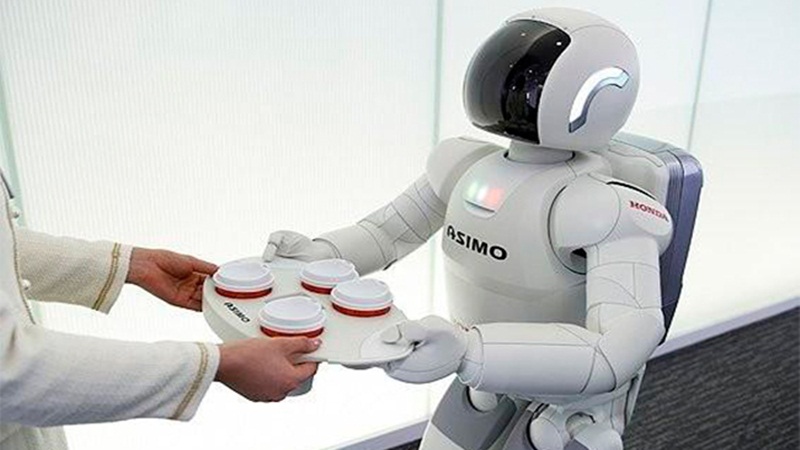
- Robotic Companions and Assistants: Beyond task-specific robots, development is underway for more general-purpose robots capable of assisting with a wider range of physical tasks, from fetching items to providing basic care for the elderly or disabled. Companies are exploring humanoid robots that can perform complex manipulations.
- AI-Powered Interior Design and Renovation: AI could analyze a home’s layout, lighting, and existing decor to suggest and even simulate renovation or redecoration plans, optimizing for aesthetics, functionality, and even energy efficiency.
- Predictive Resource Management: AI will optimize the use of household resources like water and energy. It could learn when appliances are most efficiently run to take advantage of off-peak electricity rates or predict water usage to optimize irrigation for gardens.
Long-Term Impact of Widespread AI Adoption on Domestic Labor
The widespread integration of AI into household management is poised to have a profound and transformative impact on the concept of domestic labor. This shift will likely redefine the division of responsibilities within households and alter societal expectations regarding time allocation.
The automation of routine domestic tasks by AI will liberate significant amounts of human time, potentially leading to a renaissance in creative pursuits, community engagement, and personal development.
The shift towards AI-managed homes suggests a future where the burden of mundane chores is significantly reduced. This could lead to:
- Increased Leisure Time: Families and individuals will have more free time to dedicate to hobbies, education, social interactions, and personal well-being.
- Redefined Household Roles: The traditional division of labor within households may become less defined, with AI taking on many of the tasks previously assigned based on gender or age.
- Economic Implications: The rise of AI in homes could also create new industries and job opportunities in areas such as AI development, maintenance, and ethical oversight, while potentially reducing demand for certain traditional domestic service roles.
- Focus on Higher-Value Activities: With AI handling the basics, human effort can be redirected towards more complex, creative, and fulfilling activities, both within and outside the home.
Ending Remarks
In conclusion, embracing AI for household chores offers a remarkable pathway to greater efficiency, reduced stress, and more personalized home management. By understanding and implementing the various AI-driven solutions discussed, individuals can unlock significant benefits, transforming mundane tasks into streamlined processes. As AI continues to evolve, its integration into our domestic lives promises even more sophisticated and adaptive assistance, reshaping the future of home maintenance and organization for the better.