Embark on a journey to revolutionize your productivity with the power of artificial intelligence. This exploration delves into the fascinating realm of how to prioritize tasks using AI, unlocking a new era of efficiency and strategic workload management. Prepare to be intrigued as we uncover how AI can transform the way you approach your daily responsibilities, offering insights that promise to be both enlightening and immediately applicable.
We will begin by understanding the fundamental concepts of AI as they apply to workload management, examining how these intelligent systems can process extensive data to discern the true importance of your tasks. You’ll discover the tangible benefits of integrating AI into your personal and professional systems, tracing the evolution of AI tools specifically designed to optimize your productivity and streamline your efforts.
Understanding AI-Assisted Task Prioritization
In today’s fast-paced environment, effectively managing our workloads is paramount to achieving our goals and maintaining a healthy work-life balance. Artificial Intelligence (AI) offers a powerful new approach to this age-old challenge, transforming how we identify, organize, and tackle our tasks. By leveraging AI, we can move beyond traditional to-do lists and embrace a more dynamic, intelligent system for prioritizing our commitments.At its core, AI-assisted task prioritization involves using algorithms and machine learning models to analyze, categorize, and rank tasks based on various criteria.
This goes beyond simple urgency or importance, delving into a deeper understanding of context, dependencies, and potential impact. The aim is to create a system that not only helps you see what needs to be done but also guides you on what to do next for optimal efficiency and effectiveness.
Fundamental Concepts of AI in Workload Management
Artificial intelligence, in the context of managing workloads, primarily relies on its ability to process information, learn from patterns, and make predictions or recommendations. Key AI concepts that enable this include machine learning, natural language processing (NLP), and predictive analytics. Machine learning allows AI systems to learn from historical data, such as past task completion times, project success rates, and individual productivity patterns, to refine prioritization strategies over time.
NLP enables AI to understand and interpret unstructured data, like emails, meeting notes, or project descriptions, extracting key information about task requirements, deadlines, and stakeholders. Predictive analytics uses these insights to forecast potential bottlenecks, estimate task durations, and suggest the most impactful sequence of actions.
AI’s Capability in Information Processing for Task Importance
AI excels at sifting through immense volumes of data that would overwhelm human capacity. When applied to task prioritization, this means AI can analyze not just the explicit details of a task (like its deadline or assigned person) but also its implicit context. This includes understanding relationships between tasks, their contribution to larger project goals, the availability of resources, and even the individual’s current workload and energy levels.
For instance, an AI could identify that completing a specific research task, though not immediately urgent, is a critical prerequisite for several other high-priority items, thus elevating its importance in the overall workflow.
Benefits of Integrating AI into Task Management
The integration of AI into personal and professional task management systems yields significant advantages, fostering greater productivity and reducing cognitive load. These benefits extend to both individual performance and team collaboration.
- Enhanced Efficiency: AI can automate the process of sorting and ranking tasks, freeing up valuable mental energy for focused work.
- Improved Decision-Making: By providing data-driven insights into task importance and impact, AI supports more informed decisions about where to allocate time and effort.
- Proactive Problem Solving: AI can identify potential conflicts or bottlenecks before they arise, allowing for timely intervention.
- Personalized Workflows: AI learns individual work styles and preferences, tailoring task suggestions and reminders to optimize personal productivity.
- Better Resource Allocation: AI can help in understanding resource demands for various tasks and suggesting optimal assignments to prevent over-utilization or under-utilization.
Evolution of AI Tools for Productivity Optimization
The landscape of AI-powered productivity tools has evolved dramatically, moving from simple scheduling assistants to sophisticated intelligent agents. Early AI tools often focused on basic automation, like setting reminders or sorting emails. However, modern AI applications leverage advanced machine learning and natural language understanding to offer more nuanced support. For example, tools like Asana, Trello, and Monday.com are increasingly incorporating AI features to suggest task assignments, predict project timelines, and identify potential risks.
Furthermore, specialized AI productivity platforms are emerging that can integrate with multiple applications, creating a unified intelligent layer for managing all professional activities. These advancements are making AI an indispensable partner in optimizing how we approach our daily tasks.
Identifying AI Capabilities for Task Management
Artificial intelligence is revolutionizing how we approach task management by offering sophisticated tools to enhance efficiency and effectiveness. Beyond simple to-do lists, AI can analyze, learn, and adapt to individual work styles, providing a dynamic and intelligent approach to prioritization. Understanding these capabilities is key to leveraging AI for optimal productivity.AI’s ability to process vast amounts of data and identify patterns makes it an invaluable asset in task management.
It can move beyond manual assessment to offer data-driven insights and automated solutions, significantly streamlining workflows.
AI Algorithms for Urgency and Impact Assessment
AI employs various algorithms to objectively assess the urgency and impact of tasks, moving beyond subjective human judgment. These algorithms analyze multiple data points to provide a quantifiable score for each task, aiding in more informed decision-making.Examples of AI algorithms and their applications in task prioritization include:
- Machine Learning Classifiers: Algorithms like Support Vector Machines (SVMs) or Naive Bayes can be trained on historical data of completed tasks, learning to classify new tasks based on their likelihood of success, required effort, and potential impact. For instance, an AI could learn that tasks involving cross-departmental collaboration and requiring approval from senior management are typically high-impact and urgent.
- Regression Models: Algorithms such as Linear Regression or Random Forests can predict the time or resources a task might require, or estimate its potential return on investment. This helps in understanding the scale of impact and resource allocation needs. For example, a regression model might predict that a task involving detailed market research will take longer but yield higher strategic value.
- Natural Language Processing (NLP) for Sentiment and Analysis: Advanced NLP techniques can analyze the text of task descriptions to identify s indicating urgency (e.g., “urgent,” “deadline,” “immediate”) or impact (e.g., “strategic,” “revenue,” “customer satisfaction”). This allows AI to infer importance even when not explicitly stated.
- Graph-based Algorithms: These algorithms can map dependencies between tasks, identifying critical paths and bottlenecks. Understanding how one task affects others is crucial for effective prioritization. For instance, if Task B cannot start until Task A is completed, and Task A is delayed, the AI can flag Task B as potentially delayed and adjust its priority accordingly.
Learning User Preferences and Work Patterns
A significant advantage of AI in task management is its capacity to learn and adapt to individual user preferences and unique work patterns. This personalization ensures that prioritization aligns with an individual’s working style, energy levels, and known strengths.AI achieves this through several mechanisms:
- Behavioral Analysis: AI systems can observe how users interact with tasks, such as which tasks are completed quickly, which are postponed, and which receive more focused attention. This data helps the AI understand what types of tasks the user typically excels at or prioritizes organically.
- Feedback Loops: Users can provide explicit feedback on the AI’s prioritization suggestions, marking them as helpful or unhelpful. This feedback is crucial for the AI to refine its understanding and improve future recommendations. For example, if a user consistently postpones tasks flagged as “high priority” by the AI, the AI will learn to adjust its assessment of what constitutes “high priority” for that specific user.
- Contextual Awareness: AI can integrate with calendars and other tools to understand the user’s schedule, meetings, and available working time. This allows for more realistic prioritization, considering when a user is most likely to be productive for certain types of tasks. An AI might suggest tackling creative tasks during periods of lower meeting density.
- Historical Performance Data: By analyzing past task completion times, error rates, and the perceived success of completed tasks, AI can build a profile of the user’s capabilities and preferences. This helps in assigning tasks that are both important and achievable within the user’s capacity.
Automating Task Delegation and Scheduling
AI excels at automating repetitive and time-consuming aspects of task management, such as delegation and scheduling. This frees up human cognitive resources for more strategic thinking and complex problem-solving.Key AI features that facilitate this automation include:
- Intelligent Delegation: Based on learned user skills, workload, and availability, AI can suggest or even automatically delegate tasks to the most suitable team members. This ensures that tasks are assigned efficiently and effectively. For instance, an AI might identify that a particular team member has recently completed similar projects successfully and has a lower current workload, making them an ideal candidate for a new, related task.
- Dynamic Scheduling: AI can create and adjust schedules in real-time, considering task dependencies, deadlines, resource availability, and priority levels. If a critical task is delayed, the AI can automatically reschedule subsequent tasks to minimize disruption. This is akin to a sophisticated project management system that constantly optimizes the timeline.
- Resource Optimization: AI can analyze resource requirements for tasks and identify potential conflicts or shortages, suggesting optimal allocation strategies. This ensures that projects have the necessary personnel and tools available when needed.
- Automated Reminders and Follow-ups: AI can generate timely reminders for upcoming deadlines and even initiate follow-ups with individuals responsible for specific tasks, ensuring accountability and progress.
Role of Natural Language Processing in Task Understanding
Natural Language Processing (NLP) plays a pivotal role in enabling AI to comprehend the nuances of human language within task descriptions. This allows for more accurate interpretation, classification, and prioritization of tasks.The impact of NLP in this domain includes:
- Semantic Understanding: NLP goes beyond matching to understand the meaning and intent behind task descriptions. It can discern the core action required, the subject matter, and the desired outcome, even if the language is informal or uses synonyms. For example, an AI can understand that “organize client meeting” and “schedule a call with prospect” are related tasks requiring similar actions.
- Entity Recognition: NLP can identify and extract key entities from task descriptions, such as names of people, organizations, locations, dates, and specific project names. This structured information is vital for categorizing and linking tasks.
- Sentiment Analysis: By analyzing the tone and sentiment of task descriptions, NLP can infer the perceived importance or urgency. A task described with strong negative sentiment or a sense of crisis might be flagged as more urgent.
- Topic Modeling: NLP can group similar tasks together based on their subject matter, even if they are described using different phrasing. This helps in identifying recurring themes and potential areas for process improvement or batching similar tasks for efficiency.
- Automated Tagging and Categorization: Based on its understanding, NLP can automatically assign relevant tags or categories to tasks, making them easier to search, filter, and manage. This eliminates the manual effort of tagging and ensures consistency.
Practical Applications of AI in Prioritizing Work
AI is revolutionizing how we approach task management, moving beyond static lists to dynamic, intelligent systems. This section explores how AI can be practically applied to enhance productivity by making task prioritization more adaptive, efficient, and insightful. We will delve into setting up such systems, examine real-world successes, and provide a framework for choosing the right AI tools.
Dynamic To-Do Lists with AI Adaptation
Traditional to-do lists often become outdated quickly as priorities shift due to unforeseen events or new information. AI can transform these static lists into dynamic, self-adjusting systems that respond intelligently to changes. This involves AI algorithms analyzing various data points to re-evaluate and re-order tasks in real-time, ensuring that the most critical items are always at the forefront.AI-powered dynamic to-do lists leverage several capabilities:
- Contextual Awareness: AI can integrate with calendars, email, project management tools, and even real-time communication platforms to understand the current context of your work. For example, if a critical client email arrives, AI can automatically elevate the associated task in your priority list.
- Dependency Mapping: Complex projects often have tasks that depend on the completion of others. AI can identify and track these dependencies, automatically adjusting deadlines and priorities if a prerequisite task is delayed.
- Resource Allocation Analysis: AI can analyze available resources, including your own time and the capacity of team members, to suggest the most feasible order of tasks and identify potential bottlenecks.
- Predictive Urgency: By learning your work patterns and project timelines, AI can predict which tasks are likely to become urgent and proactively flag them, allowing for better planning and preventing last-minute rushes.
- Learning and Evolution: Over time, AI systems learn from your feedback and work habits, becoming increasingly adept at predicting your priorities and suggesting optimal task sequencing.
Setting Up an AI-Powered Task Management System
Implementing an AI-powered task management system can significantly boost efficiency. The process involves careful selection, integration, and configuration to align with your specific workflow and needs.Here is a step-by-step guide to setting up an AI-powered task management system:
- Define Your Needs and Goals: Clearly articulate what you aim to achieve. Are you looking to reduce missed deadlines, improve team collaboration, or simply manage personal tasks more effectively? Understanding your primary objectives will guide your tool selection.
- Research and Select AI Task Management Tools: Explore available AI-powered tools. Consider features such as natural language processing for task input, integration capabilities with existing software (e.g., Google Calendar, Slack, Asana), automation features, and reporting functionalities. Popular options often include AI assistants within broader project management suites or dedicated AI task organizers.
- Integrate with Existing Workflows: Connect your chosen AI tool with other applications you use daily. This ensures that the AI has access to relevant data for analysis, such as emails, calendar events, and project updates. Seamless integration is crucial for the AI to provide accurate and context-aware prioritization.
- Configure AI Settings and Rules: Customize the AI’s parameters. This might involve setting up s for automatic task creation, defining urgency levels, or establishing rules for how certain types of tasks should be prioritized based on project or client. Some systems allow for learning from your manual adjustments to your priorities.
- Input Initial Tasks and Data: Populate the system with your current tasks, projects, and relevant deadlines. The more comprehensive the initial data, the more effectively the AI can begin its analysis and prioritization.
- Train the AI (If Applicable): Some advanced AI systems may require a training period where you provide feedback on its suggestions. This helps the AI learn your preferences and refine its prioritization algorithms for your specific context.
- Monitor and Refine: Regularly review the AI’s performance. Observe how it prioritizes tasks, assess the impact on your productivity, and make adjustments to settings or rules as needed. Continuous refinement ensures the system remains aligned with your evolving needs.
Case Studies of AI-Enhanced Task Prioritization
Numerous individuals and teams have experienced significant improvements in their workflow by adopting AI for task prioritization. These examples highlight the tangible benefits of leveraging AI in a professional setting.Consider the following illustrative cases:
- Freelance Graphic Designer: Sarah, a freelance graphic designer, struggled to manage multiple client projects with varying deadlines and urgent requests. By implementing an AI task management tool that integrated with her email and calendar, she saw a dramatic reduction in missed deadlines. The AI automatically flagged urgent client communications and reordered her task list to address them promptly, while also ensuring that background design work was not neglected.
She reported a 25% increase in on-time project delivery within three months.
- Software Development Team: A small software development team was facing challenges with sprint planning and task allocation due to unpredictable bug reports and feature requests. Their adoption of an AI-powered project management platform allowed for dynamic re-prioritization of tasks within sprints. The AI analyzed the severity and impact of new bug reports, automatically suggesting adjustments to the sprint backlog and notifying team members of shifted priorities.
This led to a more agile response to critical issues and a smoother development cycle, with a reported 15% improvement in sprint completion predictability.
- Marketing Manager: Mark, a marketing manager overseeing multiple campaigns, found it difficult to balance strategic planning with day-to-day campaign management. An AI assistant integrated into his workflow helped by analyzing campaign performance data and suggesting adjustments to task priorities based on ROI. For instance, if a particular ad campaign started underperforming, the AI would elevate tasks related to its optimization or review, ensuring marketing efforts were consistently focused on the most impactful activities.
This resulted in more efficient resource allocation and a noticeable uplift in campaign effectiveness.
Framework for Evaluating AI Task Prioritization Solutions
Selecting the right AI solution for task prioritization requires a structured approach. Different tools offer varying capabilities, and the best fit depends on your specific operational context, team size, and technical proficiency.This framework Artikels key criteria for evaluating AI task prioritization solutions:
| Evaluation Criteria | Description | Key Considerations |
|---|---|---|
| Integration Capabilities | The ability of the AI tool to connect with your existing software ecosystem (e.g., CRM, email, project management, communication platforms). | Seamless integration is vital for data flow and contextual awareness. Assess the depth and breadth of available integrations. |
| AI Sophistication and Features | The underlying AI technology and the specific features it offers for task prioritization. | Look for natural language processing, machine learning for pattern recognition, predictive analytics, dependency management, and automation capabilities. |
| Customization and Configurability | The extent to which you can tailor the AI’s behavior and rules to your unique workflow and preferences. | Consider how easily you can define priority rules, set thresholds, and train the AI based on your feedback. |
| User Interface and Experience (UI/UX) | The ease of use and intuitiveness of the platform for all users. | A clean, user-friendly interface reduces the learning curve and encourages adoption. |
| Scalability | The ability of the solution to grow with your needs, accommodating more users, tasks, and projects over time. | Ensure the tool can handle increasing complexity and volume without performance degradation. |
| Security and Data Privacy | The measures taken by the provider to protect your sensitive task and project data. | Verify compliance with relevant data protection regulations and the provider’s security protocols. |
| Cost and ROI | The pricing model and the potential return on investment in terms of increased productivity and efficiency. | Evaluate the total cost of ownership against the expected benefits and explore trial periods. |
| Support and Training | The availability and quality of customer support and training resources. | Good support is crucial for successful implementation and ongoing optimization. |
AI-Driven Strategies for Complex Workloads
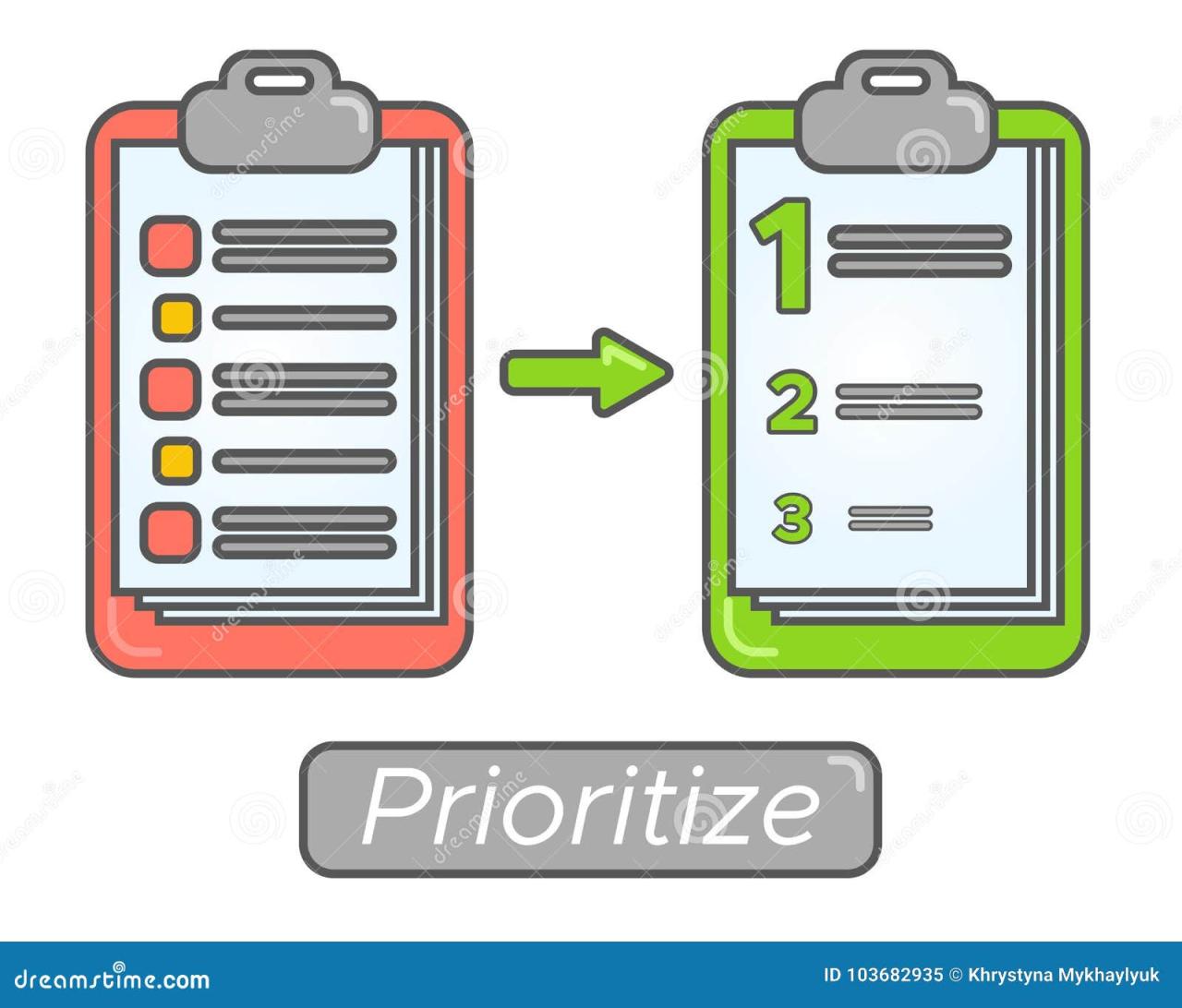
Navigating intricate projects with numerous dependencies and competing demands can be a significant challenge. Artificial intelligence offers powerful solutions to dissect these complexities, streamline workflows, and ensure that critical tasks receive the attention they deserve. By leveraging AI, organizations can transform overwhelming workloads into a series of manageable, prioritized steps.AI excels at pattern recognition and data analysis, making it an invaluable tool for understanding the multifaceted nature of complex projects.
It can process vast amounts of information, identify interdependencies, and forecast potential issues before they impact timelines. This proactive approach is key to maintaining project momentum and achieving successful outcomes.
Decomposing Large Projects into Manageable, Prioritized Sub-tasks
Effectively breaking down large projects is fundamental to successful execution. AI can automate and optimize this process by analyzing project scope, objectives, and available resources to generate a granular list of actionable sub-tasks. This method ensures that each component is clearly defined, assigned, and prioritized according to its contribution to the overall project goals.AI algorithms can identify logical sequences and dependencies between tasks, creating a natural workflow.
For instance, when tackling a software development project, AI can suggest that design tasks must precede coding, and testing must follow implementation. It can also assess the complexity and estimated effort for each sub-task, allowing for more accurate resource allocation and realistic timelines.
A common approach involves using AI to:
- Analyze project documentation and requirements to identify core deliverables.
- Deconstruct deliverables into smaller, distinct work packages.
- Further break down work packages into individual, assignable tasks with clear objectives and expected outcomes.
- Estimate the effort and duration for each task based on historical data and predefined metrics.
- Identify dependencies between tasks, establishing a critical path for project progression.
Predicting Potential Bottlenecks and Suggesting Proactive Adjustments
One of the most significant advantages of AI in task management is its predictive capability. By continuously monitoring project progress, resource utilization, and external factors, AI can identify potential bottlenecks before they materialize, allowing for timely interventions.AI models can analyze historical project data to recognize patterns that often lead to delays. For example, if a particular team consistently experiences delays when handling a specific type of task, AI can flag this as a potential bottleneck for future projects of similar nature.
It can then suggest proactive adjustments, such as reallocating resources, providing additional training, or adjusting task sequencing.
AI’s predictive power shifts project management from a reactive to a proactive stance, minimizing disruptions and optimizing resource flow.
Consider a scenario where AI monitors the progress of a marketing campaign. If it detects that the creation of visual assets is falling behind schedule due to a bottleneck in the design team’s capacity, it can alert the project manager. The AI might then suggest expediting the asset creation by outsourcing a portion of the work, reassigning a designer from a less critical task, or adjusting the campaign launch date if necessary.
Integrating AI with Existing Project Management Software for Enhanced Decision-Making
The true power of AI in task prioritization is unlocked when it is seamlessly integrated with existing project management tools. This integration allows AI to access real-time project data, understand the current state of work, and provide actionable insights directly within the familiar project management environment.When AI is integrated, it can augment the capabilities of software like Asana, Jira, or Trello.
Instead of manually inputting priorities or analyzing reports, project managers can receive AI-generated recommendations for task reordering, resource allocation, and risk mitigation. This fusion of AI intelligence with established workflows leads to more informed and efficient decision-making.
Key aspects of this integration include:
- API connections to pull data on task status, resource availability, and deadlines.
- AI-driven dashboards that visualize potential risks and prioritize tasks based on predicted impact.
- Automated alerts for project managers regarding critical path deviations or impending bottlenecks.
- AI-powered suggestions for task rescheduling or resource reassignment, directly actionable within the software.
For instance, an AI integrated with a CRM system could analyze sales pipeline data and automatically prioritize follow-up tasks for sales representatives based on lead engagement levels and deal value, ensuring that the most promising opportunities are addressed first.
Balancing Competing Priorities Across Multiple Projects or Departments
Managing competing priorities is a perpetual challenge, especially when resources are shared across different projects or departments. AI can provide a holistic view of organizational priorities and intelligently allocate resources to ensure that the most impactful work is consistently addressed.AI can analyze the strategic importance, urgency, and resource requirements of tasks across all ongoing projects. By understanding the interdependencies and potential conflicts, it can recommend a balanced approach to task execution, preventing the over-allocation of resources to one area at the expense of others.
AI assists in balancing competing priorities through:
- Cross-project dependency mapping to identify potential conflicts.
- Resource capacity analysis across all projects and departments.
- Strategic alignment scoring for tasks to determine their contribution to overarching business objectives.
- Dynamic re-prioritization based on changes in project status, resource availability, or strategic shifts.
Imagine a scenario with two critical projects, Project A and Project B, both requiring the expertise of the same limited engineering team. Project A is a new product launch with a fixed market window, while Project B is a critical system upgrade essential for long-term operational efficiency. AI can analyze the revenue impact of Project A’s delay versus the cost of potential system downtime for Project B.
Based on this analysis, it might recommend a phased approach, allocating a specific percentage of the engineering team’s time to Project A for critical development tasks, while dedicating another portion to essential maintenance for Project B, ensuring both strategic imperatives are met without compromising either.
Ethical Considerations and Future Trends in AI Prioritization
As AI increasingly integrates into our daily workflows, understanding its ethical implications and anticipating its future trajectory in task prioritization becomes paramount. This section delves into the responsibilities that come with relying on AI for decision-making and explores the exciting possibilities that lie ahead for intelligent task management.
Ethical Implications of AI-Driven Prioritization
The reliance on artificial intelligence for determining task importance introduces a range of ethical considerations that warrant careful examination. When AI systems are empowered to dictate priorities, questions arise regarding accountability, transparency, and the potential impact on human autonomy and well-being. Ensuring that AI serves as a tool to augment human decision-making rather than replace it entirely is a key ethical challenge.
Bias in AI Task Assignment and Mitigation Strategies
A significant concern in AI-assisted task prioritization is the potential for inherent biases to influence task assignment and importance. AI models learn from the data they are trained on, and if this data reflects existing societal or organizational biases, the AI may inadvertently perpetuate or even amplify them. This can lead to unfair distribution of work, overlooked opportunities, and a skewed perception of value.To mitigate bias, several strategies can be employed:
- Data Auditing and Cleansing: Regularly reviewing and cleaning training data to identify and remove discriminatory patterns is crucial. This involves ensuring representation across different demographics and work styles.
- Algorithmic Fairness Techniques: Implementing fairness-aware algorithms that actively work to reduce bias in decision-making processes can help ensure more equitable outcomes.
- Human Oversight and Intervention: Maintaining a level of human oversight allows for the identification and correction of AI-driven decisions that appear biased or unfair. This ensures that AI recommendations are reviewed and validated by human judgment.
- Transparency and Explainability: Developing AI systems that can explain their reasoning behind prioritization decisions can help identify and address potential biases. Understanding why a task is prioritized allows for scrutiny and correction.
Future Trajectory of AI in Personal and Professional Organization
The evolution of AI in personal and professional organization promises a future where task management is not only efficient but also deeply integrated and predictive. We are moving beyond simple to-do lists towards systems that proactively assist individuals and teams in navigating their workloads.Key aspects of this future include:
- Predictive Task Management: AI will increasingly predict future task needs based on historical data, project timelines, and even external factors like market trends or team availability. This allows for proactive resource allocation and preemptive problem-solving. For instance, an AI might predict the need for a specific report to be drafted two weeks before a crucial deadline based on past project cycles and the current stage of development.
- Seamless Integration: AI-powered task management will become more seamlessly integrated across various platforms and applications, creating a unified ecosystem for managing work. This means your calendar, email, project management tools, and communication platforms will all contribute to a holistic view of your priorities.
- Proactive Assistance: AI will move from simply organizing tasks to actively assisting in their completion by suggesting resources, identifying potential bottlenecks, and even automating routine sub-tasks. Imagine an AI suggesting relevant documents for a task or automatically scheduling follow-up reminders based on conversation sentiment.
Evolution of AI for Personalized and Intuitive Task Prioritization
The next frontier for AI in task prioritization lies in its ability to offer increasingly personalized and intuitive experiences. As AI systems gather more context about individual work styles, preferences, and cognitive loads, they will be able to tailor prioritization strategies to each user.This evolution will manifest in several ways:
- Adaptive Learning of User Preferences: AI will learn from user interactions, understanding which types of tasks are preferred, which times of day are most productive for certain activities, and how different notification styles impact focus. This allows for a prioritization system that aligns with an individual’s natural workflow.
- Context-Aware Prioritization: AI will consider not just the task itself but also the user’s current context, such as their location, available energy levels (inferred from wearable data, for example), and immediate project goals. A high-priority task might be subtly deprioritized if the AI detects the user is in a meeting or experiencing a significant dip in focus.
- Emotional and Cognitive Load Awareness: Advanced AI may even begin to factor in a user’s emotional state and cognitive load, suggesting breaks or simpler tasks when signs of burnout are detected, thereby promoting sustainable productivity. For example, if an AI notices a user consistently struggling with complex tasks late in the day, it might proactively suggest shifting to administrative duties or scheduling a break.
- Natural Language Interaction: Interacting with AI for task management will become more conversational, allowing users to express priorities and needs in natural language, making the experience more intuitive and less reliant on rigid input methods.
End of Discussion
As we conclude our exploration into how to prioritize tasks using AI, it’s clear that this technology offers a profound shift in how we manage our professional and personal lives. From intelligently assessing urgency and impact to learning user preferences and automating delegation, AI presents a powerful suite of tools for navigating complex workloads. By embracing these advancements, while remaining mindful of ethical considerations and future trends, individuals and teams can achieve unprecedented levels of efficiency, clarity, and strategic focus, paving the way for a more organized and productive future.