As how to substitute ingredients with ai takes center stage, this opening passage beckons readers into a world crafted with good knowledge, ensuring a reading experience that is both absorbing and distinctly original.
This exploration delves into the fascinating realm of artificial intelligence and its burgeoning role in the culinary arts, specifically focusing on its capacity to suggest and implement ingredient substitutions. We will uncover the fundamental principles behind AI-powered ingredient replacement, examine its practical applications in recipe adaptation, and discuss the data and models that empower these intelligent systems. Furthermore, we will explore user interaction with these tools and touch upon advanced AI capabilities that promise to revolutionize how we manage ingredients in our kitchens.
Understanding the Core Concept of AI-Assisted Ingredient Substitution

Artificial intelligence is revolutionizing how we approach culinary challenges, including ingredient substitution. At its heart, AI-assisted ingredient substitution involves leveraging machine learning algorithms to identify suitable replacements for ingredients that are unavailable, undesirable, or need to be modified for dietary or cost reasons. This goes beyond simple one-to-one swaps, aiming to maintain the integrity of the dish in terms of flavor, texture, aroma, and even nutritional profile.The fundamental principle behind AI’s capability in this domain lies in its ability to process vast amounts of data and identify complex patterns and relationships that might elude human observation.
By learning from existing recipes, ingredient databases, and scientific literature, AI systems can predict how different ingredients interact and contribute to a final product. This allows for more nuanced and effective substitutions, leading to successful culinary outcomes.
AI System Data Processing for Ingredient Understanding
To effectively identify ingredient substitutions, an AI system requires a comprehensive understanding of various ingredient properties and their functions within recipes. This understanding is built by processing diverse datasets, allowing the AI to learn the intricate web of culinary science.The types of data an AI system would process include:
- Nutritional Information: Detailed breakdowns of macronutrients (proteins, fats, carbohydrates), micronutrients (vitamins, minerals), and caloric content. This is crucial for substitutions related to dietary needs or health goals.
- Chemical Composition: Data on the specific chemical compounds responsible for flavor, aroma, and color. For instance, understanding the role of esters in fruity aromas or anthocyanins in color can guide replacements.
- Physical Properties: Information on texture (e.g., viscosity, chewiness, crispness), melting point, solubility, and water-binding capacity. These properties are vital for maintaining the desired mouthfeel and structural integrity of a dish.
- Functional Roles: How an ingredient acts within a recipe, such as leavening agents (baking soda, yeast), emulsifiers (eggs, lecithin), thickeners (flour, cornstarch), or binders (eggs, flaxseed).
- Flavor Profiles: Extensive databases detailing taste notes (sweet, sour, bitter, salty, umami), aromatic compounds, and potential pairings with other ingredients.
- Allergen Information: Data on common allergens, enabling the AI to suggest substitutions that are safe for individuals with specific allergies.
- Culinary Context: Information from millions of recipes, including preparation methods, cooking times, and ingredient ratios, to understand how ingredients behave in different culinary applications.
Advantages of AI for Ingredient Substitution
Employing AI for ingredient substitution offers significant advantages over traditional, often trial-and-error, methods. These benefits streamline the culinary process, enhance creativity, and broaden accessibility to a wider range of dietary preferences and constraints.The key advantages include:
- Speed and Efficiency: AI can analyze vast datasets and generate potential substitutions in seconds, a task that would take a human chef or food scientist considerable time.
- Accuracy and Predictability: By learning from extensive data, AI can predict the impact of a substitution with a higher degree of accuracy, minimizing the risk of recipe failure.
- Handling Complex Constraints: AI can simultaneously consider multiple substitution requirements, such as replacing an ingredient for dietary reasons (e.g., gluten-free, vegan) while also matching flavor profiles and textures.
- Discovery of Novel Replacements: AI can identify less common or unexpected ingredient pairings that might not be readily apparent through traditional knowledge, fostering culinary innovation.
- Consistency and Scalability: AI-driven substitutions can be applied consistently across numerous recipes and scaled for commercial production, ensuring uniform results.
- Cost Optimization: AI can suggest substitutions that are more cost-effective without compromising the quality or desired outcome of the dish.
- Personalization: AI can tailor substitutions to individual preferences or specific dietary needs, creating personalized culinary experiences.
Limitations and Challenges of AI in Ingredient Substitution
Despite its powerful capabilities, AI-assisted ingredient substitution is not without its limitations and challenges. Acknowledging these areas is crucial for responsible and effective implementation.The potential limitations and challenges include:
- Nuance of Human Palate: While AI can analyze chemical compounds and flavor profiles, it may struggle to replicate the subtle, subjective nuances of taste and aroma that are perceived by the human palate. The “je ne sais quoi” of a dish can be difficult to quantify.
- Data Quality and Bias: The accuracy of AI predictions is heavily dependent on the quality and completeness of the data it is trained on. Biased or incomplete datasets can lead to suboptimal or even incorrect substitutions. For example, if a dataset overrepresents Western cuisine, AI might struggle with substitutions in more diverse culinary traditions.
- Understanding of Context: AI might not always fully grasp the cultural significance, traditional preparation methods, or historical context of certain ingredients, which can influence their role in a dish.
- Texture Complexity: Replicating complex textural elements, especially those that evolve during cooking (e.g., the crispness of fried food, the chewiness of bread), can be challenging for AI.
- Ingredient Variability: Natural ingredients can vary significantly in their properties due to factors like seasonality, origin, and processing. AI models may need constant updating to account for this variability.
- Over-reliance and Loss of Intuition: An over-reliance on AI could potentially lead to a decline in human chefs’ intuition and experiential knowledge, which are invaluable in culinary arts.
- Computational Resources: Developing and running sophisticated AI models for ingredient substitution can require significant computational power and expertise.
- Ethical Considerations: Issues around intellectual property for AI-generated recipes and the potential for AI to be used to create less healthy or misleading food products need careful consideration.
AI in Recipe Adaptation and Ingredient Swaps

Artificial intelligence is revolutionizing how we approach cooking, offering intelligent solutions for adapting recipes and substituting ingredients. This technology analyzes culinary data to understand ingredient interactions, flavor profiles, and cooking methodologies, enabling it to suggest effective replacements that maintain the integrity and desired outcome of a dish.The process by which an AI suggests ingredient substitutions is a sophisticated interplay of data analysis and culinary knowledge.
AI models are trained on vast datasets encompassing recipes, ingredient properties, nutritional information, and user feedback. When presented with a recipe and a request for a substitution, the AI breaks down the original recipe into its core components and functions. It identifies the role of the ingredient to be replaced – whether it’s a binder, a leavening agent, a source of fat, or a flavor enhancer.
Subsequently, it searches its knowledge base for ingredients that possess similar functional and chemical properties. This often involves considering factors like moisture content, fat content, acidity, protein structure, and potential flavor contributions.
AI-Driven Ingredient Substitution for Common Scenarios
AI-driven ingredient substitutions prove invaluable in several common culinary situations, offering practical solutions that cater to diverse needs and circumstances. These scenarios highlight the AI’s ability to adapt recipes efficiently and effectively.AI excels in accommodating dietary restrictions, a frequent challenge for home cooks. For instance, if a recipe calls for dairy milk and a user needs a lactose-free or vegan alternative, the AI can suggest plant-based milks like almond, soy, or oat milk, considering their fat content and how they might affect the texture and flavor of the final dish.
Similarly, for gluten-free requirements, the AI can identify suitable flour blends or alternative starches to replace wheat flour in baking or thickening. Ingredient unavailability is another prime area where AI shines. When a specific ingredient is out of stock or difficult to find, the AI can quickly propose readily available substitutes that mimic the original’s contribution to the recipe. This is particularly helpful in international cuisines where specialized ingredients might be hard to source.
Hypothetical AI Workflow for Baking Recipe Substitutions
A hypothetical AI workflow for suggesting ingredient replacements in baking recipes would involve a structured, multi-step process designed to ensure the success of the adapted recipe. This workflow prioritizes maintaining the delicate balance of ingredients crucial for baking.The workflow begins with the AI receiving the original recipe and the target ingredient for substitution.
- Ingredient Function Analysis: The AI identifies the primary function of the ingredient to be replaced. In baking, this could be leavening (e.g., baking soda, yeast), binding (e.g., eggs, flaxseed), moisture (e.g., milk, oil), structure (e.g., flour), or flavor (e.g., vanilla extract, spices).
- Property Matching: Based on the identified function, the AI searches its database for ingredients with similar chemical and physical properties. For example, if replacing eggs as a binder, it would look for ingredients with similar protein or mucilaginous qualities, such as mashed banana, applesauce, or commercial egg replacers.
- Quantity Adjustment Calculation: The AI calculates the appropriate substitution ratio. This is critical as different ingredients have varying levels of potency. For instance, substituting baking soda for baking powder requires a different ratio and often an acidic component.
- Flavor and Texture Impact Assessment: The AI considers how the substitute might alter the final flavor and texture. For instance, substituting butter with oil might result in a denser crumb, while using a strongly flavored fruit puree could change the overall taste profile. The AI might suggest complementary flavors or minor adjustments to other ingredients to mitigate negative impacts.
- Dietary and Allergen Check: If specified by the user, the AI filters potential substitutes to ensure they meet dietary restrictions (e.g., gluten-free, vegan, nut-free).
- Recipe Contextualization: The AI analyzes the overall recipe to ensure the substitution integrates harmoniously. For example, in a delicate cake, a strong-flavored substitute might be less suitable than in a robust muffin.
- Suggestion Generation: The AI presents one or more suitable substitutions, often with notes on potential adjustments needed in other parts of the recipe.
Factors Considered for Savory Dish Ingredient Substitutions
When recommending a substitute for a primary ingredient in a savory dish, an AI would meticulously consider a range of factors to ensure the resulting meal is both palatable and structurally sound. These considerations go beyond simple flavor matching to encompass the ingredient’s multifaceted role in cooking.The AI would analyze the ingredient’s contribution to the dish in the following ways:
- Flavor Profile: This includes the inherent taste (e.g., umami, sweet, sour, bitter, salty) and any aromatic qualities the ingredient imparts. The AI would seek substitutes that offer a similar or complementary flavor. For example, replacing beef in a stew might involve considering the savory depth of lamb or mushrooms.
- Texture and Mouthfeel: The physical properties of the ingredient are crucial. Is it tender, chewy, crisp, or creamy? The AI would aim for substitutes that provide a similar textural experience. For instance, substituting chicken in a stir-fry might involve using firm tofu or seitan for a comparable bite.
- Cooking Function: This encompasses how the ingredient behaves during the cooking process. Does it brown well, thicken sauces, release moisture, or tenderize other ingredients? For example, replacing pork belly in a braise would require considering a substitute that can render fat and become tender.
- Fat Content and Type: The amount and type of fat in an ingredient significantly influence flavor, mouthfeel, and cooking characteristics. Replacing a fatty cut of meat might necessitate adjusting the amount of added oil or fat in the recipe.
- Acidity or Alkalinity: Some ingredients contribute to the pH balance of a dish, affecting flavor perception and chemical reactions during cooking. For example, tomatoes add acidity, which can be mimicked by a small amount of vinegar or lemon juice.
- Binding or Emulsifying Properties: In certain savory dishes, ingredients like eggs or certain vegetables can act as binders or emulsifiers. The AI would look for alternatives that perform a similar role.
- Nutritional Contribution: While not always the primary concern for substitution, the AI might consider the protein, fiber, or vitamin content of the original ingredient and seek substitutes that offer comparable nutritional value, especially for health-conscious users.
- Color: The visual appeal of a dish is important. The AI might consider how a substitute will affect the overall color of the final product. For instance, replacing dark leafy greens might require adding another ingredient that contributes a similar hue.
Data Sources and AI Models for Ingredient Knowledge
To effectively substitute ingredients, an AI system requires a deep and comprehensive understanding of each ingredient’s properties, functionalities, and relationships with other ingredients. This knowledge is not innate but is meticulously built by processing vast amounts of diverse data. The sophistication of the AI’s recommendations directly correlates with the quality and breadth of these data sources and the power of the underlying models.
Practical Applications and User Interaction with AI Substitution Tools
The integration of AI into the kitchen, particularly for ingredient substitution, transforms how both novice and experienced cooks approach culinary challenges. These tools move beyond simple lookup tables to offer dynamic, context-aware suggestions, making cooking more accessible and creative. This section explores how users interact with these AI-powered assistants and the design considerations for an effective user experience.AI-driven ingredient substitution tools are designed to empower users by providing intelligent solutions to common kitchen dilemmas.
Whether a home cook discovers a missing ingredient mid-recipe or a professional chef needs to adapt a dish for dietary restrictions or cost efficiency, AI can offer timely and relevant alternatives. The effectiveness of these tools hinges on intuitive user interaction and the AI’s ability to learn and adapt based on user input.
Scenarios for AI-Assisted Ingredient Substitution
AI-powered ingredient substitution tools can be utilized in a variety of culinary contexts, offering practical solutions for diverse needs. These scenarios highlight the versatility and immediate value these technologies bring to the cooking process.
- Home Cooks: A home cook is halfway through preparing a cake and realizes they are out of eggs. They can input the recipe and the missing ingredient into an AI tool, which then suggests suitable egg substitutes like mashed banana, applesauce, or a flaxseed “egg,” along with guidance on how to adjust the recipe for optimal results.
- Professional Chefs: A chef is developing a new vegan menu and needs to replace dairy butter in a pastry recipe. An AI tool can analyze the butter’s role (e.g., fat content, emulsification, flavor) and suggest plant-based alternatives like coconut oil, vegan butter blends, or even avocado, considering how each will affect the final texture and taste of the pastry.
- Dietary Adaptations: A user needs to make a recipe gluten-free or dairy-free. They can input the original recipe and the dietary restriction, and the AI will suggest appropriate swaps for flour, milk, or cheese, taking into account flavor profiles and cooking properties. For example, it might suggest almond flour for wheat flour in baking, or nutritional yeast for cheese in a savory dish.
- Cost Optimization: A restaurant manager wants to reduce the cost of a signature dish without compromising its appeal. An AI could analyze the ingredient list and suggest more economical yet functionally similar alternatives, such as a less expensive cut of meat or a different type of vegetable that offers a similar flavor profile.
The Importance of User Feedback in Refining AI Recommendations
User feedback is a critical component in the continuous improvement and personalization of AI-driven ingredient substitution. It allows the AI to learn from real-world culinary outcomes and tailor its suggestions to individual preferences and cooking styles.
The effectiveness of AI recommendations is not static; it evolves with every interaction. When users provide feedback on the success or failure of a suggested substitute, they are essentially training the AI. This data helps the model understand which substitutions work best in specific contexts, for particular recipes, and for different users. For instance, if many users find that substituting applesauce for eggs in a chocolate cake leads to a denser texture than desired, the AI can learn to prioritize other substitutes or provide a warning about texture changes.
This iterative process ensures that the AI becomes increasingly accurate and helpful over time, moving beyond generic advice to highly personalized and reliable culinary guidance.
User Interface Concept for an AI-Powered Ingredient Substitution Assistant
Designing an intuitive and user-friendly interface is paramount for an AI ingredient substitution assistant. The interface should facilitate easy input of information and clear presentation of suggestions, making the technology accessible to all skill levels.
Key Features of the Interface
The following features are envisioned for an AI-powered ingredient substitution assistant, aiming for a seamless and effective user experience:
- Recipe Input: Users can upload or paste their recipe text. The AI should be able to parse the recipe to identify ingredients and quantities. Alternatively, users could manually input the ingredient they wish to substitute.
- Ingredient Identification: A clear display of the ingredient to be substituted, with options to specify its role in the recipe (e.g., binding, leavening, flavoring, thickening).
- Substitution Options Display: Presents a list of potential substitutes, ranked by suitability. Each suggestion should include:
- Name of Substitute: The common name of the alternative ingredient.
- Quantity Adjustment: Recommended amount of the substitute needed, often with a conversion factor.
- Flavor Profile: A description of how the substitute might alter the taste of the dish.
- Texture Impact: Information on how the substitute might affect the texture (e.g., denser, lighter, chewier).
- Dietary Suitability: Icons or labels indicating if the substitute is vegan, gluten-free, nut-free, etc.
- Cost Indicator: A general indication of the substitute’s relative cost (e.g., $, $$, $$$).
- User Feedback Mechanism: Simple buttons or rating systems (e.g., thumbs up/down, star ratings) for users to indicate the success of a substitution. A comment box for more detailed feedback would also be beneficial.
- Contextual Notes: Tips on how to best use the substitute, such as “may require slightly longer baking time” or “adds a subtle nutty flavor.”
- “Why This Substitute?” Explanation: A brief explanation of the AI’s reasoning behind a particular recommendation, referencing chemical properties or culinary functions.
- Saved Substitutions: A feature to save frequently used or successful substitutions for quick access.
AI Approaches to Presenting Substitution Options
An AI can employ various strategies to present ingredient substitution options, each catering to different user priorities and providing distinct levels of detail. The choice of approach significantly impacts the user’s ability to make an informed decision.
Comparative Approaches for Substitution Presentation
The AI can present its findings in several ways, allowing users to compare options based on key culinary factors:
- Ranked List by Suitability: The AI prioritizes substitutes based on a composite score considering flavor, texture, availability, and common culinary practice. The top recommendation is presented first, followed by progressively less ideal options. This is often the default and most straightforward approach.
- Categorized Options: Substitutes can be grouped by primary characteristic, such as:
- “Best for Flavor”: Suggestions that closely mimic the original ingredient’s taste.
- “Best for Texture”: Options that will most reliably maintain the desired mouthfeel.
- “Most Economical”: Cost-effective alternatives.
- “Healthier Choices”: Substitutes with improved nutritional profiles (e.g., lower fat, higher fiber).
- “Allergy-Friendly”: Options specifically for common allergens.
This approach allows users to quickly find alternatives that meet a specific need.
- Side-by-Side Comparison Table: A table format allows users to visually compare multiple substitutes across various attributes simultaneously. This is particularly useful for complex substitutions or when users are weighing multiple factors. The table could include columns for:
- Substitute Name
- Quantity Ratio
- Flavor Impact
- Texture Impact
- Preparation Notes
- Cost
- Dietary Flags
This provides a comprehensive overview for informed decision-making.
- Visual Representation (Conceptual): While not directly an AI output, the interface could conceptually represent the impact of a substitute. For instance, a slider indicating potential changes in sweetness or density. This is more advanced and requires sophisticated modeling.
The AI’s ability to adapt and present substitution options based on a nuanced understanding of ingredient function, flavor chemistry, and user preferences is key to its utility in the modern kitchen.
Exploring Advanced AI Capabilities in Ingredient Management
Beyond simple substitutions, AI is poised to revolutionize ingredient management by offering deeper insights and proactive solutions. This involves a sophisticated understanding of how ingredient changes ripple through a recipe, impacting not just taste and texture but also nutritional profiles and allergen safety. AI’s ability to process vast datasets allows for predictive modeling and optimization that was previously unimaginable.The true power of AI in ingredient management lies in its capacity to move from reactive suggestions to proactive, intelligent guidance.
This section delves into the advanced functionalities that AI can bring to the kitchen, transforming how we approach cooking and dietary needs.
Predicting Substitution Impact on Flavor and Texture
AI models can analyze the chemical compounds and sensory attributes of ingredients to predict how a substitution will alter the overall flavor profile and texture of a dish. This prediction is based on understanding ingredient interactions, such as how fat content affects mouthfeel, how acidity balances sweetness, or how certain proteins contribute to browning.The process involves several key steps:
- Ingredient Profiling: AI systems access extensive databases that detail the chemical composition, aroma compounds, taste profiles (sweet, sour, salty, bitter, umami), and textural properties (e.g., viscosity, chewiness, crispness) of thousands of ingredients.
- Flavor Interaction Analysis: Machine learning algorithms, trained on vast culinary datasets and scientific literature, identify common flavor pairings and synergistic or antagonistic interactions between ingredients. For instance, AI can recognize that replacing butter (fat and richness) with olive oil (different fat profile and distinct flavor) will change the mouthfeel and introduce a fruity note.
- Texture Simulation: AI can model the physical changes that occur during cooking, such as starch gelatinization, protein denaturation, and water evaporation. It then predicts how substituting an ingredient with different moisture content, protein structure, or carbohydrate profile will affect the final texture. For example, substituting all-purpose flour with almond flour in baking will not only alter flavor but also significantly impact crumb structure due to almond flour’s lower gluten and higher fat content.
- Predictive Scoring: Based on these analyses, AI can assign a “flavor compatibility score” and a “texture similarity score” to a proposed substitution, indicating the degree of deviation from the original dish.
For instance, if a recipe calls for heavy cream and a user needs to substitute it, an AI might predict that using full-fat coconut milk will provide a similar richness and creamy texture, but with a subtle coconut flavor. It might also warn that using a lower-fat milk will result in a thinner sauce and less richness.
Suggesting Complementary Flavors for Substitutions
When an ingredient is substituted, the AI can go beyond simply finding a functional replacement. It can also suggest other ingredients to add or adjust that will enhance or complement the new flavor profile introduced by the substitution, creating a more harmonious dish.The AI’s approach to suggesting complementary flavors involves:
- Identifying Introduced Flavor Notes: The AI first determines the distinct flavor characteristics of the substitute ingredient. If, for example, a user substitutes lemon juice with lime juice, the AI identifies the shift from a bright, tart citrus to a more zesty, slightly bitter citrus.
- Flavor Pairing Algorithms: Leveraging sophisticated flavor pairing models, the AI searches for ingredients that are known to harmonize with the introduced flavor notes. This can involve classic pairings or novel combinations identified through data analysis. For instance, with lime juice, the AI might suggest adding a pinch of chili powder or cilantro to enhance its profile in a savory dish.
- Balancing the Palate: The AI considers the overall balance of the dish. If a substitution makes a dish sweeter, it might suggest adding a touch of acidity or spice. If a substitution introduces bitterness, it might recommend a complementary sweet or savory element.
- Contextual Recommendations: The AI also considers the cuisine type and the intended flavor profile of the original recipe. A substitution in an Italian dish will receive different complementary suggestions than the same substitution in a Thai dish.
Consider a scenario where a recipe for beef stew calls for red wine, but the user substitutes it with beef broth. The AI might then suggest adding a small amount of balsamic vinegar to reintroduce some acidity and depth, or perhaps a bay leaf and thyme to bolster the savory notes that might be slightly diminished without the wine’s complexity.
Assessing Allergenic Properties of Potential Ingredient Substitutes
Ensuring food safety is paramount, and AI can play a crucial role in identifying potential allergens in substitute ingredients. This process requires meticulous data management and a robust understanding of common allergens and cross-contamination risks.The procedural steps for an AI to assess allergenic properties are as follows:
- User Input and Allergy Profile: The user provides their known allergies or dietary restrictions (e.g., nuts, dairy, gluten, soy, shellfish). The AI stores this profile securely.
- Ingredient Database with Allergen Information: The AI accesses a comprehensive database that lists common allergens present in various ingredients. This database includes information on major allergens recognized by regulatory bodies.
- Substitution Analysis: When a user proposes an ingredient substitution, the AI cross-references the substitute ingredient with the user’s allergy profile.
- Cross-Contamination Awareness: The AI also considers potential cross-contamination risks. For example, if a user is allergic to nuts, the AI might flag ingredients that are processed in facilities that also handle nuts, even if the ingredient itself does not inherently contain nuts.
- Risk Level Assignment: The AI assigns a risk level (e.g., low, medium, high) to the substitution based on the presence of allergens and the severity of the user’s allergy.
- Clear Warnings and Alternatives: If a potential allergen is detected, the AI provides a clear warning to the user and suggests alternative substitutes that are free from the identified allergen.
For example, if a user is allergic to peanuts and wants to substitute peanut butter in a recipe, the AI would immediately flag this and suggest alternatives like almond butter, sunflower seed butter, or tahini, while also warning about potential cross-contamination if these alternatives are processed on shared equipment.
Optimizing Ingredient Substitutions Based on Nutritional Goals
AI can significantly enhance ingredient substitutions by aligning them with specific nutritional goals, such as increasing protein, reducing sodium, or boosting fiber intake. This involves analyzing the nutritional content of both the original and substitute ingredients and making informed recommendations.The step-by-step process for AI-driven nutritional optimization is:
- Define Nutritional Goals: The user specifies their nutritional objectives, such as “increase protein by 10g per serving,” “reduce saturated fat by 5g per serving,” or “increase fiber content.”
- Nutritional Database Access: The AI accesses a detailed nutritional database that provides comprehensive data on macronutrients (protein, carbohydrates, fats), micronutrients (vitamins, minerals), fiber, sodium, and calories for a wide range of ingredients.
- Original Recipe Nutritional Analysis: The AI calculates the baseline nutritional profile of the original recipe based on its ingredients.
- Substitution Impact Assessment: For each potential substitute, the AI assesses its nutritional contribution and how it would alter the recipe’s overall nutritional breakdown relative to the user’s goals.
- Iterative Optimization: The AI may suggest multiple substitutions or combinations of substitutions to best meet the defined nutritional targets. It can iteratively adjust the proposed substitutes and their quantities to achieve the optimal nutritional outcome.
- Transparency and Trade-offs: The AI provides clear information about the nutritional changes resulting from the substitutions, including any potential trade-offs (e.g., increasing protein might also increase calories).
Imagine a user wants to make a pasta dish healthier by increasing its protein content and reducing its sodium. If the original recipe uses white pasta and a high-sodium sauce, the AI might suggest substituting white pasta with whole wheat or lentil pasta (for added protein and fiber) and recommend using a low-sodium tomato sauce, perhaps with added herbs and spices to compensate for flavor.
It could even suggest adding lean ground turkey or chickpeas to further boost protein, while carefully monitoring the overall sodium increase.
Illustrating AI-Driven Substitution with Examples
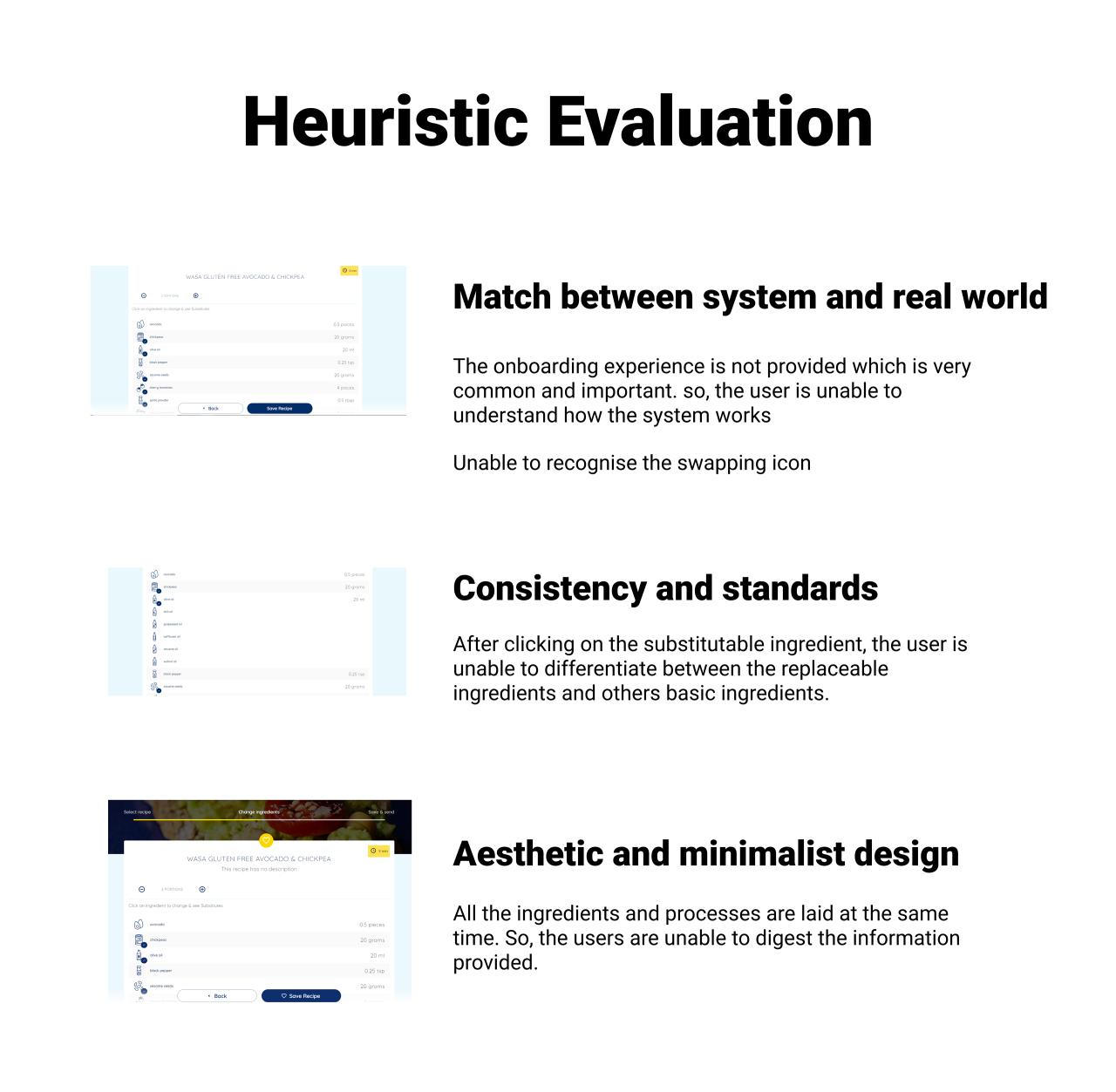
AI-powered ingredient substitution moves beyond simple one-to-one replacements by considering the functional, textural, and flavor profiles of ingredients. This section provides concrete examples to showcase how AI can assist in various culinary scenarios, making cooking more accessible and adaptable.
Vegan Egg Substitution in Cake Baking
A common challenge in vegan baking is replacing eggs, which provide binding, leavening, and moisture. An AI could analyze the recipe’s requirements and suggest suitable alternatives. For a vegan cake recipe, an AI might suggest:
- Flax Egg: A mixture of ground flaxseed and water, which gels similarly to eggs and provides binding. This is particularly effective in recipes where a slightly denser crumb is acceptable.
- Applesauce or Mashed Banana: These fruits offer moisture and natural sweetness, acting as a binder. They are best suited for cakes where their distinct flavors are complementary, such as spice cakes or banana bread.
- Commercial Egg Replacers: These are typically starch-based and designed to mimic the binding and leavening properties of eggs, offering a more neutral flavor profile.
- Silken Tofu: When blended, silken tofu provides moisture and richness, contributing to a tender crumb. It’s a good option for denser cakes or cheesecakes.
The AI’s reasoning would involve understanding that eggs contribute protein and fat, which need to be replicated. It would then cross-reference the specific cake recipe’s texture and flavor goals with the known properties of vegan substitutes.
Descriptive Attributes of Gluten-Free Flour Types
For gluten-free baking, understanding the nuanced characteristics of various flours is crucial. An AI could categorize and describe these flours using attributes that inform substitution decisions:
- Almond Flour: Described by its high fat content, slightly sweet flavor, and tendency to create moist, tender baked goods. It can lead to a denser texture and is prone to browning faster due to its fat and protein.
- Rice Flour (White and Brown): White rice flour is neutral in flavor and can create a slightly gritty texture if not balanced. Brown rice flour offers a nuttier flavor and more nutrients but can also contribute to grittiness. Both are relatively low in binding power.
- Oat Flour: Possesses a mild, slightly sweet, and nutty flavor. It absorbs more liquid than wheat flour and contributes to a chewier texture.
- Tapioca Starch: Known for its ability to provide chewiness and act as a binder. It’s excellent for improving the texture of gluten-free breads and pastries, giving them a pleasant elasticity.
- Coconut Flour: Highly absorbent, requiring significantly more liquid and binders. It has a distinct coconut flavor and can result in a drier, crumbly texture if not properly managed.
An AI would associate these descriptive attributes with their functional impact on dough structure, moisture retention, flavor, and browning, guiding users toward appropriate blends for specific gluten-free recipes.
Comparison of Common Dairy Milk Substitutes
Dairy milk plays various roles in cooking and baking, from providing liquid and fat to contributing to browning and flavor. Here’s a structured comparison of common plant-based milk substitutes:
| Milk Substitute | Primary Flavor Profile | Texture/Mouthfeel | Best Culinary Applications | Functional Considerations |
|---|---|---|---|---|
| Almond Milk | Mildly nutty, slightly sweet | Thin to medium | Cereals, smoothies, light sauces, baking (where subtle flavor is desired) | Lower in fat and protein; can curdle in high heat or acidic environments. |
| Soy Milk | Neutral to slightly beany | Medium, creamy | Baking, sauces, coffee, creamy soups | Good protein content; can mimic dairy milk’s richness and emulsifying properties. |
| Oat Milk | Sweet, oaty | Creamy, rich | Coffee (froths well), baking, creamy sauces, soups | Naturally sweeter; good for achieving a creamy consistency. |
| Coconut Milk (Beverage Type) | Mild coconut flavor | Thin to medium | Smoothies, light curries, cereals | Lower in fat than canned coconut milk; can separate. |
| Cashew Milk | Mild, slightly sweet, creamy | Creamy | Sauces, creamy soups, coffee, baking | Offers a smooth, rich texture similar to dairy milk. |
An AI would leverage this comparative data to recommend substitutions based on the original recipe’s requirements for fat content, protein, sweetness, and desired final texture.
AI Guidance for Substituting a Spice Blend in Curry
Substituting a complex spice blend, like a curry powder, requires careful consideration of aroma, heat, and flavor notes. An AI could guide a user through this process by asking targeted questions and providing reasoned suggestions.Imagine a user wants to substitute a pre-made “Garam Masala” blend in a chicken curry recipe. The AI might first ask about the desired heat level and primary flavor profile they are aiming for.Based on this, the AI could suggest:
- If a warmer, spicier profile is desired: Recommend a blend of ground cumin, coriander, black pepper, and a pinch of cayenne pepper, potentially adding a touch of ground cardamom for complexity. The AI would explain that cumin and coriander form the base of many curry blends, while black pepper and cayenne add heat.
- If a more aromatic, less spicy profile is desired: Suggest a blend of ground coriander, cumin, cinnamon, and a hint of cloves. The AI would highlight that cinnamon and cloves provide warmth and aroma without significant heat, and coriander and cumin offer a balanced, earthy foundation.
- For a simpler substitution with similar warmth: Propose a mix of equal parts cumin and coriander, with a smaller proportion of ground ginger and turmeric. The AI would note that ginger adds a subtle pungent warmth, and turmeric contributes color and a mild earthy note.
The AI would conceptually break down the original spice blend’s likely components and guide the user to rebuild a similar flavor profile by selecting individual spices, considering their known aroma intensity, heat level, and flavor characteristics. It might also consider regional variations in curry blends to offer more tailored advice.
Final Wrap-Up
In conclusion, the integration of artificial intelligence into ingredient substitution offers a transformative approach to cooking, empowering both novice and experienced culinarians with innovative solutions. By leveraging AI’s analytical power, we can navigate dietary needs, ingredient availability challenges, and even enhance flavor profiles, making cooking more accessible, creative, and efficient. This journey into AI-driven substitutions underscores a future where technology and gastronomy harmoniously converge, enriching our culinary experiences.