Delving into how to translate languages with ai, this introduction immerses readers in a unique and compelling narrative, with formal and friendly language style that is both engaging and thought-provoking from the very first sentence.
We will explore the fascinating world of artificial intelligence in language translation, uncovering the technologies, tools, and practical applications that are revolutionizing how we communicate across linguistic barriers. From understanding the core principles of AI-powered translation to navigating its current challenges and envisioning its future, this comprehensive overview aims to equip you with the knowledge to effectively leverage this transformative technology.
Understanding AI-Powered Language Translation
The advent of Artificial Intelligence (AI) has revolutionized how we approach language translation, moving beyond simple word-for-word substitutions to nuanced and contextually aware rendering of text and speech. AI-powered translation systems leverage sophisticated algorithms and vast datasets to understand, interpret, and generate human language across different linguistic boundaries. This technology is not merely a tool for overcoming communication barriers; it’s a testament to the increasing sophistication of machines in comprehending the complexities of human expression.At its core, AI-driven translation aims to mimic the human process of understanding and rephrasing.
Instead of relying on predefined linguistic rules, AI models learn patterns, grammar, semantics, and even idiomatic expressions from massive amounts of bilingual text. This learning process allows them to produce translations that are more fluid, accurate, and natural-sounding than traditional methods. The continuous refinement of these models, driven by machine learning techniques, ensures that AI translation systems are constantly improving in their ability to handle diverse linguistic challenges.
Fundamental Principles of AI Translation
AI translation operates on the principle of learning from data. Unlike earlier systems that were programmed with explicit linguistic rules, modern AI translation models are trained on enormous parallel corpora – collections of texts that exist in two or more languages. Through this training, the AI identifies statistical relationships between words, phrases, and sentence structures in different languages. This allows the system to predict the most probable translation for a given input, considering the context in which words and phrases appear.
Core Technologies and Algorithms in AI Translation
The field of AI translation is powered by several key technologies and algorithms that work in tandem to achieve accurate and coherent translations.
- Neural Machine Translation (NMT): This is the dominant paradigm in modern AI translation. NMT systems use deep neural networks, particularly recurrent neural networks (RNNs) and more recently, transformer networks, to process entire sentences or even documents at once. This holistic approach allows NMT to capture long-range dependencies and contextual nuances that were difficult for older systems to handle.
- Recurrent Neural Networks (RNNs): While largely superseded by transformers for translation, RNNs were foundational in NMT. They process input sequentially, maintaining a “memory” of previous inputs, which is useful for understanding sentence structure.
- Transformer Networks: These are the current state-of-the-art. Transformers utilize an “attention mechanism” that allows the model to weigh the importance of different words in the input sentence when generating the output. This enables more efficient processing and better handling of context, especially in longer sentences.
- Word Embeddings: Techniques like Word2Vec and GloVe represent words as dense vectors in a multi-dimensional space. Words with similar meanings are located closer to each other in this space, enabling the AI to understand semantic relationships and generalize better.
Evolution of Machine Translation
The journey of machine translation (MT) has been a remarkable progression, marked by distinct eras, each building upon the limitations of its predecessor.
- Rule-Based Machine Translation (RBMT): This was the earliest approach, emerging in the mid-20th century. RBMT systems relied on extensive sets of linguistic rules, dictionaries, and grammars meticulously crafted by human linguists. While they could produce grammatically correct output for simple sentences, they struggled with ambiguity, idiomatic expressions, and the sheer complexity of natural language.
- Statistical Machine Translation (SMT): Gaining prominence in the late 20th and early 21st centuries, SMT shifted from explicit rules to statistical models. These systems learned translation probabilities from large parallel corpora. SMT systems were more flexible and could handle a wider range of linguistic phenomena than RBMT, but they often produced disfluent or grammatically awkward translations, as they focused on phrase-based alignments rather than sentence-level understanding.
- Neural Machine Translation (NMT): Representing the current frontier, NMT systems, powered by deep learning, have dramatically improved translation quality. They process entire sentences, considering context and interdependencies, leading to more fluent and accurate translations that often rival human quality for common language pairs and domains.
Natural Language Processing (NLP) in Translation
Natural Language Processing (NLP) is the overarching field of computer science and artificial intelligence concerned with the interaction between computers and human language. In the context of translation, NLP plays a crucial role by enabling machines to understand the nuances of human language.
- Tokenization: The process of breaking down text into individual words or sub-word units, which are then fed into the translation model.
- Part-of-Speech Tagging: Identifying the grammatical role of each word (e.g., noun, verb, adjective), which helps in understanding sentence structure and meaning.
- Named Entity Recognition (NER): Identifying and classifying named entities such as people, organizations, and locations, ensuring they are translated correctly and consistently.
- Sentiment Analysis: Understanding the emotional tone of the text, which can be important for translating marketing materials or customer feedback accurately.
- Dependency Parsing: Analyzing the grammatical relationships between words in a sentence, revealing the underlying structure and meaning.
These NLP techniques equip AI translation systems with the ability to not just translate words, but to grasp the intended meaning, context, and even the subtle emotional undertones of the source text, leading to more effective cross-lingual communication.
AI Translation Tools and Platforms
The landscape of language translation has been significantly transformed by Artificial Intelligence, leading to the development of numerous sophisticated tools and platforms. These AI-driven services empower individuals and businesses alike to overcome language barriers with unprecedented speed and accuracy. Understanding the available options and their unique capabilities is crucial for leveraging AI translation effectively.This section delves into the prominent AI translation services, offering a comparative analysis of their strengths and weaknesses, and examining their user interfaces and accessibility features.
We will also Artikel a straightforward workflow for translating documents using these powerful tools.
Prominent AI-Driven Translation Services
A variety of AI-powered translation services are readily accessible to users, each offering distinct features and levels of performance. These platforms leverage advanced machine learning models, including neural networks, to process and translate text and speech.
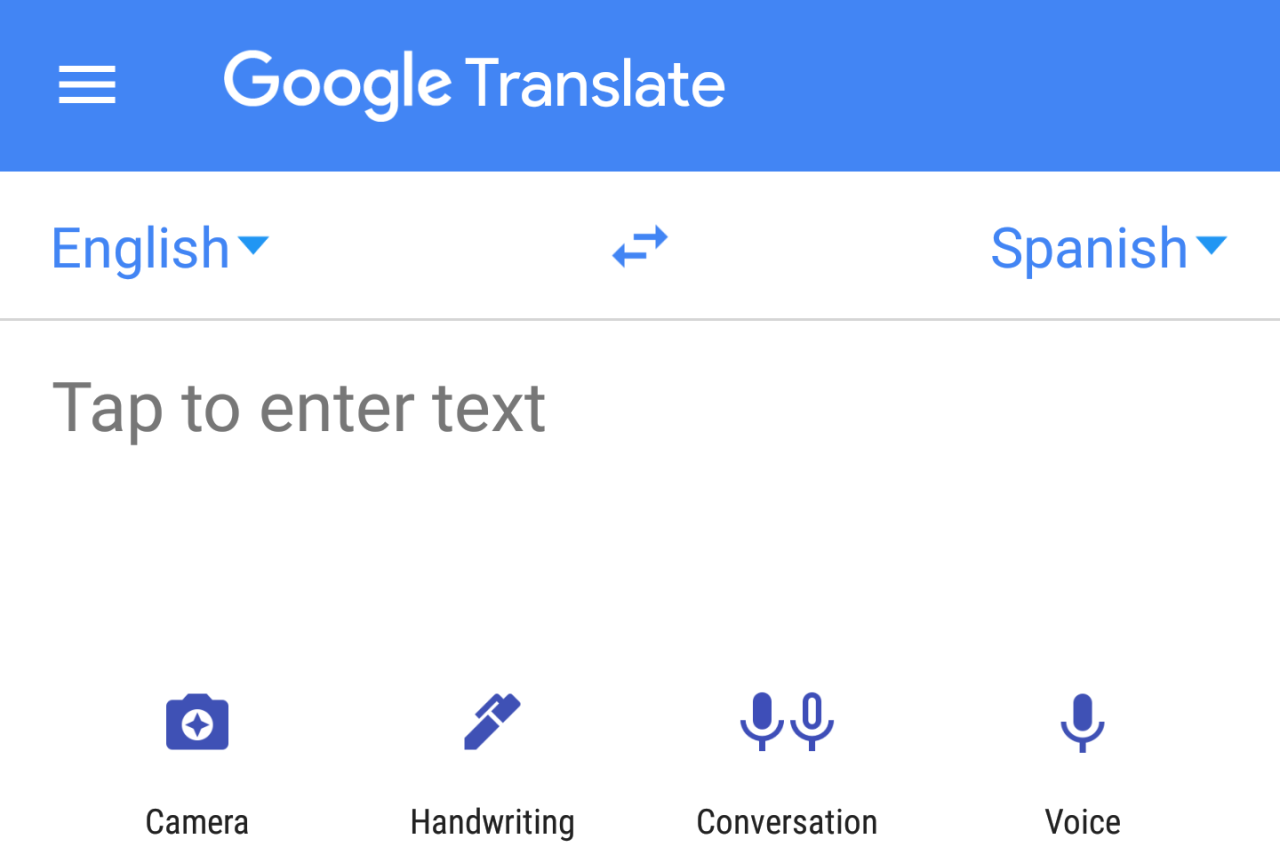
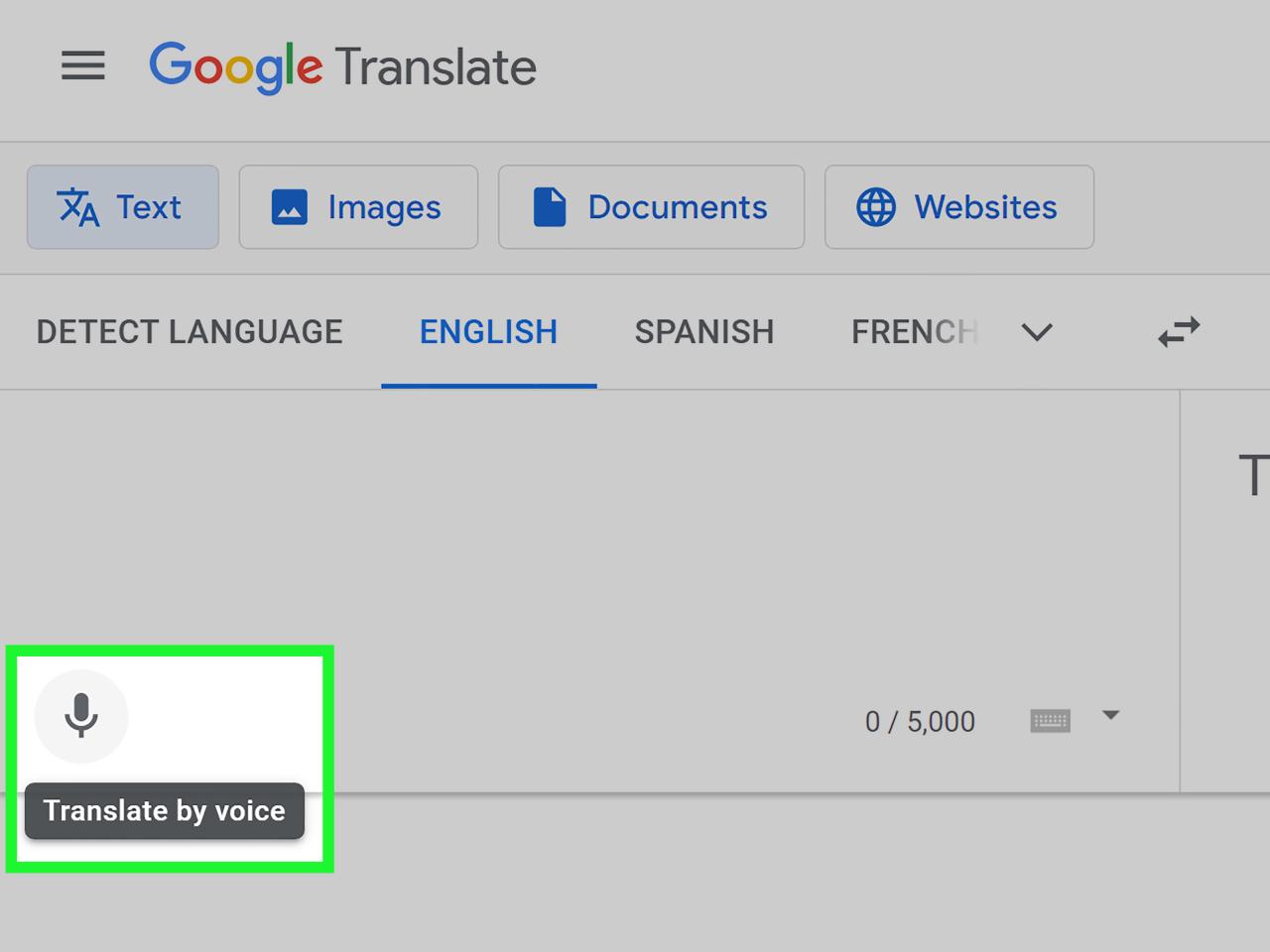
- Google Translate: A widely recognized and accessible service, Google Translate offers translation for over 100 languages through its web interface, mobile apps, and API. It supports text, document, website, and real-time conversation translation.
- DeepL Translator: Known for its high-quality, nuanced translations, particularly for European languages, DeepL utilizes a proprietary neural network architecture. It offers a web translator, desktop applications, and an API.
- Microsoft Translator: This service provides translation for a broad range of languages and integrates with various Microsoft products, including Office and Skype. It supports text, speech, and image translation, along with offline capabilities.
- Amazon Translate: As part of Amazon Web Services (AWS), Amazon Translate is a neural machine translation service that offers scalable and customizable translation for businesses. It supports a growing number of languages and can be integrated into applications.
- Systran Translate: With a long history in machine translation, Systran offers AI-powered translation solutions for enterprises, focusing on domain-specific translation and integration with existing workflows.
Comparative Overview of AI Translation Platforms
While many AI translation tools exist, their effectiveness can vary based on language pairs, text complexity, and specific use cases. Evaluating their strengths and weaknesses helps in selecting the most appropriate platform.
| Platform | Strengths | Weaknesses | Best For |
|---|---|---|---|
| Google Translate | Extensive language support, broad accessibility, free for basic use, real-time translation features. | Can sometimes produce literal or less nuanced translations for complex sentences or idiomatic expressions. | Everyday communication, quick understanding of text, general-purpose translation. |
| DeepL Translator | High accuracy and natural-sounding translations, especially for European languages, excellent handling of context and nuance. | Limited language support compared to Google Translate, free version has character limits. | Professional documents, creative writing, situations requiring high linguistic fidelity. |
| Microsoft Translator | Good integration with Microsoft ecosystem, offline translation capabilities, speech and image translation. | Translation quality can be comparable to Google Translate, sometimes less nuanced than DeepL for certain languages. | Business users within the Microsoft ecosystem, travel, multilingual conversations. |
| Amazon Translate | Scalable for enterprise use, customizable models for specific domains, robust API for developers. | Primarily targeted at businesses and developers, less user-friendly for casual users. | Integrating translation into applications, custom translation solutions for businesses. |
| Systran Translate | Focus on enterprise solutions, domain-specific translation, high security and customization options. | Can be more expensive and complex to implement for smaller users, less accessible for general public. | Large organizations, industries requiring specialized terminology, secure translation needs. |
User Interface and Accessibility of Popular Translation Applications
The usability and accessibility of AI translation tools are paramount for their widespread adoption. Most popular applications are designed with user-friendliness in mind, catering to a broad spectrum of technical proficiencies.
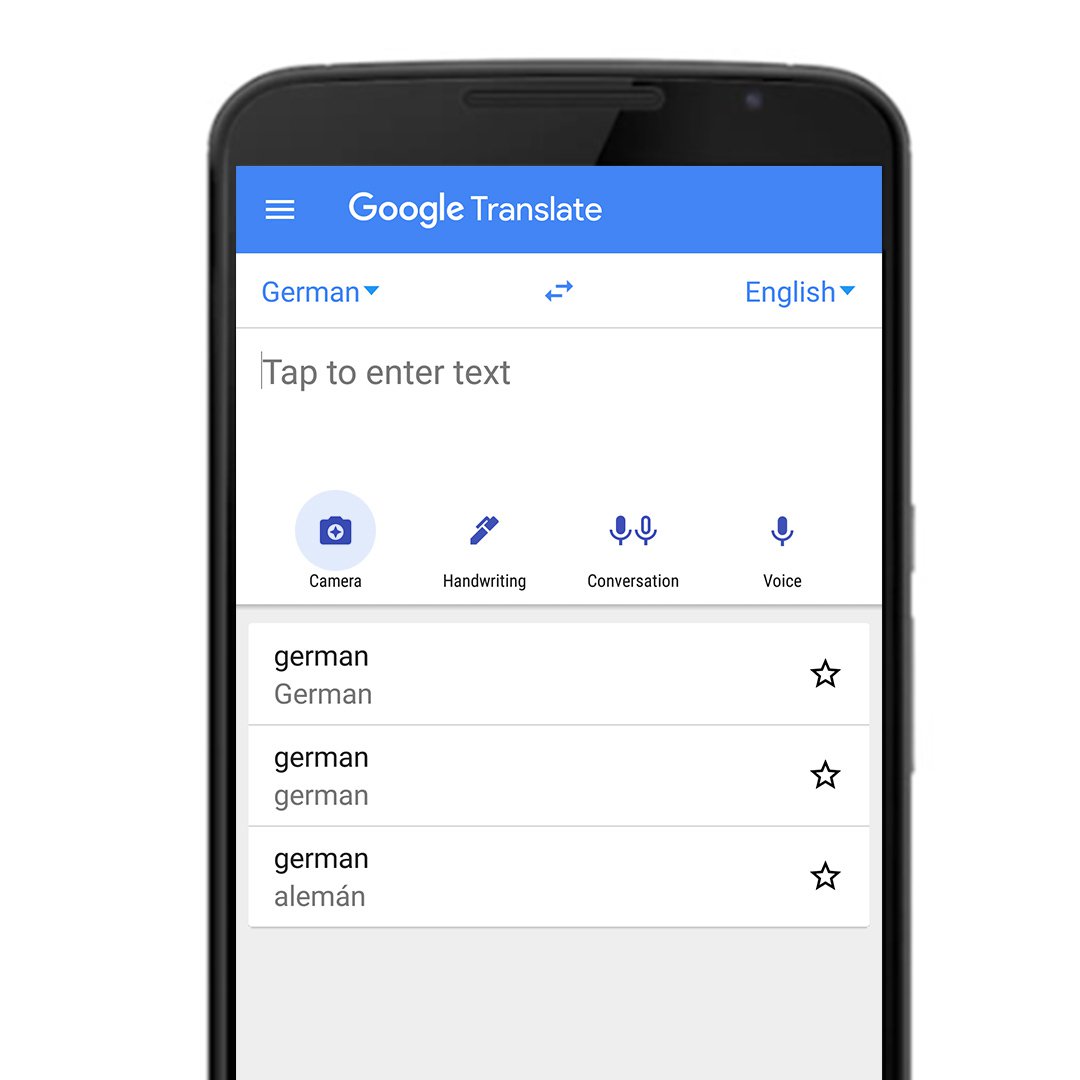
- Google Translate App: The mobile application features a clean, intuitive interface. Users can easily switch between languages, input text via typing or voice, and utilize features like camera translation (pointing the camera at text) and conversation mode for real-time spoken translation. Accessibility features include screen reader compatibility and adjustable text sizes.
- DeepL Translator Web and App: DeepL’s interface is minimalist and focused on the translation task. The web version presents two text boxes, one for input and one for output, with clear language selection. The desktop applications offer a similar streamlined experience. While DeepL emphasizes high-quality output, its accessibility features are generally standard for web and desktop applications.
- Microsoft Translator App: The app provides a clear layout with options for text, voice, and conversation translation. The conversation feature is particularly noteworthy, allowing multiple users to join a translated chat in real-time. It also offers offline language packs, enhancing accessibility for travelers without constant internet access.
Workflow for Translating a Document Using an AI Tool
Translating a document using an AI tool is a straightforward process that can significantly expedite multilingual communication. The following steps Artikel a typical workflow, applicable to most AI translation platforms.
- Select an AI Translation Platform: Choose a platform based on your needs, considering language pairs, accuracy requirements, and budget. For instance, if translating a complex legal document into German, DeepL might be preferred. For a quick understanding of a webpage in Japanese, Google Translate would suffice.
- Prepare Your Document: Ensure your document is in a compatible format (e.g., .docx, .pdf, .txt). For document translation features, the platform will typically guide you on supported file types. Clean up any formatting inconsistencies or errors in the original document to improve translation quality.
- Upload or Paste Text: Most platforms offer a direct document upload feature. Alternatively, you can copy and paste the text into the provided input field. For very large documents, you might need to break them into smaller sections if the platform has size limitations.
- Specify Source and Target Languages: Accurately identify the original language of your document (source language) and the language you wish to translate it into (target language). Many tools offer automatic language detection, but manual selection ensures accuracy.
- Initiate Translation: Click the “Translate” button or equivalent. The AI will then process the text and generate the translated output. This may take a few moments depending on the document’s length and the platform’s processing speed.
- Review and Edit: This is a critical step. AI translation is not always perfect. Thoroughly review the translated document for accuracy, grammatical errors, awkward phrasing, and cultural appropriateness. Make necessary edits to ensure the translation conveys the intended meaning precisely. For professional or critical documents, consider having a human linguist review the AI-generated translation.
- Download or Save: Once you are satisfied with the translated document, you can usually download it in various formats or copy the translated text for further use.
Mechanisms of AI Language Conversion
Artificial intelligence translates languages by dissecting the source text, understanding its nuances, and then reconstructing it in the target language. This complex process relies on sophisticated algorithms and vast amounts of data to achieve accuracy and fluency. Understanding these underlying mechanisms provides valuable insight into the capabilities and limitations of AI translation.The core of AI language conversion lies in its ability to process and interpret human language, a task that has historically been a significant challenge for machines.
Modern AI translation systems have made remarkable progress by leveraging advanced computational techniques and extensive linguistic resources.
Source Text Analysis for Meaning and Context
AI systems first break down the source text into manageable units, such as words or phrases. This initial segmentation is crucial for further processing. The AI then employs sophisticated Natural Language Processing (NLP) techniques to understand the grammatical structure, identify the parts of speech, and recognize the relationships between words within a sentence. Beyond mere grammar, the AI also strives to grasp the semantic meaning of words and phrases, considering potential ambiguities and multiple interpretations.
Context is paramount; the AI analyzes surrounding words, sentences, and even the broader document to disambiguate meanings and infer the intended message.A key aspect of this analysis involves:
- Tokenization: Dividing text into individual words or sub-word units.
- Part-of-Speech Tagging: Identifying the grammatical role of each word (noun, verb, adjective, etc.).
- Named Entity Recognition (NER): Identifying and classifying named entities like people, organizations, and locations.
- Dependency Parsing: Understanding the grammatical relationships between words in a sentence.
- Semantic Role Labeling: Identifying the “who did what to whom” within a sentence.
For instance, in the sentence “The bank is on the river bank,” an AI must analyze the context to understand that the first “bank” refers to a financial institution, while the second “bank” refers to the edge of a river.
The Role of Large Datasets and Training in Translation Accuracy
The performance of any AI translation system is intrinsically linked to the quality and quantity of the data it has been trained on. Large, diverse datasets comprising parallel texts (the same content in multiple languages) are essential for teaching the AI the intricate mappings between different linguistic structures and vocabularies. Through a process called machine learning, the AI identifies patterns, correlations, and translation equivalents from these datasets.
The more data the AI is exposed to, the better it becomes at recognizing nuances, idiomatic expressions, and context-specific meanings, thereby significantly improving translation accuracy.The training process can be understood through:
- Statistical Machine Translation (SMT): Historically, SMT models learned translation probabilities from large parallel corpora. They would analyze how often a word or phrase in one language corresponds to a word or phrase in another.
- Neural Machine Translation (NMT): This is the dominant approach today. NMT models, often based on deep learning architectures like Recurrent Neural Networks (RNNs) or Transformers, learn to map an input sequence (source language) to an output sequence (target language) by processing the entire sentence as a whole. This allows for a more fluid and contextually aware translation.
Consider the evolution from a simple word-for-word translation to the sophisticated sentence-level understanding achieved by NMT. This leap is directly attributable to the ability of neural networks to learn complex patterns from massive datasets, such as the millions of sentences available in the Europarl Corpus or the Common Crawl dataset.
Methods of Generating Target Language Output
Once the source text has been thoroughly analyzed, the AI system begins the process of generating the translated output in the target language. This involves more than just substituting words; it requires constructing grammatically correct and syntactically sound sentences that convey the original meaning. NMT models, for example, use a decoder component that, based on the encoded representation of the source text, predicts the most probable sequence of words in the target language, word by word, while considering the previously generated words.
This sequential prediction ensures grammatical coherence and natural flow.Key methods employed include:
- Attention Mechanisms: These allow the AI to focus on specific parts of the source sentence when generating each word in the target sentence, improving the handling of long sentences and complex dependencies.
- Beam Search: A decoding algorithm that explores multiple possible translation outputs simultaneously, selecting the most likely and fluent option.
- Language Modeling: The AI uses an internal understanding of the target language’s grammar and common phrasing to ensure the generated output is natural and idiomatic.
For example, when translating “I am going to the store” into French, an AI must correctly select the appropriate verb conjugation (“je vais”), prepositions (“au”), and gender agreement for the noun (“magasin”). This is achieved through the learned patterns from vast French text data.
Approaches for Translating Between Different Language Families
Translating between languages that belong to different families presents unique challenges due to significant structural and conceptual divergences. AI systems adapt their approaches based on the linguistic characteristics of the source and target languages. For instance, translating between Indo-European languages like English and Spanish often involves mapping similar grammatical structures, albeit with differences in verb conjugations and gender agreement. However, translating between a highly agglutinative language like Turkish and an analytic language like English requires the AI to handle drastically different ways of conveying grammatical information.
| Language Family Example | Key Translation Challenges | AI Adaptation Strategies |
|---|---|---|
| Indo-European (e.g., English to German) | Case systems, word order variations, gendered nouns | Learning grammatical rules and word order transformations through parallel corpora. |
| Sino-Tibetan (e.g., Mandarin Chinese to English) | Absence of verb conjugations, use of classifiers, different sentence structures | Focusing on semantic equivalence, word sense disambiguation, and reordering sentence elements. |
| Afro-Asiatic (e.g., Arabic to English) | Root-and-pattern morphology, different script, right-to-left writing | Developing specialized tokenization and morphological analysis for Semitic languages. |
The AI’s ability to learn these cross-linguistic transformations is a testament to the power of its underlying neural architectures and the breadth of its training data, which ideally includes diverse language pairs.
Applications and Use Cases of AI Translation
Artificial intelligence has revolutionized language translation, moving beyond simple word-for-word conversions to nuanced and contextually aware communication. This advancement opens up a vast array of practical applications that bridge linguistic divides across personal, professional, and societal spheres. AI translation is not merely a tool for convenience; it is a powerful catalyst for global connectivity and understanding.The pervasive influence of AI translation is reshaping how individuals and organizations interact on a global scale.
By breaking down language barriers, it fosters greater collaboration, expands market reach, and democratizes access to information. This section explores the diverse landscapes where AI translation is making a significant impact and provides actionable insights for its effective utilization.
Enhancing Global Communication and Business Operations
AI translation plays a pivotal role in facilitating seamless communication and optimizing business operations in an increasingly interconnected world. It allows companies to engage with international customers, partners, and employees more effectively, leading to improved relationships and expanded opportunities.The impact of AI translation on global communication is profound. It enables real-time conversations across different languages, breaking down the isolation that language differences can impose.
For businesses, this translates into several key benefits:
- International Market Expansion: Companies can localize their websites, marketing materials, and customer support in multiple languages, reaching a broader audience without the prohibitive costs of traditional translation services.
- Streamlined Cross-Border Collaboration: Teams distributed across different countries can communicate and collaborate more efficiently, sharing documents, participating in meetings, and managing projects with fewer linguistic impediments.
- Improved Customer Service: AI-powered chatbots and translation tools can provide instant support to customers in their native languages, enhancing customer satisfaction and loyalty.
- Global E-commerce Growth: Online retailers can offer product descriptions and purchasing interfaces in numerous languages, making it easier for international consumers to shop on their platforms.
Industry-Specific Adoption of AI Translation
Certain industries, due to their inherently global nature or the critical need for rapid information dissemination, have become particularly reliant on AI translation. These sectors leverage AI to overcome significant linguistic challenges and maintain operational efficiency.The adoption of AI translation is not uniform; some sectors are at the forefront of its implementation due to their specific needs:
- Technology and Software: Companies developing software and digital products must often translate user interfaces, documentation, and support materials for a worldwide user base. AI translation accelerates this process, allowing for quicker product launches in new markets.
- Media and Entertainment: The global distribution of films, television shows, and news content benefits immensely from AI-powered subtitling and dubbing, making content accessible to a wider international audience almost instantaneously.
- Healthcare: In a globalized healthcare system, AI translation assists in translating medical records, research papers, and patient information, crucial for international patient care and the sharing of medical knowledge.
- Travel and Tourism: This industry relies heavily on AI translation for website localization, booking platforms, and in-destination services, ensuring travelers can navigate and interact with services in foreign countries with ease.
- Legal and Financial Services: While human oversight remains critical for complex legal and financial documents, AI translation can provide initial drafts and expedite the understanding of foreign language contracts, reports, and communications.
Leveraging AI Translation in Daily Life
Beyond large-scale business and industry applications, AI translation offers numerous practical benefits for individuals in their everyday activities. These tools empower people to connect with others, access information, and navigate unfamiliar environments more confidently.Individuals can harness the power of AI translation in various aspects of their personal lives:
- Personal Communication: Engage in conversations with friends, family, or new acquaintances who speak different languages through real-time translation apps or messaging platforms.
- Travel Assistance: Navigate foreign countries by translating signs, menus, and conversations with locals using mobile translation applications. This significantly enhances the travel experience and reduces potential misunderstandings.
- Learning and Education: Access educational resources, articles, and online courses available in foreign languages. AI translation can make a wealth of knowledge accessible to a broader audience.
- Cultural Exploration: Understand foreign literature, films, and online content by translating text or audio, fostering a deeper appreciation for different cultures.
- Online Shopping and Research: Browse international websites, compare products, and read reviews in languages you don’t understand, opening up a wider range of options and information.
To effectively integrate AI translation into your daily routine, consider these practical tips:
- Choose the Right Tool: Familiarize yourself with different AI translation platforms and apps. Some are better suited for text, others for speech, and some offer specialized features like document translation.
- Understand Context is Key: While AI is advanced, it can still struggle with nuance, idioms, and slang. For critical communications, always review and refine the AI-generated translation.
- Utilize Speech-to-Text and Text-to-Speech: Combine these features for seamless spoken conversations. Speak into your device, have it translated, and then spoken aloud in the target language.
- Translate Documents in Chunks: For longer documents, translating them section by section can sometimes yield more accurate results and make review easier.
- Learn Basic Phrases: AI translation is a fantastic supplement, but learning a few key phrases in the local language can greatly enhance your interactions and show respect.
- Be Patient and Adaptable: AI translation is constantly improving. Be prepared for occasional inaccuracies and use your judgment to ensure the message is conveyed correctly.
Challenges and Future of AI Translation
While AI translation has made remarkable strides, it’s essential to acknowledge its current limitations and the ongoing journey towards perfection. Understanding these challenges is key to appreciating both the power of today’s tools and the exciting possibilities that lie ahead. This section delves into the inherent complexities of language that AI still grapples with, the ethical landscape it navigates, and the dedicated research pushing its boundaries.The field of AI translation is a dynamic one, constantly evolving to overcome inherent obstacles and unlock new potentials.
From nuanced cultural contexts to the very fabric of human expression, the path to truly seamless translation is paved with continuous innovation.
Limitations and Potential Inaccuracies in Current AI Translation
Despite significant advancements, AI translation systems are not infallible and can exhibit limitations that lead to potential inaccuracies. These inaccuracies often stem from the inherent complexity and ambiguity of human language, which AI models, while sophisticated, may not fully grasp.
- Idiomatic Expressions and Cultural Nuances: AI can struggle with idioms, metaphors, and culturally specific phrases that do not have direct literal translations. For example, translating “break a leg” literally into another language would result in a nonsensical or even alarming statement. Similarly, humor, sarcasm, and subtle cultural references can be misinterpreted or lost in translation.
- Contextual Ambiguity: Many words and phrases have multiple meanings depending on the surrounding text. AI models may select the wrong meaning if the context is not sufficiently clear or if the model has not been trained on a vast enough dataset that covers all possible interpretations.
- Domain-Specific Jargon: While general-purpose AI translators are improving, highly technical or specialized jargon within fields like law, medicine, or advanced science can still pose a challenge. The precise terminology and specific grammatical structures used in these domains require extensive, specialized training data.
- Low-Resource Languages: AI translation models perform best for languages with abundant digital text data available for training. Languages with fewer digital resources, often referred to as “low-resource languages,” tend to have less accurate translations due to a lack of comprehensive training data.
- Grammatical and Syntactical Errors: While often producing grammatically correct sentences, AI can sometimes generate awkward phrasing, incorrect verb conjugations, or misplaced modifiers, particularly in complex sentence structures or when translating between languages with very different grammatical rules.
Ethical Considerations Surrounding AI Translation
The increasing reliance on AI for translation brings forth several important ethical considerations that require careful attention and ongoing dialogue. These issues touch upon fairness, transparency, and the impact on human professionals.
- Bias in Training Data: AI models learn from the data they are trained on. If this data contains societal biases (e.g., gender stereotypes, racial prejudices), these biases can be replicated and even amplified in the translations produced by the AI. For instance, if a dataset disproportionately associates certain professions with one gender, the AI might consistently translate job titles in a gender-biased manner.
- Job Displacement for Human Translators: The growing capability of AI translation raises concerns about the future employment of human translators. While AI can handle high volumes of text quickly, the nuanced understanding, cultural insight, and creativity of human translators remain invaluable for critical and sensitive content.
- Data Privacy and Security: When using online AI translation tools, users often input sensitive or confidential information. Ensuring the privacy and security of this data, and understanding how it is stored and used by the AI providers, is a critical ethical concern.
- Accountability for Errors: In situations where translation errors have significant consequences (e.g., in legal documents, medical instructions, or international diplomacy), determining accountability can be complex. It is crucial to establish clear lines of responsibility when AI-generated translations are used.
- Impact on Linguistic Diversity: There is a concern that over-reliance on AI translation for dominant languages might inadvertently marginalize or reduce the use and development of less common languages, further impacting global linguistic diversity.
Ongoing Research and Development for Enhanced AI Translation
The pursuit of more accurate, nuanced, and context-aware AI translation is a vibrant area of research, with numerous initiatives focused on overcoming current limitations and unlocking new frontiers.
- Neural Machine Translation (NMT) Advancements: Researchers are continuously refining NMT models, exploring new architectures like Transformers and incorporating attention mechanisms to better capture long-range dependencies within text. This allows models to understand the relationships between words across an entire sentence or even document.
- Context-Aware and Adaptive Translation: Significant effort is being directed towards developing AI systems that can better understand and adapt to specific contexts, including the domain of the text, the intended audience, and the user’s prior interactions. This involves training models on more diverse and specialized datasets and developing methods for real-time adaptation.
- Multimodal Translation: Future AI translation systems are expected to go beyond text, incorporating visual and auditory cues. For instance, translating spoken language in a video while also understanding the visual context to improve accuracy and naturalness.
- Low-Resource Language Support: Techniques such as transfer learning, few-shot learning, and unsupervised machine translation are being developed to improve translation quality for languages with limited available data. This involves leveraging knowledge gained from high-resource languages to assist in translating low-resource ones.
- Human-in-the-Loop Systems: Research is also focusing on creating more effective collaborations between AI and human translators. This includes developing interfaces that allow humans to easily correct and guide AI models, thereby improving accuracy and efficiency in a symbiotic workflow.
- Explainable AI (XAI) for Translation: Efforts are underway to make AI translation processes more transparent, allowing users to understand why a particular translation was generated. This can help in identifying and correcting errors more effectively and building greater trust in the technology.
Future Trajectory of AI Language Conversion Technology
The future of AI language conversion technology promises a world where communication barriers are significantly diminished, fostering greater global understanding and collaboration. The trajectory points towards more intuitive, pervasive, and sophisticated translation capabilities.The evolution of AI translation is not merely about improving accuracy; it’s about fundamentally changing how we interact with information and each other across linguistic divides. We can anticipate a future where translation is seamlessly integrated into our daily lives, becoming an invisible yet powerful facilitator of global connection.
| Key Development Area | Projected Impact | Example Scenario |
|---|---|---|
| Ubiquitous Real-time Translation | Instantaneous translation across all communication channels, including spoken conversations, video calls, and written messages, with minimal latency. | Imagine a business meeting where participants speaking different languages converse fluently, with real-time, natural-sounding translations delivered directly to their earbuds. |
| Hyper-Personalized Translation | AI models that learn individual user preferences, communication styles, and domain-specific vocabulary to deliver highly tailored translations. | A medical professional could receive patient records translated in a style and terminology that perfectly matches their specific medical specialization and previous patient interactions. |
| Cross-Modal Translation Integration | Seamless translation that integrates text, audio, and visual information, leading to richer and more accurate interpretations. | Watching a foreign film would involve not just translated dialogue but also contextual understanding derived from visual cues, ensuring that subtle nuances and cultural references are preserved. |
| Enhanced Creative and Literary Translation | AI assisting in the translation of complex literary works, poetry, and creative content, preserving stylistic elements and emotional impact. | Poets and novelists might use AI tools to explore different stylistic translations of their work, helping them reach wider international audiences while maintaining the artistic integrity of their creations. |
| Ethical AI Translation Frameworks | Development of robust ethical guidelines and mechanisms to ensure fairness, transparency, and mitigate bias in AI translation systems. | Independent audits and certifications for AI translation services to guarantee that they adhere to strict ethical standards, particularly in sensitive applications like legal or governmental communication. |
Practical Implementation of AI Translation
The integration of AI translation into daily tasks and applications has become increasingly accessible, transforming how we communicate across linguistic barriers. This section explores the practical steps and methods for leveraging AI for various translation needs, from quick phrases to complex documents and real-time conversations.AI translation tools are designed for user-friendliness, allowing individuals and businesses to harness their power with minimal technical expertise.
Whether you need to understand a foreign website, communicate with an international client, or simply translate a personal message, AI offers efficient and effective solutions.
Translating Short Phrases and Sentences Using AI
Translating brief text segments is one of the most common and straightforward applications of AI translation. These tools excel at quickly providing accurate renditions of short messages, enabling immediate understanding and response.The process typically involves the following steps:
- Access an AI translation tool. This could be a dedicated website, a mobile app, or a feature within another application.
- Input the text to be translated. This is usually done by typing directly into a text box or pasting pre-existing text.
- Select the source language (the language of the original text) and the target language (the language you want the text translated into). Many tools can auto-detect the source language.
- Initiate the translation process by clicking a “Translate” button or a similar command.
- Review the translated output. AI translations are generally very good for short phrases, but it’s always wise to read the result to ensure it makes sense in context.
For example, if you need to translate “Where is the train station?” into Spanish, you would input this phrase, select English as the source and Spanish as the target, and the AI would provide “Dónde está la estación de tren?”.
Integrating AI Translation Features into Web Browsers and Applications
Modern web browsers and many applications offer built-in or easily installable AI translation features, streamlining the experience of interacting with content in different languages. This integration allows for seamless translation without the need to switch between different platforms.Web browser integration typically occurs through extensions or built-in functionalities:
- Browser Extensions: Numerous third-party extensions are available for popular browsers like Chrome, Firefox, and Edge. After installation, these extensions can automatically detect when a webpage is in a foreign language and offer to translate it with a single click. Some extensions also allow for on-demand translation of selected text snippets by right-clicking.
- Built-in Browser Features: Major browsers like Google Chrome have native translation capabilities. When you visit a page in a language other than your browser’s default, a prompt often appears at the top of the page, asking if you wish to translate it. This feature leverages powerful AI models to render the entire page content in your preferred language.
For application integration, developers can utilize Application Programming Interfaces (APIs) provided by AI translation service providers. These APIs allow developers to embed translation functionalities directly into their software, enabling users to translate text, documents, or messages within the application’s interface. For instance, a messaging app could use an AI translation API to allow users to send and receive messages in different languages, with the translation happening automatically in the background.
Methods for Translating Spoken Language in Real-Time Using AI
Real-time spoken language translation, often referred to as live translation or speech translation, is a powerful application of AI that facilitates spontaneous conversations between people speaking different languages. This technology is invaluable for travelers, international business meetings, and global collaborations.The core mechanism involves a sequence of AI processes:
- Speech Recognition (ASR): The AI first converts the spoken audio from the source language into text. Advanced ASR systems are capable of handling various accents, background noise, and speaking speeds.
- Machine Translation (MT): The recognized text is then processed by a machine translation engine, which converts it into the target language.
- Text-to-Speech (TTS): Finally, the translated text is converted back into spoken audio in the target language, which is then played to the listener.
Real-world examples include:
- Mobile Translation Apps: Apps like Google Translate and Microsoft Translator offer a “conversation mode” where two people can speak into their phones, and the app will translate and speak out the dialogue in real-time.
- Smart Earbuds: Some advanced earbuds incorporate AI translation capabilities, allowing users to hear spoken foreign languages translated directly into their ears as they are spoken.
- Video Conferencing Tools: Platforms like Zoom and Microsoft Teams are increasingly integrating live captioning and translation features, displaying translated subtitles for spoken dialogue during meetings.
The accuracy and latency of these systems are continuously improving, making them increasingly practical for a wide range of interpersonal communication scenarios.
Translating Longer Texts, Such as Articles or Emails
Translating longer documents or extensive written communications requires a more robust approach than simply translating a few sentences. AI translation tools are well-equipped to handle these tasks, providing efficient ways to understand and process large volumes of text.A basic procedure for translating longer texts involves:
- Document Upload or Pasting: For articles, reports, or lengthy emails, users can typically upload the entire document file (e.g., .docx, .pdf) or paste the text content into a dedicated translation interface. Many platforms support a wide range of file formats.
- Language Selection: As with shorter texts, specifying the source and target languages is crucial. Some advanced tools can also detect the document’s language automatically.
- Initiating the Translation: The AI engine then processes the entire text, sentence by sentence or paragraph by paragraph, to generate the translated version. This may take a few moments depending on the document’s length and the server load.
- Review and Editing: While AI translation for long texts is highly advanced, it is rarely perfect. For critical documents, a human review and editing process is recommended to ensure accuracy, nuance, and appropriate tone. This is particularly important for legal, medical, or marketing content where precision is paramount.
- Formatting Preservation: Many professional AI translation platforms strive to preserve the original document’s formatting, including headings, paragraphs, and lists, in the translated output.
For instance, a business professional needing to translate a lengthy market research report from German to English would upload the PDF to a service like DeepL or Google Translate’s document translation feature. The AI would then provide a translated version of the report, which the professional could then review for accuracy before sharing it with their team. Similarly, translating a long email thread in French to English can be done by copying and pasting the entire thread into a translation tool, ensuring all parts of the conversation are understood.
Evaluating AI Translation Quality
Assessing the quality of AI-generated translations is a critical step in determining their suitability for various applications. While AI translation has advanced significantly, its output is not always perfect and requires careful evaluation to ensure accuracy, fluency, and appropriateness for the intended context. This section delves into the multifaceted aspects of evaluating AI translation quality, from understanding what constitutes a “good” translation to practical methods for verification.The perceived quality of AI-generated translations is influenced by a combination of linguistic accuracy, stylistic appropriateness, and cultural relevance.
A high-quality translation should not only convey the literal meaning of the source text but also capture its nuances, tone, and intent. Furthermore, it should read naturally in the target language, as if it were originally written by a native speaker. Factors such as domain specificity, the complexity of the source text, and the language pair also play a significant role in how accurately and fluently an AI can translate.
Factors Influencing Perceived Translation Quality
The effectiveness of an AI translation is judged by several key elements that contribute to its overall quality. These elements ensure that the translated text is not only understandable but also effective in its communication goals.
- Accuracy: The degree to which the translation faithfully represents the meaning of the source text. This includes correct terminology, grammatical structures, and factual information.
- Fluency: How natural and idiomatic the translation sounds in the target language. A fluent translation avoids awkward phrasing, unnatural word order, and grammatical errors that would be uncommon for a native speaker.
- Tone and Style: The preservation of the original text’s emotional coloring, formality, and stylistic characteristics. For instance, a humorous text should remain humorous, and a formal document should maintain its professional tone.
- Cultural Appropriateness: Ensuring that cultural references, idioms, and expressions are translated in a way that is understandable and appropriate for the target audience, avoiding potential misunderstandings or offense.
- Domain Specificity: The AI’s ability to handle specialized vocabulary and concepts within a particular field, such as legal, medical, or technical domains.
Common Errors in AI Translation and Their Causes
Despite advancements, AI translation systems can still produce errors. Understanding these common pitfalls and their underlying causes is essential for effective evaluation and improvement.
- Lexical Ambiguity: AI may misinterpret words with multiple meanings, selecting the wrong translation based on context. This often occurs when the context is subtle or ambiguous.
- Grammatical Errors: While AI has improved in grammar, it can still produce sentences with incorrect syntax, verb conjugations, or agreement, especially in complex sentence structures or languages with significantly different grammatical rules.
- Idiomatic Expressions and Slang: Literal translations of idioms or slang often result in nonsensical or humorous outputs, as their meaning is not derived from the individual words.
- Omission or Addition of Information: AI might sometimes omit crucial details or add information that was not present in the source text, leading to inaccuracies.
- Over-generalization: AI models might apply translation rules too broadly, failing to account for exceptions or specific contextual nuances.
- Lack of Cohesion and Coherence: Translated sentences might be individually correct but fail to connect logically, resulting in a disjointed or difficult-to-follow text.
Techniques for Verifying AI Translation Accuracy and Naturalness
To ensure AI translations meet the required standards, several verification techniques can be employed. These methods range from manual review to leveraging other AI tools.
- Human Post-Editing: This is the most reliable method, where a human linguist reviews and corrects the AI-generated translation. Post-editors check for accuracy, fluency, tone, and cultural appropriateness.
- Back-Translation: Translating the AI output back into the source language using a different translation system or a human translator. Comparing the back-translated text with the original source can highlight significant meaning shifts.
- Comparison with Reference Translations: If existing high-quality human translations are available for similar content, they can serve as a benchmark for evaluating the AI’s output.
- Using Multiple AI Tools: Comparing translations from different AI platforms for the same text can reveal discrepancies and help identify potential areas of weakness or strength for each tool.
- Automated Quality Estimation (QE) Tools: These tools, often AI-powered themselves, predict the quality of a translation without requiring a human reference translation. They analyze features of the translation and source text to estimate potential errors.
- Target Audience Feedback: For public-facing content, obtaining feedback from native speakers within the target audience is invaluable for assessing naturalness and cultural resonance.
Criteria for Assessing AI Translation Suitability
Determining whether an AI translation is suitable for a specific purpose requires a set of clear evaluation criteria tailored to the intended use case.
| Purpose/Use Case | Key Evaluation Criteria | Acceptable Quality Level |
|---|---|---|
| Gisting/Informal Understanding: Quickly understanding the main points of a document. | Basic accuracy of key information, comprehension of overall meaning. | High tolerance for minor grammatical errors and less natural phrasing, as long as the core message is clear. |
| Internal Business Communication: Non-critical internal memos, emails, or documentation. | Reasonable accuracy, good readability, and adequate fluency. | Minor errors acceptable if they do not impede understanding or professionalism. Post-editing may be minimal. |
| Customer Support (Chatbots/FAQs): Providing immediate responses to customer queries. | High accuracy in understanding customer intent, clear and direct answers, and generally natural language. | Minimal errors, especially those that could lead to misunderstanding or frustration. Fluency is important for a positive user experience. |
| Website Content/Marketing Materials: Public-facing content intended to engage and inform a broad audience. | Excellent accuracy, high fluency, natural tone, cultural appropriateness, and adherence to brand voice. | Requires near-perfect quality, often necessitating thorough human post-editing to ensure brand reputation and effective communication. |
| Legal or Medical Documents: Highly sensitive and critical documents where precision is paramount. | Absolute accuracy in terminology, meaning, and intent. No room for ambiguity or error. | Only fully human-translated or meticulously post-edited AI translations are acceptable. AI may be used for initial drafts, but rigorous human review is mandatory. |
AI Translation for Specific Content Types
Artificial intelligence has revolutionized language translation, moving beyond a one-size-fits-all approach to cater to the distinct requirements of various content forms. The effectiveness of AI translation is significantly influenced by the nature of the text, requiring specialized models and approaches to handle nuances across different domains. Understanding these distinctions is key to leveraging AI translation for optimal results.The adaptability of AI translation systems stems from their training on vast and diverse datasets.
These datasets often include specialized corpora, allowing AI models to learn the specific terminology, sentence structures, and stylistic conventions prevalent in different fields. This enables AI to perform with greater accuracy and appropriateness when translating technical manuals, creative prose, legal documents, or casual conversations.
AI Adaptation to Technical and Creative Content
Technical documents, such as user manuals, scientific papers, and engineering specifications, demand precision and consistency in terminology. AI models trained on specialized technical glossaries and industry-specific language can accurately translate complex jargon and maintain the intended meaning without ambiguity. For instance, a medical AI translator will recognize and correctly translate terms like “myocardial infarction” or “gene sequencing,” which a general-purpose translator might struggle with.Conversely, creative writing, including literature, poetry, and marketing copy, presents a different set of challenges.
Here, the focus shifts from literal accuracy to capturing tone, emotion, style, and artistic intent. While AI is continuously improving, translating figurative language, metaphors, and subtle humor often requires a deeper understanding of cultural context and human creativity. Advanced AI models are being developed to analyze sentiment and stylistic elements, aiming to preserve the artistic essence of the original work, though human oversight remains crucial for highly nuanced creative pieces.
Translating Idiomatic Expressions and Cultural References
Idiomatic expressions and cultural references are particularly challenging for AI translation because they are deeply embedded in the source language’s culture and context. These phrases often do not have a direct literal translation and rely on shared understanding within a community. For example, the English idiom “break a leg” means “good luck” and would be nonsensical if translated literally into many other languages.AI translation tools are increasingly being equipped with large databases of idiomatic expressions and their equivalents in other languages.
These systems can identify common idioms and suggest contextually appropriate translations. However, for less common or highly specific cultural references, AI may still falter, sometimes providing literal translations that miss the intended meaning or offering awkward, unnatural phrasing. This highlights the ongoing need for human review, especially when dealing with sensitive or culturally rich content.
AI Translation Effectiveness for Formal Versus Informal Communication
The effectiveness of AI translation varies significantly between formal and informal communication. For formal contexts, such as business correspondence, academic papers, or legal documents, AI translation often performs commendably. This is because formal language tends to be more structured, uses standardized vocabulary, and adheres to grammatical rules, which AI models excel at processing. The consistency and accuracy of AI in these settings can significantly speed up workflows and reduce translation costs.Informal communication, such as social media posts, text messages, or casual conversations, presents a greater challenge.
Informal language is characterized by slang, abbreviations, emojis, grammatical inconsistencies, and a reliance on shared context. While AI is improving its ability to understand and translate such content, it can still struggle with the fluidity and subjective nature of informal discourse. Literal translations of slang or misinterpretations of emoji usage can lead to misunderstandings. Therefore, while AI can provide a basic understanding of informal texts, human interpretation is often necessary for accurate and nuanced comprehension.
Preparing Content for Optimal AI Translation Results
To maximize the effectiveness of AI translation, careful content preparation is essential. By structuring and refining your source material, you can significantly improve the accuracy and naturalness of the translated output.Here is a guide to preparing content for AI translation:
- Clarity and Simplicity: Use clear, concise sentences and avoid overly complex grammatical structures. Break down long sentences into shorter, more manageable ones.
- Standardized Terminology: For technical or specialized content, ensure consistent use of terminology. Create a glossary of key terms and their preferred translations if possible. This can be fed into some AI translation platforms for improved consistency.
- Avoid Ambiguity: Rephrase sentences that could have multiple interpretations. Ensure pronouns have clear antecedents.
- Contextual Information: Provide as much context as possible for the AI. For instance, if translating a document, specifying the target audience or the purpose of the translation can help the AI make more appropriate choices.
- Proofread Source Material: Errors in the source text, such as typos or grammatical mistakes, can be amplified by AI translation. Ensure the source content is as error-free as possible.
- Handle Idioms and Cultural References Carefully: If using idioms or cultural references, consider whether they have direct equivalents in the target language. If not, it may be better to rephrase them more universally or provide a brief explanation.
- Format for Readability: Use headings, bullet points, and other formatting elements to break up text and make it easier to read. This can also help AI parsers understand the structure of the content.
By following these guidelines, users can significantly enhance the quality of AI-generated translations, making the process more efficient and the results more reliable.
Ultimate Conclusion
As we conclude our exploration of how to translate languages with ai, it’s clear that this technology offers unparalleled opportunities for global connection and understanding. By demystifying the mechanisms, acknowledging the limitations, and embracing the potential, we can harness AI translation to foster more inclusive and efficient communication worldwide. The journey of AI in language conversion is dynamic, promising even more sophisticated and nuanced translations in the years to come, fundamentally reshaping our interactions on a global scale.