Embarking on the journey of how to plan budget meals with ai offers a revolutionary approach to managing your household expenses while ensuring delicious and nutritious food. This guide delves into the fundamental principles of leveraging intelligent systems to create cost-effective meal plans, transforming the often daunting task of budgeting into an accessible and efficient process.
We will explore how these advanced tools can analyze your preferences, dietary needs, and available ingredients to generate personalized meal suggestions, helping you navigate common challenges like food waste and overspending. By understanding the core concepts and key features of AI-powered meal planning, you can unlock significant savings and streamline your grocery shopping, making healthy eating more attainable than ever before.
Understanding the Core Concept of AI-Assisted Budget Meal Planning
The integration of Artificial Intelligence (AI) into our daily lives is rapidly transforming how we approach various tasks, and meal planning is no exception. AI-assisted budget meal planning leverages intelligent systems to streamline the process of creating affordable and nutritious meal plans, making it more accessible and efficient for individuals and families. This approach moves beyond traditional manual methods, offering dynamic solutions tailored to specific financial constraints and dietary preferences.At its core, AI-assisted budget meal planning involves using algorithms and machine learning to analyze vast amounts of data related to food costs, nutritional information, recipes, and user-specific parameters.
These systems can process user input, such as income, household size, dietary restrictions, and preferred cuisines, to generate personalized meal suggestions. This intelligent processing ensures that the generated plans are not only cost-effective but also align with individual needs and tastes, thereby addressing common hurdles in budget-conscious eating.
Fundamental Principles of Intelligent Systems for Meal Budgeting
Intelligent systems for meal budgeting operate on several key principles that differentiate them from conventional planning methods. These systems are designed to learn and adapt, providing a continuously optimized experience for the user.
- Data Analysis and Pattern Recognition: AI algorithms excel at processing large datasets. In meal planning, this means analyzing grocery prices from various retailers, seasonal produce availability, and the cost-effectiveness of different protein sources. By recognizing patterns in these data, AI can identify the most economical ingredients and meal combinations.
- Personalization and Customization: Unlike generic budget meal plans, AI-powered tools can be highly personalized. Users input their specific dietary needs (e.g., vegetarian, gluten-free, low-sodium), allergies, cooking skill levels, and even the number of people to feed. The AI then tailors recommendations to fit these precise requirements.
- Predictive Capabilities: Some advanced AI systems can predict future price fluctuations of certain food items based on historical data and market trends. This foresight allows users to plan their grocery shopping strategically, taking advantage of predicted sales or avoiding peak-season price hikes.
- Nutritional Optimization: Beyond just cost, AI can ensure that budget-friendly meals are also nutritionally balanced. By cross-referencing ingredient costs with their nutritional profiles, AI can suggest affordable sources of essential vitamins, minerals, and macronutrients, promoting healthier eating habits within a budget.
Processing User Input for Meal Suggestions
The efficacy of AI-assisted meal planning hinges on its ability to interpret and act upon user-provided information. This input serves as the foundation upon which personalized meal suggestions are built.The process typically begins with a user profile setup. This involves answering a series of questions or selecting options that define their parameters. For instance, a user might specify:
- Budgetary Constraints: A weekly or monthly food budget (e.g., $100 per week for a family of four).
- Household Demographics: Number of adults and children, ages of children (influences portion sizes and nutritional needs).
- Dietary Preferences and Restrictions: Vegetarian, vegan, pescatarian, allergies (e.g., nuts, dairy), intolerances (e.g., lactose), and medical diets (e.g., diabetic, low-FODMAP).
- Cuisine Preferences: Preferred types of food (e.g., Italian, Mexican, Asian, comfort food).
- Cooking Habits: Available cooking time per meal, preferred cooking methods, and kitchen equipment.
- Pantry Staples: Ingredients already on hand that the AI can incorporate to reduce waste and cost.
Once this information is gathered, the AI system processes it through its algorithms. It cross-references these inputs with its extensive databases of recipes, ingredient costs, and nutritional values. The AI then generates a list of meal options, often presented as a weekly or daily plan, complete with recipes, shopping lists, and estimated costs. For example, if a user indicates a preference for quick meals and a budget of $75 for two people, the AI might suggest recipes like lentil soup with whole-wheat bread, chicken stir-fry with brown rice, and bean burritos, all while ensuring the total cost stays within the specified budget.
Common Challenges in Budget Meal Planning and AI Solutions
Individuals often encounter several recurring challenges when attempting to plan budget-friendly meals. AI-assisted tools offer innovative solutions to overcome these common obstacles.
- Time Constraints: Many people struggle to find the time to research recipes, compare prices, and create shopping lists. AI can automate this entire process, generating a plan in minutes. For example, an AI might suggest a week’s worth of meals in under 10 minutes, including a categorized shopping list.
- Repetitive Meals: Sticking to a budget can sometimes lead to eating the same few meals repeatedly, resulting in boredom and decreased adherence to the plan. AI systems can introduce variety by drawing from a vast library of recipes, ensuring diverse and interesting meal options. A user might receive suggestions for a different type of bean chili on Tuesday than they had the previous week, or a new lentil curry variation.
- Nutritional Deficiencies: Focusing solely on cost can sometimes lead to meals that lack essential nutrients. AI can balance cost-effectiveness with nutritional value, ensuring that budget meals are still healthy. For instance, an AI might prioritize recipes that use affordable whole grains and legumes to provide fiber and protein, rather than relying on processed, cheaper alternatives that offer less nutritional benefit.
- Food Waste: Unused ingredients often spoil, leading to wasted money. AI can help by suggesting recipes that utilize common ingredients across multiple meals or by recommending portion sizes that minimize leftovers. If a user buys a large bunch of broccoli, the AI might suggest a broccoli and cheddar soup one day and a broccoli stir-fry the next, using up the entire bunch.
- Price Volatility: Grocery prices can fluctuate significantly, making it difficult to consistently stay within budget. AI can monitor prices and suggest alternative ingredients or recipes when certain items become too expensive. If the price of salmon spikes, the AI might suggest a more budget-friendly fish like tilapia or a plant-based protein option for a particular meal.
Benefits of Incorporating Intelligent Tools for Cost Savings
The adoption of AI in budget meal planning yields significant advantages, primarily centered around achieving substantial cost savings and enhancing overall food management efficiency.
- Reduced Grocery Spending: By identifying the most economical ingredients and optimizing shopping lists, AI can help users significantly lower their weekly or monthly grocery bills. A study or real-world case might illustrate how a family reduced their food expenses by 15-20% after implementing an AI-driven meal plan. For example, a family of four that previously spent $200 per week might find themselves spending $160 by following AI-generated plans that emphasize seasonal produce and cost-effective staples.
- Minimized Food Waste: Intelligent planning ensures that ingredients are used efficiently, leading to less food spoilage and reduced financial loss. This can translate into saving hundreds of dollars annually per household. A common scenario is purchasing a large quantity of a staple like rice or beans, which AI can then incorporate into multiple meals throughout the week, preventing the purchase of more expensive, pre-portioned items.
- Improved Financial Predictability: AI provides a clear overview of anticipated food expenses, allowing for better budgeting and financial planning. Users can see the estimated cost of their meals in advance, making it easier to allocate funds and avoid unexpected overspending. This predictability can be especially beneficial for households on a tight or fixed income.
- Healthier Eating within Budget: AI tools ensure that cost-effective meals are also nutritionally sound, promoting better health outcomes without compromising financial goals. This means that saving money doesn’t come at the expense of well-being. For example, AI can guide users towards affordable sources of lean protein and complex carbohydrates, such as chicken thighs and sweet potatoes, over more expensive or less nutritious options.
- Time Efficiency: While not a direct financial saving, the time saved on planning and shopping can be indirectly translated into economic benefits, such as increased productivity in other areas or the ability to pursue cost-saving activities. The hours saved each week on meal preparation and grocery list creation can be reallocated to more profitable endeavors or leisure activities.
Identifying Key Features of AI Tools for Budget Meal Planning
![48 Professional Project Plan Templates [Excel, Word, PDF] ᐅ TemplateLab](https://teknopixel.web.id/wp-content/uploads/2025/09/project-planning-template-36-1.jpg "48 Professional Project Plan Templates [Excel, Word, PDF] ᐅ TemplateLab")
When embarking on the journey of AI-assisted budget meal planning, it’s crucial to understand the functionalities that make these tools truly effective. Not all AI assistants are created equal, and selecting one with the right features can significantly enhance your ability to save money while enjoying delicious and nutritious meals. This section will delve into the essential capabilities to look for, ensuring you harness the full potential of intelligent meal planning.The core of an effective AI meal planning tool lies in its ability to intelligently manage your resources and preferences.
This goes beyond simple recipe suggestions; it involves a sophisticated understanding of your existing ingredients, dietary needs, and, most importantly, your budget. By focusing on these key features, you can transform a potentially daunting task into a streamlined and rewarding experience.
Pantry Inventory Tracking and Recipe Suggestion
A fundamental feature of intelligent meal planning tools is their capacity to track your pantry inventory. This capability allows the AI to understand precisely what ingredients you already have on hand, preventing unnecessary purchases and reducing food waste. When you can accurately input your current stock, the AI can then leverage this information to suggest recipes that maximize the use of your existing items.The process typically involves an initial setup where you list your pantry staples, refrigerator contents, and freezer items.
Some advanced tools may even integrate with grocery store apps or allow for receipt scanning to automate this process. Once the inventory is established, the AI cross-references this data with its vast recipe database.Consider a scenario where your pantry contains half a bag of lentils, some carrots, onions, and a can of diced tomatoes. An AI tool would recognize these ingredients and suggest a hearty lentil soup or a lentil shepherd’s pie, providing a recipe that utilizes what you already possess.
This proactive approach not only saves money but also encourages creativity in the kitchen by highlighting potential meal combinations you might not have considered.
Recipe Generation and Adaptation for Budget Constraints
Intelligent systems employ diverse strategies for generating and adapting recipes to meet budget constraints. These approaches aim to create meals that are not only cost-effective but also align with your dietary preferences and cooking skill level. Understanding these methods can help you appreciate the sophistication behind the suggestions you receive.One common approach involves algorithmic recipe generation. This method uses machine learning models trained on vast datasets of recipes, ingredient costs, and nutritional information.
The AI can then construct entirely new recipes or modify existing ones by combining ingredients in novel ways, always prioritizing affordability. For instance, it might identify that using dried beans instead of canned ones, or choosing seasonal vegetables, significantly reduces the overall cost of a dish.Another strategy is recipe adaptation. Here, the AI takes a standard recipe and intelligently modifies it to be more budget-friendly.
This could involve swapping out expensive proteins for cheaper alternatives, reducing the quantity of premium ingredients, or suggesting bulk purchasing of staple items.For example, if you have a recipe for salmon pasta, an AI might suggest substituting the salmon with canned tuna or chickpeas, while still maintaining a flavorful and satisfying meal. The system can also factor in the cost per serving, allowing you to compare different recipe options based on their economic impact.
The power of AI in budget meal planning lies in its ability to perform complex calculations and pattern recognition at scale, offering personalized solutions that human planning might overlook.
Cost-Effective Ingredient Substitution Suggestions
A significant advantage of AI-powered meal planning is its ability to provide intelligent suggestions for cost-effective ingredient substitutions. This feature is invaluable for maintaining a budget without compromising on taste or nutritional value. The AI analyzes recipes and identifies opportunities to replace more expensive ingredients with cheaper, yet equally viable, alternatives.These systems are trained on data that includes ingredient prices, seasonal availability, and flavor profiles.
When a recipe calls for an ingredient that is currently expensive or not readily available within your budget, the AI can propose suitable replacements.For instance, if a recipe calls for pine nuts, which can be quite pricey, an AI might suggest using toasted sunflower seeds or even finely chopped almonds as a more economical substitute. Similarly, for proteins, it might recommend swapping out beef for ground turkey or chicken, or suggesting plant-based proteins like lentils or tofu for dishes where they would complement the overall flavor.The AI’s suggestions often go beyond simple one-to-one replacements.
It can also consider how substitutions might affect cooking times or the overall flavor profile of the dish, providing guidance to ensure the modified recipe remains successful. This intelligent substitution capability empowers users to make informed decisions, keeping their grocery bills down while still enjoying a diverse and appealing menu.
Practical Steps for Implementing AI in Budget Meal Planning
Embarking on your AI-assisted budget meal planning journey involves a structured approach to ensure you harness the technology effectively. This section Artikels the essential steps to set up and consistently utilize your intelligent meal planner, transforming how you manage your kitchen finances and dietary goals.The process is designed to be intuitive, guiding you from initial setup to generating and refining your weekly meal plans.
By following these practical steps, you can seamlessly integrate AI into your daily routine, making budget-conscious eating both achievable and enjoyable.
Designing the Setup and Utilization Procedure
Establishing a clear procedure for your AI meal planner is paramount. This involves understanding the initial setup requirements and the ongoing usage patterns that will maximize its benefits.The following steps provide a comprehensive framework for setting up and effectively utilizing an intelligent meal planner:
- Account Creation and Initial Configuration: Sign up for an AI meal planning service or download a compatible application. During this phase, you will typically be prompted to create a profile.
- Profile Customization: Input essential personal details such as household size, age groups, and any specific dietary needs (e.g., vegetarian, vegan, gluten-free, allergies). This information helps the AI tailor recommendations accurately.
- Budget Setting: Define your weekly or monthly food budget. This is a critical input that the AI will use to guide its meal selections and optimize for cost-effectiveness. Be realistic with your figures.
- Ingredient Inventory Input: Populate the planner with ingredients you currently have on hand. This can often be done manually, by scanning barcodes, or by uploading grocery receipts. This feature is key to reducing waste and leveraging existing supplies.
- Meal Preference Input: Specify your family’s favorite cuisines, disliked ingredients, and preferred meal types (e.g., quick dinners, elaborate weekend meals). The more information you provide, the better the AI can personalize your plan.
- Goal Definition: Artikel any specific nutritional goals, such as increasing protein intake or reducing sugar consumption. The AI can then incorporate these objectives into its meal suggestions.
- Regular Updates: Commit to regularly updating your ingredient inventory and dietary preferences as they change. This ensures the AI’s recommendations remain relevant and accurate.
Organizing a Sample Workflow for Inputting Data
A well-organized workflow for inputting dietary preferences, budget limits, and available ingredients is crucial for the AI to generate optimal meal plans. This structured approach ensures all necessary information is captured efficiently.Consider the following sample workflow for a seamless data input experience:
- Weekly Inventory Audit: At the beginning of each week (e.g., Sunday evening), take 10-15 minutes to assess your pantry, refrigerator, and freezer.
- Digital Inventory Update: Open your AI meal planning app and navigate to the “Pantry” or “Inventory” section. Add any new items purchased and remove those that have been used. For example, if you bought a bag of rice and a can of tomatoes, add them. If you used the last of your pasta, remove it.
- Budget Confirmation: Verify your allocated weekly food budget within the app. If you spent more or less than usual the previous week, adjust the current week’s budget accordingly. For instance, if your target is $150 but you spent $170, you might aim for $130 this week to compensate.
- Preference Review: Briefly review your saved dietary preferences and any specific requests for the upcoming week. For example, if you noted a desire for more fish dishes, ensure this preference is still active.
- Occasion-Based Adjustments: Note any special occasions or planned social gatherings that might influence meal choices or budget. For instance, if you’re hosting a dinner party, you might allocate a slightly higher budget for that meal and inform the AI to exclude it from standard planning.
Demonstrating Weekly Meal Plan Generation with Estimated Costs
Once your preferences and inventory are updated, the AI can generate a comprehensive weekly meal plan, complete with estimated costs. This feature provides immediate visibility into your potential food expenditure.Here’s how a typical generation process unfolds, illustrated with an example:Imagine you have inputted the following:
- Budget: $120 per week
- Dietary Preferences: Omnivore, enjoys Italian and Mexican cuisines, dislikes excessive spice.
- Available Ingredients: Chicken breasts (2), pasta, canned tomatoes, onions, garlic, olive oil, rice, beans (canned).
The AI, after processing this information, might generate a plan similar to this:
| Day | Meal | Dish Suggestion | Estimated Cost |
|---|---|---|---|
| Monday | Dinner | Spaghetti with Meat Sauce (using available pasta, tomatoes, onions, garlic, and ground beef purchased) | $8.50 (for ground beef and a small amount of extra seasoning) |
| Tuesday | Dinner | Chicken Fajitas (using available chicken breasts, onions, bell peppers purchased, and tortillas) | $12.75 (for bell peppers, tortillas, and fajita seasoning) |
| Wednesday | Dinner | Black Bean Burgers with Rice (using available beans, rice, and buns/seasonings purchased) | $6.20 (for buns, spices, and optional toppings) |
| Thursday | Dinner | Lemon Herb Roasted Chicken with Vegetables (using remaining chicken breasts, potatoes, carrots purchased) | $15.50 (for potatoes, carrots, lemon, and herbs) |
| Friday | Dinner | Homemade Pizza (using pre-made crust, cheese, and any leftover vegetables/meats) | $10.00 (for pizza crust, cheese, and any necessary toppings) |
| Saturday | Dinner | Tacos (using ground beef purchased earlier in the week, tortillas, lettuce, tomatoes) | $7.80 (for lettuce, tomatoes, and additional taco seasoning) |
| Sunday | Dinner | Leftover Buffet or Simple Pasta Dish | $2.00 (for any minor additions) |
| Weekly Total Estimate: | $62.75 |
The AI would also provide a shopping list for the items not currently in your inventory, ensuring you only purchase what is needed to complete the week’s meals.
Creating a Guide on Refining Generated Meal Plans
Even the most sophisticated AI can benefit from human oversight and refinement. User feedback is instrumental in ensuring the generated meal plans align perfectly with your tastes, lifestyle, and evolving needs.This guide Artikels how to effectively refine AI-generated meal plans:
- Review and Rate Meals: After preparing and consuming a meal, take a moment to rate it within the app. This could be a simple star rating or more detailed feedback (e.g., “too salty,” “loved the texture,” “took too long to cook”). The AI learns from these ratings to improve future suggestions.
- Swap Meals: If a suggested meal doesn’t appeal to you or your family for a particular day, most AI planners allow you to swap it for an alternative. You can often filter these alternatives by cuisine, preparation time, or dietary type. For instance, if Monday’s Spaghetti is unappealing, you might swap it for a quick stir-fry suggestion.
- Adjust Portion Sizes: If you consistently find that portion sizes are too large or too small, adjust the settings for individual meals or for your profile overall. This ensures food waste is minimized and everyone is adequately fed.
- Incorporate Leftover Plans: Some AI tools allow you to explicitly plan for leftovers. If you know you’ll have extra chicken from Tuesday’s fajitas, you can input this, and the AI might suggest a chicken salad sandwich for lunch the next day.
- Add Custom Meals: If you have a family favorite recipe that isn’t in the AI’s database, most platforms offer the ability to add custom recipes. Input the ingredients, preparation steps, and estimated cost, and the AI can then incorporate this into future planning.
- Modify Budget Constraints: If you find that the AI is consistently suggesting meals that are slightly over or under your budget, you can adjust the budget parameters or provide feedback on cost expectations. For example, if meals are consistently coming in at $15 when you aimed for $10, you might indicate a preference for more economical ingredients.
- Provide Specific Notes: Use any available note-taking features to add specific instructions or context. For example, you might note “need to use up spinach before it spoils” or “planning a quick meal as we have an evening event.”
Leveraging AI for Smart Grocery Shopping and Waste Reduction
Beyond simply planning meals, AI-powered tools offer significant advantages in optimizing your grocery shopping experience and minimizing food waste. By intelligently analyzing your meal plans and dietary needs, these systems can transform how you approach the grocery store, leading to both financial savings and a more sustainable kitchen.Intelligent meal planners excel at generating highly optimized grocery lists. These lists are not just a collection of ingredients but are meticulously crafted based on the recipes you’ve selected for the week, factoring in quantities needed and often even considering what you might already have on hand if you’ve logged your pantry inventory.
This level of detail is crucial for a more efficient shopping trip.
Optimized Grocery List Generation
AI algorithms analyze your selected meal plan and ingredient requirements to produce comprehensive and precise grocery lists. This process ensures that you purchase only what is necessary for your planned meals, thereby reducing the likelihood of buying excess items. The system can also cross-reference ingredients across multiple recipes, identifying common items that can be bought in larger, more cost-effective quantities.
- Ingredient Consolidation: AI identifies shared ingredients across various recipes, allowing for bulk purchasing and cost savings. For instance, if multiple meals require onions, the AI will list a single, consolidated quantity.
- Precise Quantities: The system calculates the exact amount of each ingredient needed for the planned meals, preventing overbuying and potential spoilage.
- Pantry Integration: Advanced AI tools can integrate with your digital pantry inventory, automatically deducting items you already possess and only adding what is truly needed to your grocery list.
Minimizing Impulse Purchases and Overspending
Armed with an AI-generated, optimized grocery list, you are better equipped to navigate the supermarket and resist unnecessary purchases. Sticking to a well-defined list is a fundamental strategy for budget-conscious shopping, and AI significantly enhances its effectiveness.When you have a clear, itemized list, the temptation to deviate and pick up unplanned items diminishes considerably. This focused approach prevents impulse buys, which are often expensive and can lead to wasted food if they aren’t incorporated into meals.
AI’s precision in dictating quantities further reinforces this, as you’re less likely to buy a large package of something you only need a small amount of.
“A structured grocery list, especially one generated by AI, acts as a powerful shield against impulsive spending and contributes directly to a more controlled budget.”
Reducing Food Waste Through Leftover Suggestions
One of the most impactful ways AI can help reduce food waste is by intelligently suggesting ways to utilize leftovers. Many intelligent meal planning systems can identify ingredients that are nearing their expiration date or suggest creative recipes that incorporate the remnants of previous meals.The AI can analyze your meal history and current inventory to propose new dishes or modifications to existing recipes that make use of leftover cooked items or excess produce.
For example, if you have leftover roasted chicken, the AI might suggest recipes for chicken salad sandwiches, chicken quesadillas, or even a hearty chicken soup for a subsequent meal. This proactive approach to using up ingredients before they spoil is a cornerstone of sustainable food management.
Integrating AI with Existing Shopping Habits
Incorporating an AI-powered meal planning system into your routine doesn’t necessarily require a complete overhaul of your shopping habits. Instead, it’s about enhancing your existing practices for maximum efficiency.Here are practical ways to integrate AI into your shopping workflow:
- Digital List Access: Most AI meal planning apps allow you to access your generated grocery list on your smartphone. This is incredibly convenient for in-store navigation and prevents the need for paper lists that can be easily misplaced.
- Store Layout Optimization: Some advanced AI tools can even help optimize your shopping route within the grocery store by organizing your list according to typical store layouts, saving you time and reducing the chance of forgetting items or making extra trips.
- Pre-Shopping Pantry Check: Before heading to the store, take a moment to quickly review your physical pantry and refrigerator. Cross-reference this with the AI-generated list. This simple step, combined with the AI’s digital list, ensures you’re truly only buying what’s needed.
- Utilizing Recipe Suggestions in Real-Time: If you find yourself with an unexpected surplus of an ingredient, or if a recipe doesn’t turn out as planned, you can often input these details back into your AI planner to get immediate suggestions for how to best use the remaining items.
By embracing these strategies, you can transform your grocery shopping from a potentially wasteful and expensive chore into an efficient, budget-friendly, and environmentally conscious activity, all with the smart assistance of AI.
Advanced Techniques and Future Potential

The journey of AI-assisted budget meal planning extends beyond initial setup and basic grocery list generation. As these intelligent systems mature, they offer increasingly sophisticated ways to personalize and optimize your culinary and financial strategies. This section explores how AI can evolve to become an even more integral part of your economical and healthy eating habits, looking at adaptive learning, enhanced integrations, and predictive capabilities.Intelligent systems are designed to learn and adapt, moving from static recommendations to dynamic, personalized strategies.
This continuous learning process allows AI to refine its suggestions based on your evolving needs and circumstances, ensuring that budget meal planning remains effective and relevant over time.
Adaptive Learning for Personalization
AI algorithms can meticulously track your food preferences, dietary restrictions, and even your cooking habits. Over time, this data allows the AI to understand which ingredients you frequently use, which recipes you favor, and your typical meal structures. Simultaneously, the system can monitor fluctuations in grocery prices and seasonal availability of produce in your local area. By cross-referencing these data points, the AI can proactively adjust meal plans to align with your budget and preferences, even predicting when certain ingredients might become more affordable or when alternatives would be more cost-effective.
For instance, if an AI notices you consistently purchase broccoli but its price spikes unexpectedly, it might suggest alternative green vegetables that are currently on sale and fit within your nutritional goals.
Integrated Price Comparison Tools
A significant advancement in AI-assisted meal planning is the seamless integration of real-time price comparison tools. These platforms can connect to various online grocery retailers and even scan local store flyers to find the best deals on ingredients. When a meal plan is generated, the AI can simultaneously identify the most economical sources for each item. This feature moves beyond simply suggesting budget-friendly recipes to actively guiding users to the most cost-effective purchasing options.Here’s how this integration enhances budget meal planning:
- Automated Deal Finding: AI scans multiple retailers for discounts on required ingredients, presenting users with a consolidated list of where to buy each item for the lowest price.
- Dynamic Recipe Adjustment: If a key ingredient for a planned meal is significantly more expensive than anticipated, the AI can suggest alternative recipes that utilize cheaper, readily available ingredients without compromising nutritional value or taste.
- Optimized Shopping Routes: Some advanced systems could even suggest the most efficient route to shop across different stores to maximize savings.
Algorithm Effectiveness in Nutritional Optimization
The challenge of balancing nutritional value with budget constraints is complex. Different intelligent algorithms tackle this optimization in various ways, each with its strengths. Linear programming, for example, is often used to find the optimal mix of ingredients that meets specific nutritional targets (like protein, vitamins, and fiber) while minimizing cost. Other approaches, such as genetic algorithms, can explore a wider range of possibilities to find solutions that might be less obvious but equally effective.
Machine learning models can also learn from vast datasets of recipes and nutritional information to predict which combinations will be both healthy and affordable.
| Algorithm Type | Strengths in Budget Meal Planning | Considerations |
|---|---|---|
| Linear Programming | Guarantees optimal solutions for defined nutritional targets and costs. Highly predictable. | Can be rigid; may require manual adjustments for taste and variety. |
| Genetic Algorithms | Explores a broad solution space, potentially discovering novel cost-effective and nutritious combinations. Good for complex constraints. | May not always find the absolute optimal solution; can be computationally intensive. |
| Machine Learning (e.g., Reinforcement Learning) | Learns from user feedback and patterns to continuously improve recommendations, adapting to taste and budget. | Requires substantial data to train effectively; initial recommendations might be less refined. |
Future Developments in Intelligent Meal Preparation
The future of AI in personalized and economical meal preparation holds exciting possibilities. We can anticipate AI systems becoming even more intuitive, acting as proactive kitchen assistants. Imagine an AI that not only plans your meals but also guides you through the cooking process with personalized instructions, adapting them based on your skill level or available kitchen equipment.Potential future developments include:
- Predictive Ingredient Management: AI could predict when you’re likely to run out of staple ingredients and automatically add them to your shopping list, even suggesting bulk buying options when prices are low.
- Smart Appliance Integration: AI could communicate with smart ovens or refrigerators to pre-heat appliances, suggest cooking times based on ingredient freshness, or even alert you to food nearing its expiry date to encourage its use.
- Personalized Recipe Generation: Beyond simple substitutions, AI could generate entirely new recipes tailored to your specific nutritional needs, taste preferences, and the ingredients you currently have on hand, all while adhering to a strict budget.
- Community-Based Learning: AI platforms could anonymize user data to identify popular budget-friendly recipes and cost-saving strategies, sharing these insights across a community of users to foster collective learning and innovation in economical eating.
These advancements promise to make healthy, budget-conscious eating not just a task, but an effortlessly integrated aspect of daily life.
Structuring Meal Plans and Recipes with Intelligent Assistance
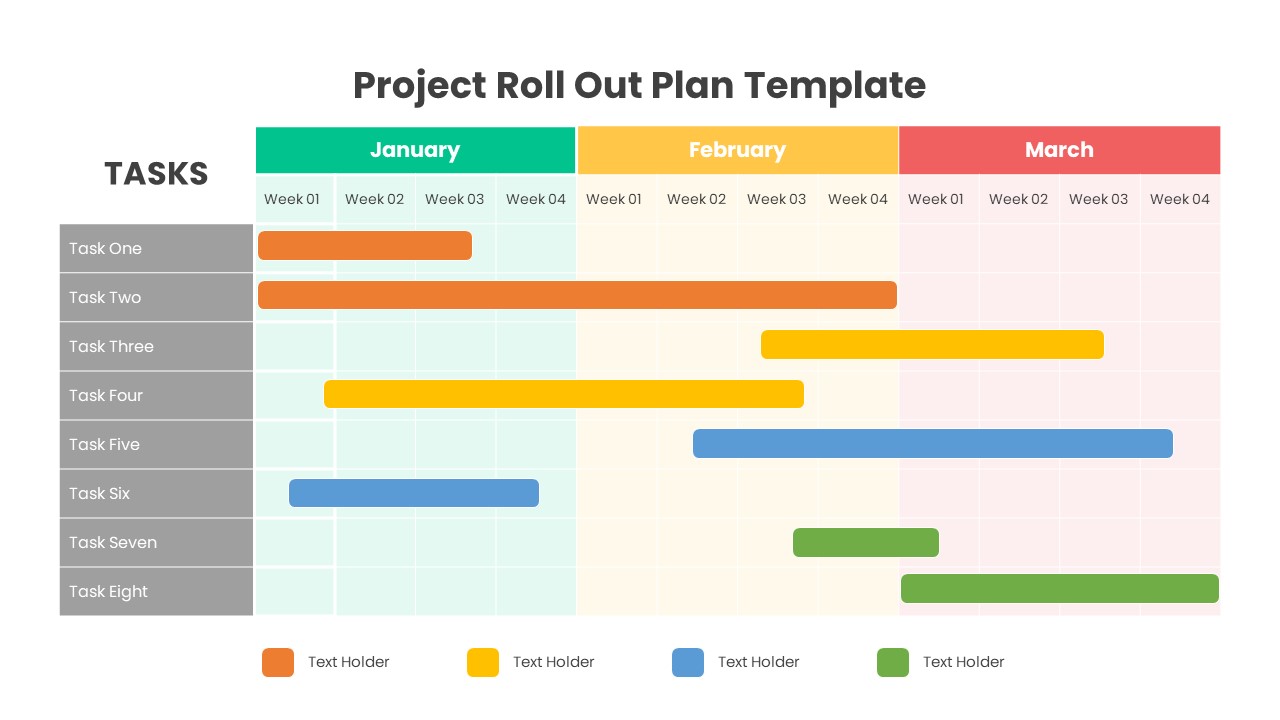
Leveraging AI for budget meal planning extends beyond just generating lists; it involves intelligently structuring these plans and the accompanying recipes to maximize efficiency and minimize cost. An AI system can transform raw data into a user-friendly, actionable format that simplifies the entire process from planning to preparation.AI excels at creating dynamic and adaptable meal plans. By understanding user preferences, dietary needs, available ingredients, and budget constraints, it can generate comprehensive weekly schedules that are both practical and economical.
This structured approach ensures that meals are balanced, varied, and consistently within budget.
Weekly Budget Meal Plan Template
An intelligently generated weekly budget meal plan can provide a clear overview of daily meals, associated costs, and essential ingredients. This template is designed for clarity and ease of use, allowing individuals to quickly grasp their week’s culinary strategy.Here is a sample structure for a weekly budget meal plan generated by an AI system:
| Day of the Week | Breakfast | Lunch | Dinner | Snacks | Estimated Cost per Meal | Key Ingredients |
|---|---|---|---|---|---|---|
| Monday | Oatmeal with Banana | Lentil Soup with Whole Wheat Bread | Chicken Stir-fry with Rice | Apple Slices | Breakfast: $0.75 Lunch: $1.50 Dinner: $2.50 Snacks: $0.50 |
Oats, Banana, Lentils, Chicken Breast, Mixed Vegetables, Rice, Apples |
| Tuesday | Scrambled Eggs with Spinach | Leftover Chicken Stir-fry | Bean and Vegetable Chili | Yogurt | Breakfast: $1.00 Lunch: $2.50 Dinner: $2.00 Snacks: $0.75 |
Eggs, Spinach, Kidney Beans, Tomatoes, Onions, Bell Peppers, Yogurt |
| Wednesday | Yogurt with Berries | Tuna Salad Sandwich on Whole Wheat | Baked Salmon with Roasted Broccoli | Carrot Sticks | Breakfast: $0.90 Lunch: $1.75 Dinner: $3.50 Snacks: $0.40 |
Yogurt, Berries, Canned Tuna, Whole Wheat Bread, Salmon Fillets, Broccoli |
| Thursday | Smoothie (Spinach, Banana, Milk) | Leftover Bean Chili | Pasta with Marinara Sauce and Ground Turkey | Orange | Breakfast: $1.20 Lunch: $2.00 Dinner: $2.75 Snacks: $0.60 |
Spinach, Banana, Milk, Pasta, Marinara Sauce, Ground Turkey |
| Friday | Toast with Peanut Butter | Chicken Salad Wrap | Homemade Pizza on Pita Bread | Grapes | Breakfast: $0.60 Lunch: $1.80 Dinner: $3.00 Snacks: $0.70 |
Bread, Peanut Butter, Cooked Chicken, Tortillas, Pita Bread, Cheese, Vegetables |
| Saturday | Pancakes (from mix) | Egg and Vegetable Fried Rice | Shepherd’s Pie (Lentil-based) | Popcorn | Breakfast: $1.10 Lunch: $2.20 Dinner: $2.60 Snacks: $0.30 |
Pancake Mix, Eggs, Vegetables, Rice, Lentils, Potatoes, Peas |
| Sunday | Omelette with Cheese | Leftover Shepherd’s Pie | Roast Chicken with Root Vegetables | Banana | Breakfast: $1.25 Lunch: $2.60 Dinner: $3.75 Snacks: $0.50 |
Eggs, Cheese, Chicken, Carrots, Potatoes, Onions |
Sample AI-Generated Recipe Structure
An intelligent system can also provide recipes tailored to budget-friendly ingredients and efficient preparation. The structure of these recipes is designed to be clear, concise, and helpful for home cooks, especially those focused on cost-effectiveness.Here is a typical structure for a recipe generated by an AI assistant:* Recipe Name: A clear and descriptive title for the dish.
Prep Time
The estimated time required for ingredient preparation (chopping, mixing, etc.).
Cook Time
The estimated time for the actual cooking process.
Yield
The number of servings the recipe produces.
Ingredients List
A detailed list of all necessary ingredients with precise quantities.
- For example: 1 cup (200g) Lentils, rinsed
- 1 large Onion, finely chopped
- 2 cloves Garlic, minced
- 4 cups (950ml) Vegetable Broth
- 1 teaspoon Cumin
- Salt and Pepper to taste
Step-by-step Instructions
Clear, numbered instructions guiding the user through the cooking process.
- Sauté the chopped onion in a pot with a tablespoon of oil until softened, about 5 minutes.
- Add the minced garlic and cook for another minute until fragrant.
- Stir in the rinsed lentils, vegetable broth, and cumin.
- Bring to a boil, then reduce heat, cover, and simmer for 25-30 minutes, or until lentils are tender.
- Season with salt and pepper to taste.
Budget-friendly Tips
Specific advice to further reduce the cost of the meal or enhance its value.
“Consider using dried lentils instead of canned for significant savings. You can also substitute half of the vegetable broth with water to reduce cost without compromising flavor. This recipe is excellent for batch cooking and can be frozen for future meals.”
Closing Summary
In conclusion, integrating artificial intelligence into your budget meal planning process is not just a futuristic concept but a practical and powerful strategy for achieving financial wellness and culinary satisfaction. From understanding the foundational principles to implementing advanced techniques, this comprehensive exploration has equipped you with the knowledge to harness the full potential of AI. By embracing these smart tools, you can confidently create optimized grocery lists, minimize waste, and enjoy a diverse range of cost-effective meals, paving the way for a more organized and economical approach to feeding yourself and your family.