As how to create smart shopping reminders with ai takes center stage, this opening passage beckons readers into a world crafted with good knowledge, ensuring a reading experience that is both absorbing and distinctly original.
This guide delves into the fascinating realm of leveraging artificial intelligence to revolutionize how we approach shopping. We will explore the core concepts, essential technologies, data requirements, and design principles that underpin the creation of intelligent, personalized shopping reminders. Understanding these elements is key to unlocking a more efficient and tailored shopping experience.
Understanding the Core Concept
The integration of artificial intelligence (AI) into shopping reminders transforms a basic notification system into an intelligent assistant, anticipating consumer needs and optimizing the purchasing process. This goes beyond simple calendar alerts for restocking; it involves AI algorithms that learn user habits, preferences, and even external factors to deliver highly relevant and timely prompts.At its heart, using AI for smart shopping reminders means leveraging machine learning to analyze vast amounts of data.
This data can include purchase history, browsing behavior, seasonal trends, price fluctuations, and even external environmental cues like weather forecasts. By processing this information, AI can predict when a consumer is likely to need a product, when it might be the best time to buy it, or even suggest complementary items. The primary benefit for consumers is a more streamlined, cost-effective, and less forgetful shopping experience.
Benefits of AI-Driven Shopping Reminders
Implementing AI-powered shopping reminders offers a multitude of advantages for consumers, moving beyond simple convenience to provide significant value. These benefits are designed to save time, reduce unnecessary expenditure, and enhance overall satisfaction with the shopping process.The key benefits include:
- Personalized Recommendations: AI learns individual purchasing patterns and preferences, ensuring reminders are for items the user actually needs or wants, rather than generic notifications. For example, an AI might notice a user consistently buys coffee beans every two weeks and send a reminder a day or two before the typical purchase date.
- Cost Optimization: By monitoring price changes and sales, AI can alert users to optimal buying times, preventing impulse purchases at full price and facilitating strategic savings. A user might receive an alert that their frequently bought detergent is on sale at their preferred store.
- Preventing Stockouts: AI can accurately predict when essential items are likely to run out based on past consumption rates, ensuring consumers never face an unexpected shortage of necessities. This is particularly useful for groceries, toiletries, or even pet supplies.
- Reduced Decision Fatigue: By proactively suggesting items or purchase times, AI minimizes the mental effort required for planning and executing shopping trips, especially for recurring purchases.
- Discovery of New Products: Beyond reordering, AI can identify new products that align with a user’s existing preferences or needs, based on similar user data and product attributes.
Typical User Scenarios for Smart Shopping Reminders
The utility of AI-driven shopping reminders is most pronounced in everyday situations where planning and timely action are beneficial. These scenarios highlight how intelligent alerts can seamlessly integrate into a consumer’s life, offering proactive support.Consider the following common user scenarios:
- Grocery Shopping: A user might receive a reminder to buy milk when the AI predicts their current supply will be depleted within two days, based on their typical consumption. It could also suggest adding other items to the cart that are frequently purchased together or are currently on sale.
- Subscription Management: For items purchased on a recurring basis, such as razors, vitamins, or pet food, AI can predict when a new order is needed, ensuring uninterrupted supply without the user having to manually reorder. The AI might also alert the user if a subscription price has increased significantly.
- Seasonal Purchases: As seasons change, AI can remind users of items they typically purchase, such as sunscreen in the summer or flu medication in the winter. It can also suggest related items, like insect repellent for summer or humidifiers for winter.
- Household Maintenance: AI can track the typical lifespan of household items like air filters, light bulbs, or batteries and send reminders for replacement before they fail. This prevents inconvenience and potential damage from faulty equipment.
- Impulse Control and Budgeting: For users aiming to manage their spending, AI can be programmed to send gentle nudges or warnings when a user is about to make a purchase that deviates significantly from their typical spending habits or budget. For instance, an alert might appear if a user adds an unusually expensive item to their online cart.
Essential AI Technologies Involved

Creating smart shopping reminders relies on a sophisticated blend of artificial intelligence technologies that work in concert to understand user behavior, predict needs, and deliver timely, relevant suggestions. These technologies move beyond simple rule-based systems to offer a truly intelligent and personalized experience.At its core, the ability to generate smart shopping reminders is powered by machine learning and natural language processing.
Machine learning allows the system to learn from vast amounts of data, identifying patterns and making predictions, while natural language processing enables the system to understand and interpret human language, making interactions more intuitive and effective.
Machine Learning for Personalized Reminders
Machine learning algorithms are the engine behind personalized shopping reminders. By analyzing historical purchase data, browsing habits, and even contextual information like weather or upcoming events, these algorithms can predict when a user might need to repurchase an item or might be interested in a new one. This predictive capability is crucial for moving from generic notifications to highly relevant prompts.Key contributions of machine learning include:
- Pattern Recognition: Identifying recurring purchase cycles for items like groceries, toiletries, or pet supplies. For example, a user who buys milk every three days will receive a reminder around that timeframe.
- Behavioral Analysis: Learning from a user’s browsing history, items added to wishlists, or abandoned carts to infer potential needs or interests. If a user frequently views running shoes, the system might suggest new models or sales.
- Predictive Modeling: Forecasting future needs based on past behavior and external factors. This could involve predicting when a user might run out of a frequently used medication or when a seasonal item might be needed.
- Clustering and Segmentation: Grouping users with similar purchasing behaviors to identify broader trends and offer targeted recommendations.
Natural Language Processing for Understanding User Needs
Natural Language Processing (NLP) is vital for making smart shopping reminders conversational and responsive to user input. It allows the AI system to understand the nuances of human language, whether it’s a spoken request, a typed query, or even sentiment expressed in reviews. This capability transforms a passive reminder system into an active assistant.NLP’s role in smart shopping reminders includes:
- Intent Recognition: Understanding the underlying goal of a user’s query. For instance, “I’m running low on coffee” is interpreted as a need to add coffee to the shopping list.
- Entity Extraction: Identifying key pieces of information within a user’s request, such as product names, quantities, brands, or desired attributes. “Remind me to buy organic whole milk next Tuesday” extracts “organic whole milk” as the product and “next Tuesday” as the timing.
- Sentiment Analysis: Gauging user satisfaction or dissatisfaction with products or services, which can inform future recommendations. A user expressing frustration with a particular brand might trigger suggestions for alternatives.
- Dialogue Management: Enabling a back-and-forth conversation with the user to clarify needs or provide more detailed information. For example, if a user asks for “shampoo,” the AI might follow up with “What brand or type are you looking for?”
The synergy between machine learning’s predictive power and NLP’s understanding of human language creates a robust foundation for intelligent shopping assistance.
Data Requirements and Integration
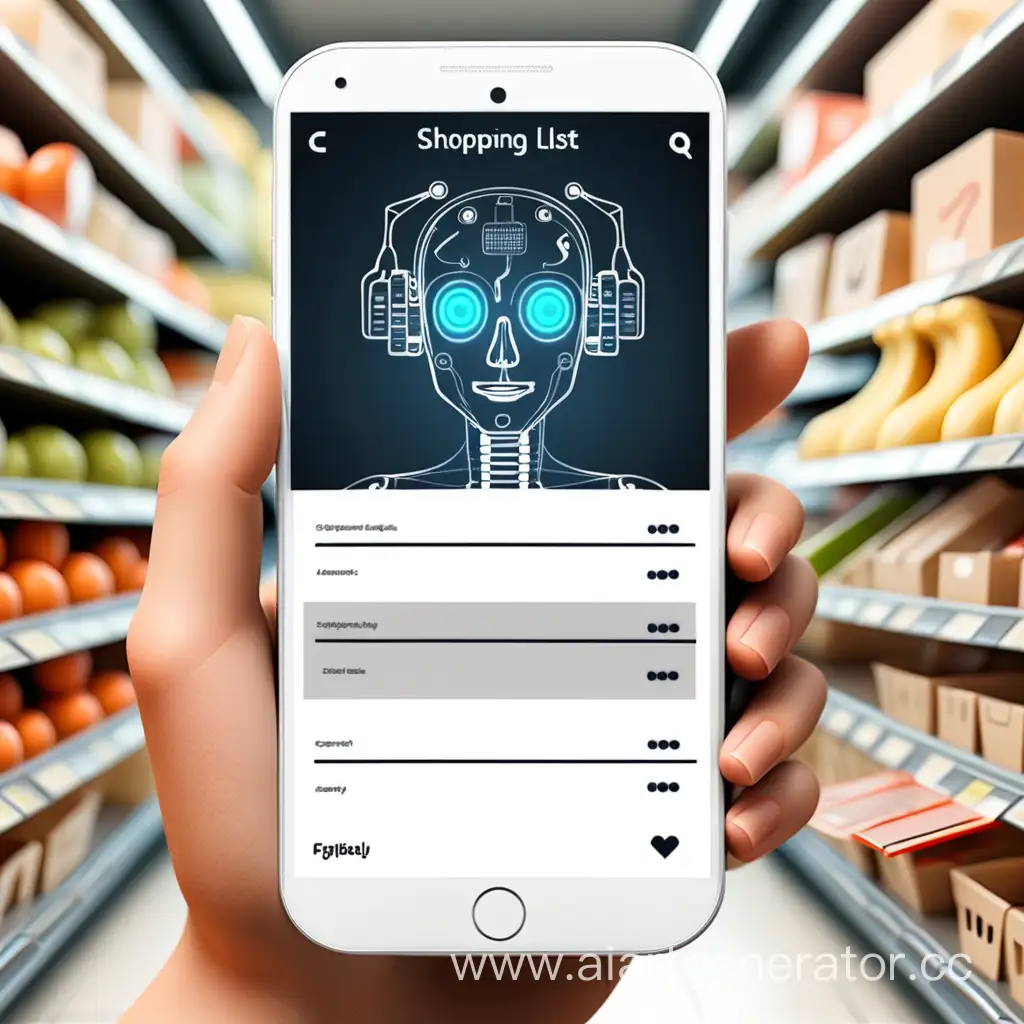
To effectively create smart shopping reminders powered by AI, a robust understanding and seamless integration of user data are paramount. This data forms the foundation upon which intelligent suggestions and timely alerts are built, ensuring they are relevant, personalized, and genuinely helpful. The process involves identifying the right types of information, establishing efficient pathways for data flow, and organizing user preferences in a structured manner.The success of AI-driven shopping reminders hinges on the quality and variety of data collected and processed.
Different data points offer unique insights into a user’s shopping habits, needs, and preferences. By combining these diverse sources, AI algorithms can develop a comprehensive profile of each user, leading to more accurate and impactful reminders.
Types of Data for Effective Shopping Reminders
Gathering the right data is the first critical step in building a powerful shopping reminder system. The more comprehensive and accurate the data, the more personalized and effective the AI’s suggestions will be. This includes information that reflects past purchasing behavior, current interests, and potential future needs.The following categories represent the essential types of data required:
- Purchase History: This includes details of past transactions, such as items bought, frequency of purchase, brands preferred, price points, and purchase dates. This data is crucial for predicting replenishment needs and identifying recurring purchases. For example, knowing a user buys coffee beans every two weeks allows for a timely reminder to reorder.
- Browsing Behavior: Information on websites visited, products viewed, time spent on product pages, items added to wishlists or carts but not purchased, and search queries provides insight into current interests and potential future purchases. Tracking a user’s interest in hiking boots, even if not yet purchased, can inform future outdoor gear recommendations.
- Demographic Information: While used with caution and respecting privacy, general demographic data (e.g., age range, location) can help tailor recommendations, especially for seasonal items or local promotions. For instance, reminding a user in a colder climate about winter coat sales is more relevant.
- Stated Preferences: Explicitly provided information by the user, such as preferred brands, categories of interest, budget limits, or specific needs (e.g., “looking for vegan products”). This direct input is invaluable for fine-tuning AI suggestions.
- Calendar and Event Data: Integration with user calendars can identify upcoming events (birthdays, holidays, anniversaries) for which gift reminders or relevant product suggestions can be made. A reminder for an anniversary might include suggestions for jewelry or dining experiences.
- Loyalty Program Data: Information from loyalty programs can reveal consistent purchasing patterns and highlight opportunities for personalized offers based on accumulated points or rewards.
Methods for Data Integration
Seamlessly integrating data from disparate sources is vital for creating a unified view of the user and enabling the AI to draw comprehensive insights. This requires robust technical solutions that can handle various data formats and ensure data consistency.Several methods are employed to achieve effective data integration:
- APIs (Application Programming Interfaces): APIs allow different software systems to communicate and exchange data. For instance, an e-commerce platform’s API can be used to pull purchase history, while a browser extension’s API can capture browsing behavior.
- Webhooks: These are automated messages sent from one application to another when a specific event occurs. For example, a webhook can notify the reminder system when an item is added to a cart on a partner website.
- Data Warehousing and Lakes: Centralized repositories like data warehouses or data lakes are used to store and manage large volumes of data from various sources. This allows for structured querying and analysis by AI models.
- ETL (Extract, Transform, Load) Processes: These processes are fundamental for moving data from source systems to a destination, such as a data warehouse. Data is extracted, transformed into a consistent format, and then loaded for analysis.
- Data Synchronization Tools: Specialized tools can automate the process of keeping data consistent across different platforms, ensuring that the AI always works with the most up-to-date information.
Framework for Organizing and Managing User Shopping Preferences
A well-defined framework for managing user preferences ensures that the AI can effectively leverage this information to provide highly personalized and relevant shopping reminders. This involves categorizing preferences, prioritizing them, and allowing for dynamic updates.A structured approach to managing user preferences can be Artikeld as follows:
| Preference Category | Description | Data Source Examples | Management Approach |
|---|---|---|---|
| Core Product Interests | Categories or specific types of products the user frequently buys or shows interest in. | Purchase history, browsing data (viewed products), wishlist items. | Categorization and tagging; algorithms can infer importance based on frequency and recency. |
| Brand Loyalty and Affinity | Preferred brands or brands the user consistently purchases from. | Purchase history (brand field), stated brand preferences. | Explicitly stored brand preferences; sentiment analysis on reviews could be an advanced addition. |
| Price Sensitivity and Budget | User’s typical spending range for certain items or overall budget consciousness. | Purchase history (price paid), search queries for “deals” or “discount.” | Defining price thresholds per category; flagging items within or below budget. |
| Repurchase Cycles | Identifying items that are bought on a regular schedule. | Purchase history (dates of purchase for the same item). | Time-series analysis to predict repurchase dates; setting reminders based on these cycles. |
| Event-Driven Needs | Preferences related to specific upcoming events or life stages. | Calendar integration, stated life events (e.g., “new baby”). | Mapping events to relevant product categories; proactive suggestions. |
| Exclusionary Preferences | Products or brands the user explicitly wishes to avoid. | User-defined “do not show” lists, negative feedback on suggestions. | Strict filtering rules to exclude unwanted items. |
This framework ensures that all relevant preference data is captured, categorized, and made accessible to the AI for intelligent decision-making, leading to highly effective and user-centric shopping reminders.
Designing the Reminder System
Creating an effective AI-powered shopping reminder system involves a thoughtful design of its core components, user interactions, and intelligent triggering mechanisms. This section Artikels the architecture and operational flow necessary to build a system that is both user-friendly and highly functional, leveraging AI to enhance the shopping experience.The design focuses on modularity and intelligent automation, ensuring that the system can adapt to individual user habits and preferences.
By breaking down the system into key functional areas, we can ensure a robust and scalable solution that seamlessly integrates AI capabilities.
Core Components of an AI-Powered Shopping Reminder System
A well-structured AI shopping reminder system is built upon several interconnected components, each playing a crucial role in its overall functionality. These components work in synergy to capture user needs, process data, and deliver timely, relevant reminders.The following are the essential components that form the backbone of such a system:
- User Profile and Preferences Module: This component stores information about the user, including their typical shopping habits, preferred brands, budget constraints, and dietary restrictions. It also captures explicit preferences set by the user for specific items or categories.
- Data Ingestion and Processing Engine: This is the central hub responsible for collecting and processing various data sources. This includes purchase history, browsing data, calendar events, and external information like sales and promotions. AI algorithms are heavily utilized here for pattern recognition and data cleaning.
- AI Prediction and Recommendation Engine: This module employs machine learning models to predict future needs, identify optimal times for purchases, and suggest relevant items. It analyzes user behavior and external data to anticipate requirements.
- Reminder Generation and Scheduling Module: Based on the predictions and user-defined rules, this component generates personalized reminders. It determines the timing, content, and delivery method of each reminder.
- User Interface (UI) and User Experience (UX) Layer: This is the front-end through which users interact with the system. It encompasses the design for setting up reminders, viewing suggestions, and managing their preferences.
- Integration Layer: This component facilitates seamless communication with other applications and services, such as e-commerce platforms, calendar apps, and notification services.
User Interface Flow for Setting Up and Managing Shopping Reminders
The user interface is paramount to the success of any reminder system, as it dictates how easily users can engage with its features. A well-designed UI flow for setting up and managing AI-powered shopping reminders should be intuitive, flexible, and provide clear feedback to the user.The typical user journey involves several key steps:
- Onboarding and Initial Setup: Upon first use, the system guides the user through a brief setup process to gather essential information. This might include linking to existing shopping accounts, granting access to purchase history, and setting initial preferences. For instance, a user might be asked about their preferred grocery store or if they are currently on a specific diet.
- Creating a New Reminder: Users can initiate the creation of a new reminder through a prominent “Add Reminder” or “+” button. The system then presents options for specifying the item, quantity, desired purchase date, and any specific conditions (e.g., “remind me when on sale”). The AI can assist by suggesting items based on past purchases or upcoming events (e.g., “You might need to restock coffee beans soon”).
- Managing Existing Reminders: A dedicated “My Reminders” section allows users to view all active, scheduled, and past reminders. Here, users can edit, pause, delete, or mark reminders as completed. For example, a user might want to change the quantity of an item or postpone a reminder by a week.
- Reviewing AI Suggestions: The system proactively offers AI-driven suggestions for items that might be needed. These suggestions are presented in a clear, actionable format, often with an option to quickly add them to a reminder list or dismiss them. A typical suggestion might be: “Based on your past purchases, you’re likely running low on milk. Add to your shopping list?”
- Adjusting Preferences: Users can access a “Settings” or “Preferences” area to fine-tune their shopping habits, update dietary needs, set budget alerts, or manage notification preferences (e.g., push notifications, email, SMS).
Decision-Making Process for Triggering Reminders
The intelligence of an AI-powered shopping reminder system lies in its ability to trigger reminders at the most opportune moments. This decision-making process is a complex interplay of user-defined rules, AI predictions, and contextual data, ensuring that reminders are helpful rather than intrusive.The system employs a multi-faceted approach to determine when and how to send a reminder:
- Predictive Analysis of Consumption Patterns: The AI analyzes historical purchase data and consumption rates to predict when an item is likely to run out. For example, if a user typically buys a loaf of bread every three days and their last purchase was two days ago, the system might trigger a reminder for bread tomorrow.
- Contextual Awareness: The system considers various contextual factors. This includes:
- Time-Based Triggers: Reminders can be set for specific dates or recurring intervals (e.g., “every month on the 15th”).
- Location-Based Triggers: Reminders can be activated when a user is near a relevant store. For instance, if a user has a reminder for “buy detergent” and their location services indicate they are within a mile of a supermarket, the reminder can be triggered.
- Event-Based Triggers: Integration with calendars can trigger reminders based on upcoming events. For example, a reminder to buy party supplies might be set for two days before a scheduled birthday party.
- Promotional Triggers: The system can monitor for sales or discounts on items the user frequently buys or has expressed interest in. A reminder might be sent saying, “Your favorite brand of coffee is on sale at [Store Name] today!”
- User-Defined Thresholds and Rules: Users can set specific conditions for reminders. This could involve a minimum stock level (e.g., “remind me when I have less than 20% of the usual quantity left”) or a maximum price limit.
- Learning and Adaptation: The AI continuously learns from user interactions. If a user consistently dismisses reminders for a particular item or purchases it earlier than predicted, the system adjusts its future predictions and triggering logic. This iterative learning process refines the accuracy and relevance of the reminders over time.
A crucial aspect of the decision-making process is balancing proactive suggestions with user autonomy. The system aims to provide timely prompts without overwhelming the user, prioritizing reminders that are most likely to be actionable and beneficial.
Personalization Strategies
The true power of AI-driven shopping reminders lies in its ability to move beyond generic alerts and offer truly personalized experiences. By understanding an individual’s unique purchasing habits, preferences, and lifestyle, these systems can transform from helpful tools into indispensable personal assistants. This section delves into the sophisticated techniques AI employs to achieve this level of tailored engagement.AI’s capacity for personalization is built upon a deep analysis of user data, allowing for predictions and proactive suggestions that significantly enhance the shopping experience.
This goes beyond simple replenishment reminders, tapping into the nuances of individual lives to anticipate needs before the user even realizes them.
Advanced Habit Analysis for Tailored Reminders
Understanding individual shopping habits is the cornerstone of effective personalization. AI algorithms can analyze vast datasets of past purchases, browsing history, and even stated preferences to build a comprehensive profile of each user. This allows for the creation of highly specific reminder triggers that resonate with individual routines and consumption patterns.Techniques employed include:
- Frequency Analysis: Identifying the typical purchase cycle for frequently bought items, such as groceries, toiletries, or pet supplies. For example, if a user typically buys milk every four days, the AI can predict when the current supply is likely to run out and send a reminder.
- Seasonal and Event-Based Pattern Recognition: Recognizing recurring purchases tied to specific seasons (e.g., sunscreen in summer, allergy medication in spring) or personal events (e.g., gifts for anniversaries, specific items for holiday baking).
- Brand and Preference Loyalty: Noting consistent choices of specific brands or product variations. If a user always buys a particular brand of coffee, reminders can be triggered when their usual stock is depleted, suggesting the preferred brand.
- Contextual Purchase Correlation: Identifying items that are often bought together or in sequence. For instance, if a user recently purchased a new grill, the AI might later suggest charcoal, grilling tools, or outdoor furniture.
- Lifestyle Indicators: Inferring needs based on broader lifestyle indicators. A user who frequently buys workout gear might receive reminders for protein supplements or athletic recovery products. Similarly, new parents might receive reminders for diapers or baby food based on purchase history.
Predictive Needs and Proactive Suggestions
Beyond simply reminding users about items they regularly purchase, AI can anticipate future needs by analyzing trends and predicting consumption patterns. This proactive approach transforms the reminder system into a forward-thinking shopping advisor.AI models can predict future needs through:
- Trend Forecasting: Analyzing external data sources, such as weather patterns, local events, or popular culture trends, to anticipate demand for related products. For example, if a heatwave is predicted, the AI might suggest ice cream or fans.
- Life Stage Progression: Recognizing shifts in life stages that necessitate new purchases. For a user who has recently indicated they are expecting a child, the AI can proactively suggest baby essentials like cribs, car seats, or formula.
- Usage-Based Predictions: For items with variable consumption rates, AI can learn from usage patterns. For example, if a user tends to use more printer ink during tax season, the AI can preemptively remind them to check their ink levels.
- Health and Wellness Monitoring (with user consent): Integrating with health apps or wearable devices to suggest items related to fitness goals or dietary needs. If a user is tracking a weight loss goal, the AI might suggest healthier snack options or exercise equipment.
A compelling real-life case is a grocery app that noticed a user consistently buying ingredients for a specific complex recipe every few months. The AI, recognizing this pattern, proactively reminded the user a week before their typical purchase date, even suggesting they might want to stock up on non-perishable ingredients for that recipe.
Examples of Personalized Reminder Triggers
The diversity of personalized reminder triggers showcases the adaptability of AI in catering to individual circumstances. These triggers go beyond simple “out of stock” alerts to become contextually relevant nudges.Illustrative examples of personalized reminder triggers include:
- Approaching Birthdays and Anniversaries:
AI can track significant dates in a user’s calendar or infer them from past purchase patterns (e.g., buying gifts for a specific person annually). It can then send reminders well in advance, suggesting gift ideas based on the recipient’s known preferences or past purchases made by the user for them. For instance, if a user bought gardening tools for their mother’s birthday last year, the AI might suggest new gardening accessories or related books this year.
- Seasonal Needs and Holidays:
As seasons change or major holidays approach, AI can prompt users to prepare. This could include reminding someone to buy winter coats as temperatures drop, suggesting holiday decorations in November, or prompting the purchase of barbecue supplies before summer holidays. The system can even tailor suggestions based on past holiday shopping behavior, like reminding a user to buy specific types of cookies they purchased for Christmas last year.
- Project-Based Reminders:
If a user is undertaking a home renovation project, indicated by purchases of tools or materials, the AI can predict subsequent needs. For example, after purchasing paint and brushes, the AI might remind the user to buy drop cloths, painter’s tape, or cleaning supplies for when the project is complete.
- Health and Wellness Milestones:
For users tracking health goals, AI can provide timely reminders. If a user is training for a marathon, the AI might remind them to reorder energy gels or purchase new running shoes as their mileage increases. Similarly, for someone managing a chronic condition, reminders could be set for prescription refills or to purchase specific dietary supplements.
- Subscription Renewal Nudges:
For services or products that are subscription-based, AI can provide timely alerts before a renewal date, allowing users to review their subscription or make a conscious decision to continue. This prevents unexpected charges and ensures users are still utilizing the service.
Implementation Approaches
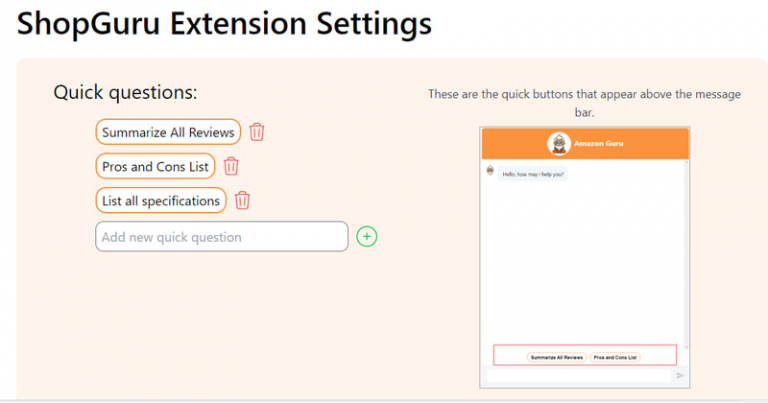
Implementing a smart shopping reminder system powered by AI involves careful consideration of architectural patterns, a structured development process, and the selection of appropriate tools. This section explores various ways to build such a service, from foundational design choices to practical execution steps.Choosing the right architectural pattern is crucial for scalability, maintainability, and performance. The complexity and specific requirements of your AI reminder system will heavily influence this decision.
Architectural Patterns for AI Reminder Services
Several architectural patterns can be employed to build a robust AI shopping reminder service. Each pattern offers distinct advantages regarding how components interact, data flows, and how the system scales to handle increasing user loads and data volumes.
- Monolithic Architecture: In this approach, all functionalities—user interface, business logic, AI models, and data access—are combined into a single, unified application. It is simpler to develop and deploy initially, making it suitable for prototypes or small-scale applications. However, it can become difficult to manage, scale, and update as the application grows.
- Microservices Architecture: This pattern breaks down the application into small, independent services, each responsible for a specific business capability (e.g., user management, product catalog, AI recommendation engine, notification service). These services communicate with each other, typically via APIs. Microservices offer excellent scalability, flexibility, and fault isolation, allowing individual services to be updated or scaled independently. This is a preferred choice for complex, large-scale systems.
- Event-Driven Architecture: This pattern centers around the production, detection, and consumption of events. Services react to events occurring within the system (e.g., a user adding an item to a cart, a price drop notification). This architecture promotes loose coupling and asynchronous communication, making the system highly responsive and adaptable to real-time changes. It is particularly well-suited for dynamic systems where immediate responses to various triggers are necessary.
- Serverless Architecture: This approach utilizes cloud provider services (like AWS Lambda, Azure Functions, Google Cloud Functions) where the cloud provider manages the underlying infrastructure. Developers focus on writing code for specific functions. This offers automatic scaling, pay-per-use pricing, and reduced operational overhead, making it cost-effective and efficient for many AI-powered applications.
Developing a Basic AI Reminder Prototype
Creating a functional prototype is an excellent way to validate your concept and gather early feedback. A step-by-step approach helps ensure all essential components are considered.Here’s a procedural Artikel for developing a basic AI reminder prototype:
- Define Core Functionality: Identify the most critical features for your initial prototype. For a smart shopping reminder, this might include tracking a specific product, setting a price alert, and sending a simple notification.
- Data Ingestion and Storage: Establish a mechanism to collect and store product information, user preferences, and historical shopping data. This could involve scraping product pages, integrating with APIs, or using a simple database.
- AI Model Integration: Select and integrate a basic AI model. For price alerts, this might be a simple rule-based system or a time-series forecasting model to predict price fluctuations. For personalized recommendations, a collaborative filtering or content-based filtering model could be used.
- Reminder Logic: Develop the logic that triggers reminders. This involves checking conditions (e.g., price drop below a threshold, product back in stock) based on the AI model’s output and user-defined criteria.
- Notification Mechanism: Implement a way to send reminders to the user. This could be via email, SMS, or a push notification through a simple web or mobile interface.
- User Interface (Basic): Create a minimal interface for users to input product details, set preferences, and view upcoming reminders. This could be a command-line interface or a very basic web form.
- Testing and Iteration: Thoroughly test the prototype with sample data and user inputs. Identify bugs, areas for improvement, and gather feedback to refine the system for the next iteration.
Development Tools and Platforms
The selection of development tools and platforms significantly impacts the efficiency and success of building an AI reminder system. These tools range from programming languages and AI frameworks to cloud services and deployment platforms.The following list categorizes potential development tools and platforms suitable for this task:
- Programming Languages:
- Python: Widely favored for AI and machine learning due to its extensive libraries (TensorFlow, PyTorch, Scikit-learn), ease of use, and strong community support.
- JavaScript: Essential for front-end development (React, Vue.js, Angular) and can also be used for back-end development with Node.js, enabling full-stack development.
- Java: A robust choice for enterprise-level applications, offering strong performance and scalability, often used with frameworks like Spring.
- AI/ML Frameworks and Libraries:
- TensorFlow: An open-source library for numerical computation and large-scale machine learning, developed by Google.
- PyTorch: An open-source machine learning library used for applications such as computer vision and natural language processing, developed by Facebook’s AI Research lab.
- Scikit-learn: A Python library that features various classification, regression, and clustering algorithms, including support vector machines, random forests, and k-means.
- Keras: A high-level, user-friendly API that runs on top of TensorFlow, making it easier to build and train neural networks.
- Cloud Platforms:
- Amazon Web Services (AWS): Offers a comprehensive suite of services including EC2 for computing, S3 for storage, Lambda for serverless functions, and SageMaker for machine learning model development.
- Microsoft Azure: Provides similar services like Virtual Machines, Blob Storage, Azure Functions, and Azure Machine Learning.
- Google Cloud Platform (GCP): Features Compute Engine, Cloud Storage, Cloud Functions, and Vertex AI for machine learning.
- Databases:
- Relational Databases (e.g., PostgreSQL, MySQL): Suitable for structured data like user profiles and product catalogs.
- NoSQL Databases (e.g., MongoDB, Cassandra): Excellent for handling large volumes of unstructured or semi-structured data, and for applications requiring high scalability and flexibility.
- Time-Series Databases (e.g., InfluxDB, TimescaleDB): Ideal for storing and querying time-stamped data, which is relevant for tracking price changes over time.
- Containerization and Orchestration:
- Docker: For packaging applications and their dependencies into containers, ensuring consistency across different environments.
- Kubernetes: For automating the deployment, scaling, and management of containerized applications.
- APIs and Integration Tools:
- RESTful APIs: For communication between different services and for integrating with external data sources (e.g., e-commerce platforms).
- Message Queues (e.g., RabbitMQ, Kafka): For enabling asynchronous communication between microservices, crucial for event-driven architectures.
Enhancing User Experience
Creating a smart shopping reminder system is only half the battle; ensuring it genuinely benefits users without becoming a nuisance is paramount. The focus shifts now to refining the user’s interaction with the AI, making the reminders intelligent, timely, and genuinely helpful. This involves a delicate balance of proactive assistance and user control.A truly effective system integrates seamlessly into a user’s daily life, offering value at the right moments.
This means moving beyond simple notifications to providing context, actionable advice, and opportunities for user input, fostering a sense of partnership rather than just automated alerts.
Making Reminders Helpful, Not Intrusive
The key to a positive user experience lies in respecting the user’s time and attention. Intrusive reminders can quickly lead to users disabling the feature altogether. Therefore, the system must be designed with a deep understanding of user behavior and preferences.Strategies to achieve this include:
- Contextual Timing: Reminders should be triggered based on relevant context, such as proximity to a store, a user’s typical shopping schedule, or the availability of a desired item. For instance, reminding a user about a grocery list item only when they are near their usual supermarket.
- Frequency Control: Allowing users to set their preferred frequency for different types of reminders is crucial. Some users might want daily updates on sales, while others prefer weekly digests.
- Smart Snoozing and Dismissal: The AI should learn from user interactions. If a user consistently snoozes or dismisses a particular type of reminder, the system should adapt and reduce its frequency or offer alternative notification methods.
- Opt-in for Specific Alerts: Rather than overwhelming users with every possible alert, allow them to opt-in for notifications on specific items, brands, or sale categories they are most interested in.
- Channel Flexibility: Offer a choice of notification channels, such as push notifications, email, SMS, or even in-app alerts, allowing users to select what works best for them.
Providing Actionable Insights within Reminders
Beyond simply stating that an item is on sale, smart reminders can offer significant value by providing immediate, actionable insights. This transforms a passive notification into a proactive shopping assistant.Examples of actionable insights include:
- Price Comparisons: When a product is on sale, the AI can present a quick comparison of the current price against its historical average or prices at competing retailers. For example, “The XYZ smartphone you’re interested in is 20% off at Retailer A today. This is 5% lower than its average price over the last month.”
- Stock Availability: If a user has previously shown interest in an item that is now back in stock, the reminder can highlight this. “Good news! The ‘ComfortBlend’ coffee maker you liked is back in stock at your favorite online store.”
- Complementary Product Suggestions: Based on an item on sale, the AI can suggest related products that might also be of interest. “Since the XYZ brand of running shoes is on sale, you might also be interested in these moisture-wicking socks, currently available at 15% off.”
- Urgency Indicators: For limited-time deals, the reminder can clearly state the expiration. “Flash sale ends in 2 hours! Get your favorite brand of organic pasta for $2 less.”
- Loyalty Program Integration: If applicable, reminders can inform users about points earned or special offers available through their loyalty programs related to the item on sale.
Gathering User Feedback to Refine Reminder Effectiveness
Continuous improvement is essential for any AI-driven system, and user feedback is the most direct path to achieving it. Establishing a robust feedback loop ensures that the reminder system evolves to meet user needs and expectations.A comprehensive system for gathering user feedback includes:
- In-App Feedback Mechanisms: Simple, non-intrusive ways for users to rate reminders or provide quick feedback directly within the app. This could include thumbs up/down buttons, star ratings, or short survey prompts like “Was this reminder helpful?”
- Post-Interaction Surveys: Short, targeted surveys delivered after a user interacts with a reminder (e.g., clicks on a link, makes a purchase). These surveys can delve deeper into satisfaction levels and specific aspects of the reminder.
- Behavioral Analysis: The system should continuously monitor user interactions with reminders. This includes tracking which reminders are clicked, which are dismissed, and how often users engage with the suggested actions. This passive data provides invaluable insights into what resonates with users.
- Direct User Interviews and Focus Groups: For deeper qualitative insights, conducting periodic interviews or focus groups with a segment of users can reveal nuanced opinions and suggestions that might not emerge through automated feedback.
- Automated Anomaly Detection: The AI can be programmed to identify patterns of user dissatisfaction, such as a sudden drop in engagement with reminders or an increase in dismissals, prompting a deeper investigation into the cause.
By actively soliciting and analyzing this feedback, the AI can learn to tailor reminder content, timing, and delivery methods, ensuring that the smart shopping reminders remain a valuable and appreciated tool for every user.
Future Trends and Innovations
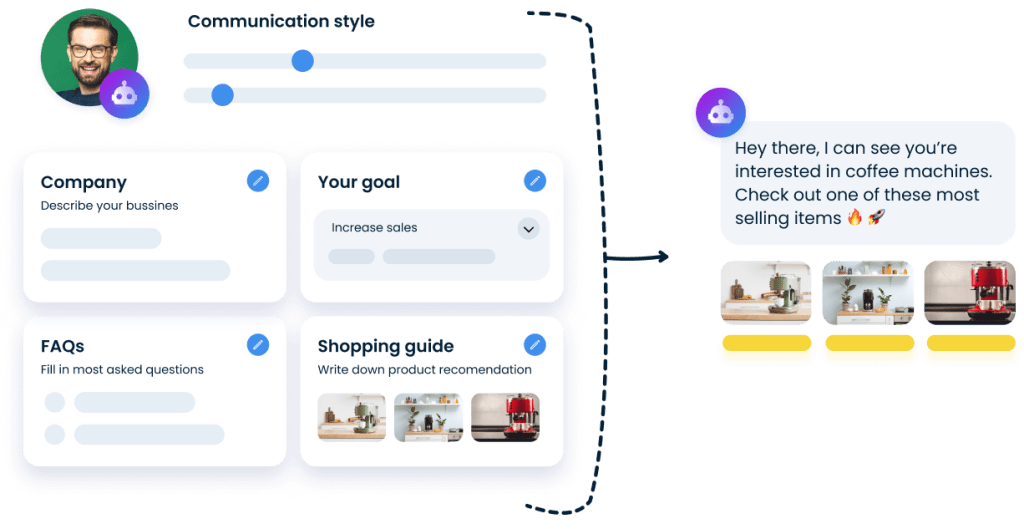
The landscape of AI-powered shopping assistance is continuously evolving, promising even more sophisticated and integrated experiences for consumers. As AI technologies mature and become more pervasive, shopping reminders will transition from simple notifications to proactive, context-aware companions. This evolution is driven by advancements in natural language processing, machine learning, and the increasing interconnectedness of our digital and physical lives.The future of smart shopping reminders is deeply intertwined with the broader trends in personalized commerce and the expanding capabilities of artificial intelligence.
We are moving towards a paradigm where AI doesn’t just respond to our requests but anticipates our needs, offering a seamless and intuitive shopping journey. This includes deeper integration with our daily routines and a more nuanced understanding of our preferences and behaviors.
Emerging Trends in AI for Personalized Commerce
The field of AI in commerce is rapidly advancing, with several key trends shaping the future of personalized shopping experiences and assistance. These trends focus on leveraging AI to understand consumers at a deeper level and provide highly tailored interactions.
- Hyper-Personalization through Advanced Behavioral Analysis: AI models are becoming increasingly adept at analyzing vast datasets of user behavior, including browsing history, purchase patterns, social media interactions, and even emotional cues from user feedback. This allows for recommendations and reminders that are not just based on past purchases but on predicted future needs and evolving preferences. For instance, an AI might notice a user frequently purchasing athletic wear and predict the need for new running shoes based on the average lifespan of such items and upcoming seasonal changes, offering a reminder to check for sales.
- Context-Aware and Proactive Assistance: Future AI systems will move beyond scheduled reminders to offer assistance based on real-time context. This could involve location-based reminders (e.g., “You’re near your favorite bookstore, and the new release you wanted is in stock”) or time-sensitive alerts tied to events (e.g., “Your friend’s birthday is next week, and you haven’t bought a gift yet. Here are some ideas based on their interests”).
- Generative AI for Content and Recommendations: Generative AI is beginning to play a role in creating personalized product descriptions, marketing copy, and even virtual try-on experiences. For shopping reminders, this could translate into AI generating personalized “why you should buy this” narratives or suggesting complementary items in a more engaging and creative way.
- Ethical AI and Transparency: As AI becomes more integrated into shopping, there’s a growing emphasis on ethical considerations. Future systems will likely prioritize transparency in how data is used to generate reminders and offer greater user control over personalization settings, building trust and ensuring responsible AI deployment.
Voice Assistants and Smart Home Integration
Voice assistants and smart home devices are poised to become central hubs for delivering intelligent shopping reminders, seamlessly integrating them into the fabric of our daily lives. Their hands-free nature and constant availability make them ideal for subtle yet effective prompts.The potential of voice assistants and smart home devices in delivering shopping reminders is immense, transforming how we interact with our shopping lists and needs.
These devices offer a natural and intuitive interface, allowing for effortless integration into daily routines.
- Hands-Free Management and Reminders: Users can simply speak their shopping needs to their voice assistant, which can then create reminders, add items to digital carts, or even initiate reorders. For example, a user could say, “Hey Google, remind me to buy more coffee beans when I’m at the grocery store,” or “Alexa, add milk and eggs to my shopping list for tomorrow.”
- Smart Home Ecosystem Integration: Shopping reminders can be synchronized across various smart home devices. A reminder to buy groceries could appear on a smart refrigerator’s display, or a notification to check for a specific item’s sale could be announced through a smart speaker when the user is home.
- Contextual Awareness through Device Interconnectivity: By connecting with other smart devices, voice assistants can gain deeper context. For instance, a smart scale might alert a voice assistant that it’s time to reorder protein powder, which then prompts a reminder to the user.
- Proactive Suggestions based on Household Consumption: AI can learn household consumption patterns through smart appliances and then proactively suggest items. If a smart dishwasher detects it’s running low on detergent pods, it can trigger a reminder to the user via their voice assistant.
Future Advancements for Intuitive and Useful Reminders
The ongoing development in AI and related technologies promises to make shopping reminders significantly more intuitive, personalized, and genuinely useful, moving beyond simple notifications to become indispensable personal shopping assistants.Future advancements will focus on creating a more proactive, predictive, and contextually aware reminder system that feels like a natural extension of the user’s own decision-making process.
- Predictive Replenishment based on Usage Patterns: AI will analyze usage data from smart devices and connected products to predict when items will run out and proactively suggest replenishment. This applies to everything from pantry staples to household consumables and even personal care items. For example, an AI might predict that a user will run out of their favorite shampoo in two weeks based on their typical usage rate and suggest purchasing it during an upcoming sale.
- Emotional and Sentiment Analysis for Tailored Suggestions: AI could potentially analyze user sentiment from text or voice interactions to gauge their mood and adjust reminder timing or content. For instance, if a user expresses frustration about a particular product, the AI might offer alternatives or suggest a refund process instead of a simple repurchase reminder.
- Augmented Reality (AR) Integration for Visual Reminders: Imagine using AR to see virtual representations of items you need to buy overlaid on your physical environment, or receiving reminders to check expiration dates on products in your pantry through your smartphone camera.
- Seamless Cross-Platform Synchronization and Learning: Reminders will be effortlessly synchronized across all user devices and platforms, with AI continuously learning and adapting to user behavior and preferences across different contexts, ensuring a consistent and intelligent experience.
- AI-Powered Negotiation and Deal Finding: Future AI could go beyond simply reminding users about items; it might actively negotiate prices on their behalf or automatically apply the best available discounts and coupons at the point of purchase, further enhancing the value of shopping reminders.
Final Conclusion
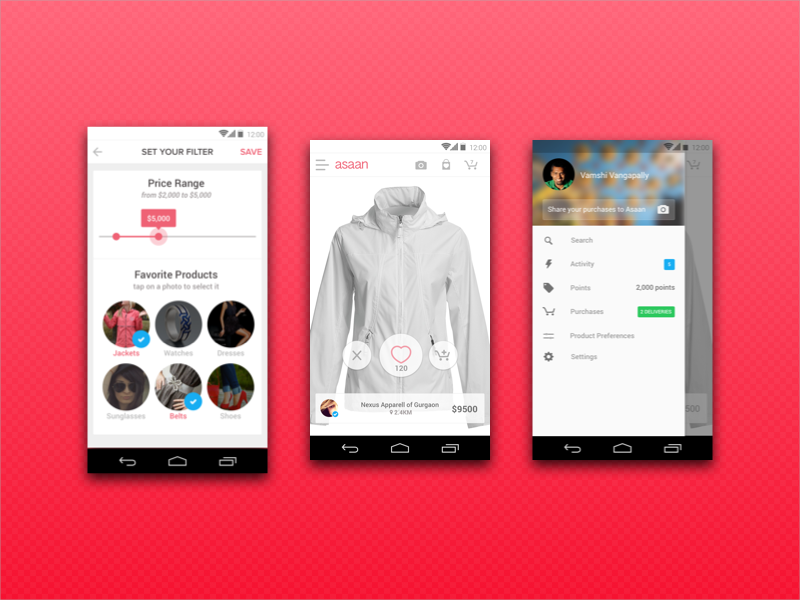
In summary, building smart shopping reminders with AI transforms a mundane task into a personalized and proactive experience. By understanding the underlying technologies, meticulously managing data, and focusing on user experience, we can create systems that not only remind us but also anticipate our needs, ultimately enhancing our shopping journeys in meaningful ways.