How to create grocery lists with AI sets the stage for this enthralling narrative, offering readers a glimpse into a story that is rich in detail with formal and friendly language style and brimming with originality from the outset.
Leveraging intelligent systems to craft your grocery lists is an innovative approach that transforms a common household chore into an efficient and personalized experience. This method harnesses the power of artificial intelligence to streamline meal planning, reduce food waste, and even optimize your budget, making grocery shopping smarter and more effective than ever before.
Understanding the Core Concept

Leveraging artificial intelligence for grocery list creation transforms a routine task into an efficient and personalized experience. This approach moves beyond simple manual entry by employing intelligent systems to anticipate needs, optimize choices, and streamline the entire planning process. The fundamental idea is to use AI to analyze your habits, preferences, and available resources, thereby generating a grocery list that is not only comprehensive but also tailored to your specific circumstances.AI-powered grocery list generation works by processing various data points.
This can include past purchase history, dietary restrictions, meal plans, current pantry inventory, and even external factors like seasonal availability or sales promotions. By understanding these inputs, the AI can suggest items you might need, remind you of staples running low, and even propose recipes based on what you already have or what’s on sale. The benefits extend to saving time, reducing food waste by preventing impulse buys or overstocking, and ensuring you always have the ingredients for planned meals.
AI Assistance in Grocery Planning
The integration of AI into grocery list creation offers a significant upgrade from traditional methods. Instead of manually compiling a list, users can interact with AI tools that learn and adapt to their unique shopping patterns and culinary preferences. This intelligent assistance aims to make grocery planning more intuitive, efficient, and less prone to oversight.The benefits of employing AI systems for grocery planning are multifaceted and directly address common pain points in the shopping experience:
- Time Savings: Automating list generation and item suggestions drastically reduces the time spent on planning.
- Cost Optimization: AI can identify sales, suggest budget-friendly alternatives, and help avoid duplicate purchases, leading to potential savings.
- Reduced Food Waste: By tracking inventory and suggesting meals based on existing items, AI helps ensure that food is consumed before it spoils.
- Personalized Recommendations: AI learns dietary needs, allergies, and taste preferences, providing tailored suggestions.
- Enhanced Meal Planning: Integration with recipe databases allows AI to suggest meals and automatically add necessary ingredients to the list.
- Convenience: Accessing and managing lists through apps or smart home devices offers unparalleled ease of use.
Common Scenarios for AI-Assisted Grocery Lists
The utility of AI-driven grocery list creation becomes particularly evident in several common, everyday scenarios. These situations highlight how intelligent systems can proactively solve problems and enhance the overall efficiency of grocery shopping for individuals and families alike.The following scenarios illustrate where AI assistance proves most valuable:
- Busy Professionals or Families: For those with demanding schedules, AI can automate the initial list creation, allowing for quick reviews and modifications. For instance, a parent can input their family’s weekly meal plan, and the AI can automatically generate a list of all required ingredients, factoring in existing pantry items.
- Individuals with Specific Dietary Needs: People managing allergies, intolerances (e.g., gluten-free, dairy-free), or following specific diets (e.g., keto, vegan) benefit immensely. The AI can be programmed with these restrictions, ensuring that all suggested items comply, thereby preventing accidental purchases of unsuitable products. An example would be an AI suggesting only almond milk and gluten-free pasta when prompted for pasta night ingredients.
- Budget-Conscious Shoppers: AI can be trained to prioritize items that are currently on sale or offer better value. It can also suggest generic brands or bulk purchase options when appropriate, helping users stick to their budget. Imagine an AI highlighting that a specific brand of cereal is 20% off this week and recommending it over a similar, more expensive option.
- Reducing Food Waste: AI can track the approximate expiry dates of items in a digital pantry and suggest recipes that utilize ingredients nearing their expiration. This proactive approach helps prevent food from going to waste. A user might receive a notification: “Your spinach is best used within the next two days. Consider making a spinach salad or adding it to your omelet.”
- Impulse Purchase Prevention: By having a well-structured, AI-generated list, shoppers are less likely to deviate and make unplanned purchases. The AI acts as a digital guide, keeping the focus on necessary items.
- New Homeowners or Those Stocking a New Kitchen: AI can help create a comprehensive starter list of pantry staples and essential cooking ingredients, ensuring no critical items are forgotten when setting up a new household.
The intelligent integration of AI into grocery list creation shifts the paradigm from a reactive task to a proactive strategy, optimizing resource management and personalizing the shopping experience.
Methods for AI-Assisted List Creation
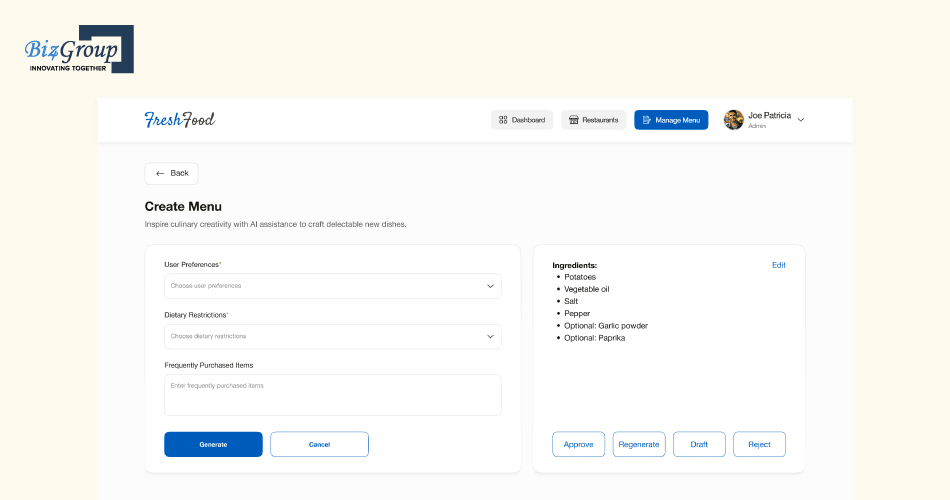
Leveraging artificial intelligence for grocery list creation offers a dynamic and personalized approach, moving beyond static, manually compiled lists. These intelligent systems employ various strategies to understand user needs and streamline the shopping process.Intelligent systems can generate grocery lists through several distinct methods, each offering unique benefits. These approaches range from simple pattern recognition to sophisticated predictive modeling, all designed to make grocery planning more efficient and tailored to individual households.
Approaches to AI-Generated Grocery Lists
AI systems can adopt multiple methodologies to construct grocery lists. These methods often work in conjunction to provide a comprehensive and adaptive user experience.
- Recipe-Based Generation: The AI analyzes recipes a user intends to cook and automatically adds the required ingredients to the grocery list. This is particularly useful for meal planning and ensuring all necessary items are purchased.
- Past Purchase Analysis: By examining a user’s historical shopping data, AI can predict frequently bought items and suggest their inclusion on the current list. This method helps prevent running out of staples.
- Dietary and Nutritional Goal Integration: Users can specify dietary preferences (e.g., vegan, gluten-free) or health goals (e.g., low-sodium, high-protein). The AI then suggests items that align with these requirements.
- Pantry and Fridge Inventory Tracking: Advanced systems can integrate with smart refrigerators or allow manual input of current pantry stock. The AI then cross-references this inventory with planned meals or usual consumption patterns to avoid duplicate purchases.
- Seasonal and Promotional Awareness: Some AI systems can incorporate information about seasonal produce availability and current store promotions, suggesting items that are fresh and cost-effective.
User Interaction with an Intelligent Grocery List System
Engaging with an AI-powered grocery list tool typically involves a guided, interactive process. The system learns and adapts based on user input and feedback throughout this interaction.
- Initial Setup and Preference Input: The user begins by providing basic information, such as household size, dietary restrictions, and any specific meal plans or recipes they have in mind.
- Recipe Selection or Meal Planning: The user can input specific recipes they wish to prepare or Artikel general meal ideas for the week. The AI then identifies the ingredients needed for these.
- Review and Refinement: The AI presents a preliminary list. The user reviews this list, adding, removing, or modifying items as needed. This is a crucial step for the AI to learn individual preferences.
- Pantry/Inventory Check (Optional): If the system supports inventory tracking, the user may be prompted to confirm or update their current stock of items. The AI will then adjust the list accordingly.
- Finalization and Shopping: Once satisfied, the user finalizes the list. The AI can then organize it by store aisle or category for efficient shopping.
Learning User Preferences Over Time
Intelligent systems excel at adapting to individual users through continuous learning. This personalization ensures that grocery lists become increasingly accurate and relevant with each use.The learning process is multifaceted, involving the analysis of various user interactions and data points.
- Implicit Feedback: When a user consistently removes an item the AI suggests, the system learns that this item is not a priority or is perhaps already stocked. Conversely, items frequently added or kept on the list reinforce their importance.
- Explicit Feedback: Users can actively provide feedback. This might include rating suggested items, marking certain brands as preferred or disliked, or directly telling the AI about dietary changes or new preferences.
- Purchase Patterns: The AI observes which items are frequently purchased together (e.g., pasta and pasta sauce) and can proactively suggest complementary items. It also learns the typical frequency of purchasing certain goods (e.g., milk every week, bread every few days).
- Recipe Adaptation: If a user frequently substitutes ingredients in recipes or omits certain items, the AI will learn these culinary habits and adjust future recipe-based suggestions accordingly.
- Contextual Learning: The AI can learn that certain items are needed more frequently during specific seasons (e.g., grilling supplies in summer) or for particular events.
This continuous feedback loop allows the AI to evolve from a basic list generator to a personalized shopping assistant that anticipates needs and preferences with remarkable accuracy.
Key Features and Functionalities
As you explore the world of AI-powered grocery list creation, understanding the core features that make these tools truly intelligent is paramount. These functionalities go beyond simple item entry, offering a dynamic and personalized approach to your shopping experience. Let’s delve into the essential capabilities that elevate an AI grocery list generator from a basic tool to an indispensable kitchen assistant.
Essential Features of an Intelligent Grocery List Generator
When selecting an AI grocery list generator, certain features stand out for their ability to streamline your shopping and meal planning. These are the hallmarks of a truly smart assistant, designed to save you time, reduce waste, and cater to your specific needs.
Here are the key features to look for:
- Smart Item Suggestion: The ability to suggest items based on past purchases, popular trends, or even the time of year. For instance, as summer approaches, it might proactively suggest barbecue essentials.
- Recipe Integration: Seamlessly connects grocery items to potential recipes, making meal planning effortless.
- Pantry and Fridge Tracking: Maintains an inventory of what you already have, preventing duplicate purchases and highlighting items nearing expiration.
- Dietary and Allergy Filtering: Allows users to specify dietary preferences (e.g., vegetarian, gluten-free) and allergies, ensuring generated lists only include suitable ingredients.
- Smart Categorization: Organizes your list by grocery store aisle or category (produce, dairy, frozen, etc.) for efficient shopping.
- Voice Input and Natural Language Processing: Enables users to add items using voice commands or natural conversational language, such as “Add milk and eggs to my list.”
- Budget Tracking: Some advanced tools can estimate the cost of your list and help you stay within your budget.
- Sharing Capabilities: Allows lists to be shared with family members or housemates, facilitating collaborative shopping.
Recipe Suggestion Based on Ingredients or Desired Meals
Intelligent grocery list generators excel at bridging the gap between what you have and what you want to cook. They can analyze your existing pantry inventory or your expressed meal preferences to suggest relevant recipes. This not only simplifies meal planning but also helps in utilizing ingredients before they spoil.
The process typically involves:
- Ingredient-Based Suggestions: If you have chicken breasts and broccoli, the AI can search its database for recipes that prominently feature these ingredients, such as “Chicken and Broccoli Stir-fry” or “Roasted Chicken with Broccoli.”
- Meal-Based Suggestions: Conversely, if you express a desire for a “quick weeknight pasta dish,” the AI can suggest recipes and then generate a list of the necessary ingredients you might be missing.
- Nutritional Consideration: Advanced systems can also factor in nutritional goals or dietary guidelines when suggesting recipes, aligning your meals with your health objectives.
“Leveraging AI for recipe suggestions transforms your grocery list from a static shopping guide into a dynamic meal planning companion.”
Pantry Inventory Tracking and Replenishment Suggestions
One of the most powerful functionalities of an AI grocery list generator is its ability to act as a virtual pantry manager. By keeping track of the items you have on hand, it can intelligently suggest when it’s time to restock.
This feature operates through:
- Manual Input and Scanning: Users can manually add items to their virtual pantry or, in some cases, scan barcodes as they put groceries away.
- Usage Tracking: The AI learns your consumption patterns. For example, if you typically use a carton of milk every three days, it will anticipate when you’re running low.
- Expiration Date Monitoring: Some systems allow you to input expiration dates, prompting you to use items before they expire or suggesting recipes that incorporate them.
- Automated Replenishment Lists: Based on inventory levels and consumption rates, the AI can automatically add items to your grocery list that are running low or have expired. For instance, if your virtual pantry shows only one can of diced tomatoes left and you frequently use them for sauces, the AI will add “Diced Tomatoes” to your next shopping list.
Integrating Dietary Restrictions or Allergies into List Generation
Ensuring your grocery list caters to specific dietary needs and allergies is crucial for health and well-being. Intelligent systems offer a robust workflow to integrate these requirements seamlessly into the list generation process.
The workflow for integrating dietary restrictions and allergies typically includes:
- Profile Setup: Users create a personal profile within the AI application where they can explicitly list all dietary restrictions (e.g., vegan, keto, low-FODMAP) and specific allergies (e.g., peanuts, dairy, shellfish).
- Ingredient Database Tagging: The AI’s underlying ingredient database is meticulously tagged with information pertaining to common allergens, dietary categories, and nutritional profiles. For example, an ingredient like “almonds” would be tagged as “nut,” “vegan,” and “gluten-free.”
- Recipe Filtering: When the AI suggests recipes, it cross-references them with the user’s profile. Recipes containing allergens or ingredients that violate dietary restrictions are automatically excluded or flagged.
- List Generation with Exclusion: When generating a grocery list, whether manually or based on recipes, the AI filters out any items that are not compatible with the user’s dietary profile. If a recipe calls for cheese, but the user has a dairy allergy, the AI will either omit the recipe or suggest a dairy-free alternative and add appropriate substitutes to the list.
- User Override and Confirmation: While the AI aims for accuracy, users always have the ability to review and manually override suggestions, ensuring complete control over their dietary choices. For example, if the AI flags a dish as “contains gluten” and the user knows a specific ingredient is actually gluten-free, they can correct it.
This integrated approach ensures that every item added to your grocery list is safe, suitable, and aligned with your personal health requirements, providing peace of mind with every shop.
Practical Applications and Examples

Intelligent systems offer a versatile toolkit for streamlining the grocery list creation process, adapting to a wide array of individual and household needs. By leveraging AI, users can move beyond simple itemization to generate highly personalized and optimized shopping lists that cater to specific dietary requirements, budget constraints, and even culinary aspirations. This section explores the diverse ways AI can transform how we approach grocery shopping.The power of AI in grocery list generation lies in its ability to process and interpret user input, understand context, and make intelligent recommendations.
This allows for a level of personalization and efficiency that manual list-making often cannot achieve, ultimately saving time, reducing waste, and potentially improving dietary habits.
AI-Generated Lists for Specific Needs
Intelligent systems can be tailored to generate grocery lists for a variety of scenarios, ensuring that all necessary items are accounted for while considering specific constraints. This proactive approach helps in efficient planning and execution, whether for a regular weekly shop or a special event.
- Weekly Meal Planning: AI can analyze user-provided meal plans or preferences and generate a comprehensive list of ingredients required for the week’s meals. This includes quantities, specific brands if preferred, and can even suggest alternative ingredients based on availability or dietary needs. For instance, if a user inputs “Monday: Lentil Soup, Tuesday: Chicken Stir-fry,” the AI can break down the required vegetables, proteins, spices, and pantry staples for both dishes.
- Party and Event Planning: For gatherings, AI can create lists based on the number of guests, type of cuisine, and specific recipes. It can also factor in quantities for appetizers, main courses, desserts, and beverages, ensuring no essential item is forgotten. A user planning a barbecue for 20 people might input “BBQ for 20, includes burgers, corn on the cob, potato salad,” and the AI would generate a list for buns, ground beef, corn, potatoes, mayonnaise, and other related items.
- Budget-Conscious Shopping: AI can optimize lists to stay within a set budget. It can identify cost-effective alternatives, suggest items that are on sale, or prioritize essential ingredients over more expensive optional ones. For example, if a budget is set at $100 for the week, the AI might suggest buying chicken thighs instead of breasts, opting for seasonal vegetables, and highlighting store-brand products.
- Dietary and Allergen Management: For individuals with specific dietary needs (e.g., gluten-free, vegan, low-carb) or allergies, AI can generate lists that strictly adhere to these requirements. It can filter out ingredients containing allergens or non-compliant items, providing a safe and convenient shopping experience. A user following a keto diet could input their meal preferences, and the AI would ensure all suggested ingredients are low in carbohydrates and high in healthy fats.
Inputting Information for Personalized List Creation
The effectiveness of AI-assisted grocery list generation hinges on the quality and specificity of the information provided by the user. Intelligent systems are designed to interpret various forms of input, from simple text commands to more structured data.A common method involves direct text input, where users can type in their meal ideas, desired recipes, or general shopping needs. For example, a user might type: “Need ingredients for lasagna and a salad for 4 people.
Also, milk, eggs, and bread.” The AI parses this, identifying the core requests and generating a detailed list.More advanced systems allow for structured input through predefined categories or by connecting to recipe databases. Users might select recipes from a digital cookbook, and the AI automatically extracts the necessary ingredients. Personalization can be further enhanced by allowing users to specify:
- Dietary Restrictions: Explicitly stating allergies, intolerances, or lifestyle choices (e.g., “no dairy,” “vegan,” “pescatarian”).
- Preferred Brands or Stores: Indicating brand loyalty or prioritizing items from specific retailers.
- Pantry Staples: Informing the AI about existing ingredients to avoid unnecessary purchases.
- Budget Limits: Setting a maximum spending amount for the shopping trip.
- Meal Preferences: Highlighting favorite cuisines or specific dishes.
The AI then processes this information to create a highly tailored grocery list, minimizing guesswork and maximizing relevance.
Comparative Overview of Intelligent System Approaches
Different intelligent systems employ various strategies for generating grocery lists, each with its own strengths and methodologies. Understanding these approaches can help users select the most suitable tool for their needs.
| Approach | Description | Strengths | Considerations |
|---|---|---|---|
| Rule-Based Systems | Utilize predefined rules and logic to generate lists. For example, a rule might state: “If recipe is ‘Spaghetti Bolognese’, add ‘ground beef’, ‘tomatoes’, ‘pasta’.” | Predictable and straightforward for common tasks. Easy to understand the logic behind the list. | Can be rigid and struggle with novel requests or complex combinations. Requires extensive manual rule creation. |
| Machine Learning (ML) Models | Learn from vast datasets of recipes, user purchasing habits, and ingredient correlations to make predictions and recommendations. | Highly adaptable and can generate creative suggestions. Can personalize lists based on historical data and evolving preferences. | Requires significant data for training. The “black box” nature can sometimes make it difficult to understand the reasoning. |
| Natural Language Processing (NLP) Enhanced Systems | Focus on understanding and interpreting human language input, allowing for more conversational and flexible interactions. | Intuitive for users who prefer to describe their needs naturally. Can handle nuanced requests and context. | Accuracy depends on the sophistication of the NLP model. May require more detailed phrasing for optimal results. |
| Hybrid Approaches | Combine elements of the above, such as using ML for recommendations and NLP for input processing, often with a rule-based system for core logic. | Offers a balanced approach, leveraging the strengths of multiple methodologies for robust and user-friendly list generation. | Can be more complex to develop and maintain. |
Hypothetical User Journey: Effortless Grocery Planning
Let’s imagine Sarah, a busy working parent, who wants to plan her family’s meals for the upcoming week and create a corresponding grocery list.
1. Initiation
Sarah opens her preferred AI grocery list application on her smartphone. She taps on the “Meal Planner” feature.
2. Inputting Needs
Sarah types, “Plan 5 dinners for my family of 4. We like Italian and Mexican. My son is allergic to nuts. Keep it under $150.”
3. AI Processing & Suggestions
The AI processes Sarah’s request. It accesses its database of recipes, filters them for Italian and Mexican cuisine, excludes any with nuts, and prioritizes recipes that are generally cost-effective for a family of four. Within seconds, it presents Sarah with five dinner options:
Spaghetti Bolognese with a side salad
Chicken Fajitas with rice and beans
Homemade Pizza (with nut-free pesto option)
Tacos with ground beef and all the fixings
Lasagna
4. Review and Customization
Sarah reviews the suggestions. She likes all of them but decides to swap the Lasagna for “Chicken Alfredo Pasta” as her kids have been requesting it. She taps to make the substitution. The AI instantly updates the meal plan.
5. List Generation
With the meal plan finalized, Sarah taps “Generate Grocery List.” The AI compiles a comprehensive list of all ingredients required for the five chosen meals, automatically cross-referencing with common pantry staples she usually has on hand (based on her past usage patterns, which the AI has learned). It also ensures all quantities are appropriate for a family of four.
6. Budget Check
The AI provides an estimated total cost for the generated list, which comes in at $135, well within Sarah’s $150 budget. It highlights a few items that are currently on sale at her preferred supermarket.
7. Finalization and Shopping
Sarah quickly scans the list, adds a few personal items like “yogurt” and “bananas,” and then taps “Save List.” The list is now organized by aisle for efficient shopping. She can either print it or use it directly from her phone as she navigates the grocery store, confident that she has everything she needs without overspending or forgetting crucial ingredients.This hypothetical journey demonstrates how AI can transform a potentially time-consuming task into a seamless and personalized experience, empowering users to manage their grocery shopping with unprecedented ease and efficiency.
Advanced Capabilities and Future Potential
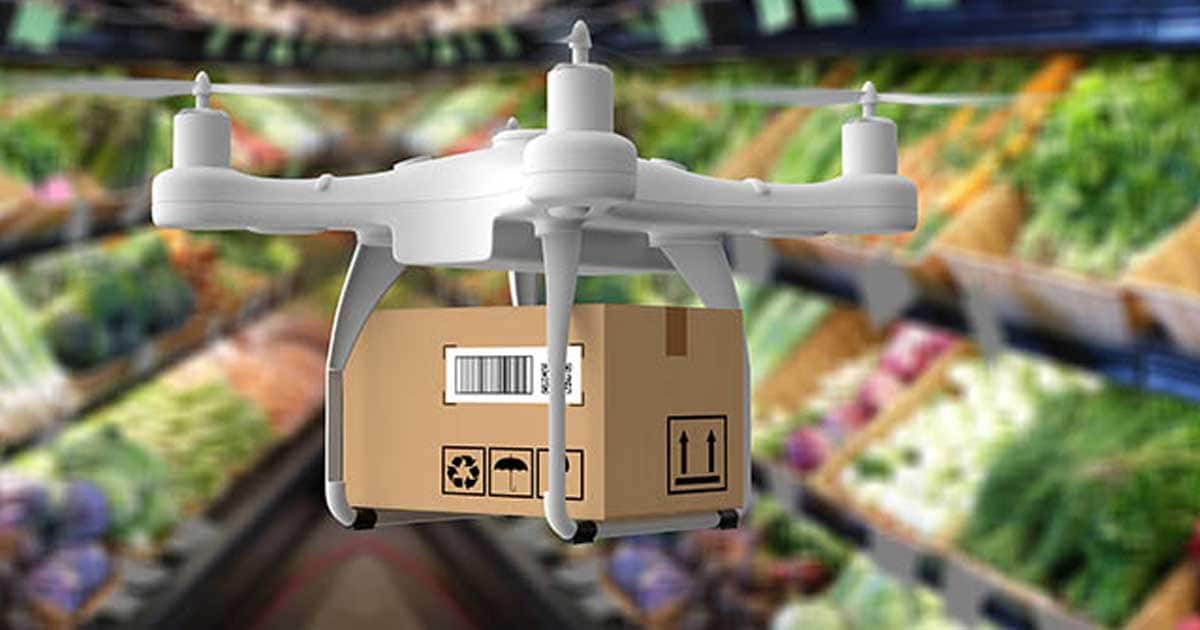
The evolution of AI in grocery list creation extends far beyond simple itemization. Intelligent systems are poised to become sophisticated culinary and financial advisors, fundamentally changing how we approach food procurement and management. These advancements aim to make grocery shopping more efficient, economical, and environmentally conscious.As AI technology matures, we can anticipate increasingly sophisticated features that proactively assist consumers. This section explores these advanced capabilities and the exciting future potential of AI-powered grocery planning, moving from optimization and integration to predictive and comprehensive food management.
Cost Savings and Waste Reduction Optimization
Intelligent grocery list generators can significantly impact household budgets and environmental sustainability by actively optimizing for cost savings and minimizing food waste. This is achieved through a combination of data analysis and intelligent recommendation algorithms.AI systems can analyze current grocery prices from various retailers, factoring in sales, coupons, and loyalty program benefits. They can also cross-reference this with user purchasing history and dietary preferences to suggest the most economical choices for required items.
Furthermore, by tracking pantry inventory and expiration dates, AI can prioritize the use of existing ingredients, thereby reducing the likelihood of spoilage and waste.
- Price Comparison and Deal Integration: AI algorithms can scan flyers and online deals from multiple supermarkets, identifying the best prices for staple items and suggesting optimal shopping locations or timing to maximize savings.
- Recipe Suggestion based on Inventory: By understanding what ingredients are already available and their approaching expiration dates, AI can propose recipes that utilize these items, preventing them from going to waste.
- Bulk Buying Recommendations: For non-perishable items that are frequently used, AI can identify cost efficiencies of purchasing in larger quantities, while also considering storage capacity.
- Portioning and Meal Planning for Reduced Waste: AI can help in planning meals with precise portion sizes, ensuring that only the necessary amount of ingredients are purchased, thus reducing leftover food and subsequent waste.
Integration with Smart Home Devices
The seamless integration of AI-powered grocery list generators with smart home ecosystems promises a more automated and intuitive food management experience. This connectivity allows for real-time updates and proactive assistance, making the entire process of stocking and managing a kitchen effortless.Smart refrigerators, for instance, can automatically detect when an item is running low or has expired, directly feeding this information into the AI list generator.
Voice assistants can be used to add items to the list simply by speaking, and smart ovens could even suggest recipes based on the contents of the smart fridge and the user’s dietary profile.
- Smart Refrigerator Inventory Sync: Refrigerators equipped with internal cameras or sensors can track consumed items and their quantities, automatically updating the grocery list when stock is depleted.
- Voice Command Integration: Users can add items to their grocery list, check existing stock, or even ask for recipe suggestions by simply speaking to their smart home assistant (e.g., Amazon Alexa, Google Assistant).
- Automated Reordering: For frequently purchased, non-perishable items, AI can be set to automatically reorder them once a certain threshold is reached, ensuring consistent supply.
- Smart Appliance Collaboration: AI can coordinate with smart ovens or other cooking appliances to suggest meals based on available ingredients and user preferences, and then add any missing items to the grocery list.
Potential Future Advancements in AI-Powered Grocery Planning
The trajectory of AI in grocery planning points towards even more sophisticated and personalized capabilities. Future systems are likely to move beyond reactive list generation to proactive, holistic food management solutions.These advancements will likely focus on deeper personalization, predictive analytics for health and dietary needs, and even the integration of sustainable food sourcing information. The goal is to create a system that not only tells you what to buy but also helps you make healthier, more sustainable, and more enjoyable food choices.
- Personalized Nutritional Planning: AI will analyze user health data, dietary restrictions, and fitness goals to generate grocery lists that are optimized for individual nutritional needs, potentially even suggesting specific brands or types of food for maximum health benefits.
- Predictive Consumption Analysis: By learning household consumption patterns, AI could predict future needs and suggest purchases before items are even depleted, preventing last-minute rushes and ensuring optimal stock levels.
- Sustainable Sourcing and Ethical Consumption Guidance: Future AI could provide information on the environmental impact and ethical sourcing of food products, guiding users towards more sustainable choices and potentially even identifying local producers.
- Automated Pantry Management and Expiration Alerts: Advanced systems will not only track inventory but also provide detailed expiration date management, sending proactive alerts and suggesting recipes to use items nearing their end-of-life.
Intelligent System Managing a Family’s Entire Food Procurement Process: A Scenario
Imagine a busy family of four, the Smiths, whose entire food procurement process is managed by an intelligent AI system named “Nourish.” Nourish is integrated with their smart refrigerator, pantry sensors, a shared family calendar, and even their fitness trackers.On a Monday morning, Nourish analyzes the family’s calendar for the week, noting that two family members have late-night study sessions and a busy work schedule for the parents.
It also checks the smart refrigerator, which indicates they are low on milk, eggs, and a specific type of cheese used in their favorite pasta dish. The pantry sensors show that their usual brand of whole-wheat pasta is running low, and the fruit bowl is nearly empty.Based on the family’s dietary profiles, which include a mild dairy intolerance for one child and a preference for lean protein, Nourish cross-references these needs with current sales at their preferred local grocery store.
It identifies that the store has a special on organic chicken breasts and a good price for lactose-free milk. It also notes that a particular brand of spinach, often used in their salads, is on offer.Nourish generates a preliminary grocery list, prioritizing items that are running low and those on sale. It then suggests a meal plan for the week, taking into account the busy schedule and dietary needs.
For example, it proposes a quick chicken stir-fry for Tuesday, utilizing the chicken breasts and available vegetables, and a hearty lentil soup for Wednesday, using pantry staples and a small amount of fresh produce.Before finalizing, Nourish sends a summary to the Smiths’ smartphones: “Good morning! Based on your inventory and schedule, here’s a suggested meal plan and grocery list for the week.
We’re low on milk, eggs, and pasta. I’ve included organic chicken breasts (on sale) for a stir-fry and lactose-free milk. Please review and let me know if you’d like any adjustments.”Mr. Smith quickly reviews the list on his phone while commuting. He notices they have plenty of eggs from a previous bulk purchase and asks Nourish to remove them.
He also requests to swap the spinach for kale, as his daughter prefers it. Nourish instantly updates the list and meal plan, confirming the changes.Later that day, Mrs. Smith uses her voice assistant to add “birthday candles” to the list for an upcoming party. Nourish acknowledges the request and adds it to the master list.On Friday, Nourish sends a reminder: “Your grocery order for pickup tomorrow at 10 AM is confirmed.
Remember to check your pantry for any last-minute additions before you head out. I’ve also noticed your coffee beans are running low; would you like to add them?”This comprehensive approach, from inventory management and price optimization to personalized meal planning and proactive reminders, illustrates how an intelligent system can manage the entire food procurement lifecycle for a family, saving time, money, and reducing waste.
Ending Remarks

In conclusion, the integration of AI into grocery list creation offers a compelling pathway to more organized, economical, and mindful consumption. From understanding user preferences to optimizing for cost and minimizing waste, these intelligent tools are poised to revolutionize how we approach food procurement, promising a future where grocery planning is seamless and remarkably intuitive.