Beginning with how to organize calendar with ai, the narrative unfolds in a compelling and distinctive manner, drawing readers into a story that promises to be both engaging and uniquely memorable.
This comprehensive guide explores the transformative power of artificial intelligence in streamlining your daily schedule. We will delve into how AI can assist in managing both personal and professional commitments, detailing its core functionalities and the common tools available for enhanced scheduling and time management. From initial setup and integration to advanced features like task prioritization, time blocking, and predictive capabilities, this content offers a clear path to optimizing your calendar.
Understanding AI’s Role in Calendar Management
Artificial intelligence is rapidly transforming how we manage our time and commitments. Beyond simple reminders, AI tools are now capable of intelligently organizing, optimizing, and even proactively managing our calendars, offering a sophisticated approach to personal and professional scheduling. This technology aims to reduce the cognitive load associated with planning, ensuring that your schedule works for you, rather than the other way around.AI’s core strength in calendar management lies in its ability to process vast amounts of data, learn patterns, and make intelligent recommendations.
It can analyze your existing commitments, understand your priorities, and identify potential conflicts or inefficiencies. This allows for a more dynamic and responsive scheduling experience, freeing up valuable mental energy for more critical tasks.
Core Functionalities of AI in Calendar Organization
AI-powered calendar tools offer a suite of advanced features designed to streamline scheduling and enhance productivity. These functionalities go beyond basic event entry to provide intelligent assistance.
- Automated Scheduling: AI can find optimal meeting times based on the availability of all participants, considering their preferred working hours and existing appointments.
- Conflict Resolution: When new events are proposed or existing ones shift, AI can automatically detect and flag potential conflicts, suggesting alternative times or solutions.
- Smart Reminders and Prioritization: AI learns your habits and deadlines to provide timely and context-aware reminders, helping you stay on track and prioritize tasks effectively. It can even suggest rescheduling less critical items if a high-priority event arises.
- Time Blocking and Task Management: AI can help you allocate specific blocks of time for tasks, ensuring that important work gets done. It can also integrate with task management systems to pull deadlines and suggest optimal times for completion.
- Learning and Adaptation: Over time, AI algorithms learn your preferences, travel times, and work patterns, becoming increasingly adept at managing your schedule with minimal manual input.
Common Types of AI Tools for Scheduling and Time Management
The landscape of AI-driven scheduling tools is diverse, catering to various needs and user preferences. These tools often integrate with existing calendar platforms or offer standalone scheduling solutions.
The following are some prevalent categories of AI tools that are enhancing calendar organization:
- Intelligent Assistants: Tools like Google Assistant, Siri, and Alexa can be used to add events, set reminders, and query your schedule using natural language commands. They are increasingly capable of understanding context and performing complex scheduling actions.
- AI-Powered Scheduling Platforms: Dedicated platforms such as Calendly, x.ai, and Clockwise utilize AI to automate the entire meeting scheduling process. They can communicate with participants, find mutually agreeable times, and send out calendar invitations without manual intervention.
- Productivity Suites with AI Features: Major productivity platforms like Microsoft Outlook and Google Workspace are incorporating AI features directly into their calendar applications. This includes smart suggestions for meeting times, automated travel time calculations, and AI-driven insights into how time is being spent.
- Time Tracking and Analysis Tools: While not strictly calendar organizers, AI-powered time tracking applications can analyze how you spend your time and provide insights that inform future calendar planning. This data can then be used to optimize your schedule for better focus and efficiency.
“AI doesn’t just organize your calendar; it optimizes your time, making every minute count.”
Setting Up AI-Powered Calendars
Transitioning to an AI-powered calendar system can significantly enhance your scheduling efficiency and productivity. This process involves integrating AI capabilities with your current calendar platform, configuring its intelligent features, and providing the necessary data for optimal performance. By following these steps, you can unlock the full potential of AI in managing your time.
Integrating AI with Existing Calendar Platforms
Most modern calendar applications offer integration points for AI assistants or dedicated AI scheduling tools. The integration process typically involves granting permissions and connecting accounts.
Here’s a general step-by-step guide:
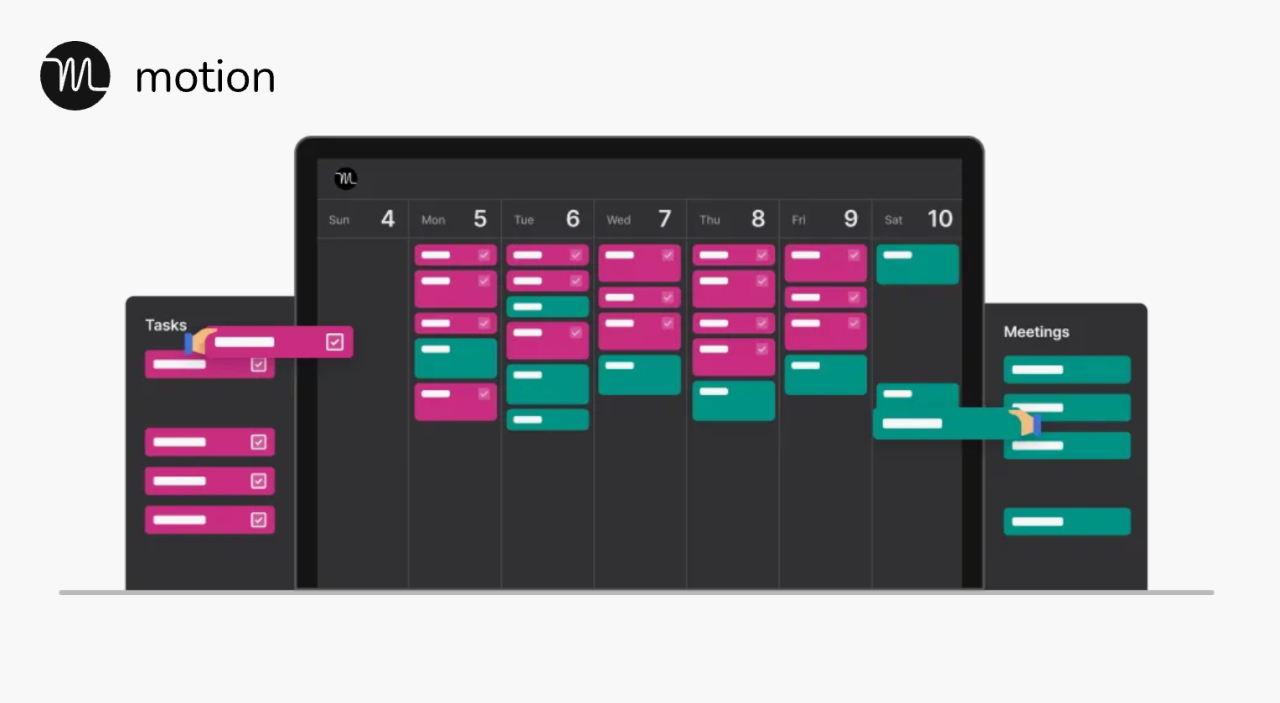
- Choose an AI Scheduling Tool or Feature: Many calendar platforms like Google Calendar, Outlook Calendar, and Apple Calendar have built-in AI features or support third-party AI scheduling assistants (e.g., Calendly, Motion, Clara). Research and select the one that best suits your needs.
- Access Integration Settings: Navigate to the settings or preferences section of your chosen calendar platform. Look for options related to “Integrations,” “Connected Apps,” or “Third-Party Services.”
- Initiate Connection: Within the integration settings, find the option to add your AI scheduling tool. This usually involves clicking an “Add,” “Connect,” or “Enable” button.
- Authorize Access: You will likely be prompted to log in to your AI scheduling tool’s account or authorize it to access your calendar data. Carefully review the permissions requested to ensure you are comfortable with what the AI will be able to do. Common permissions include reading, writing, and modifying calendar events.
- Configure Sync Settings: Once connected, you may have options to configure how the AI syncs with your calendar. This could include specifying which calendars the AI should manage, how frequently it should sync, and whether it should create new events or only suggest them.
- Link Accounts (if applicable): If the AI tool requires separate login credentials, you will need to provide them during the setup process.
Configuring AI Settings for Optimal Scheduling Assistance
Once integrated, tailoring the AI’s settings is crucial for it to function effectively according to your preferences and workflow. This involves defining your availability, priorities, and communication styles.
To maximize the benefits of your AI calendar assistant, consider the following configuration aspects:
- Define Working Hours and Availability: Clearly set your standard working hours, including any breaks or specific times you are unavailable. Many AI tools allow you to define recurring availability or set one-off unavailability periods.
- Set Meeting Preferences: Configure default meeting durations, buffer times between meetings, and preferred meeting locations (e.g., virtual meeting links, physical addresses). This ensures that the AI respects your time and minimizes back-to-back scheduling conflicts.
- Prioritize Tasks and Events: Some AI systems allow you to assign priority levels to different types of events or tasks. This helps the AI make informed decisions when conflicts arise, ensuring that high-priority items are always accommodated.
- Specify Meeting Participants and Rules: You can often set rules for who the AI should automatically accept meetings from, or if it needs to seek your approval for certain invitations. This is particularly useful for managing external requests.
- Integrate with Other Tools: Connect your AI calendar to other productivity tools you use, such as project management software, CRM systems, or communication platforms. This allows the AI to gather more context for scheduling decisions.
- Customize Notification Settings: Adjust how and when you receive notifications for upcoming events, scheduling changes, or potential conflicts. This ensures you stay informed without being overwhelmed.
Organizing Initial Data Input Requirements for AI Calendar Optimization
The accuracy and usefulness of an AI calendar heavily depend on the quality and completeness of the initial data you provide. This data acts as the foundation upon which the AI builds its understanding of your schedule and preferences.
To ensure your AI calendar is optimized from the start, focus on providing the following essential data:
- Existing Calendar Data: Import or sync all your current appointments, meetings, and commitments from your existing calendar. This provides the AI with a comprehensive view of your historical and current schedule.
- Contact Information: Link your contacts or provide key information about frequent collaborators. This allows the AI to understand relationships and potential scheduling complexities with specific individuals.
- Project and Task Information: If you use project management tools, integrate them or input key project deadlines and task durations. This helps the AI allocate time for important work.
- Travel Time Preferences: Specify how much travel time you typically require between appointments, especially if they are in different locations.
- Personal Commitments: Include recurring personal appointments, family commitments, or important personal events. This helps the AI maintain a healthy work-life balance in its scheduling suggestions.
- Preferred Meeting Types: Categorize your meetings (e.g., client calls, internal team meetings, brainstorming sessions) and specify their typical durations or any special requirements.
The effectiveness of AI in calendar management is directly proportional to the quality and completeness of the data it receives.
Leveraging AI for Task Prioritization and Scheduling
As we move beyond the initial setup of AI-powered calendars, the true power of artificial intelligence in managing our time becomes evident through its sophisticated capabilities in task prioritization and scheduling. AI algorithms can analyze vast amounts of data, including deadlines, dependencies, and estimated effort, to help us focus on what truly matters and ensure our days are structured for maximum productivity.AI’s ability to understand the nuances of our workload transforms a static to-do list into a dynamic, intelligent system.
It moves beyond simple chronological ordering to a strategic approach, ensuring that our efforts are consistently aligned with our most critical objectives. This intelligent approach frees up mental bandwidth, allowing us to concentrate on execution rather than the perpetual mental gymnastics of deciding what to do next.
AI Algorithms for Task Prioritization
AI leverages sophisticated algorithms, often drawing from principles of machine learning and operations research, to intelligently rank tasks. These algorithms consider multiple factors to determine the optimal order of execution, moving beyond simple deadlines.The process typically involves several key inputs and analytical steps:
- Urgency: This is determined by explicit deadlines, approaching events, or time-sensitive requests. AI can track these parameters and flag tasks that require immediate attention.
- Importance: AI can learn to associate tasks with strategic goals, project milestones, or recurring high-value activities. This often involves analyzing the impact of completing a task versus not completing it. For example, a task contributing directly to a major client project might be ranked higher than a routine administrative task, even if the latter has a nearer deadline.
- Dependencies: Many tasks are linked. AI can identify these dependencies, understanding that task B cannot begin until task A is completed. This ensures that prerequisite tasks are prioritized accordingly, preventing bottlenecks.
- Estimated Effort/Time: By learning from past task completion times or by utilizing user-defined estimates, AI can gauge the time commitment required for each task. This helps in realistic daily planning and prevents over-scheduling.
- Contextual Factors: AI can also consider external factors such as your energy levels at different times of the day (if you provide this data), the availability of collaborators, or even current traffic conditions if travel is involved in a task.
A common algorithmic approach is based on the Eisenhower Matrix (Urgent/Important), enhanced by AI’s ability to quantify and dynamically update these dimensions. For instance, AI might use a scoring system where each task receives a score based on its urgency, importance, and estimated effort. Tasks with higher scores are then presented at the top of the priority list.
“AI transforms a passive to-do list into an active strategic partner, guiding you towards your most impactful work.”
AI-Suggested Optimal Meeting and Appointment Times
Intelligent scheduling is a cornerstone of AI-powered calendar management, aiming to minimize disruptions and maximize focused work time. AI excels at finding the perfect slots for meetings by considering the availability and preferences of all participants, along with your own schedule and energy patterns.The process for AI to suggest optimal times involves:
- Cross-Referencing Availability: AI accesses the calendars of all invited participants (with appropriate permissions) to identify common free slots.
- Analyzing Meeting Types and Durations: Different meetings require different durations and have varying levels of importance. AI can learn or be instructed on these parameters. For example, a brainstorming session might benefit from a longer, uninterrupted slot, while a quick check-in can fit into a shorter window.
- Considering Time Zones: For distributed teams, AI automatically accounts for different time zones, proposing times that are reasonable for all attendees.
- Learning User Preferences: Over time, AI can learn your preferred times for meetings, such as avoiding early mornings or late afternoons, or prioritizing deep work blocks. It can also learn about the energy levels associated with different times of the day, suggesting meetings during peak productivity hours.
- Factoring in Travel Time and Preparation: If a meeting requires travel or pre-reading, AI can automatically add buffer time before and after the scheduled slot.
For example, if you need to schedule a 30-minute meeting with three colleagues in different time zones, an AI scheduler would scan all four calendars, identify potential 30-minute windows, and then cross-reference these with learned preferences (e.g., you prefer not to meet before 10 AM, one colleague prefers not to meet after 4 PM). The AI would then present the top 2-3 most convenient options.
Automatic Rescheduling of Conflicting Events
One of the most significant benefits of AI in calendar management is its ability to proactively resolve scheduling conflicts. Instead of manual intervention and potential back-and-forth emails, AI can intelligently rearrange events to accommodate new priorities or unforeseen changes.The process for automatic rescheduling typically includes:
- Conflict Detection: When a new event is proposed or an existing event is moved, the AI scans your calendar for any overlaps or conflicts with existing commitments.
- Prioritization of Existing Events: The AI consults the priority assigned to your existing events. Critical meetings, client appointments, or time-sensitive tasks will be given precedence.
- Identifying Rescheduling Options: For the conflicting event(s), the AI searches for alternative time slots that are available and suitable, considering the factors mentioned in meeting scheduling (availability of others, time zones, preferences).
- Proposing or Executing Reschedules: Depending on the AI’s configuration and your permissions, it can either propose the best alternative slots for your approval or, in some cases, automatically reschedule less critical events.
- Notification and Re-evaluation: All affected parties are notified of any changes. The AI may also re-evaluate the newly scheduled event to ensure it doesn’t create new conflicts.
Consider a scenario where an urgent client call is scheduled, but it overlaps with a pre-planned internal team sync. An AI-powered calendar would detect this conflict. It would then assess the priority of both events. If the client call is deemed more critical, the AI would automatically look for a new slot for the team sync, potentially suggesting the next available window that works for the majority of the team, and send out updated invitations.
“AI’s ability to resolve conflicts automatically reduces administrative overhead and ensures your schedule remains optimized even amidst dynamic changes.”
AI for Time Blocking and Focus

In today’s fast-paced world, effectively managing our time is paramount to productivity and well-being. Artificial intelligence offers sophisticated solutions to not only schedule our commitments but also to cultivate environments conducive to deep work and personal rejuvenation. This section explores how AI can be a powerful ally in designing intentional time blocks and minimizing the pervasive distractions that often derail our best intentions.AI-powered calendar management moves beyond simple appointment setting to proactively structure our days for optimal performance and balance.
By understanding our work patterns, priorities, and even our energy levels, AI can create a dynamic schedule that allocates dedicated time for focused tasks and essential personal activities, ensuring that both professional goals and individual needs are met.
Intelligent Time Blocking for Deep Work and Personal Activities
Designing effective time blocks requires an understanding of individual work styles and the nature of different tasks. AI can analyze past performance data, project deadlines, and even personal preferences to intelligently allocate specific periods for concentrated effort and crucial personal activities.AI algorithms can identify optimal times for deep work based on when a user is typically most productive, considering factors such as their circadian rhythm and historical task completion rates.
For instance, an AI might suggest blocking out 9:00 AM to 11:00 AM for complex coding tasks if data shows this period yields the highest output for that user. Similarly, AI can be programmed to reserve time for personal activities like exercise, family time, or learning, treating these as non-negotiable appointments to ensure a healthy work-life integration.The process involves:
- Analyzing historical data on task completion times and user energy levels.
- Identifying recurring patterns in productivity throughout the day and week.
- Learning user-defined preferences for specific types of work or personal activities.
- Proactively suggesting or automatically scheduling time blocks based on these insights.
- Adjusting block durations and timings dynamically as new data becomes available.
Consider a scenario where an AI observes that a user consistently experiences a dip in productivity after lunch. Instead of scheduling a demanding task, the AI might suggest a short break or a less cognitively intensive activity during that period, thereby optimizing the overall workflow. For personal activities, AI can learn that a user dedicates Friday evenings to family. It will then ensure no work-related meetings or tasks are scheduled during this time, reinforcing work-life boundaries.
Strategies for Minimizing Distractions During Scheduled Focus Periods
Once time blocks for deep work are established, the next critical step is to protect these periods from interruptions. AI can play a significant role in creating a distraction-free environment, allowing for uninterrupted concentration.AI-powered tools can integrate with communication platforms and device settings to automatically silence notifications during scheduled focus times. This can range from muting email alerts and social media pings to even putting a device in a “do not disturb” mode.
Furthermore, some AI systems can learn to identify and potentially filter urgent communications, ensuring that truly critical messages can still reach the user without constant disruption.Effective strategies include:
- Automatic silencing of non-essential notifications across devices.
- Integration with communication apps to set custom statuses (e.g., “Focusing”).
- Learning to distinguish between urgent and non-urgent communications.
- Providing a “focus mode” that can be manually activated or automatically triggered.
- Blocking access to distracting websites or applications during designated focus times.
For example, an AI assistant might be configured to allow calls only from a predefined list of contacts during a deep work session. If a colleague attempts to send a non-urgent message, the AI could respond with an automated reply indicating that the user is in a focus block and will respond later. This proactive management of distractions is key to maximizing the value of scheduled deep work.
AI Features for Analyzing Time Spent on Different Activities
Understanding where our time goes is fundamental to improving its allocation. AI offers powerful analytical capabilities to track and report on how time is spent across various activities, providing insights for optimization.These AI features can automatically log time spent on different applications, projects, or tasks, often with minimal user intervention. By categorizing these activities, users gain a clear, data-driven picture of their daily and weekly routines.
This analysis can reveal time sinks, areas of over-commitment, and opportunities for efficiency improvements.Key AI features for time analysis include:
- Automatic time tracking across applications and projects.
- Categorization of activities based on user-defined tags or AI learning.
- Generation of detailed reports and visualizations of time allocation.
- Identification of patterns in time usage and potential areas for improvement.
- Benchmarking against personal goals or industry standards.
For instance, an AI might generate a report showing that 40% of a user’s time is spent in meetings, 25% on email, and 35% on actual project work. This insight could prompt a re-evaluation of meeting schedules or email management strategies. Another example is an AI identifying that a significant amount of time is being spent on administrative tasks that could potentially be automated or delegated, freeing up more time for higher-value activities.
Advanced AI Calendar Features and Integrations
Beyond basic scheduling, AI is revolutionizing calendar management with sophisticated capabilities that predict, integrate, and suggest, transforming your calendar into a proactive assistant. These advanced features leverage complex algorithms to understand your patterns, anticipate needs, and streamline your workflow by connecting with other essential tools.AI’s growing sophistication allows for a deeper level of understanding and interaction with your schedule. It moves beyond simply placing events to actively anticipating your future needs and optimizing your time based on a comprehensive view of your commitments and tasks.
This proactive approach is crucial for maintaining productivity and preventing burnout.
Predicting Future Time Commitments and Workload
AI algorithms can analyze your historical data, including past meeting durations, travel times, task completion rates, and even your energy levels throughout the day, to forecast future time requirements. This predictive power helps in understanding potential bottlenecks and workload imbalances before they occur.For instance, an AI could analyze your project timelines and typical task durations. If you have a major project deadline approaching, the AI might predict a significantly higher workload in the coming weeks.
It can then proactively suggest reallocating less critical tasks or blocking out dedicated focus time to ensure project success. Similarly, by observing your meeting frequency and duration, AI can predict periods of high meeting density, alerting you to potential overload and suggesting alternative times or shorter meeting formats.
“AI’s predictive analytics in calendar management shift the paradigm from reactive scheduling to proactive time optimization.”
Integrating AI with Project Management Tools
Seamless integration between AI-powered calendars and project management platforms is key to achieving a unified workflow. This connection allows AI to pull task deadlines, project milestones, and resource allocations directly from tools like Asana, Trello, or Jira, and then intelligently schedule them into your calendar.When a new task is assigned in a project management tool with a specific deadline, the AI can automatically:
- Assess the task’s estimated effort and complexity.
- Identify available time slots in your calendar that align with the deadline.
- Suggest optimal times for working on the task, considering your existing commitments and preferred working hours.
- If the task requires collaboration, it can identify and propose meeting times with relevant team members based on their availability, pulled from integrated calendars.
This integration prevents the manual transfer of information and reduces the risk of missed deadlines or scheduling conflicts. For example, if a project manager updates a task’s deadline in Jira, the AI calendar can instantly reflect this change and adjust related scheduled work blocks accordingly.
Comparing AI Approaches for Smart Calendar Suggestions and Automation
Different AI approaches offer varying levels of sophistication in generating smart suggestions and automating calendar actions. Understanding these differences can help you choose the AI tools that best suit your needs.Here’s a comparison of common AI approaches:
| AI Approach | Description | Example Use Cases | Strengths | Considerations |
|---|---|---|---|---|
| Rule-Based Systems | Follows predefined rules and logic to make suggestions. | Suggesting to reschedule a recurring meeting if a more important event is added. | Simple to understand and implement, predictable. | Limited adaptability to complex or nuanced situations. |
Machine Learning (ML)
|
Learns from labeled data (e.g., past scheduling decisions) to predict optimal outcomes. | Predicting the best time to schedule deep work based on when you’ve historically been most productive. | Can learn complex patterns and adapt over time. | Requires significant, well-labeled training data. |
Machine Learning (ML)
|
Identifies patterns and structures in unlabeled data. | Clustering similar types of meetings to suggest batching them together. | Can discover hidden patterns without explicit guidance. | Interpretation of findings can be more challenging. |
| Natural Language Processing (NLP) | Enables AI to understand and process human language. | Interpreting an email requesting a meeting and automatically proposing available times. | Facilitates intuitive interaction and data extraction from unstructured text. | Accuracy can vary depending on the complexity and clarity of language. |
The most advanced AI calendar solutions often combine these approaches, using NLP to understand your requests, ML to learn your preferences and predict needs, and rule-based systems to ensure core scheduling logic is maintained. For instance, an AI might use NLP to parse a request from a colleague via Slack, then use ML to determine the best time for a meeting based on your historical preferences for meeting length and frequency, and finally, use a rule-based system to ensure no double-booking occurs.
Best Practices for AI Calendar Usage
Embracing AI for calendar management opens up a world of efficiency and organization. To truly harness its power, adopting a thoughtful approach is key. This section provides actionable strategies to maximize the benefits of your AI-powered calendar, ensuring it becomes an indispensable tool in your daily workflow.Effectively integrating AI into your calendar requires understanding its capabilities and limitations, and tailoring its use to your unique needs.
By following best practices, you can transform your schedule from a source of stress into a well-oiled machine, freeing up valuable time and mental energy.
Maximizing AI Calendar Benefits
To ensure you’re getting the most out of your AI calendar, consider implementing these practical tips. These strategies are designed to enhance productivity, streamline your scheduling, and reduce the cognitive load associated with managing your time.
- Regularly Review and Refine AI Suggestions: AI learns from your patterns. Periodically review its proposed meeting times, task durations, and scheduling decisions. Provide feedback by accepting, rejecting, or modifying its suggestions. This continuous feedback loop helps the AI adapt more accurately to your preferences and work habits over time.
- Be Specific with Input: The more detail you provide in your calendar entries, the better the AI can assist you. Instead of “Meeting with John,” try “Project X Kick-off Meeting with John – 30 minutes – discuss Q3 goals.” This allows the AI to understand context, duration, and priority more effectively.
- Utilize Natural Language Processing (NLP) Effectively: Most AI calendars allow you to input events and tasks using natural language. Experiment with different phrasing to see what works best. For example, “Schedule a 1-hour brainstorming session for the new marketing campaign tomorrow afternoon” is more effective than a simple date and time.
- Integrate with Other Tools: Connect your AI calendar to other productivity applications you use, such as email clients, project management software, and note-taking apps. This creates a unified ecosystem where information flows seamlessly, enabling the AI to make more informed scheduling decisions.
- Set Clear Priorities: If your AI calendar supports task prioritization, actively use this feature. Assign importance levels to tasks and meetings. This helps the AI allocate time effectively, ensuring that critical items are scheduled appropriately and that urgent tasks don’t get overlooked.
- Embrace Time Blocking: AI can be incredibly powerful for time blocking. Schedule dedicated blocks for focused work, creative tasks, or administrative duties. Communicate these blocks to your AI, and it can help defend this time by rescheduling or declining conflicting requests.
- Leverage AI for Travel Time and Buffers: Ensure your AI calendar is configured to automatically account for travel time between appointments or to add buffer periods before and after meetings. This prevents back-to-back scheduling that can lead to stress and lateness.
Data Privacy and Security Guidelines
When entrusting an AI scheduler with your calendar data, maintaining robust privacy and security is paramount. It’s essential to be aware of how your information is handled and to take proactive steps to protect it.
“Your data is your digital footprint; guard it with diligence.”
- Understand the AI Provider’s Privacy Policy: Before integrating any AI calendar tool, thoroughly read and understand its privacy policy. Pay close attention to how your data is collected, stored, used, and shared. Look for clear statements on data encryption and anonymization.
- Choose Reputable and Secure Platforms: Opt for AI calendar solutions from well-established companies with a proven track record in data security. Research their security certifications and compliance standards (e.g., GDPR, CCPA).
- Limit Data Sharing: Be mindful of the permissions you grant to AI calendar applications. Only allow access to the data that is absolutely necessary for the AI to function effectively. Avoid granting broad access to sensitive personal or professional information if it’s not required.
- Enable Two-Factor Authentication (2FA): If available, always enable 2FA for your AI calendar account. This adds an extra layer of security, requiring a second form of verification beyond your password, making it significantly harder for unauthorized individuals to access your account.
- Regularly Audit Connected Apps: Periodically review which third-party applications or services are connected to your AI calendar. Revoke access for any apps that you no longer use or trust.
- Be Cautious with Public Wi-Fi: Avoid accessing or managing your AI calendar on unsecured public Wi-Fi networks. These networks are more vulnerable to interception, potentially exposing your sensitive scheduling information.
- Update Software Promptly: Ensure that your AI calendar application and any connected devices are kept up-to-date with the latest security patches. Software updates often address vulnerabilities that could be exploited by malicious actors.
AI Adaptation to Individual Work Styles and Preferences
One of the most significant advantages of AI calendar tools is their ability to learn and adapt to your unique way of working. This personalization ensures that the AI becomes a true assistant, anticipating your needs and optimizing your schedule in a manner that suits you best.For instance, consider a freelance graphic designer who thrives on deep work sessions in the morning and prefers to handle client calls and administrative tasks in the afternoon.
An AI calendar can learn this pattern. If a new client request for a meeting comes in for the morning, the AI might suggest an alternative time slot in the afternoon, explaining that the designer typically dedicates mornings to creative tasks.Another example involves a project manager who frequently juggles multiple urgent deadlines. The AI can be trained to recognize patterns of high-stress periods and proactively suggest buffer times or reallocate less critical tasks to accommodate the increased workload.
If the project manager consistently declines meetings scheduled during specific focus hours, the AI will learn to avoid proposing new appointments during those times, perhaps suggesting that the user block out these periods for uninterrupted work.Furthermore, AI can adapt to different communication preferences. If you tend to respond to meeting invitations with specific clarifying questions, the AI might learn to preemptively include those details in future invitations it generates or to flag them for your review.
Similarly, if you consistently reschedule internal meetings to later in the week, the AI can begin to propose those times as initial options, reflecting your established workflow. This dynamic adaptation makes the AI calendar a personalized productivity partner rather than a rigid scheduling tool.
Illustrative Scenarios of AI Calendar Application
To truly appreciate the transformative power of AI in calendar management, let’s explore some practical scenarios. These examples showcase how AI can move beyond simple scheduling to become an intelligent assistant, proactively managing our commitments and optimizing our time. By observing these applications, you can envision how AI can be tailored to your unique needs, whether you’re navigating a demanding professional life, balancing academic pursuits with personal interests, or orchestrating complex events.
AI Managing a Busy Professional’s Schedule
Consider Sarah, a senior marketing manager juggling multiple projects, client meetings, and team responsibilities. Her days are often unpredictable, with last-minute requests and shifting priorities. An AI-powered calendar can significantly alleviate her workload.
- Meeting Optimization: When a new meeting request comes in, the AI analyzes Sarah’s existing schedule, identifies potential conflicts, and suggests alternative times that minimize disruption. It can even propose meeting durations based on the agenda and attendees, ensuring efficiency. For instance, if Sarah has back-to-back client calls, the AI might automatically buffer in 15 minutes of prep time before the next one.
- Travel Time Integration: For meetings requiring travel, the AI automatically factors in realistic travel times, considering current traffic conditions. If a meeting is moved or traffic worsens, the AI alerts Sarah and adjusts her subsequent appointments accordingly.
- Contextual Reminders: Beyond simple time-based alerts, the AI provides contextual reminders. Before a client meeting, it might surface recent email correspondence with that client or relevant project updates, ensuring Sarah is fully prepared.
- Proactive Rescheduling: If a critical project deadline is approaching and Sarah’s schedule is becoming too dense, the AI can identify less critical meetings or tasks that could be rescheduled or delegated, proactively preventing burnout and ensuring project success.
- Delegation Assistance: The AI can suggest tasks that can be delegated to team members based on their availability and skill sets, helping Sarah to effectively manage her workload.
AI Assisting a Student with Academic and Extracurricular Balance
Alex, a university student, is enrolled in a demanding course load, participates in a debate club, and works part-time. Balancing these commitments requires meticulous planning. An AI calendar can serve as a personalized academic and personal life coordinator.
- Study Session Scheduling: The AI analyzes Alex’s course syllabi, identifies upcoming assignments and exams, and automatically schedules dedicated study sessions. It can adapt these sessions based on Alex’s learning pace and past performance, suggesting longer blocks for challenging subjects.
- Extracurricular Integration: Alex’s debate club meetings and practices are integrated into the calendar. The AI ensures these don’t clash with crucial study times or lectures. If a debate competition is scheduled, the AI might proactively block out extra study time in the preceding week.
- Part-Time Job Flexibility: The AI helps Alex manage his part-time job hours, ensuring they align with his academic schedule and personal commitments. It can also alert him if his work schedule is impacting his ability to prepare for important academic events.
- Well-being Integration: Recognizing the importance of rest and personal time, the AI can be programmed to schedule breaks, exercise, and social activities, preventing Alex from overcommitting and promoting a healthy work-life balance. For example, it might suggest a 30-minute walk after a long study session.
- Task Breakdown: For large assignments, the AI can break them down into smaller, manageable tasks and schedule them throughout the semester, making daunting projects feel more achievable.
AI Optimizing Event Planning and Coordination
Imagine a non-profit organization planning its annual fundraising gala. This event involves numerous stakeholders, vendors, and deadlines. An AI calendar can streamline the entire process, ensuring seamless execution.
Case Study: Annual Fundraising Gala Coordination
The “Hope for Tomorrow” foundation is organizing its flagship annual fundraising gala. This event requires coordinating over 50 volunteers, 10 vendors (caterer, venue, entertainment, etc.), and managing guest RSVPs.
- Vendor and Stakeholder Scheduling: The AI consolidates all vendor contracts and contact information. It automatically schedules crucial meetings with vendors for site visits, menu tastings, and final confirmations. It also schedules regular check-ins with the core planning committee and department heads.
- Volunteer Management: Volunteers are assigned specific roles and shifts. The AI creates a master volunteer schedule, sends automated reminders for shifts, and allows for easy shift swaps with AI-assisted approval, minimizing the need for manual oversight.
- Guest Communication and RSVP Tracking: The AI integrates with the event’s ticketing platform, automatically updating the guest list. It can schedule automated email reminders for guests who haven’t RSVPed and even suggest personalized follow-ups based on past attendee behavior.
- Budget and Timeline Management: The AI tracks payments to vendors and benchmarks them against the allocated budget. It also monitors the progress of key tasks against the overall event timeline, flagging any potential delays and suggesting corrective actions. For instance, if the venue deposit is overdue, the AI sends an immediate alert to the finance team.
- Contingency Planning: For critical elements like catering or entertainment, the AI can be programmed to identify potential backup options and schedule preliminary discussions, ensuring the event can proceed smoothly even if unforeseen issues arise.
This scenario highlights how AI can manage the intricate web of dependencies in event planning, reducing stress and increasing the likelihood of a successful and memorable event.
Final Thoughts

In conclusion, embracing AI for calendar organization offers a profound opportunity to reclaim your time and boost productivity. By understanding and implementing these AI-powered strategies, you can move beyond reactive scheduling to a proactive approach, ensuring your days are aligned with your most important goals and activities. This shift not only enhances efficiency but also fosters a more balanced and less stressful professional and personal life.