As how to create weekly shopping lists using ai takes center stage, this opening passage beckons readers into a world crafted with good knowledge, ensuring a reading experience that is both absorbing and distinctly original. We will explore the fundamental principles of AI-assisted list making, detailing the data AI processes and the significant benefits it offers over traditional methods.
This guide will walk you through the practical steps of implementing an AI-powered system, including providing insightful examples of user inputs and explaining how AI learns and adapts to individual habits for enhanced accuracy and efficiency. Discover how AI can elevate your shopping experience with smart features like budget tracking and optimized store layouts, paving the way for a more streamlined and intelligent approach to grocery management.
Understanding the Core Concept of AI-Assisted List Making
Harnessing the power of artificial intelligence for creating your weekly shopping lists transforms a mundane chore into an efficient, personalized experience. Instead of manually recalling every item or relying on static templates, AI leverages intelligent algorithms to understand your needs and preferences, streamlining the entire process. This approach moves beyond simple digital note-taking, offering dynamic and predictive capabilities.At its heart, AI-assisted list making involves teaching a system to learn from your habits, consumption patterns, and even external factors like seasonal availability or sale events.
This learning process allows the AI to not only remember what you typically buy but also to anticipate what you might need next, suggest alternatives, and optimize your list for cost and convenience. The goal is to create a shopping list that is not just a record of items, but a smart tool designed to save you time, money, and mental effort.
Data Types Processed by AI for List Generation
To generate effective and personalized shopping lists, AI systems are designed to process a diverse range of data. This data forms the foundation upon which the AI builds its understanding of your shopping behavior and needs. The more comprehensive and accurate the data, the more intelligent and helpful the generated lists will be.The following are key types of data that AI can process:
- Past Purchase History: This is the cornerstone of AI-driven list making. By analyzing your previous shopping trips, the AI identifies frequently purchased items, their quantities, and the typical frequency of purchase. For example, if you consistently buy milk every three days, the AI will learn this pattern.
- Recipe and Meal Planning Data: When you input recipes or a meal plan, the AI can automatically extract the required ingredients and add them to your shopping list. This is particularly useful for ensuring you have all necessary components for specific dishes.
- Pantry and Refrigerator Inventory: Advanced AI systems can integrate with smart home devices or allow manual input of your current pantry and fridge contents. This enables the AI to cross-reference what you have with what you need, preventing duplicate purchases and identifying items that are running low.
- Dietary Preferences and Restrictions: Information about allergies, dietary choices (e.g., vegan, gluten-free), or nutritional goals allows the AI to suggest appropriate items and exclude unsuitable ones.
- Budgetary Constraints: Users can set spending limits or indicate preferences for budget-friendly options. The AI can then prioritize items on sale or suggest more affordable alternatives.
- Seasonal Availability and Promotions: AI can access real-time data on what produce is in season or which items are currently on promotion at your preferred stores, helping to optimize your list for freshness and savings.
- User Feedback and Manual Adjustments: The AI learns from your direct input. If you manually add, remove, or modify items on a generated list, the AI takes note of these changes for future list creations.
Benefits of AI-Assisted Shopping Lists Over Manual Methods
The adoption of AI for creating shopping lists offers a significant upgrade from traditional manual methods, providing tangible advantages that enhance efficiency and user experience. These benefits address common pain points associated with manual list creation, such as forgetfulness, impulse buying, and suboptimal purchasing decisions.The potential benefits are substantial and can be categorized as follows:
- Enhanced Accuracy and Completeness: AI algorithms meticulously track your purchase history and preferences, drastically reducing the chances of forgetting essential items. Unlike manual lists that rely on memory, AI provides a data-driven approach, ensuring that recurring needs are consistently met.
- Time and Effort Savings: The automation of list generation frees up considerable time and mental energy. Instead of spending time brainstorming and writing, users can review and approve a pre-generated list, often in a fraction of the time.
- Cost Optimization: AI can analyze sales flyers, identify seasonal produce, and compare prices across different retailers (if integrated). This allows for the creation of lists that prioritize cost-effective choices, leading to significant savings over time. For example, an AI might suggest buying strawberries this week because they are in season and on sale, rather than suggesting them next week when they might be more expensive.
- Reduced Food Waste: By accurately predicting needs and cross-referencing with existing inventory, AI helps prevent overbuying. This leads to less spoilage and a more sustainable approach to grocery shopping.
- Personalized and Adaptive Lists: AI learns your unique eating habits, dietary needs, and brand preferences. This means your shopping lists evolve with you, becoming increasingly tailored to your lifestyle.
- Impulse Purchase Reduction: A well-structured, AI-generated list serves as a strong guide, helping you stick to your intended purchases and resist tempting, unplanned items that can derail your budget and dietary goals.
- Convenience and Accessibility: AI-powered lists are typically accessible via smartphone apps, making them easy to update, share with family members, and access while at the store.
The efficiency and intelligence brought by AI fundamentally change the way we approach grocery shopping, making it a more strategic and less burdensome activity.
Practical Steps to Implement AI for Weekly Shopping Lists

Embarking on the journey of AI-assisted grocery planning involves a structured approach to setting up and refining your system. This section Artikels the essential steps to transform your manual list-making into an intelligent, automated process. By understanding the inputs required and how the AI learns, you can build a truly personalized and efficient shopping experience.Creating an effective AI-powered shopping list system is a straightforward yet iterative process.
It involves defining your needs, providing the AI with the necessary information, and allowing it to adapt to your unique lifestyle. The goal is to move from a reactive to a proactive approach to grocery management.
Designing the AI-Assisted Shopping List System
Setting up an AI-powered shopping list system can be achieved through a series of well-defined steps. These steps ensure that the system is tailored to your specific needs and preferences, leading to a more efficient and personalized experience.
- Choose Your AI Tool: Select an AI-powered app or platform that offers list generation capabilities. Many existing productivity apps or dedicated grocery list applications are integrating AI features.
- Initial Setup and Profile Creation: When you first use the tool, you’ll typically create a profile. This involves providing basic information about your household size, typical cooking frequency, and any recurring dietary needs or restrictions.
- Inputting Core Data: The system will prompt you to input key information that the AI will use to generate your lists. This is the foundation of your personalized AI assistant.
- Meal Planning Integration: If you plan your meals in advance, inputting your weekly meal plan is a powerful way to guide the AI. Specify the dishes you intend to prepare, and the AI can cross-reference ingredients with your pantry.
- Pantry and Fridge Inventory: Regularly updating your current pantry and refrigerator stock is crucial. This allows the AI to identify items you already have and avoid redundant purchases. Many apps offer features for scanning barcodes or manually entering items.
- Dietary Preferences and Restrictions: Clearly define any dietary preferences (e.g., vegetarian, vegan, gluten-free, low-carb) or allergies. This ensures the AI suggests recipes and ingredients that align with your health requirements.
- Learning and Refinement: The AI will begin to learn from your interactions. Over time, it will understand your purchasing habits, preferred brands, and frequently used ingredients.
- Review and Adjust: Before finalizing your list, always review the AI-generated suggestions. You can manually add or remove items, and this feedback loop further trains the AI.
- Regular Updates: Periodically update your pantry inventory and any changes in your dietary needs or preferences to maintain the accuracy and relevance of the AI’s suggestions.
Examples of User Inputs for AI List Generation
The effectiveness of an AI-generated shopping list hinges on the quality and detail of the information provided by the user. By offering specific inputs, you enable the AI to create a highly relevant and personalized list.The AI acts as an intelligent assistant, processing various data points to construct a comprehensive shopping list. Here are common types of inputs that users can provide:
- Meal Plans: Users can input a week’s worth of planned meals. For instance, “Monday: Lentil soup, Tuesday: Chicken stir-fry with broccoli, Wednesday: Salmon with roasted vegetables.” The AI will then extract the necessary ingredients for these dishes.
- Pantry and Fridge Inventory: A user might input: “Currently have: 1 liter milk, half a bag of rice, 3 onions, 2 cans of tomatoes.” The AI will cross-reference this with recipe requirements to avoid purchasing duplicates.
- Dietary Preferences: “I am trying to eat more plant-based meals this week” or “Please exclude dairy due to lactose intolerance.” This guides the AI to suggest suitable recipes and ingredients.
- Specific Recipe Requests: A user could say, “I want to make lasagna this weekend” or “Suggest a quick pasta dish for Tuesday.” The AI can then generate a list of ingredients for that specific request.
- Budgetary Constraints: While less common in basic list generators, advanced AI could potentially consider budget by suggesting more economical alternatives or prioritizing items based on cost. For example, “Focus on affordable protein sources this week.”
- Occasion-Based Needs: “We are having guests on Saturday, please include ingredients for appetizers and a main course for 6 people.”
- Existing Staples: “I always like to have bread, eggs, and butter in stock.” The AI can ensure these core items are replenished when they run low.
AI Learning and Preference Adaptation
A key advantage of AI-assisted shopping lists is their ability to learn and adapt to individual user habits and preferences over time. This continuous learning process refines the accuracy and relevance of the generated lists, making the system increasingly valuable.The AI achieves this by analyzing patterns in your interactions and feedback. Here’s how it works:
- Purchase History Analysis: The AI tracks which items you consistently buy and how frequently. If you regularly purchase bananas every week, the AI will anticipate this need.
- Recipe Selection Patterns: By observing which recipes you choose or create lists for, the AI learns your culinary preferences. If you frequently opt for Italian-inspired dishes, it will start suggesting more pasta, tomatoes, and basil.
- Feedback Loops: When you manually add or remove items from an AI-generated list, you are providing direct feedback. The AI uses this to understand your immediate needs and adjust future suggestions. For example, if you consistently remove an item, the AI will learn to deprioritize it.
- Time-Based Trends: The AI can identify seasonal preferences or trends. It might suggest ingredients for grilling in the summer or root vegetables in the winter.
- Substitution Learning: If you often substitute one ingredient for another (e.g., using olive oil instead of vegetable oil), the AI can learn these preferences and offer them as default options.
- Pantry Stock Awareness: As you update your pantry, the AI learns which items you tend to keep stocked and which ones you use up quickly, helping it to better predict replenishment needs.
The true power of an AI shopping list lies not just in generating a list, but in its capacity to evolve with you, becoming an indispensable partner in managing your household’s needs.
Leveraging AI for Smart List Features
Moving beyond basic item suggestions, AI can transform your weekly shopping list into a powerful tool for financial management, informed purchasing decisions, and streamlined household operations. By integrating with various data points and understanding your habits, AI-powered lists offer a significantly enhanced user experience.AI’s capability extends to providing insights and proactive assistance that can save you time, money, and reduce food waste.
These advanced features make the process of grocery planning more intelligent and less of a chore.
Budget Tracking and Management
AI can actively monitor your spending habits against a set budget, providing real-time alerts and suggestions to help you stay on track. This feature is invaluable for households aiming to control their grocery expenses effectively.AI can analyze past purchases to identify spending patterns and areas where you might be overspending. It can then suggest more economical alternatives or highlight opportunities to save.
For instance, if you frequently purchase a specific brand of cereal that is consistently more expensive than similar options, the AI could flag this and propose a comparable, budget-friendly alternative.
AI-driven budget tracking can predict your weekly grocery spend based on historical data and current list items, offering proactive adjustments to prevent overspending.
The AI can also incorporate sale items and discounts into its calculations. When you add an item to your list, the AI can cross-reference it with current local flyers or online deals, automatically adjusting your projected spend and highlighting potential savings. This ensures that your budget is not just a static number but a dynamic guide influenced by real-time market conditions.
Suggesting Alternative Products and Recipes
One of the most significant advantages of AI in list making is its ability to suggest alternatives and inspire culinary creativity. This feature is particularly useful for managing dietary needs, exploring new foods, or dealing with out-of-stock items.AI can learn your dietary preferences and restrictions (e.g., vegetarian, gluten-free, allergies) and automatically suggest suitable substitutes for items on your list. If you add “chicken breast” to your list, and you’ve previously indicated a preference for plant-based meals, the AI might suggest tofu or tempeh as an alternative, along with recipes that use them.Furthermore, AI can analyze the items already on your list and suggest recipes that incorporate them, thereby reducing the chances of buying ingredients that go unused.
If your list includes pasta, tomatoes, and ground beef, the AI could propose a bolognese sauce recipe, prompting you to add items like onions or garlic if they are missing.
Optimizing Lists for Efficiency
AI can significantly enhance the efficiency of your shopping trips by considering factors beyond just the items you need. This optimization can lead to shorter trips, less impulse buying, and a more organized shopping experience.AI can learn the layout of your preferred grocery stores by analyzing your past shopping patterns or by integrating with store-specific data if available. It can then reorder your shopping list to match the logical flow of the aisles in that store, minimizing backtracking and saving time.
For example, if your list includes produce, dairy, and frozen goods, and you typically shop at Store X where produce is at the front, dairy in the middle, and frozen at the back, the AI will arrange your list in that sequence.
Optimizing for store layout can reduce shopping time by up to 20% by creating a natural and efficient path through the store.
AI can also prioritize items that are currently on sale or part of a loyalty program. If a frequently purchased item is discounted, the AI can highlight this prominently on your list or even suggest adding it if it’s not already present, encouraging you to take advantage of savings. This proactive approach ensures you’re always getting the best value for your money.
Integration with Smart Home Devices and Apps
The true power of AI-assisted shopping lists is unlocked through seamless integration with your existing smart home ecosystem. This connectivity creates a unified and intuitive experience for managing your household needs.AI-powered shopping list apps can connect with smart refrigerators that can detect when certain items are running low and automatically add them to your digital list. Imagine your fridge noting you’re out of milk and instantly updating your shopping list accessible via your smartphone or smart display.Voice assistants like Amazon Alexa or Google Assistant are prime examples of this integration.
You can verbally add items to your list, ask about what’s already on it, or even initiate a grocery order by simply speaking. For instance, saying, “Hey Google, add eggs to my shopping list,” or “Alexa, what’s on my grocery list for this week?” makes list management hands-free and convenient.
Seamless integration with smart home devices transforms passive lists into active participants in household management, anticipating needs and simplifying tasks.
Furthermore, these lists can sync with meal planning apps, recipe platforms, and even online grocery delivery services. If a meal planning app suggests a recipe, the AI can automatically generate a shopping list for the required ingredients, which can then be directly sent to your preferred online grocer for delivery or pickup. This end-to-end automation streamlines the entire process from meal inspiration to having the ingredients at your doorstep.
AI-Powered List Generation: Methods and Tools
Harnessing artificial intelligence for shopping list creation moves beyond simple templating to intelligent, adaptive generation. This section explores the underlying AI methodologies and the digital platforms that bring these capabilities to your fingertips, enabling a more dynamic and personalized shopping experience.AI approaches to list generation can be broadly categorized into two main types: rule-based systems and machine learning models. Each offers distinct advantages in how it interprets your needs and constructs your shopping list.
Rule-Based Systems Versus Machine Learning Models
Rule-based systems operate on a predefined set of instructions and logical conditions. They are excellent for straightforward, predictable scenarios. For instance, a rule might state: “If it’s the first week of the month, add milk and bread to the list.” These systems are transparent and easy to understand, as their decision-making process is explicitly defined.Machine learning models, on the other hand, learn from data.
They identify patterns and make predictions or decisions without being explicitly programmed for every scenario. In the context of shopping lists, a machine learning model could analyze your past purchases, the time of year, current sales, and even dietary preferences to suggest items.Here’s a comparison of their characteristics:
- Rule-Based Systems:
- Pros: Predictable, transparent, easy to debug, good for simple, recurring needs.
- Cons: Limited adaptability, requires manual updates for new rules, can become complex with many rules.
- Example: A system that always adds pasta on Fridays because it’s a “family pasta night” rule.
- Machine Learning Models:
- Pros: Adaptive, can uncover hidden patterns, personalize recommendations, can handle complex interactions between factors.
- Cons: Can be a “black box” (less transparent), requires significant data for training, can sometimes make unexpected suggestions.
- Example: A model suggesting ingredients for a new recipe based on your recent interest in a particular cuisine and the availability of seasonal produce.
Digital Tools and Platforms for AI-Driven List Creation
Several types of digital tools can facilitate AI-driven shopping list creation, ranging from dedicated apps to integrated features within broader platforms.
- Smart Grocery Apps: Many modern grocery shopping applications incorporate AI to learn user habits. They might suggest items based on past purchases, recipe ingredients, or even pantry inventory if linked.
- Virtual Assistants: Platforms like Google Assistant, Amazon Alexa, and Apple’s Siri can be used to build and manage shopping lists. As they gather more data about your voice commands and requests, they can offer more personalized suggestions.
- Recipe and Meal Planning Platforms: Websites and apps focused on meal planning often use AI to generate shopping lists from selected recipes. They can optimize lists to avoid duplicate ingredients across multiple meals.
- Personalized Shopping Services: Some online grocery delivery services use AI to personalize the shopping experience, suggesting items you might like or need based on your profile and order history.
Conceptual Flow for User Interaction with AI
Interacting with an AI to refine your weekly shopping list typically involves a collaborative process, where the AI provides suggestions, and you offer feedback to improve future recommendations.The conceptual flow can be visualized as follows:
- Initial List Input: The user starts by providing some initial information. This could be a general prompt like “Create my weekly grocery list” or specific items they know they need.
- AI-Powered Suggestion Generation: Based on historical data, user preferences, and potentially external factors (like weather or upcoming holidays), the AI generates a draft list. This might include staples, items related to planned meals, and predictive suggestions.
- User Review and Refinement: The user reviews the AI-generated list. They can add items, remove unwanted suggestions, or mark items as “always needed” or “never needed.”
- AI Learning and Adaptation: The AI records the user’s feedback. This data is used to refine its understanding of the user’s needs, preferences, and buying patterns for future list generations.
- Iterative Improvement: This cycle of suggestion, review, and feedback repeats weekly, leading to increasingly accurate and personalized shopping lists.
A practical example of user interaction could be:
User: “Hey AI, generate my shopping list for next week.”AI: “Based on your past purchases, I’ve added milk, eggs, bread, chicken breasts, and broccoli. I also noticed you haven’t bought apples in a while, and they are on sale this week. Would you like to add them?”User: “Yes, add apples. And please also add ground beef for tacos, and don’t forget coffee filters.”AI: “Got it. Apples, ground beef, and coffee filters added. Anything else?”User: “No, that’s all for now.”AI: “Your updated list is ready. I’ll remember your preference for ground beef for tacos next time.”
This interaction demonstrates how the AI can proactively suggest items while also being responsive to specific user requests, leading to a highly customized and efficient list.
Advanced Applications and Future Possibilities
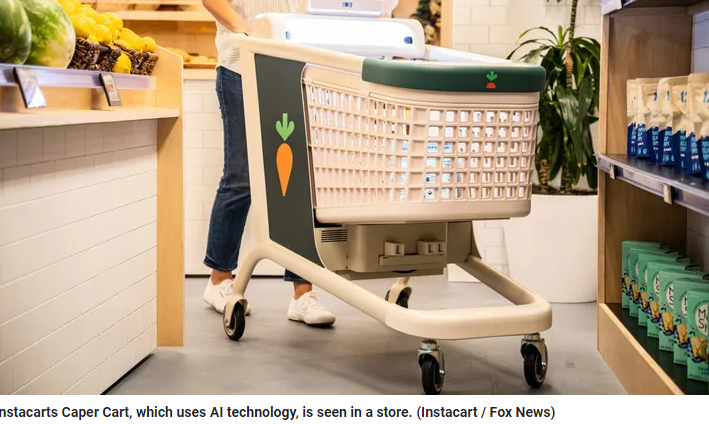
Moving beyond basic list creation, AI offers exciting avenues for revolutionizing how we manage our grocery needs. The potential for AI to not only track what we buy but also anticipate what we’ll need and how we’ll use it opens up a world of convenience and efficiency. This section explores these advanced capabilities and envisions the future of AI-assisted grocery management.
Predicting Future Needs Based on Consumption Patterns
AI’s ability to analyze historical data allows it to move from reactive list-making to proactive prediction. By understanding your past purchasing habits, the AI can forecast future consumption, ensuring you never run out of staples or discover you’re missing a key ingredient mid-recipe. This predictive power is built on identifying trends, seasonality, and even personal consumption rates.
Consider the following aspects of AI-driven prediction:
- Consumption Rate Analysis: The AI tracks how quickly you use specific items. For instance, if you consistently purchase a gallon of milk every five days, the AI will learn this pattern and add milk to your list approximately five days after your last purchase.
- Seasonal and Event-Based Forecasting: AI can identify patterns related to holidays, seasons, or even local events. It might predict an increased need for barbecue supplies in the summer months or specific ingredients for holiday baking as those seasons approach.
- Lifestyle Adjustments: Over time, AI can adapt to changes in your household or lifestyle. If your family grows, or if you adopt a new dietary habit, the AI can learn these new consumption patterns and adjust its predictions accordingly.
For example, a family that regularly buys a certain brand of cereal might see it automatically added to their list when their current box is estimated to be nearing its end, based on the typical consumption rate of that household. Similarly, an AI might predict a need for extra baking flour and sugar in November, knowing that many households increase their baking activities during the holiday season.
Suggesting Recipes Based on Available Ingredients and User Preferences
A truly intelligent AI shopping assistant can do more than just generate a list; it can help you utilize what you already have and discover new culinary possibilities. By cross-referencing your pantry inventory with your dietary preferences and past meal choices, AI can offer personalized recipe suggestions.
This intelligent recipe generation involves several key components:
- Pantry Inventory Integration: The AI needs to know what ingredients are currently in your home. This can be achieved through manual input, barcode scanning, or even smart refrigerator technology.
- Dietary and Preference Filtering: Users can specify dietary restrictions (e.g., vegetarian, gluten-free, low-carb) and general preferences (e.g., cuisine types, disliked ingredients). The AI then filters recipe suggestions to align with these parameters.
- “Use It Up” Functionality: AI can prioritize recipes that utilize ingredients that are nearing their expiration date or are in abundance in your pantry, helping to reduce food waste.
Imagine you have chicken breasts, broccoli, and rice in your fridge. An AI, knowing you prefer Asian cuisine and are trying to eat healthier, might suggest a recipe for “Chicken and Broccoli Stir-fry with a Light Soy-Ginger Sauce.” It could even provide the recipe steps directly within the app.
Automating the Entire Grocery Shopping Process
The ultimate vision for AI in grocery shopping is a seamless, automated experience. This future envisions AI not just creating lists but managing the entire procurement process, from initial suggestion to doorstep delivery.
This end-to-end automation could unfold as follows:
- Intelligent List Generation: Based on predicted needs, user preferences, and current pantry inventory, the AI compiles an optimized shopping list.
- Automated Ordering and Comparison: The AI could then compare prices across different online grocery retailers and place orders with the most cost-effective or convenient option. It might also consider delivery slots and preferred brands.
- Smart Replenishment: For frequently purchased items, the AI could be authorized to automatically reorder them when stock levels fall below a predefined threshold, with user oversight and approval.
- Dynamic Adjustments: If a user deviates from their usual patterns or has an unexpected need, the AI can dynamically adjust the list and even the order in real-time, perhaps suggesting substitutions for out-of-stock items.
A practical example would be an AI system that, at the beginning of each week, generates your shopping list, identifies that you’re low on milk and eggs, and also notices you’re running low on your favorite coffee beans. It then automatically places an order with your preferred online grocer for these items, along with other necessary groceries, and schedules the delivery for a convenient time, all with minimal user intervention.
Structuring AI-Generated Content
AI can significantly enhance the organization and presentation of your generated shopping lists, making them more intuitive and actionable. Moving beyond simple text, AI can leverage structured formats like tables and bullet points to provide clarity and depth. This section explores how AI can be employed to present shopping list information in a highly usable manner, incorporating recipe suggestions for a comprehensive meal planning experience.AI-powered list generation extends beyond mere itemization.
It can intelligently structure this information to facilitate better understanding and usage. By employing visual aids like tables and well-organized bullet points, AI can transform a raw list into a practical tool for efficient grocery shopping and meal preparation.
Designing an HTML Table for Shopping Lists
To present a shopping list in a clear and organized manner, AI can generate an HTML table. This structure is ideal for displaying multiple pieces of information for each item, such as the product name, the required quantity, and any specific notes or preparation instructions. The table format allows for easy scanning and ensures that all necessary details are readily available at a glance.Here is an example of an HTML table structure that an AI could generate for a weekly shopping list:
| Item | Quantity | Notes |
|---|---|---|
| Organic Chicken Breast | 2 lbs | Boneless, skinless; for grilling or baking |
| Broccoli Florets | 1 bag (16 oz) | Fresh or frozen, for steaming |
| Quinoa | 1 box (1 lb) | Whole grain, for side dish |
| Tomatoes | 4 medium | Roma or beefsteak, for salads |
| Olive Oil | 1 bottle | Extra virgin, for cooking and dressing |
This table provides a professional and easy-to-read format, allowing users to quickly identify what they need and any specific requirements for each item.
Bullet Point Format for Dynamic and Customizable Shopping Lists
A bullet point format offers a more flexible and dynamic way for AI to present shopping lists, especially when incorporating customization options. This method is excellent for lists that might change frequently or require users to make quick selections. AI can generate these lists to be interactive, allowing users to check off items as they are purchased or to add personal preferences.Consider this example of a dynamically generated shopping list using bullet points, with options for customization:
-
Produce:
- Apples (3-4, Fuji or Gala) [ ]
- Bananas (1 bunch, ripe) [ ]
- Spinach (1 bag, for salads or smoothies) [ ]
- Onions (2 medium, yellow) [ ]
- Proteins:
- Salmon Fillets (2, ~6 oz each) [ ]
- Tofu (1 block, firm) [ ]
- Eggs (1 dozen) [ ]
- Pantry:
- Pasta (1 box, whole wheat) [ ]
- Canned Tomatoes (2 cans, diced) [ ]
- Rice (1 bag, basmati) [ ]
The `[ ]` next to each item signifies a checkbox, allowing users to mark items as acquired. Furthermore, the parenthetical notes provide customization hints, such as preferred types of apples or the firmness of tofu, demonstrating how AI can personalize the list based on user input or past preferences.
AI-Powered Recipe Suggestions with Nested Bullet Points
AI can elevate the shopping list experience by integrating recipe suggestions directly. This feature transforms a simple grocery list into a comprehensive meal planning solution. When an AI suggests a recipe, it can present the required ingredients and preparation steps in a clear, nested bullet point format, making it easy for users to follow along and understand what they are preparing.For instance, if the AI suggests a “Lemon Herb Roasted Chicken,” it could present the information as follows:
-
Recipe Suggestion: Lemon Herb Roasted Chicken
-
Ingredients:
- Whole Chicken (1, ~3-4 lbs)
- Lemons (2, one for juice, one for stuffing)
- Fresh Rosemary (2 sprigs)
- Fresh Thyme (2 sprigs)
- Garlic (4 cloves, minced)
- Olive Oil (2 tbsp)
- Salt (1 tsp)
- Black Pepper (0.5 tsp)
- Preparation Steps:
- Preheat oven to 400°F (200°C).
- Rinse chicken and pat dry with paper towels.
- In a small bowl, mix minced garlic, chopped rosemary and thyme, olive oil, salt, and pepper.
- Rub the herb mixture all over the chicken, inside and out.
- Cut one lemon in half and place it inside the chicken cavity along with the other lemon half (if using for stuffing).
- Place chicken in a roasting pan.
- Roast for approximately 1 hour and 15 minutes, or until internal temperature reaches 165°F (74°C).
- Let rest for 10-15 minutes before carving.
-
Ingredients:
This nested structure clearly delineates the recipe’s components, making it easy to cross-reference ingredients with the main shopping list and follow the cooking instructions precisely. The AI can dynamically generate these suggestions based on existing items in the user’s pantry, dietary preferences, or even by analyzing seasonal produce availability.
Visualizing AI’s Role in Shopping List Creation
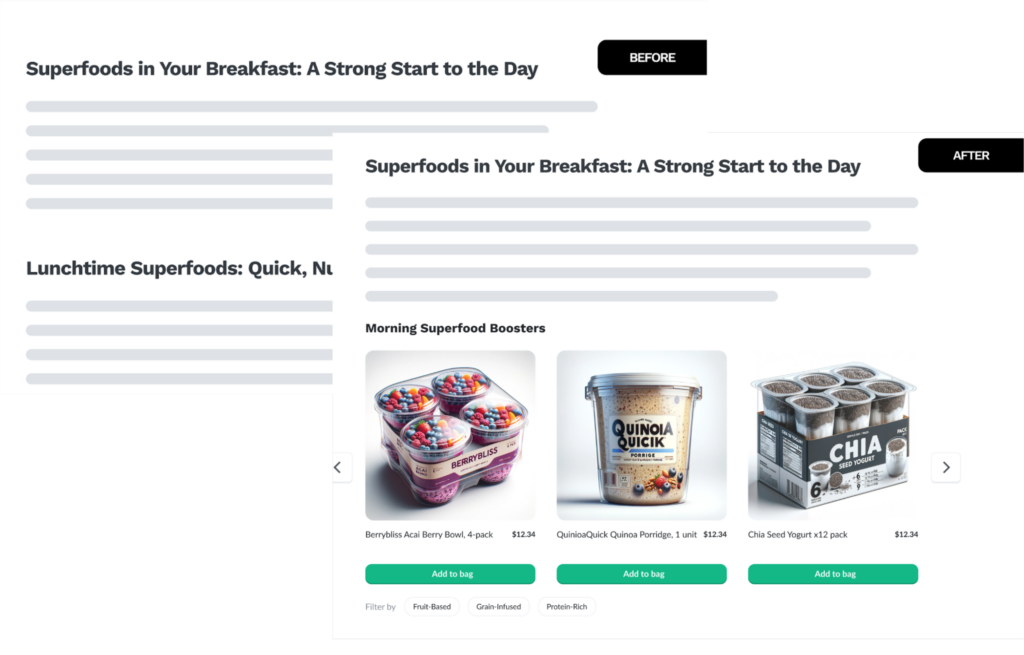
Imagine a seamless journey where your needs are understood and translated into an organized shopping list, all powered by artificial intelligence. This section delves into how AI can visually represent its processing and how you, as a user, can interact with it to create your weekly shopping lists effortlessly. The goal is to demystify the AI’s inner workings and highlight the user-centric design that makes this technology accessible and beneficial.The core of AI-assisted shopping list creation lies in its ability to interpret diverse inputs and synthesize them into actionable outputs.
This process can be visualized as a flow, starting from your initial requests and culminating in a perfectly tailored list. Understanding this flow helps appreciate the intelligence behind the convenience.
AI Input Processing and List Generation Visualization
The AI’s processing of user input can be conceptualized as a multi-stage pipeline. Initially, it receives raw data, which can range from simple text commands to complex dietary preferences or past purchase history. This data is then parsed and analyzed, identifying key entities such as food items, quantities, brands, and any associated constraints like allergies or budget limits. Machine learning models, trained on vast datasets of recipes, nutritional information, and consumer behavior, then interpret these entities.
For instance, if you mention “making pasta for dinner,” the AI might infer the need for pasta, sauce, and perhaps a protein like ground beef or chicken. It then cross-references this with your past purchases or stated preferences to refine the suggestions. The final stage involves organizing these identified items into a structured shopping list, often categorized for ease of shopping.
A simplified visual representation might include:
- Input Layer: This is where user interactions occur, such as typing “I need ingredients for chicken stir-fry” or selecting “low-carb options” from a menu.
- Processing Engine: This conceptual space houses the AI’s algorithms. It could be depicted as a series of interconnected nodes, where data flows through different analytical modules (e.g., natural language processing, recommendation engines, constraint satisfaction).
- Knowledge Base: A repository of information, including food databases, recipes, nutritional values, and user profiles. This is where the AI draws its understanding.
- Output Generation: The final stage where the processed information is formatted into a user-friendly shopping list, potentially with added features like recipe links or store aisle suggestions.
User Interaction Narrative with an AI Interface
Consider Sarah, a busy professional, opening her preferred grocery app. She taps on the “Smart List” feature. The interface prompts, “What are your meal plans for the week, or what ingredients do you need?” Sarah types, “I’m thinking of making lentil soup on Tuesday and salmon with roasted vegetables on Friday. We’re also running low on milk and bread.” Immediately, the AI processes this.
It accesses Sarah’s past purchase data, noting she usually buys whole milk and a specific brand of whole wheat bread. For the lentil soup, it suggests ingredients like dried lentils, carrots, celery, onions, vegetable broth, and common spices, automatically adding them to a “Pantry Staples” category. For the salmon meal, it adds salmon fillets, broccoli, sweet potatoes, and olive oil to a “Produce” and “Seafood” section.
It also notes that Sarah has previously purchased salmon and might have other vegetables in her fridge, prompting a quick question: “Would you like to add any other vegetables for Friday’s meal, or do you have staples like garlic and herbs already?” Sarah confirms the suggestions and adds a note, “Please ensure the salmon is sustainably sourced.” The AI updates the list accordingly, and Sarah can now review and finalize her list, which is automatically sorted by typical grocery store aisles.
Intuitive and User-Friendly AI Shopping List Interface Elements
An effective AI-powered shopping list interface should prioritize clarity, efficiency, and adaptability. Key elements contributing to an intuitive and user-friendly experience include:
- Natural Language Input: The ability to type or speak commands in everyday language, as demonstrated by Sarah’s interaction. This eliminates the need for users to learn specific s or commands.
- Contextual Suggestions: The AI should proactively offer relevant suggestions based on meal plans, past purchases, and dietary preferences. This could appear as pop-up prompts or a dedicated “suggestions” section.
- Categorization and Sorting: Automatic grouping of items by category (produce, dairy, meat, pantry) and intelligent sorting by typical store layout significantly streamlines the shopping process. Users should also have the option to customize categories and sorting.
- Visual Cues: Incorporating icons for different food groups, visual indicators for items already in the cart, and perhaps even images of suggested products can enhance understanding and engagement.
- Editable and Customizable Lists: While AI generates the list, users must have full control to add, remove, or modify items, quantities, and brands. This includes the ability to mark items as “already have” or “out of stock.”
- Feedback Mechanisms: Simple ways for users to provide feedback on suggestions (e.g., “helpful,” “not needed”) helps the AI learn and improve its recommendations over time.
- Integration with Other Services: Seamless integration with online grocery ordering platforms, recipe apps, or smart refrigerators can further enhance convenience and provide a holistic experience.
“The most intuitive interface is one that disappears, allowing the user to focus on their task, not the tool.”
This philosophy should guide the design of AI-powered shopping list interfaces, ensuring that the technology enhances, rather than complicates, the user’s grocery planning.
Conclusive Thoughts
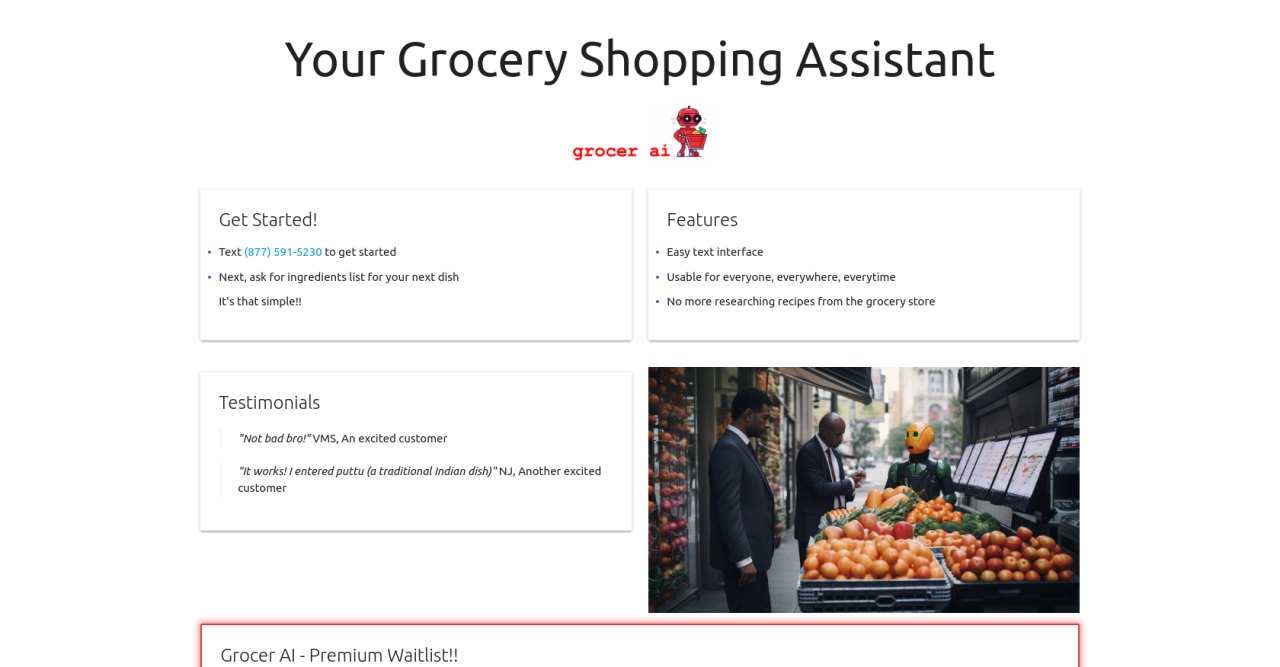
In summary, this exploration has illuminated the transformative potential of artificial intelligence in revolutionizing how we approach weekly shopping lists. From understanding the core concepts and practical implementation to leveraging advanced features and envisioning future possibilities, AI offers a pathway to unprecedented efficiency and personalization in our grocery routines. By embracing these intelligent tools, we can move beyond manual planning to a more predictive, optimized, and seamlessly integrated shopping experience.