As how to schedule laundry tasks with ai takes center stage, this opening passage beckons readers into a world crafted with good knowledge, ensuring a reading experience that is both absorbing and distinctly original. We will explore the fundamental principles behind AI-assisted laundry scheduling, delving into how these intelligent systems learn user habits and preferences to streamline your household chores.
Discover the myriad benefits of automating this routine task and understand the practical applications, from smart appliances to personalized reminders, that make laundry management more efficient than ever before.
This guide aims to demystify the process of integrating artificial intelligence into your laundry routine. We will break down the practical steps involved in setting up an AI-driven workflow, including creating personalized schedules and inputting garment care needs. Furthermore, we will examine strategies for optimizing efficiency, reducing resource consumption, and leveraging advanced AI features for a truly seamless home management experience.
Understanding the Core Concept of AI-Assisted Laundry Scheduling
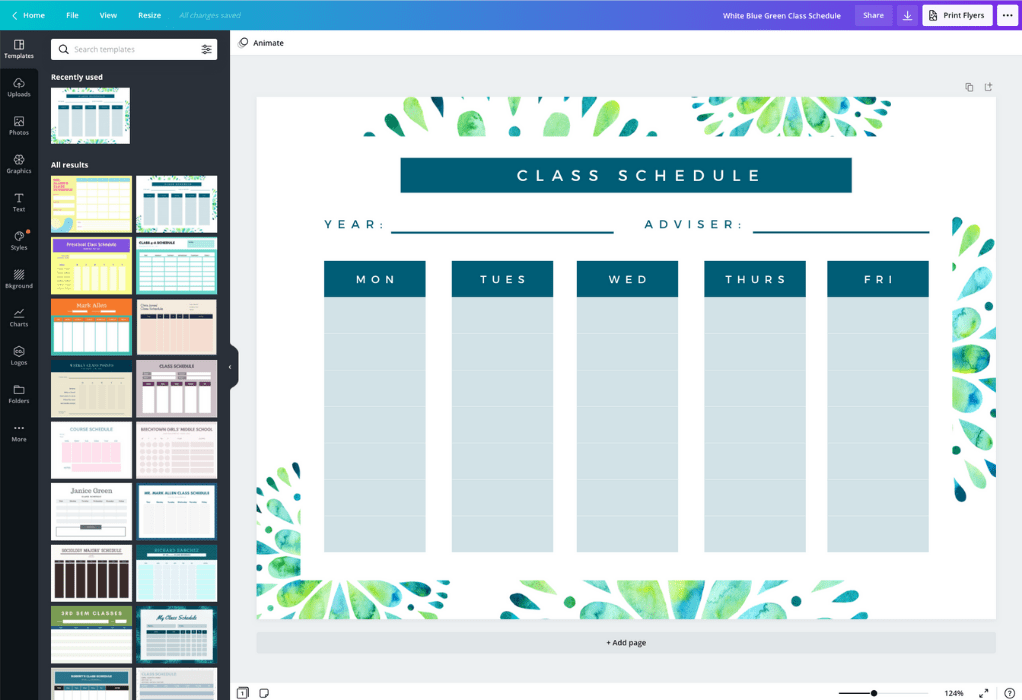
The integration of artificial intelligence into household chores, particularly laundry, marks a significant step towards smarter home management. AI-assisted laundry scheduling leverages sophisticated algorithms to optimize when and how laundry tasks are performed, aiming to enhance efficiency, reduce effort, and cater to individual lifestyles. This approach moves beyond simple calendar reminders, offering a dynamic and intelligent system that adapts to your specific needs.At its heart, AI-assisted laundry scheduling is about empowering users with a more intelligent and automated approach to a recurring household necessity.
By analyzing patterns and preferences, AI systems can proactively manage laundry, freeing up valuable time and mental energy. This technology transforms a mundane task into a seamless part of a well-organized home environment.
Principles of AI in Laundry Management
The fundamental principles behind AI-assisted laundry scheduling involve machine learning and data analysis. AI systems are designed to observe, learn, and adapt. They process information about your laundry habits, the types of fabrics you use, the capacity of your washing machine, and even local weather patterns. This data allows the AI to make informed decisions about optimal washing times, detergent usage, and drying methods.The AI learns by recognizing patterns in your behavior.
For instance, it might notice that you typically do a large load of whites on Saturdays or that you prefer to hang-dry delicates. Over time, these observations are used to build a personalized laundry profile. This profile then guides the AI in generating a schedule that aligns with your routine and preferences, ensuring that laundry is done when it is most convenient for you and when conditions are most favorable.
Learning User Habits and Preferences
AI’s ability to learn user habits and preferences is crucial for effective laundry scheduling. This learning process is not a one-time event but an ongoing interaction. As you use the AI system, it gathers more data points, refining its understanding of your unique needs. This can include:
- Frequency of Use: The AI tracks how often you do laundry, identifying daily, weekly, or bi-weekly patterns.
- Load Size and Type: It can learn to differentiate between small, medium, and large loads, as well as common fabric types (e.g., cotton, synthetics, delicates) based on user input or even sensor data from smart appliances.
- Time Preferences: The system notes preferred times for starting or finishing laundry, such as early mornings, evenings, or weekends.
- Drying Methods: It can learn whether you primarily use a dryer, hang clothes to dry, or a combination of both, and factor in weather forecasts for optimal drying times.
- Detergent Usage: Some advanced systems might even learn optimal detergent amounts based on load size and water hardness.
For example, if an AI system notices that you consistently delay washing dark colors until a specific day to avoid color bleeding, it will learn to schedule these loads accordingly. Similarly, if you frequently request a wash cycle for sportswear, the AI will prioritize scheduling these loads on days you are likely to need them clean.
Benefits of Automating Laundry Task Scheduling
Automating laundry task scheduling through AI offers a multitude of benefits that extend beyond simple convenience. These advantages contribute to a more efficient and less stressful household management experience.The primary benefits include:
- Time Savings: By automating the planning and reminding aspects of laundry, users reclaim significant amounts of time that would otherwise be spent manually scheduling or remembering tasks.
- Increased Efficiency: AI can optimize laundry cycles based on factors like energy costs (e.g., scheduling washes during off-peak hours), water usage, and fabric care, leading to more resource-efficient cleaning.
- Reduced Mental Load: The cognitive effort of remembering when to do laundry, what needs washing, and how to wash it is significantly reduced, freeing up mental space for other activities.
- Improved Fabric Care: By learning fabric types and optimal washing conditions, AI can help prevent damage to clothes, extending their lifespan and preserving their quality.
- Proactive Management: AI can anticipate needs, such as ensuring a specific outfit is clean for an upcoming event or scheduling washes to avoid overflowing hampers.
Consider a scenario where a family uses an AI scheduler. The AI learns that school uniforms need to be washed on Thursdays for Friday wear. It also knows that a specific type of delicate blouse requires air drying and cannot be exposed to direct sunlight. The AI will then schedule the uniform wash for Thursday evening and the delicate blouse for a time when it can be hung indoors or on a cloudy day, ensuring both are ready and well-maintained.
Potential Challenges in Integrating AI into Household Chores
While the prospect of AI-assisted laundry scheduling is appealing, there are potential challenges that users might encounter during integration. Understanding these hurdles can help in navigating the adoption of such technologies.Key challenges include:
- Initial Setup and Learning Curve: Setting up an AI system and teaching it your preferences may require an initial investment of time and effort. Users need to be patient as the AI learns and adapts.
- Data Privacy and Security: As AI systems collect data about household habits, concerns about data privacy and security can arise. Robust security measures are essential to protect personal information.
- Appliance Compatibility: The effectiveness of AI scheduling is often tied to the capabilities of smart home appliances. Older or non-smart appliances may not fully integrate with AI systems, limiting their functionality.
- Over-reliance and Loss of Intuition: There’s a potential for users to become overly reliant on AI, potentially losing some of their own intuitive understanding of laundry needs.
- Cost of Technology: Implementing AI-assisted solutions, especially those requiring new smart appliances or sophisticated software, can involve a significant upfront cost.
A practical example of a challenge could be a user who has a mix of older and newer washing machines. The AI might struggle to optimize schedules for all machines if only the newer ones are connected and provide data. This necessitates a thoughtful approach to technology adoption, perhaps starting with a single smart appliance or a system that can integrate with a wider range of devices.
Practical Applications of AI in Laundry Management
Artificial intelligence is revolutionizing how we approach household chores, and laundry is no exception. By integrating AI into our routines, we can achieve greater efficiency, save time, and ensure our clothes receive the best possible care. This section explores the tangible ways AI is transforming laundry management, from smart appliances to personalized scheduling.AI’s role in laundry extends beyond simple automation; it offers intelligent solutions that adapt to individual needs and preferences.
This leads to optimized washing cycles, reduced energy consumption, and a more streamlined laundry process overall.
AI-Powered Devices and Applications for Laundry
A variety of innovative devices and applications are now available that leverage AI to simplify laundry tasks. These technologies are designed to offer convenience and enhanced performance, making laundry less of a chore and more of an automated process.
- Smart Washing Machines and Dryers: Many modern appliances come equipped with AI capabilities. These machines can automatically detect fabric types, load size, and soil levels, then select the optimal wash cycle and temperature. Some even connect to Wi-Fi, allowing for remote control and monitoring via smartphone apps.
- Laundry Management Apps: Beyond appliance control, dedicated AI-powered apps can act as personal laundry assistants. They can track your laundry inventory, suggest appropriate washing methods for different garments, and even remind you when it’s time to do a load based on your usage patterns and calendar events.
- Smart Detergent Dispensers: Some advanced systems integrate with smart washing machines to automatically dispense the correct amount of detergent based on the load size and fabric type, further optimizing the washing process and preventing waste.
Optimized Laundry Cycles with Smart Appliances
Smart appliances are at the forefront of AI-driven laundry optimization. By employing sensors and intelligent algorithms, they can significantly improve the efficiency and effectiveness of washing and drying cycles.Smart appliances utilize a range of sensors, including load sensors, water level sensors, and temperature sensors, to gather real-time data about the laundry. This data is then processed by AI algorithms to make informed decisions about the wash cycle.
For instance, an AI might analyze the weight of the clothes to determine the optimal water usage and cycle duration, thereby conserving water and energy. Similarly, it can identify the type of fabric and adjust the spin speed and drying temperature to prevent damage and reduce drying time. This intelligent adaptation ensures that clothes are cleaned effectively while minimizing wear and tear and energy consumption.
Personalizing AI Laundry Reminders
Setting up and personalizing AI laundry reminders is a straightforward process that significantly enhances your ability to stay on top of your laundry. These reminders can be tailored to your specific schedule and habits, ensuring you never forget a load again.The setup typically involves integrating a laundry management app with your smart devices or calendar. You can then input information such as:
- Your typical laundry frequency.
- Specific days or times you prefer to do laundry.
- Alert preferences (e.g., push notifications, email).
- Information about your household members and their clothing needs.
AI algorithms can then learn from your patterns and proactively suggest optimal times for laundry, or remind you when a certain amount of time has passed since your last wash. For example, if the AI notices you tend to run out of work clothes by Wednesday, it might suggest doing a load on Tuesday evening.
Managing Different Fabric Types and Washing Settings
One of the most significant benefits of AI in laundry is its ability to manage diverse fabric types and washing settings with precision, ensuring optimal care for all your garments. This capability moves beyond generic wash cycles to provide a truly personalized approach.AI systems can identify fabric types through various means:
- Visual Recognition: Some advanced AI systems in smart washing machines can use internal cameras to identify fabric textures and colors.
- User Input: More commonly, users can manually input fabric types via a connected app, or the AI can infer fabric types based on historical data of what you typically wash together.
- Garment Tags: Future AI integrations might even be able to read smart tags on clothing that provide detailed care instructions.
Once fabric types are identified, the AI can recommend or automatically select the most appropriate washing settings. This includes:
- Water Temperature: Delicate fabrics like silk might be assigned a cold wash, while sturdy cottons could benefit from a warmer temperature.
- Spin Speed: High spin speeds can be detrimental to delicate items, so AI can adjust this to prevent stretching or damage.
- Cycle Type: Specific cycles like “delicates,” “heavy duty,” or “quick wash” can be automatically chosen based on the detected fabrics and soil levels.
- Detergent and Softener Usage: AI can also help in optimizing the amount of detergent and fabric softener used, ensuring effective cleaning without overuse.
This intelligent management of fabric types and settings not only protects your clothes but also contributes to energy and water savings by avoiding unnecessary or overly aggressive washing cycles. For instance, an AI might recognize a load contains both cotton t-shirts and delicate blouses. Instead of choosing a single, potentially damaging cycle, it could suggest splitting the load or opt for a mixed-fabric cycle that prioritizes the gentler care for the delicate items.
Designing an AI-Driven Laundry Workflow

Transitioning to an AI-assisted laundry system involves a structured approach to integrate technology seamlessly into your household routine. This section Artikels the fundamental steps to create an efficient and personalized laundry workflow, ensuring optimal use of resources and time.Establishing an AI-driven laundry workflow requires a thoughtful design that considers individual needs and household dynamics. By breaking down the process into manageable steps, you can effectively leverage AI to manage your laundry tasks.
Establishing an AI-Assisted Laundry Schedule
Creating a step-by-step procedure for establishing an AI-assisted laundry schedule ensures a smooth adoption of this new system. This process involves initial setup, data input, and ongoing refinement to maximize the benefits of AI.
- Initial System Setup: Select an AI-powered laundry management application or smart appliance that suits your needs. This might involve downloading an app, connecting a smart device to your home network, or integrating with existing smart home ecosystems.
- User Profile Creation: Input basic household information, including the number of occupants, general lifestyle (e.g., active, sedentary), and any specific preferences or constraints (e.g., allergies, preferred laundry days).
- Garment Inventory and Care Instructions: Systematically log all laundry items. For each item, record its type (e.g., shirts, towels, delicates), fabric composition, color, and specific care instructions (e.g., wash temperature, spin speed, drying method, ironing requirements). This forms the core dataset for the AI.
- Activity Pattern Identification: The AI will analyze household activity patterns, either through manual input (e.g., noting when people are home, away, or busy) or by integrating with other smart home sensors (e.g., motion sensors, smart thermostats) to understand periods of high and low activity.
- Initial Schedule Generation: Based on the garment inventory, care instructions, and identified activity patterns, the AI will propose an initial weekly laundry schedule. This schedule will suggest optimal times for washing and drying specific loads to minimize disruption and maximize efficiency.
- Feedback and Refinement: Actively provide feedback to the AI system. If a suggested time is inconvenient or a load wasn’t handled optimally, report it. This feedback loop is crucial for the AI to learn and adapt to your specific household needs and preferences over time.
- Automated Reminders and Notifications: Configure the system to send timely reminders for starting loads, transferring items to the dryer, or folding clothes. This proactive notification system helps prevent laundry from piling up.
- Ongoing Optimization: Periodically review the AI’s performance and the generated schedule. As your household’s needs or the types of laundry change, update the system accordingly to maintain optimal efficiency.
Sample Weekly Laundry Plan with AI Suggestions
A sample weekly laundry plan, generated by an AI, demonstrates how different laundry needs can be integrated into a typical household schedule. This plan is designed to balance efficiency, garment care, and household activity.
This sample plan assumes a household of two adults with moderate laundry needs, incorporating AI’s predictive capabilities to optimize timing.
| Day | Morning (7 AM – 12 PM) | Afternoon (12 PM – 5 PM) | Evening (5 PM – 10 PM) | AI Notes/Suggestions |
|---|---|---|---|---|
| Monday | No Laundry Planned | Load 1: Mixed Colors (Medium Soil) Suggested Start: 10:00 AM AI Rationale: Low household activity, allows for drying time before evening. |
No Laundry Planned | AI suggests running a moderate load when household members are likely to be occupied or away. |
| Tuesday | No Laundry Planned | Load 2: Whites & Delicates Suggested Start: 11:30 AM AI Rationale: Allows for gentle washing and air drying if needed, avoids high-energy appliance use during peak hours. |
No Laundry Planned | Prioritizes delicate items for a gentler wash cycle during a less busy period. |
| Wednesday | Load 3: Towels & Linens Suggested Start: 8:00 AM AI Rationale: High heat cycle recommended, best to run when home is active for immediate transfer to dryer. |
No Laundry Planned | No Laundry Planned | AI recommends running bulkier items with higher heat settings earlier in the day for efficient drying. |
| Thursday | No Laundry Planned | Load 4: Dark Colors & Jeans Suggested Start: 1:00 PM AI Rationale: Standard cycle, can tolerate longer drying times if needed. |
No Laundry Planned | AI schedules a standard load, allowing flexibility for drying and ironing later. |
| Friday | No Laundry Planned | Load 5: Activewear/Synthetics Suggested Start: 2:00 PM AI Rationale: Often requires cooler temperatures and quicker drying. |
No Laundry Planned | AI suggests washing performance fabrics when they can be air-dried or tumble-dried on a lower heat setting. |
| Saturday | Load 6: Catch-up/Special Items Suggested Start: 9:00 AM AI Rationale: Weekend flexibility, can accommodate unexpected needs or larger loads. |
No Laundry Planned | No Laundry Planned | AI designates Saturday morning for flexibility, allowing for larger loads or items missed during the week. |
| Sunday | No Laundry Planned | No Laundry Planned | Load 7: Final Check/Prep for Week Suggested Start: 6:00 PM AI Rationale: Ensures clean clothes for the start of the week, completed before bedtime. |
AI suggests a final, smaller load to ensure all essential items are clean and ready for the upcoming week. |
Template for Inputting Laundry Items and Care Needs
A comprehensive template is essential for providing the AI with the detailed information it needs to create effective laundry schedules. This template ensures that all critical aspects of garment care are captured.
This template can be used as a digital form within an AI application or as a guide for manual data entry. The more detailed the input, the more accurate and personalized the AI’s recommendations will be.
| Item Name/Description | Item Type | Fabric Composition | Color Category | Soil Level | Wash Temperature (°C/°F) | Spin Speed | Drying Method | Ironing Required | Special Instructions/Notes |
|---|---|---|---|---|---|---|---|---|---|
| Men’s Blue Oxford Shirt | Shirt | 100% Cotton | Light Blue | Light | 40°C / 104°F | Medium | Tumble Dry Low / Air Dry | Yes (Medium Heat) | Wash with similar colors. Avoid bleach. |
| Women’s Silk Blouse | Blouse | 100% Silk | Cream | Light | Cold (30°C / 86°F) | Low / Gentle | Air Dry Flat | No | Hand wash recommended. Do not wring. |
| Bath Towels | Towel | 80% Cotton, 20% Polyester | White | Medium | 60°C / 140°F | High | Tumble Dry High | No | Wash with bleach if needed. |
| Jeans | Pants | 98% Cotton, 2% Elastane | Dark Blue | Medium | 30°C / 86°F | Medium | Tumble Dry Medium | No | Wash inside out to preserve color. |
| Workout Leggings | Activewear | 88% Polyester, 12% Spandex | Black | High | 30°C / 86°F | Medium | Tumble Dry Low / Air Dry | No | Avoid fabric softener. |
| Bed Sheets | Linens | 100% Cotton | White | Medium | 50°C / 122°F | High | Tumble Dry High | No | Wash separately from towels. |
System for AI to Predict Optimal Laundry Times
Designing a system for AI to predict optimal times for running laundry involves analyzing various data points to determine the most convenient and efficient moments. This prediction relies on understanding both household routines and the laundry itself.
The AI’s prediction engine works by correlating several key factors to suggest the best times for laundry operations. These factors are continuously monitored and analyzed to refine the schedule.
- Household Activity Monitoring: The AI integrates with smart home sensors (e.g., motion detectors, door sensors) and user-defined schedules (e.g., work hours, school times, sleep schedules) to identify periods of low household activity. Laundry is ideally scheduled when fewer people are home or actively using appliances, minimizing disruption and potential noise interference. For example, an AI might suggest running a wash cycle at 10 AM on a weekday when most occupants are at work or school.
- Energy Consumption Patterns: By integrating with smart meters or understanding peak and off-peak electricity pricing, the AI can schedule high-energy tasks like drying cycles during off-peak hours to reduce utility costs. This is particularly beneficial for households with variable electricity tariffs.
- Garment Load Characteristics: The AI considers the type and size of the laundry load. For instance, a heavy load of towels might be scheduled for a time when the household is active, allowing for immediate transfer to the dryer. Conversely, delicate items requiring air drying might be scheduled for a period with ample daylight or when there’s less foot traffic around drying racks.
- Drying Time and Ambient Conditions: The AI can factor in estimated drying times for different fabric types and even consider ambient humidity and temperature (if weather data is accessible) to predict how long drying will take. This helps in scheduling the completion of a laundry cycle to avoid damp clothes sitting in the machine.
- User Preferences and Feedback: The AI learns from user input and feedback. If a user consistently overrides a suggestion or manually schedules laundry at a specific time, the AI adjusts its predictions accordingly. For example, if a user always prefers to do laundry on Saturday mornings, the AI will prioritize suggestions for that timeframe.
- Proximity to Next Wear/Use: For essential items like work uniforms or school clothes, the AI can prioritize their washing and drying to ensure they are ready by the required time. This involves a predictive element based on the user’s known schedule for the following day.
The core principle of AI-driven laundry scheduling is to transform a chore into a seamlessly integrated household process by intelligently aligning task requirements with dynamic household conditions.
Optimizing Laundry Efficiency with AI
AI’s role in laundry management extends beyond simple scheduling to significantly enhance operational efficiency. By intelligently analyzing usage patterns and machine capabilities, AI can drive substantial savings in resources and ensure a seamless flow of clean garments. This section explores how AI contributes to a more sustainable and convenient laundry experience.AI-powered laundry systems can learn and adapt to your specific needs, leading to a more efficient and eco-conscious approach to garment care.
This intelligence allows for precise control over cycles, resource allocation, and even the preservation of your clothing’s lifespan.
Minimizing Energy and Water Consumption
Intelligent algorithms can analyze garment types, soil levels, and water hardness to select the most efficient wash cycles, thereby reducing both energy and water usage. AI can also learn the optimal time of day to run laundry based on variable electricity pricing, further contributing to cost savings and reduced environmental impact.AI can monitor the water levels and temperature in real-time, adjusting them dynamically to match the load size and fabric type.
For instance, a small load of lightly soiled synthetic fabrics would utilize significantly less water and energy than a large load of cottons with heavy stains. AI systems can also integrate with smart home energy grids to schedule washes during off-peak hours when electricity is cheaper and cleaner.
Maintaining a Consistent Supply of Clean Clothes
A consistent supply of clean clothes is crucial for busy households and individuals. AI can predict laundry needs based on historical usage, upcoming events, and the number of people in the household. This predictive capability ensures that laundry is done proactively, preventing the common scenario of running out of essential items.AI can create a dynamic laundry schedule that considers:
- The number of people in the household and their typical clothing usage.
- The frequency of washing specific types of garments (e.g., work attire, sportswear).
- Upcoming events or travel that might increase demand for clean clothes.
- The current inventory of clean clothes, if integrated with a smart closet system.
For example, an AI might notice that a family of four typically uses 10-12 outfits per week. If it’s Tuesday and only 4 outfits are clean, it will proactively suggest a wash cycle to ensure sufficient clean clothes by the weekend, factoring in drying time.
Suggesting Stain Treatment Based on Garment Material
Effective stain removal is paramount for garment longevity. AI can analyze images of stains and cross-reference them with garment care labels and material composition to suggest the most appropriate treatment. This prevents damage from harsh chemicals or incorrect washing methods.The process typically involves:
- Image Recognition: The user uploads a photo of the stained garment. AI analyzes the visual characteristics of the stain (color, texture, size).
- Material Identification: The user inputs or the AI identifies the fabric type (e.g., cotton, silk, polyester, wool) through image analysis or by reading embedded RFID tags.
- Stain Database Cross-referencing: The AI accesses a comprehensive database linking stain types (e.g., grease, ink, wine) with recommended treatments for specific materials.
- Personalized Recommendation: The AI provides tailored advice, such as “For this red wine stain on your silk blouse, gently blot with a mixture of cool water and a small amount of mild detergent. Avoid rubbing.”
This feature is particularly valuable for delicate or expensive garments where incorrect treatment can lead to irreversible damage.
Alerting Users to Potential Laundry Load Imbalances
Washing machines operate most efficiently and with less wear and tear when loads are properly balanced. AI can detect imbalances in the drum during the spin cycle and alert the user to redistribute the load. This not only protects the machine but also ensures a more thorough wash.AI-powered sensors within the washing machine can monitor the distribution of weight and the machine’s vibration patterns.
If an imbalance is detected, the AI can:
- Temporarily pause the cycle.
- Provide an on-screen or app notification with instructions, such as “Load is unbalanced. Please redistribute clothes evenly and restart the spin cycle.”
- In some advanced systems, the AI might even attempt to slightly adjust the drum’s rotation to correct minor imbalances automatically.
This proactive alert system prevents potential damage to the washing machine’s motor and suspension, extending its lifespan and avoiding costly repairs.
Advanced AI Features for Laundry Task Management
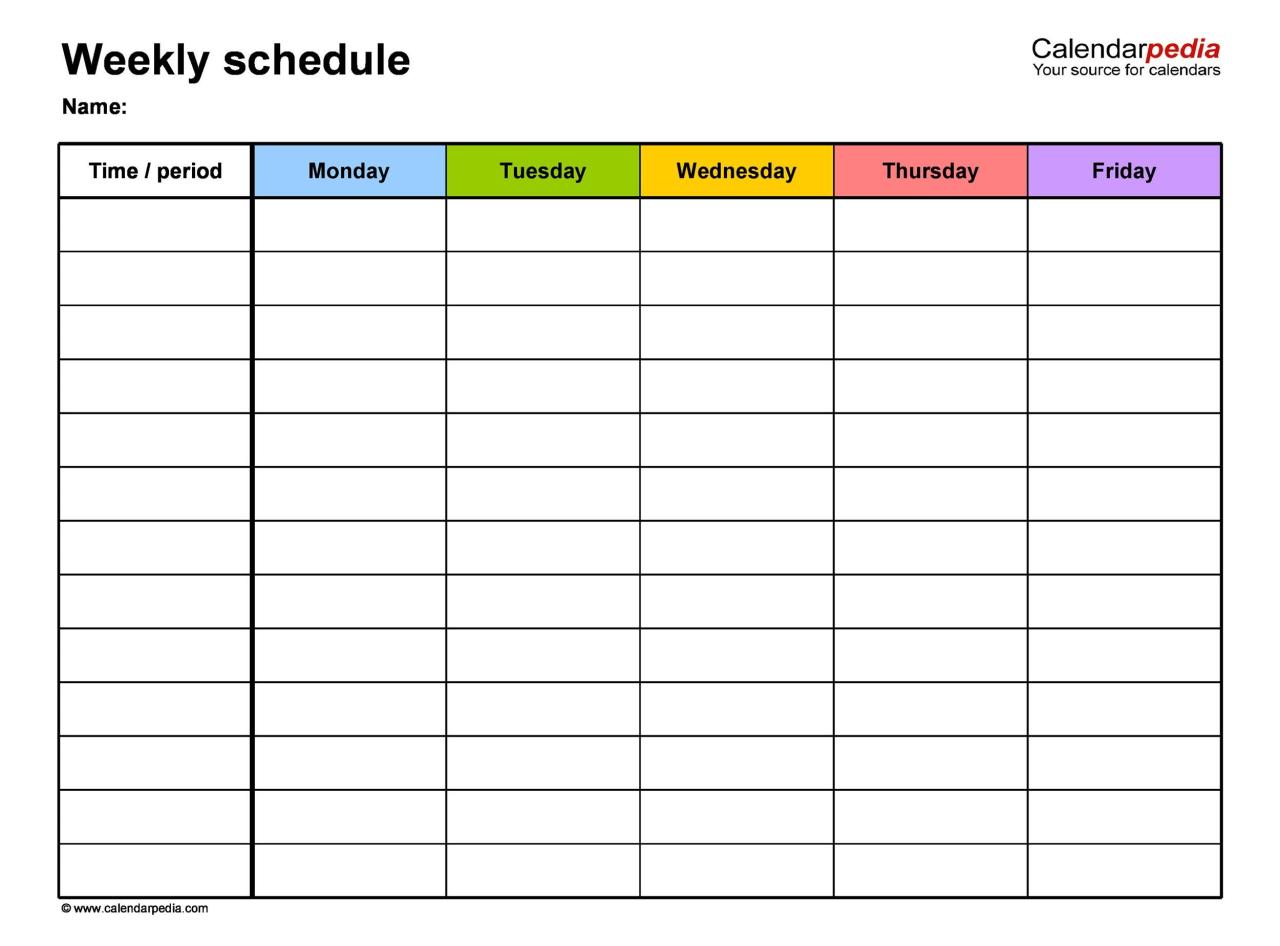
Beyond basic scheduling, artificial intelligence offers sophisticated capabilities to transform laundry management into a truly intelligent and integrated home operation. These advanced features leverage AI’s learning, predictive, and communicative power to streamline tasks, personalize routines, and enhance overall household efficiency.AI’s potential in laundry management extends to proactive assistance, learning your household’s unique rhythms and adapting to evolving needs. This ensures that your laundry system remains not just a tool, but an intelligent partner in maintaining your home.
Smart Home Ecosystem Integration
AI-assisted laundry scheduling can seamlessly integrate with broader smart home ecosystems, creating a unified platform for managing household tasks. This interconnectedness allows for more dynamic and responsive automation, where laundry activities can be coordinated with other home functions. For instance, an AI can adjust the laundry schedule based on real-time energy prices, optimizing for cost savings. It can also communicate with smart thermostats to ensure optimal drying conditions or alert other smart devices about the laundry cycle’s completion, prompting other automated actions.The integration facilitates a holistic approach to home management, where laundry is no longer an isolated chore but a synchronized element within the smart home’s operational flow.
This synergy enhances convenience and efficiency by automating multiple interconnected processes.
Household Task Delegation Framework
A significant advancement is the AI’s ability to suggest and manage the delegation of laundry tasks among household members. By analyzing individual availability, preferences, and past task completion, the AI can propose assignments for sorting, loading, unloading, or folding. This framework promotes shared responsibility and ensures that tasks are distributed equitably and efficiently.The AI can consider factors such as:
- Individual schedules and availability, cross-referenced with shared family calendars.
- Known preferences for certain tasks (e.g., one person might prefer folding while another is fine with loading).
- Historical data on who typically completes which tasks.
- The urgency or complexity of a particular laundry load.
This intelligent delegation minimizes the cognitive load on household managers and fosters a collaborative approach to chores.
Adaptation to Changing Family Needs and Schedules
One of AI’s most powerful capabilities is its capacity to learn and adapt over time. As family dynamics, schedules, and routines change, the AI-driven laundry system can dynamically adjust its recommendations and schedules. For example, if a new baby arrives, increasing the frequency of laundry, the AI can proactively suggest adjustments to the weekly schedule. Similarly, during school holidays or periods of increased activity, the AI can learn to accommodate more frequent loads or shift tasks to less busy times.This adaptive learning process ensures that the laundry management system remains relevant and effective, even as life circumstances evolve.
The AI continuously refines its understanding of the household’s needs, making it an indispensable tool for long-term household management.
Laundry Completion and Resource Usage Reporting
To provide transparency and insight, AI systems can generate comprehensive reports on laundry completion and resource usage. These reports offer valuable data for optimizing habits and identifying areas for improvement. The AI can track metrics such as:
- Frequency of laundry cycles.
- Types of fabrics washed and their associated cycles.
- Energy consumption per load or per week.
- Water usage, if connected to smart water meters.
- Detergent and fabric softener usage.
This data can be presented in user-friendly formats, such as charts and graphs, allowing households to understand their environmental impact and identify opportunities for cost savings. For instance, a report might highlight that a significant portion of energy is used during peak hours, prompting a shift to off-peak laundry times.
The intelligent analysis of laundry data empowers informed decisions, leading to greater efficiency and sustainability in household operations.
Visualizing AI-Assisted Laundry Processes
Moving beyond the scheduling itself, effectively visualizing how AI manages laundry tasks is crucial for user adoption and understanding. This section delves into the visual elements that make AI-assisted laundry scheduling intuitive and user-friendly, transforming complex algorithms into easily digestible information. The goal is to provide users with a clear, actionable overview of their laundry status and upcoming needs.
Visual Representation of an AI-Managed Laundry Schedule
A well-designed visual representation of an AI-managed laundry schedule prioritizes clarity and ease of understanding. It should offer a snapshot of the entire laundry process, from sorting to drying and folding, presenting this information in a way that is immediately comprehensible to the user. This often involves color-coding, clear iconography, and a logical flow that mirrors the physical steps involved in doing laundry.The visual schedule can be presented as a timeline or a series of distinct stages.
For instance, a timeline view might show blocks of time dedicated to specific tasks, color-coded by laundry type (e.g., whites, colors, delicates). Alternatively, a stage-based view could display distinct phases like “Items Collected,” “Washing,” “Drying,” and “Ready for Folding,” with progress indicators for each. Key information such as the estimated completion time, the specific machine being used, and the type of load should be readily accessible.
Intuitive User Interface for an AI Laundry Assistant
An intuitive user interface (UI) is paramount for an AI laundry assistant. It should be clean, uncluttered, and designed with the user’s primary goals in mind: to know what needs to be done, when, and how to proceed. Interactive elements should be straightforward and provide immediate feedback.The UI should feature a central dashboard that offers a quick overview. Key interactive elements would include:
- Task List: A clear, scrollable list of upcoming and ongoing laundry tasks. Each item in the list should display the task name (e.g., “Wash White Towels”), the scheduled time, and a status indicator (e.g., “Scheduled,” “In Progress,” “Completed”).
- Calendar View: A visual calendar that highlights days with scheduled laundry activities. Days with multiple tasks could be indicated with a special marker, allowing users to quickly assess their weekly laundry load.
- Machine Status Indicators: Visual cues (e.g., colored icons or progress bars) showing the current status of connected washing machines and dryers. This could include availability, cycle in progress, and estimated time remaining.
- “Add Task” Button: A prominent and easily accessible button to manually add new laundry tasks or to confirm AI-generated suggestions.
- Settings and Preferences: A clearly labeled section for users to customize their laundry preferences, such as preferred wash cycles, drying times, and notification settings.
- History Log: Access to past laundry activities, useful for tracking usage patterns or troubleshooting.
Conceptual Design for a Visual Alert System
A proactive visual alert system is essential for keeping users informed and preventing laundry tasks from being missed. This system should be both informative and unobtrusive, providing timely notifications without overwhelming the user.The alert system could be conceptualized with the following features:
- Push Notifications: Standard mobile push notifications for critical alerts like “Your laundry cycle is about to finish” or “Time to move clothes to the dryer.”
- In-App Banners: Subtle banners that appear at the top of the AI assistant’s interface, indicating upcoming tasks or status changes. For example, a banner might read, “Next task: Wash colored clothes in 30 minutes.”
- Auditory Cues: Optional sound alerts that can be customized by the user for specific events, such as the completion of a wash cycle.
- Visual Indicators on Dashboard: Urgent alerts could be highlighted with distinct colors or pulsating elements on the main dashboard, drawing immediate attention.
- Progress Milestones: Alerts that signify important progress points, such as “Washing complete. Ready for drying.”
The system should allow users to set notification preferences, choosing which types of alerts they wish to receive and at what frequency.
Graphical Elements for Laundry Progress and Efficiency Metrics
Graphical elements are powerful tools for illustrating laundry progress and efficiency metrics, making data more accessible and actionable. They can transform raw data into insights that help users optimize their laundry habits.Consider the following graphical representations:
- Progress Bars: For individual laundry cycles, progress bars visually depict how much time is remaining. These can be displayed within the task list or on a dedicated machine status screen. A bar that fills up from left to right, changing color as it nears completion, provides a clear visual cue.
- Pie Charts or Bar Graphs for Load Types: These can illustrate the distribution of different laundry types (e.g., whites, colors, delicates) over a period, helping users understand their typical laundry composition.
- Efficiency Dashboards: A dedicated section could feature graphs showing key efficiency metrics. For example:
- Energy Consumption Over Time: A line graph tracking energy usage for laundry cycles, potentially highlighting days with higher or lower consumption.
- Water Usage per Cycle: Bar graphs comparing water usage across different wash cycles or load types.
- Cycle Time Optimization: A chart showing the average cycle times for various load types, allowing users to identify opportunities for efficiency gains.
- “Load Density” Visualizer: For users with smart scales or sensors, a visual representation could indicate if a washing machine or dryer is optimally loaded, preventing under- or over-filling. This could be a simple icon that changes color or shape based on load weight.
These graphical elements empower users by providing clear, at-a-glance insights into their laundry operations, fostering a sense of control and encouraging more efficient practices.
Conclusion

In conclusion, embracing AI for laundry scheduling offers a transformative approach to managing household tasks. By understanding the core concepts, leveraging practical applications, and designing an intelligent workflow, you can unlock significant improvements in efficiency, convenience, and resource management. The future of laundry is here, offering a glimpse into a more automated and optimized home environment, where even the most mundane chores are handled with sophisticated intelligence.