AI-powered travel planning is revolutionizing the way we craft unforgettable journeys. This guide provides a comprehensive overview, walking you through the process of defining your travel goals, utilizing AI tools to create optimized itineraries, and customizing them to perfectly match your preferences. We’ll also discuss the ethical implications and potential challenges of this emerging technology, ensuring you’re equipped to make informed decisions.
From specifying budget constraints and desired activities to visualizing your itinerary and integrating it with existing travel plans, this guide offers practical strategies for leveraging AI to enhance your travel experience. This resource explores the exciting potential of AI to streamline the planning process, leaving you free to focus on enjoying the journey.
Introduction to AI-Powered Travel Planning

AI-powered travel planning leverages artificial intelligence to automate and personalize the process of creating travel itineraries. This technology analyzes vast amounts of data to suggest optimal routes, accommodations, and activities, ultimately enhancing the traveler’s experience. It goes beyond simple search engines by understanding preferences and providing tailored recommendations.The benefits of using AI for travel planning are numerous. AI algorithms can identify hidden gems, optimize travel time and costs, and cater to specific needs and preferences, like dietary restrictions or interests.
This personalized approach results in more enjoyable and efficient trips. By automating the research and booking process, AI saves time and effort, allowing travelers to focus on the experience itself.
AI Travel Planning vs. Traditional Methods
Traditional travel planning often involves extensive research, manual comparison of options, and potential overlooking of hidden value. AI-powered planning addresses these limitations by sifting through countless possibilities and presenting curated recommendations, streamlining the entire process. AI also considers real-time data, such as flight delays and traffic conditions, to dynamically adjust itineraries, ensuring a smoother and more reliable experience.
Examples of AI Tools for Travel Planning
Several AI tools are now readily available to simplify the travel planning process. These tools range from dedicated travel planning apps to integrated features within popular travel websites. Examples include platforms that suggest ideal routes based on interests, or provide recommendations for restaurants and activities based on user preferences.
Comparison of AI Travel Planning Tools
The landscape of AI-powered travel planning tools is rapidly evolving. Different tools offer varying features and capabilities. The following table provides a comparison of popular AI travel planning tools, highlighting their key features:
| Tool | Key Features | Strengths | Potential Weaknesses |
|---|---|---|---|
| AI-powered Travel App A | Personalized itinerary suggestions, real-time updates, integration with booking platforms. | Excellent for tailored recommendations, efficient itinerary management. | May have limited availability in certain regions or for specific types of travel. |
| AI-powered Travel App B | Advanced route optimization, cost comparison across multiple airlines and accommodations, predictive analytics for potential issues. | Strong in route optimization and cost-effectiveness. | User interface might be less intuitive for some users. |
| Integrated AI feature in Travel Website X | Automatic suggestions for activities and attractions, seamless integration with booking features, user-friendly interface. | Easy to use and provides a comprehensive experience within a familiar platform. | May not offer as much customization as dedicated AI tools. |
Note that the strengths and weaknesses of each tool can vary depending on individual needs and travel preferences. Careful consideration of the specific requirements for a trip will help in selecting the most suitable AI tool.
Defining Travel Goals and Preferences
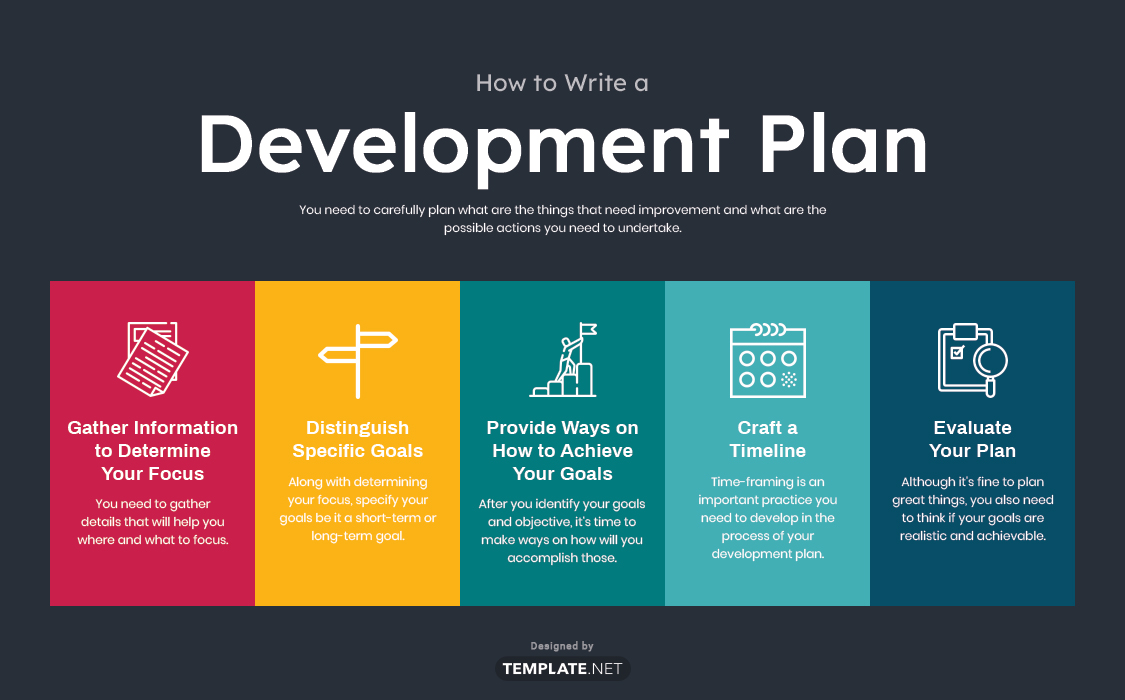
AI-powered travel planning tools excel at crafting personalized itineraries. A crucial first step is defining your travel goals and preferences. This involves articulating your desired experiences, budget constraints, and preferred travel style. By providing this detailed information, AI can curate tailored travel plans that align with your individual needs and desires.Defining your travel goals and preferences is paramount to creating an effective travel itinerary.
A well-defined plan ensures that your trip aligns with your expectations and maximizes enjoyment. Clearly outlining your desires allows AI tools to optimize your travel experience by suggesting relevant destinations, activities, and accommodations.
Inputting Travel Preferences
AI travel planning tools require specific input regarding your preferences. This input encompasses desired destinations, travel dates, budget, and desired experiences. Providing comprehensive details enables the AI to generate personalized recommendations and suggestions. For instance, specifying a preference for historical sites or outdoor activities will refine the generated itinerary accordingly.
Specifying Budget Constraints
Budget constraints are a critical aspect of travel planning. AI tools can efficiently incorporate budget parameters into the itinerary generation process. Precisely defining your budget allows the AI to suggest accommodations, transportation, and activities that align with your financial limits. For example, if you specify a budget of $1000 for a week-long trip, the AI will prioritize options within that range.
Articulating Desired Activities and Experiences
Describing your desired activities and experiences is vital for generating a suitable travel itinerary. AI tools utilize this information to curate travel plans that cater to your interests. Whether you are seeking adventure, relaxation, or cultural immersion, specifying these interests allows the AI to suggest activities and destinations that align with your preferred experiences. For instance, if you desire hiking, the AI will suggest destinations with suitable trails and recommend related activities.
Examples of Travel Styles
Different travel styles exist, each with its unique characteristics. Understanding these styles is essential for crafting a personalized travel itinerary. Travel styles include adventure, relaxation, and cultural immersion, each with its own set of preferences.
- Adventure Travel: This style prioritizes outdoor activities, exploration, and physical challenges. Examples include hiking, rock climbing, and wildlife spotting. Travelers often seek destinations with natural beauty and opportunities for thrilling experiences. Destinations might include national parks, mountain ranges, or remote islands.
- Relaxation Travel: This style emphasizes tranquility and rejuvenation. Relaxation travelers typically seek destinations with beautiful scenery, spas, and opportunities for relaxation. They often prefer a slower pace and quiet surroundings. Destinations may include beach resorts, spas, or tranquil countryside settings.
- Cultural Immersion Travel: This style prioritizes learning about the local culture, history, and traditions. Travelers often engage in activities such as visiting historical sites, attending cultural events, and interacting with locals. Destinations may include cities with rich history, museums, or areas with unique traditions.
Travel Style Preferences Table
The following table summarizes different travel styles and their corresponding preferences.
| Travel Style | Key Preferences | Examples of Activities | Typical Destinations |
|---|---|---|---|
| Adventure | Outdoor activities, physical challenges, exploration | Hiking, rock climbing, wildlife spotting, camping | National parks, mountain ranges, remote islands |
| Relaxation | Tranquility, rejuvenation, scenic beauty | Spa treatments, beach relaxation, quiet activities | Beach resorts, spas, countryside settings |
| Cultural Immersion | Learning about local culture, history, traditions | Visiting historical sites, attending cultural events, interacting with locals | Cities with rich history, museums, areas with unique traditions |
AI-Driven Itinerary Creation
![48 Professional Project Plan Templates [Excel, Word, PDF] ᐅ TemplateLab](https://teknopixel.web.id/wp-content/uploads/2025/09/project-planning-template-36-6.jpg "48 Professional Project Plan Templates [Excel, Word, PDF] ᐅ TemplateLab")
AI-powered travel planning tools are revolutionizing the way we craft unforgettable journeys. These sophisticated systems leverage advanced algorithms to generate personalized itineraries that cater to specific needs and preferences, seamlessly integrating various aspects of travel planning. By automating tasks and considering complex factors, AI significantly streamlines the process, saving users valuable time and effort.AI algorithms employ a combination of machine learning and data analysis to create personalized travel itineraries.
They learn from vast datasets of travel information, including user preferences, historical trends, and real-time updates, to predict optimal routes, accommodations, and activities. This allows for highly customized experiences tailored to individual tastes and budgets.
Itinerary Generation Process
The core process of AI-driven itinerary generation involves a series of steps that integrate various data points. Firstly, AI systems collect and process information about the user’s desired travel dates, destinations, and preferences. Then, it dynamically searches and analyzes available transportation options, accommodation choices, and potential activities, evaluating factors like cost, accessibility, and user reviews. This comprehensive evaluation enables the system to present a range of options, allowing users to make informed decisions.
Specifying Travel Dates and Destinations
AI systems excel at handling the initial inputs required for itinerary creation. Users specify their desired travel dates and destinations. The AI then analyzes the availability of flights, trains, or other transportation options, considering factors like peak seasons and special events that may affect travel times or costs. The system considers the user’s travel preferences, such as budget constraints, preferred modes of transportation, or desired level of comfort.
This ensures the proposed itineraries align with the user’s expectations. For example, if a user specifies a trip to Paris in July, the AI would instantly identify the high demand and potential for increased prices during this period, offering alternative dates or suggesting less crowded destinations as alternatives.
Considering Transportation, Accommodation, and Activities
Once the destination and dates are defined, the AI algorithm delves into specifics. It examines various transportation options, such as flights, trains, or buses, considering factors like travel time, cost, and convenience. For accommodation, AI considers hotel ratings, reviews, and prices to find suitable options that match the user’s preferences. The system also identifies and recommends relevant activities based on user preferences, such as historical sites, museums, or outdoor adventures.
For example, if a user specifies an interest in hiking, the AI might recommend trails and parks based on location and difficulty.
Optimizing Travel Routes and Schedules
AI excels at optimizing travel routes and schedules to maximize efficiency and enjoyment. By considering real-time traffic conditions, potential delays, and user preferences, the AI generates a streamlined itinerary. The system adjusts the schedule dynamically to ensure smooth transitions between activities, minimizing travel time and maximizing leisure time. This optimization aspect allows users to fully immerse themselves in the experience, ensuring a more enriching journey.
Steps in Creating an AI-Generated Itinerary
| Step | Description |
|---|---|
| 1. Input Information | User provides desired travel dates, destinations, and preferences. |
| 2. Data Analysis | AI analyzes availability of transportation, accommodation, and activities. |
| 3. Option Generation | AI generates multiple itinerary options based on criteria. |
| 4. Optimization | AI optimizes routes, schedules, and activities for efficiency and user satisfaction. |
| 5. Presentation | AI presents the generated itinerary in a user-friendly format. |
Customization and Refinement
AI-generated itineraries provide a strong foundation, but true personalization requires tailoring. This section details methods for modifying and refining AI-generated travel plans to perfectly match individual preferences and real-time needs. By understanding the customization options, travelers can ensure their trip aligns seamlessly with their vision.
Modifying AI-Generated Itineraries
AI tools often present a starting point for travel planning. Direct modifications are crucial for achieving a personalized experience. Users can easily adjust the duration of activities, swap planned destinations, or modify transportation options. These actions allow travelers to fine-tune their itinerary based on specific preferences and priorities.
Incorporating Personal Preferences
Travel preferences vary widely. Personal preferences, such as preferred cuisine, accommodation types, or activity levels, significantly impact the overall travel experience. To effectively incorporate these preferences, travelers can utilize the AI tool’s input mechanisms. Detailed preferences, such as a desire for eco-friendly accommodations or specific dietary restrictions, can be seamlessly integrated into the planning process. This ensures that the final itinerary reflects the traveler’s unique tastes.
Adding and Removing Activities
Flexibility is key to a satisfying trip. Travel plans are not static; adjustments are often necessary. AI-powered tools often allow for the straightforward addition or removal of activities. Adding a visit to a museum, for example, or removing a less appealing excursion, is often a simple process within the platform. This dynamic approach allows travelers to adapt to unforeseen circumstances or to explore new interests that arise during the planning process.
Fine-Tuning Based on Real-Time Feedback
Real-time feedback plays a crucial role in refining the itinerary. As travelers progress through their trip, feedback gathered from the actual experience can be used to adjust future itineraries. For instance, if a restaurant is disappointing, the traveler can note this in the AI tool for future reference, helping to improve future recommendations. Similarly, if a specific activity is particularly enjoyable, the experience can be factored into future plans, ensuring a more tailored and fulfilling trip.
Customization Options Table
| Customization Aspect | Methods | Example |
|---|---|---|
| Activity Duration | Adjusting time allocations for activities. | Shortening a museum visit to allow more time for exploring the city. |
| Destination Swap | Exchanging planned locations. | Replacing a planned city with a nearby attraction. |
| Transportation Modification | Changing travel modes or routes. | Switching from a train to a bus for a scenic route. |
| Preference Integration | Inputting details on preferences. | Specifying a need for vegetarian meals and quiet accommodations. |
| Activity Addition/Removal | Adding or removing activities from the itinerary. | Including a cooking class or removing a planned shopping excursion. |
| Real-time Feedback Incorporation | Using feedback to adjust future plans. | Noting a negative experience at a restaurant for future avoidance. |
Integrating AI with Existing Travel Resources
Leveraging AI’s capabilities is most effective when combined with existing travel plans and resources. This approach streamlines the process, reduces manual effort, and enhances the overall travel experience by seamlessly integrating AI-generated suggestions with pre-existing arrangements. This section details strategies for integrating AI tools with your current travel plans, allowing for a personalized and efficient trip.AI tools can significantly enhance pre-planned journeys by identifying potential improvements, streamlining logistics, and offering real-time adjustments.
By incorporating your existing travel plans, AI can provide valuable insights, suggesting alternative routes, recommending optimal booking times, and identifying potential cost-saving opportunities.
Incorporating Existing Travel Plans into AI Tools
To effectively integrate existing travel plans, you need to input the relevant details into the AI platform. This may include flight confirmations, hotel bookings, rental car agreements, and any other crucial travel documents. Providing this data allows the AI to understand your itinerary and suggest relevant enhancements. Consider using a spreadsheet or a dedicated travel management app to consolidate all your travel information before inputting it into the AI tool.
This pre-organization will allow for more efficient processing and more accurate results.
Combining AI-Generated Itineraries with Personal Travel Lists
AI-generated itineraries can be seamlessly combined with personal travel lists. Many AI tools offer options for importing external data, including lists of places you want to visit or activities you’d like to experience. This approach ensures that your personal preferences and interests are reflected in the generated itinerary. For example, if you have a list of restaurants you’d like to try, an AI tool can suggest suitable dining times and locations based on your travel schedule.
Using AI to Enhance Pre-booked Travel Arrangements
AI can enhance pre-booked travel arrangements by providing real-time insights and recommendations. For instance, if your flight is delayed, an AI tool can suggest alternative transportation options or recommend nearby accommodations. It can also provide personalized recommendations for activities or attractions based on your existing itinerary and preferences.
Examples of Travel Apps and Websites that Integrate with AI Travel Tools
Several travel apps and websites leverage AI to enhance the travel planning experience. These tools often integrate with existing travel booking platforms, allowing users to seamlessly import their existing reservations. Some apps offer a platform for managing all your travel plans in one place. This consolidated view provides a comprehensive overview of your trip and facilitates adjustments and modifications as needed.
Table of Travel Apps and Their AI Integration Capabilities
| App/Website | AI Integration Capabilities |
|---|---|
| Google Flights | AI-powered flight search, pricing analysis, and route suggestions; integration with other Google services |
| Skyscanner | AI-powered flight and hotel search; dynamic pricing; route suggestions; integration with third-party booking platforms |
| Booking.com | AI-powered recommendations based on user preferences; integration with other booking platforms |
| Expedia | AI-powered search; personalized recommendations; dynamic pricing; integration with third-party booking platforms |
| TripAdvisor | AI-powered reviews and recommendations; personalized travel experiences; user-generated content integration |
Visualizing and Presenting Itineraries
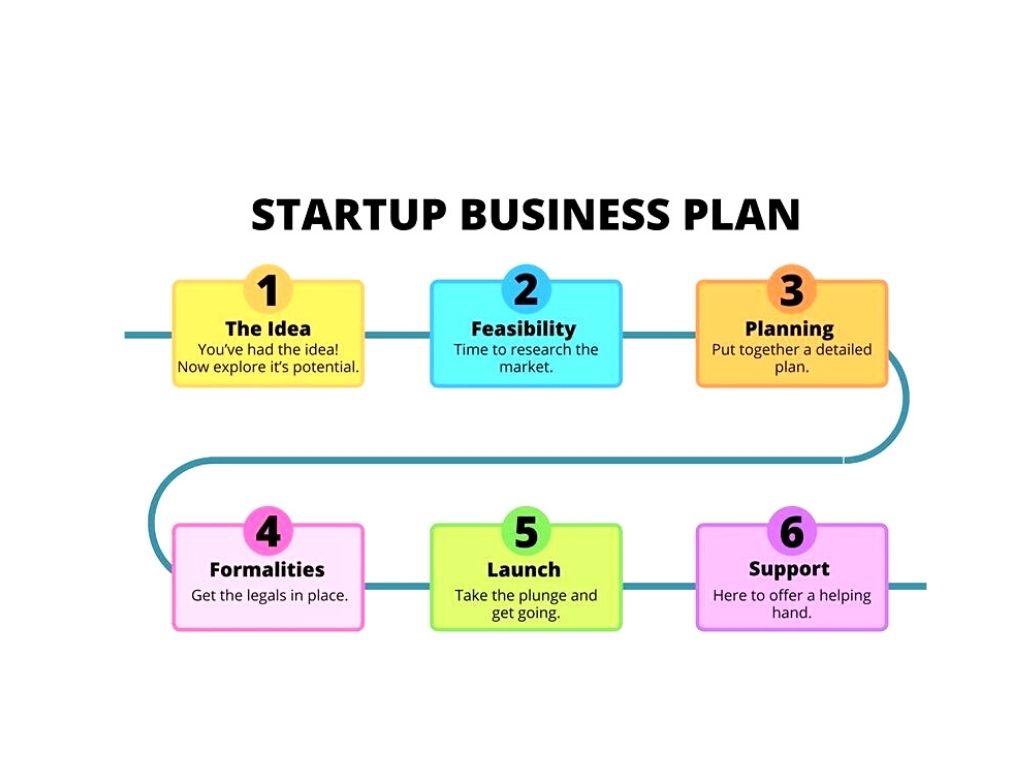
Transforming AI-generated travel plans into engaging and user-friendly presentations is crucial for a smooth and enjoyable trip. Clear visualization, using interactive elements and an aesthetically pleasing design, significantly enhances the travel experience and allows for easy comprehension and adjustments. A well-presented itinerary provides travelers with a roadmap for their adventure, fostering confidence and excitement.Effective visualization techniques translate complex data into easily digestible formats, enabling travelers to readily grasp the sequence of events and important details.
This process also empowers users to easily modify and fine-tune their itinerary based on their preferences. Presenting the itinerary in a user-friendly format is key to maximizing its practical application.
Visualizing AI-Generated Itineraries
AI-generated itineraries often present data in tabular or list formats. Transforming this data into visually engaging representations is crucial. Interactive maps, timelines, and other visual aids effectively convey the journey’s structure and key milestones. This approach helps travelers grasp the overall flow of their trip and spot potential scheduling conflicts or time constraints. Examples include interactive maps highlighting hotel locations, attractions, and transportation routes.
Presenting the Itinerary in a User-Friendly Format
An easily navigable itinerary structure is essential. A well-structured document, whether a PDF or a web-based format, allows for easy navigation through various aspects of the trip. This can include sections dedicated to transportation details, accommodation information, and planned activities. Furthermore, a clear layout facilitates easy adjustments and modifications.
Use of Interactive Maps and Timelines for Travel Planning
Interactive maps allow users to visualize the journey’s route, pinpoint locations of interest, and identify potential transportation options. These maps can be customized to include specific details like distances, estimated travel times, and real-time traffic updates. A dynamic timeline, synchronized with the map, visually illustrates the sequence of events and the allocated time for each activity. This feature enables travelers to promptly adjust their itinerary based on unexpected delays or new interests.
Importance of Clear Communication in Sharing the Itinerary
Clear and concise communication is vital for successful travel planning. Sharing the itinerary with all relevant parties (travel companions, family members, or tour guides) is crucial for a smooth experience. Using a common format, like a shared online document or a downloadable PDF, ensures everyone is on the same page regarding the travel plan. This minimizes misunderstandings and potential conflicts.
Creating an Aesthetically Pleasing Itinerary Presentation
An aesthetically pleasing itinerary presentation enhances the overall travel experience. Visual elements like appealing fonts, colors, and imagery can make the itinerary more engaging and enjoyable. Consistent formatting and a user-friendly design create a sense of order and professionalism, boosting confidence and anticipation for the journey. Incorporate high-quality images or illustrations relevant to the locations visited to enhance the overall visual appeal.
Addressing Potential Challenges
AI-powered travel planning tools offer significant advantages, but understanding their limitations and potential pitfalls is crucial for a smooth and enjoyable trip. This section delves into potential challenges, emphasizing the importance of human oversight and risk mitigation strategies. Proper preparation can transform potential hurdles into manageable situations, ensuring a successful journey.
Limitations of AI Travel Planning Tools
AI tools excel at processing vast amounts of data, but they are not infallible. Their limitations often stem from incomplete or outdated information, leading to inaccuracies in recommendations. For instance, an AI might suggest a restaurant based on popularity, but fail to account for dietary restrictions or recent negative reviews. Similarly, AI might overlook local events or unforeseen circumstances that could impact travel plans.
The algorithm’s ability to interpret context and adapt to unique situations is also a significant factor.
Handling Unexpected Issues or Changes
Travel plans are dynamic, and unexpected issues are inevitable. Developing a flexible approach is essential. This includes having backup plans for transportation, accommodation, and activities. Always ensure that important documents, such as passports and visas, are readily accessible. Contact information for local authorities and emergency services should also be readily available.
Building in buffer time for unforeseen delays is crucial. For example, scheduling extra time between appointments or activities allows for unexpected traffic or weather delays.
Human Oversight in AI-Generated Itineraries
While AI can significantly streamline the itinerary creation process, human oversight remains essential. A human reviewer can identify potential issues missed by the algorithm, such as conflicting schedules, impractical travel times, or unsuitable accommodations. A human touch is necessary for incorporating personal preferences, cultural sensitivities, and unforeseen circumstances. A travel agent or seasoned traveler can critically evaluate and refine the AI-generated itinerary.
Mitigating Risks Associated with AI-Generated Plans
AI-generated itineraries should be treated as suggestions, not absolute directives. Users should always research and verify information, cross-checking details with independent sources. This includes confirming flight times, hotel bookings, and local regulations. The inclusion of contingency plans and flexible options can reduce potential risks.
Comparison of AI-Generated and Manually Curated Itineraries
| Feature | AI-Generated Itinerary | Manually Curated Itinerary |
|---|---|---|
| Speed of Creation | Significantly faster | Slower, requiring more time |
| Data Volume | Processes vast amounts of data | Relies on personal knowledge and research |
| Flexibility | Generally less flexible, susceptible to data limitations | More flexible, adaptable to unforeseen changes |
| Personalization | Can be highly personalized, but may miss subtle nuances | Highly personalized, reflecting unique preferences |
| Cost Efficiency | Potentially cost-effective by identifying deals | May or may not be cost-effective depending on the user’s expertise |
| Human Oversight | Requires human review and adjustment | Complete human oversight and control |
Ethical Considerations in AI Travel Planning
AI-powered travel planning tools offer significant advantages, but their use raises important ethical considerations. These tools, while designed to enhance the travel experience, must be developed and employed responsibly to avoid potential biases and ensure equitable access for all users. Understanding and addressing these ethical concerns is crucial for building trust and maximizing the benefits of AI in the travel industry.AI systems, trained on vast datasets, can inadvertently reflect existing societal biases in their recommendations.
This can lead to unequal or unfair treatment of certain groups. For example, an AI system trained primarily on data from Western countries might prioritize popular Western destinations over lesser-known or more diverse options, thus limiting travel choices for individuals from other backgrounds. This is a crucial aspect of ethical AI development and deployment.
Potential Biases in AI Recommendations
AI algorithms can inherit biases from the data they are trained on. This data may reflect existing societal prejudices or inequalities, leading to skewed recommendations. For example, if the training data predominantly features luxury hotels in affluent areas, the AI might consistently suggest such options, overlooking budget-friendly or culturally rich accommodations. This could unintentionally exclude travelers with different preferences or financial situations.
Carefully curated and diverse datasets are essential for mitigating this risk.
Responsible Data Usage
The ethical use of AI in travel planning relies heavily on responsible data handling practices. AI systems collect and analyze user data to generate personalized itineraries. Protecting user privacy and ensuring transparency in data usage are paramount. Travelers should have control over their data and be informed about how it’s being used to personalize their experiences. Data anonymization techniques and strict adherence to privacy regulations are vital.
Ensuring Fair and Equitable Access
Fair and equitable access to AI-powered travel planning tools is crucial. These tools should be accessible to all users, regardless of their socioeconomic status, technical proficiency, or geographic location. To achieve this, the tools should be designed with user-friendliness and affordability in mind. Offering multilingual support and accessible interfaces are important considerations. Moreover, addressing the digital divide and promoting digital literacy can ensure wider access.
Promoting Sustainable and Responsible Travel
AI can play a significant role in encouraging sustainable and responsible travel practices. AI-powered tools can analyze user preferences and suggest eco-friendly travel options, such as accommodations with lower environmental footprints or transportation methods that minimize carbon emissions. AI can help users understand the environmental impact of their choices and make more informed decisions. For example, AI could highlight carbon footprints of different destinations and modes of transportation, enabling users to consciously opt for sustainable options.
End of Discussion

In conclusion, planning travel itineraries with AI offers a powerful and efficient approach. By understanding how to utilize AI tools, define your travel preferences, and address potential challenges, you can create personalized and optimized travel experiences. This guide has equipped you with the knowledge and tools to navigate the exciting world of AI-driven travel planning, ensuring your next adventure is not only memorable but also meticulously planned.