Unlock the potential of artificial intelligence to revolutionize your study methods! This comprehensive guide explores how AI can create personalized flashcards, tailoring them to your specific learning needs and style. Discover the benefits of AI-powered flashcard generation and explore the various methods and tools available.
From choosing the right AI tools to optimizing your learning process, this article provides a detailed roadmap for effective flashcard creation. We’ll delve into the intricacies of data input, flashcard customization, and the integration of AI-generated flashcards into your existing study plan.
Introduction to AI-Powered Flashcards
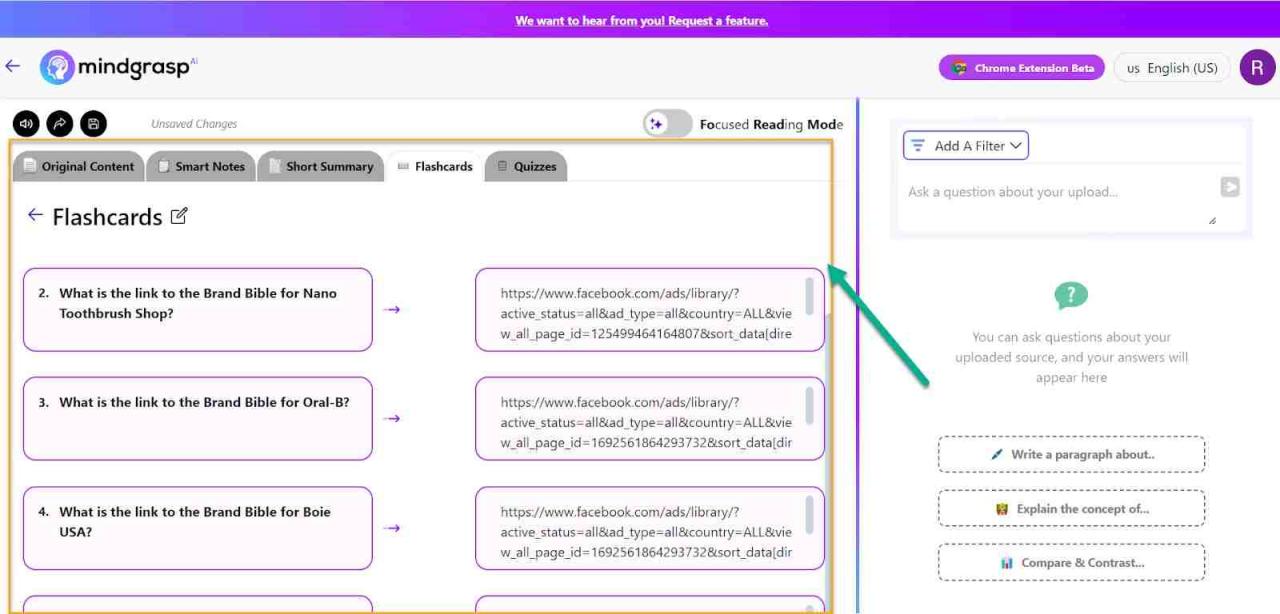
Artificial intelligence (AI) is rapidly transforming various aspects of education, and the creation of study flashcards is no exception. AI-powered tools leverage sophisticated algorithms to generate personalized flashcards tailored to individual learning styles and needs. This approach promises a more efficient and effective way to memorize and recall information compared to traditional methods.AI-powered flashcard generation offers several advantages over traditional methods.
Traditional flashcards often rely on static information and a fixed format. In contrast, AI can dynamically adapt to the user’s progress, identifying areas needing more attention and adjusting the difficulty level of the flashcards accordingly. This personalized approach fosters deeper learning and improves knowledge retention.
Different Types of AI Models for Flashcard Generation
AI models play a crucial role in creating flashcards that cater to diverse learning styles. Various types of AI models can be employed, each with its strengths and weaknesses.
- Machine Learning (ML) models, particularly those based on supervised learning, are capable of learning patterns from existing data to generate flashcards that align with the user’s learning style. These models can be trained on large datasets of flashcards and corresponding user feedback to optimize the learning process. For instance, a model trained on student responses and performance data can identify areas where students struggle and generate flashcards focusing on those concepts.
- Deep Learning (DL) models, including recurrent neural networks (RNNs) and convolutional neural networks (CNNs), can process complex information, such as images and text, to create more comprehensive and interactive flashcards. This can include flashcards that combine visual elements with textual descriptions to cater to different learning modalities.
- Natural Language Processing (NLP) models are adept at understanding and processing human language. They can analyze text and identify key concepts, s, and relationships between ideas. This enables the creation of flashcards that accurately represent the relationships between concepts, ensuring a more comprehensive understanding of the material.
Basic Structure of an AI-Driven Flashcard Article
A well-structured article on AI-driven flashcards should include the following components.
- An introductory section outlining the concept of AI-powered flashcards and highlighting the benefits over traditional methods. This section should clearly establish the context and purpose of the article.
- A detailed explanation of the different AI models used in flashcard generation, including their capabilities and limitations. This section should discuss the technical aspects of the AI models employed, and compare and contrast different approaches.
- A comprehensive analysis of the benefits of AI-powered flashcards, such as personalization, adaptability, and enhanced knowledge retention. This section should emphasize the advantages of AI-powered flashcards in comparison to traditional methods, presenting data and examples where possible.
- A practical guide to creating and utilizing AI-generated flashcards, encompassing instructions and examples to aid readers in effectively implementing this technology in their learning journey. This practical component will provide step-by-step instructions for creating AI-powered flashcards.
- A conclusion summarizing the key takeaways and emphasizing the potential of AI-powered flashcards to revolutionize the learning experience. This final section should provide a brief overview of the impact and potential future applications of AI in the field of education.
Choosing the Right AI Tools
Selecting the optimal AI tool for creating flashcards is crucial for maximizing efficiency and effectiveness. Different tools cater to various needs and preferences, offering unique features and functionalities. Understanding these distinctions allows users to choose the platform best suited for their learning style and goals. This section details popular AI tools, their comparative advantages, and the data requirements each necessitates.Choosing the right AI tool requires careful consideration of features, pricing, and ease of use.
The ideal platform will seamlessly integrate into existing study workflows, minimizing disruptions and maximizing learning outcomes. A thoughtful selection process ensures that the chosen tool effectively supports the learning journey.
Popular AI Flashcard Tools
Several AI-powered platforms offer flashcard generation capabilities. Evaluating these platforms allows for informed decision-making. Key considerations include the platform’s capacity to understand and interpret data, its flexibility in customizing flashcards, and the user experience it provides.
- Memrise: A popular language learning platform, Memrise employs AI to tailor flashcard sets. It utilizes spaced repetition algorithms to optimize memorization. Its strengths lie in its user-friendly interface and extensive library of language courses.
- Quizlet: Quizlet is a widely used platform for creating and sharing study materials, including flashcards. It incorporates AI-driven features to personalize learning experiences. The platform’s extensive user base ensures a vast collection of pre-made flashcards for various subjects.
- Anki: Anki is a powerful flashcard application that utilizes sophisticated spaced repetition algorithms. It provides advanced customization options for creating highly personalized flashcards. Its focus on efficiency and effectiveness makes it a strong choice for users seeking a high level of control over their learning.
Comparative Analysis of Tools
A comparative analysis of these platforms highlights their strengths and weaknesses. Understanding these distinctions empowers users to select the tool that aligns with their specific needs.
| Feature | Memrise | Quizlet | Anki |
|---|---|---|---|
| Ease of Use | High | High | Medium |
| Customization | Moderate | Moderate | High |
| Pricing | Free with optional premium features | Free with optional premium features | Free |
| Data Handling | Excellent for language-related data | Versatile, capable of handling various subjects | Highly adaptable, capable of handling diverse data types |
Data Requirements for Flashcard Creation
Different AI platforms require varying types of data for optimal flashcard generation. Understanding these requirements ensures the chosen platform accurately interprets the input data.
- Memrise: Primarily requires text-based data, especially for vocabulary and grammar rules. Images and audio can be included for enhanced learning.
- Quizlet: Accepts a wide array of data types, including text, images, audio, and video. The platform effectively handles complex data formats.
- Anki: Supports various data types, with a strong focus on structured input. The platform can effectively process detailed information and complex relationships between concepts.
Step-by-Step Process for Selecting an AI Tool
A structured approach to selecting the right AI tool ensures a smooth transition to the chosen platform.
- Define Learning Objectives: Clearly identify the specific learning goals and the subjects to be studied.
- Assess Data Availability: Evaluate the types of data available for flashcard creation, including text, images, and audio.
- Explore Platform Features: Examine the customization options, pricing models, and user experience of different platforms.
- Trial the Selected Tool: Test the platform’s usability and its ability to create effective flashcards with the chosen data.
- Choose the Optimal Platform: Select the platform that best suits the learning goals, data type, and preferred level of customization.
Inputting Data for Flashcard Generation
Effective AI flashcard generation hinges on the quality and structure of the input data. Properly formatted information allows the AI to understand the relationships between concepts, facilitating more effective learning. This section details best practices for structuring your data for optimal flashcard creation.The key to successful AI-powered flashcard generation is to provide the AI with clear, concise, and well-organized data.
This allows the AI to understand the relationships between concepts, facilitating more effective learning. This approach ensures that the flashcards accurately reflect the desired learning objectives.
Structuring Data for Diverse Subject Matter
Providing diverse and well-organized data is crucial for effective AI flashcard generation. Different subjects require different approaches to data structuring. Understanding the specific needs of each subject matter will enable the creation of flashcards that are both comprehensive and effective.
- For subjects like mathematics, providing formulas, theorems, and worked examples is essential. This allows the AI to understand the logic behind the concepts and create flashcards that focus on both the application and the theory. For example, the formula for the area of a circle, A = πr 2, should be accompanied by explanations of the variables and examples of calculations.
- In subjects like history or literature, structuring data around key events, figures, and themes is beneficial. Include concise summaries, dates, and relevant quotations. For example, describing the causes of the French Revolution or highlighting key themes in a literary work can provide the necessary context for effective learning.
- In subjects like biology or chemistry, diagrams, chemical structures, and explanations of processes are highly recommended. This will enable the AI to create flashcards that accurately represent the visual components of the subject matter. For example, a diagram of the human digestive system, accompanied by explanations of each organ’s function, will provide a holistic understanding of the process.
Formatting Information for Effective Flashcard Generation
Consistent formatting enhances the AI’s ability to process and understand the data. This approach ensures that the generated flashcards are accurate and well-organized.
- Use clear and concise language. Avoid jargon or overly complex sentence structures. Ensure that the language is accessible to the intended learner.
- Use consistent formatting for key terms and concepts. This will allow the AI to identify and categorize these elements accurately. Highlighting key terms with bold text or using a specific format for equations or chemical formulas will help the AI understand their significance.
- Include relevant visuals whenever possible. Images, diagrams, and charts can significantly enhance understanding and memory retention. Use appropriate and relevant visual aids to complement the text-based information.
Examples of Input Formats for Various Learning Styles
Different learners benefit from different types of flashcards. Understanding these learning styles allows you to create data formats that cater to individual preferences.
| Learning Style | Input Format Example |
|---|---|
| Visual | A diagram of the solar system with planets labeled and descriptions of their characteristics. |
| Auditory | A recording of a historical event or a narration of a scientific process. |
| Kinesthetic | A physical model of a molecule or a series of steps for a scientific experiment. |
AI-Driven Flashcard Creation Methods
AI-powered flashcard generation leverages sophisticated algorithms to create highly personalized and effective study materials. These tools analyze input data to understand the subject matter, identify knowledge gaps, and tailor the flashcards accordingly. This approach allows for a more targeted and efficient learning experience.Different AI methods employ various strategies for constructing flashcards, resulting in diverse learning experiences. These methods range from simple associations to complex neural network models, offering users flexibility in choosing the most suitable approach for their specific needs.
This section will delve into these methodologies and how they impact the learning process.
Different AI Flashcard Generation Methods
AI algorithms employ diverse methods to generate flashcards, catering to various learning styles and subject complexities. Some common methods include:
- Association: This method pairs s or concepts based on their semantic relationships. AI algorithms identify common themes, synonyms, and antonyms to establish connections. This approach is particularly effective for memorizing vocabulary and definitions, fostering understanding through word association.
- Concept Mapping: AI-driven tools can generate flashcards that visualize complex relationships between concepts. These flashcards depict hierarchical structures, showing the connections and dependencies between different ideas. This method is highly valuable for subjects like history, biology, or economics, where grasping the interconnections is crucial.
- Pattern Recognition: Sophisticated algorithms can identify patterns in data, including recurring themes, exceptions, and subtle differences. Flashcards generated using this approach can effectively highlight these patterns, enabling users to grasp the nuances of the subject matter. This method excels in identifying intricate details within subjects like mathematics or programming.
- Neural Networks: Advanced AI models, particularly neural networks, can process vast amounts of data to identify complex relationships and predict optimal learning sequences. These models adapt to the user’s performance and tailor the flashcard content and order to optimize learning. This method is especially effective for subjects that require a deep understanding of interconnected concepts.
Algorithm Impact on Learning
The algorithms used directly influence the effectiveness of flashcard generation. Simple -based algorithms are efficient for basic memorization, while more complex models, such as neural networks, adapt to the user’s learning patterns. This adaptation leads to more personalized and effective learning outcomes.
- Personalized Learning: Advanced algorithms analyze user performance and adjust flashcard content and order to cater to individual learning needs and pace. This ensures that the learner is challenged appropriately and does not get bogged down by material they already understand.
- Adaptive Difficulty: AI algorithms can dynamically adjust the difficulty of flashcards based on the user’s responses. Flashcards that are answered incorrectly are presented again with greater frequency or modified to be simpler. This ensures focused learning and reinforces areas needing more attention.
- Sequential Learning: Some algorithms structure flashcards in a logical sequence, building on previously learned concepts. This method ensures that new information is presented in a way that connects it to existing knowledge, making it easier to assimilate.
Tailoring Flashcard Creation for Different Subjects
The process of flashcard generation can be tailored to suit various subjects and learning objectives.
- Mathematics: AI-generated flashcards for mathematics can emphasize formulas, problem-solving steps, and visual representations. The algorithms can focus on step-by-step explanations and practice problems to aid in understanding complex concepts.
- History: AI tools can create flashcards that highlight key events, dates, and figures. Flashcards can include timelines, cause-and-effect relationships, and comparisons between historical periods to enhance understanding.
- Languages: AI-generated flashcards for language learning can emphasize vocabulary, grammar rules, and sentence structures. These tools can incorporate audio pronunciations and example sentences to facilitate comprehension.
Flowchart of AI-Powered Flashcard Generation

Customizing Flashcard Sets
Tailoring AI-generated flashcards to your specific learning needs is crucial for effective studying. This section details methods for customizing the difficulty, question types, and complexity of your flashcards, enabling a highly personalized study experience. By adjusting these elements, you can create a set of flashcards perfectly aligned with your learning goals and comprehension level.AI-powered tools offer a high degree of flexibility in customizing flashcards.
This allows for a more effective study experience by focusing on areas requiring further attention. These customizations ensure that the flashcards remain relevant to your current knowledge gaps and progress.
Adjusting Flashcard Difficulty Levels
AI tools can dynamically adjust the difficulty of flashcards based on user input and performance data. This adaptive approach ensures that flashcards are neither too easy nor too challenging, optimizing the learning process. Users can specify desired difficulty levels by providing input about their current knowledge of the subject matter, or the tool can use past performance to dynamically adjust the difficulty level.
This ensures optimal learning.
Modifying Question Types
Flashcards can be customized to include various question types beyond simple recall. AI tools can generate flashcards with a range of question formats, such as multiple choice, fill-in-the-blank, matching, short answer, and even image-based questions. This diversity ensures a broader engagement with the material and promotes different learning styles.
Examples of Different Question Formats
AI-powered tools can generate flashcards in various formats. For instance, a historical event could be presented as a multiple-choice question asking about the cause of the event, a fill-in-the-blank question requiring the user to complete a key phrase, or a short answer question prompting the user to explain the long-term consequences of the event. These examples illustrate the adaptability of AI in generating flashcards.
| Question Type | Example (History) |
|---|---|
| Multiple Choice | What was the immediate cause of the French Revolution? |
| Fill-in-the-Blank | The American Revolution was fought against the ______. |
| Matching | Match the following leaders to their corresponding countries. |
| Short Answer | Explain the significance of the Industrial Revolution. |
Creating Flashcards with Different Levels of Complexity
Flashcards can be structured with varying levels of complexity. This involves using a hierarchical approach, with basic concepts presented first, followed by more intricate details. For example, introductory biology flashcards could start with simple definitions of cellular structures, progressing to more complex explanations of cellular processes and functions. The tool can use existing knowledge about the subject matter to construct this hierarchy.
Optimizing Flashcard Learning
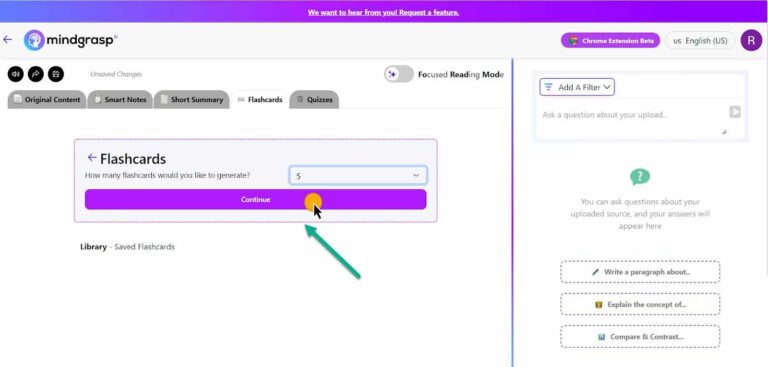
Leveraging AI-generated flashcards effectively requires a strategic approach beyond simply creating the sets. Optimizing your learning journey involves understanding how to interact with these digital tools to maximize knowledge retention and application. This section will detail techniques for efficient use, emphasizing active recall and spaced repetition, crucial components for successful learning.Effective utilization of AI-generated flashcards hinges on a thoughtful approach to learning.
By incorporating active recall and spaced repetition strategies, learners can significantly enhance their comprehension and retention of information. The integration of these methods, guided by the insights of AI, provides a highly personalized and effective learning experience.
Strategies for Effective Flashcard Use
The design of AI-generated flashcards can be tailored to facilitate different learning styles. Understanding these styles and adjusting your study habits to match them can be extremely beneficial. Active engagement with the material, going beyond passively reviewing, will lead to a deeper understanding and longer-lasting retention. Consider breaking down large concepts into smaller, manageable chunks for more effective learning.
Techniques for Maximizing Learning Outcomes
A range of techniques can be employed to improve learning outcomes. Consistent review, strategic spacing, and active recall are key components in effectively integrating AI-generated flashcards into your study routine. For example, using different types of questions or prompts to encourage active recall can make a significant difference in your understanding of the material.
The Importance of Active Recall and Spaced Repetition
Active recall, where you attempt to retrieve information from memory without looking at the answer, is a cornerstone of effective learning. AI-generated flashcards facilitate this by prompting you to recall information. Spaced repetition, the practice of reviewing material at increasing intervals, is another crucial technique. AI algorithms excel at implementing spaced repetition, ensuring you review material when your memory needs it most, thereby strengthening the connections in your brain.
Using AI-powered flashcards will allow you to focus on material that needs review.
Methods for Tracking Progress Using AI-Powered Flashcards
AI-powered flashcards offer detailed insights into your learning progress. These tools often track your performance, identifying areas where you need further reinforcement. The ability to visualize your learning curve and spot knowledge gaps can greatly enhance your understanding of the material and help you focus your study efforts more effectively.
Example Flashcard Sets
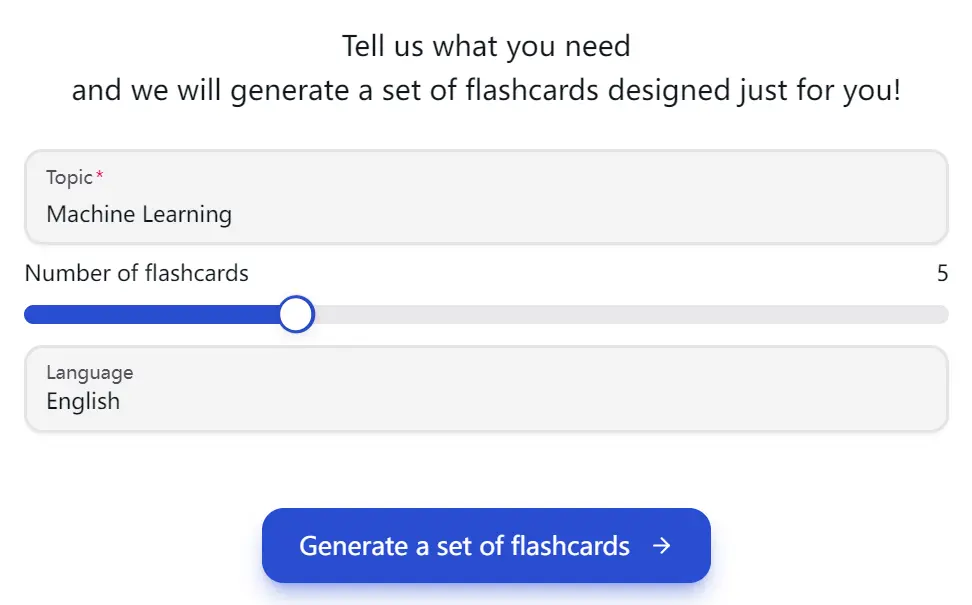
Creating example flashcard sets allows for a tangible demonstration of how AI-powered tools can generate learning materials. These examples showcase the potential of these systems to tailor educational resources to individual needs and preferences, while also demonstrating the various ways AI can adapt to different subjects. This section provides practical illustrations of the processes involved in generating flashcards and demonstrates the role of image data in enhancing learning experiences.
Historical Figures Flashcard Set
This set focuses on key historical figures and their contributions, employing a tabular format for easy comprehension and review. The table structure is designed to be highly responsive, adapting to different screen sizes.
| Figure | Contribution | Era | Image |
|---|---|---|---|
| Marie Curie | Pioneering research on radioactivity | Early 20th Century | A high-resolution image of Marie Curie in her laboratory, possibly with a depiction of her research apparatus. |
| Nelson Mandela | Anti-apartheid revolutionary and statesman | Late 20th Century | A clear image of Nelson Mandela, possibly during a key moment in his political career. |
| Leonardo da Vinci | Renaissance artist, inventor, and scientist | 15th-16th Century | A detailed image of one of da Vinci’s iconic paintings or a rendering of one of his inventions. |
| Queen Elizabeth I | Monarchs of England | 16th Century | A portrait of Queen Elizabeth I, highlighting her royal regalia. |
Scientific Concepts Flashcard Set
This set focuses on core scientific concepts, emphasizing the visual aspect for improved understanding.
| Concept | Definition | Visual Representation | Example |
|---|---|---|---|
| Photosynthesis | Process by which plants convert light energy into chemical energy | A diagram illustrating the process, showing sunlight entering a leaf, and the conversion of carbon dioxide and water into glucose. | Green plants using sunlight to grow. |
| Cell Division | Process by which a cell divides into two daughter cells | A series of images illustrating the stages of mitosis, showcasing the chromosomes and their separation. | Growth of organisms, wound healing. |
| Gravity | Force of attraction between objects with mass | An image of an apple falling from a tree, or a depiction of planetary orbits. | Objects falling to the ground, planets orbiting the sun. |
Image Data for Visual Aids
High-quality images are crucial for enhancing flashcard learning. The image data required for AI-powered flashcard generation should be precise and relevant to the concept. For historical figures, images should be clear and recognizable, ideally depicting the subject in a context relevant to their contributions. For scientific concepts, diagrams or illustrations are essential to visualize the processes or structures involved.
Providing a descriptive caption with the image data will aid the AI in associating the image with the correct concept. For example, a caption for a diagram of photosynthesis should specify the key elements and their relationships.
Troubleshooting and Common Issues
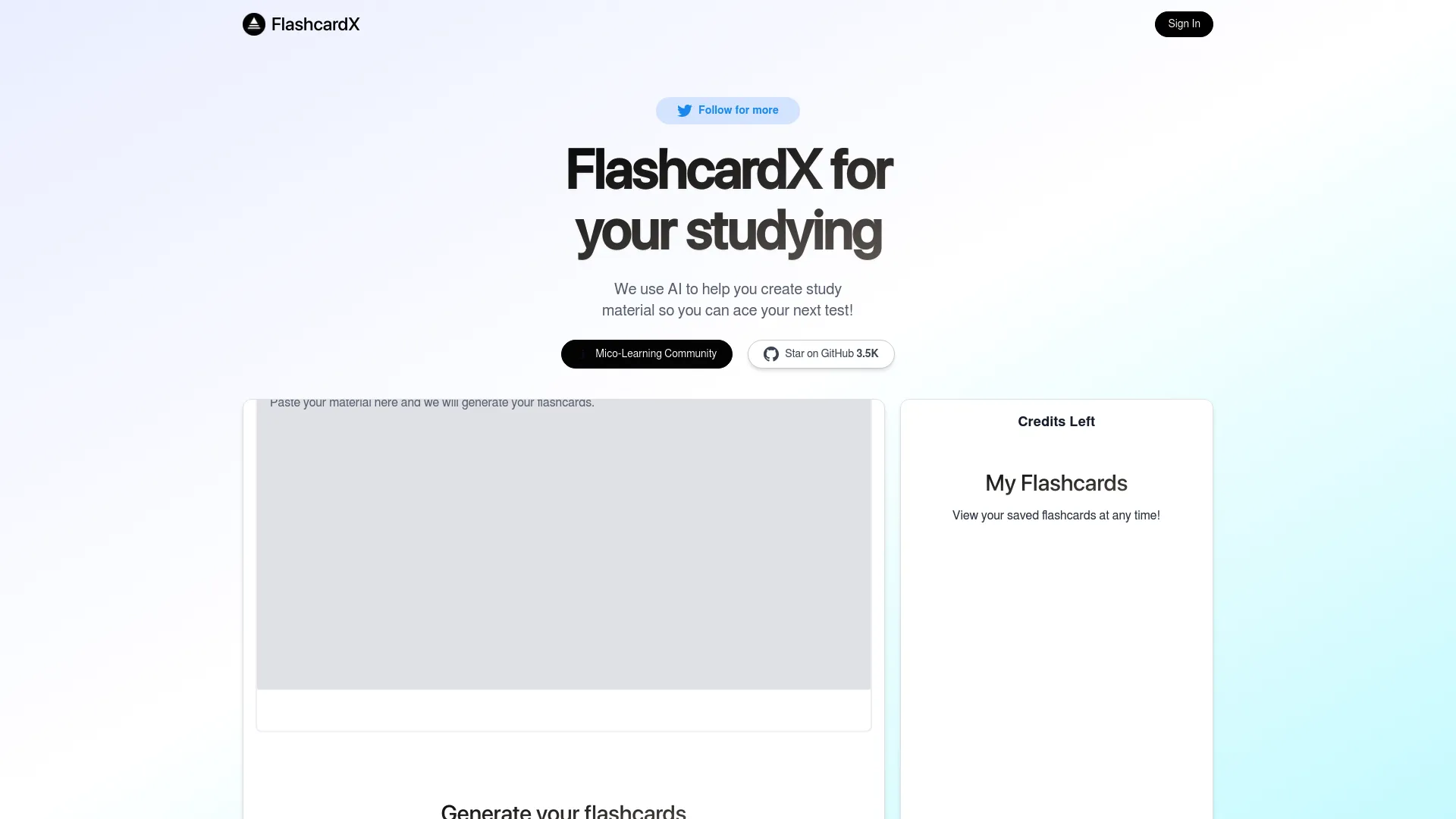
AI-powered flashcard generation, while powerful, is not without potential pitfalls. Understanding common issues and their solutions is crucial for maximizing the effectiveness of this technology. Careful consideration of input data, AI tool limitations, and potential errors will lead to more reliable and accurate learning resources.
Potential Problems with AI-Generated Flashcards
AI tools can sometimes struggle with nuanced concepts or complex relationships, leading to inaccurate or incomplete information. The quality of the output heavily depends on the quality and comprehensiveness of the input data. If the data fed to the AI is flawed or incomplete, the resulting flashcards may reflect these shortcomings. This emphasizes the importance of accurate and thorough input.
Solutions for Addressing Common Issues
Addressing issues during flashcard creation requires proactive steps. First, carefully review the generated flashcards to identify any inaccuracies or inconsistencies. If errors are found, adjust the input data or parameters to refine the output. Iterative refinement is often necessary to ensure accuracy and clarity. Consider using multiple AI tools to compare outputs and identify potential discrepancies.
Limitations of AI in Flashcard Generation
AI systems are trained on vast datasets, but they don’t possess true understanding or insight. They can identify patterns and relationships in data, but they may not fully grasp the underlying meaning or context. AI can be excellent at automating tasks, but human review and refinement remain critical to ensure accuracy and quality. AI tools are not capable of creative writing or crafting unique explanations.
Human intervention is required to fine-tune the generated content.
Potential Errors and How to Fix Them
- Incorrect or Inconsistent Definitions: If definitions or explanations are inaccurate or inconsistent with the subject matter, review and revise the input data to ensure accuracy. Consider adding specific examples or real-world scenarios to clarify the meaning.
- Missing or Incomplete Information: If crucial information is missing from the generated flashcards, refine the input data with more detail. Ensure the input data is comprehensive to avoid incomplete or misleading information.
- Ambiguous or Vague Language: If the language used in the flashcards is unclear or ambiguous, rephrase the input data to use more precise and unambiguous language. Adding examples to clarify meaning can be beneficial.
- Oversimplification or Overgeneralization: If the generated flashcards oversimplify or overgeneralize complex concepts, consider adding more nuanced examples or specific cases. The input data should be detailed enough to avoid misinterpretations.
- Bias or Stereotyping: AI models can sometimes reflect biases present in the training data. Review the output carefully for any potential biases or stereotypes. Adjust the input data to mitigate these issues.
Improving the Input Data
The accuracy of the generated flashcards is directly linked to the quality of the input data. To improve the input data, use diverse and comprehensive sources. Including examples, diagrams, and real-world applications can enhance the understanding of concepts. The more detailed and accurate the input data, the more effective the generated flashcards will be.
Integrating AI-Generated Flashcards into Existing Study Plans
Integrating AI-generated flashcards effectively into your existing study plan can significantly enhance your learning experience. This involves careful consideration of your current study methods and tailoring the AI-powered tools to your specific needs. A well-integrated approach will not only supplement your existing learning resources but also streamline your study process.Successfully incorporating AI-generated flashcards into your existing study routine requires thoughtful planning and execution.
This approach ensures that the flashcards serve as a valuable complement to your existing resources, rather than a separate, overwhelming task. This process also ensures that the flashcards are not just passively memorized, but actively integrated into your understanding.
Methods for Incorporating Flashcards into Existing Study Plans
A crucial aspect of integrating AI-generated flashcards is understanding how they can be effectively woven into your current study routine. Different study styles and subject matter require varied approaches.
AI-generated flashcards can be used as a pre-study tool to review key concepts before a lecture or a reading assignment. This active recall approach enhances understanding and retention.
Flashcards can also be used as a post-study tool to reinforce learning and identify knowledge gaps. Regular review sessions using the flashcards can significantly improve comprehension.
Combining Flashcards with Other Learning Resources
Combining AI-generated flashcards with other learning resources creates a powerful and comprehensive learning strategy. This approach leverages the strengths of different methods to create a well-rounded study experience.
- Combining with Textbooks: Use flashcards to summarize key concepts from textbooks. This allows for active engagement with the material and facilitates easier recall of important details. For example, if studying biology, use flashcards to define key terms and summarize biological processes, rather than just passively reading the textbook. The combination of AI-generated flashcards and active recall can lead to improved understanding and retention of complex biological concepts.
- Pairing with Lecture Notes: AI-generated flashcards can be used to synthesize information from lectures. This allows for a focused review of key points and helps to create a comprehensive study guide. For instance, use flashcards to create concise summaries of lecture discussions and to connect lecture concepts to broader theoretical frameworks.
- Integrating with Practice Questions: Flashcards can be combined with practice questions to assess understanding. For example, include practice questions directly on the flashcard itself, or link the flashcard to a larger online quiz platform. This allows for a more comprehensive learning experience, moving beyond rote memorization to active application.
Structuring Study Sessions with Flashcards
Creating a structured study schedule incorporating flashcards is vital for efficient learning. A well-structured plan ensures that the flashcards are used effectively and seamlessly integrate with other study materials.
- Spaced Repetition: Implement spaced repetition systems for optimal retention. This involves reviewing flashcards at increasing intervals to reinforce memory over time. This method can be easily implemented within many AI-powered flashcard apps.
- Targeted Review Sessions: Schedule dedicated review sessions to focus on flashcards, using different techniques like timed quizzes or active recall exercises. This helps to reinforce understanding and identify areas requiring further study. For example, dedicate 30 minutes every other day to a review session focusing on the flashcards, actively recalling the information and correcting any misconceptions.
- Adjusting the Schedule: Regularly adjust your study schedule based on your progress and performance. Adjust the frequency and type of reviews depending on the difficulty of the material. If you find certain concepts particularly challenging, dedicate more time to review sessions using the flashcards, ensuring better comprehension.
Closing Summary
In conclusion, leveraging AI for flashcard generation offers a powerful and efficient approach to studying. This guide has equipped you with the knowledge and tools to create effective flashcards tailored to your specific needs. By understanding the various AI methods, customization options, and optimization strategies, you can maximize your learning potential and achieve your academic goals. Embrace the future of study with AI-powered flashcards!