Harnessing the power of artificial intelligence to revolutionize yoga practice is no longer a futuristic concept. AI-powered yoga sessions offer a personalized and adaptable approach to wellness, tailoring experiences to individual needs and preferences. This guide delves into the practical aspects of designing AI-driven yoga programs, from crafting customized sequences to integrating AI feedback and guidance.
This comprehensive exploration of AI-assisted yoga sessions covers the technical aspects of implementing these technologies. We will examine the various AI models utilized in yoga, from natural language processing to computer vision, and discuss how to create AI-driven yoga sequences for different skill levels and physical attributes. Further, we will analyze the personalization options available and how to seamlessly integrate AI-powered features into existing yoga platforms, while considering the ethical implications and user safety.
Introduction to AI-Powered Yoga Sessions
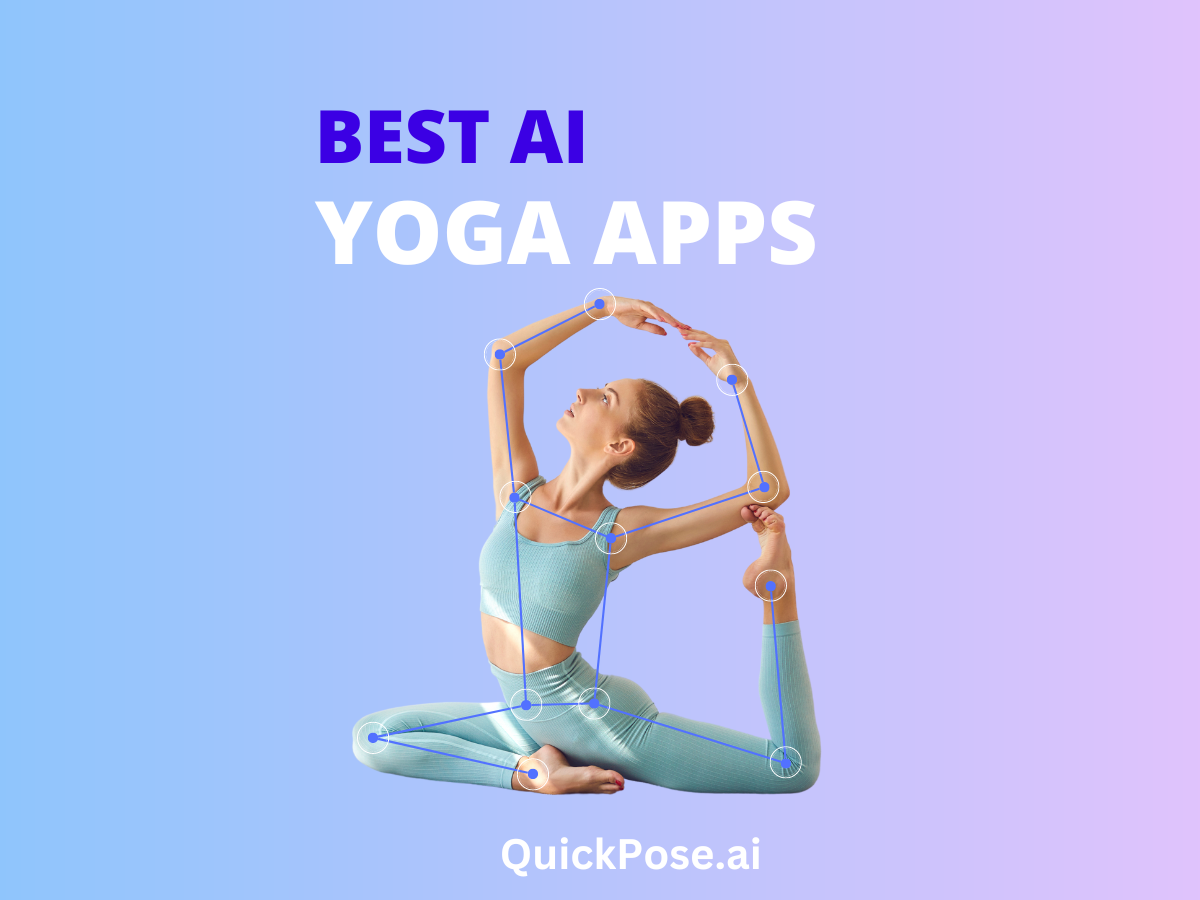
AI-assisted yoga represents a novel approach to enhance the practice and accessibility of yoga. This innovative methodology leverages artificial intelligence (AI) to personalize and optimize various aspects of a yoga session, from posture correction to personalized feedback. This dynamic approach offers significant advantages over traditional yoga practices, making yoga more inclusive and effective for a wider range of individuals.AI-powered yoga sessions can adapt to the individual needs and progress of practitioners.
By analyzing diverse data points, AI systems can tailor exercises, provide real-time feedback, and ensure safe and effective practice. This personalized approach is particularly valuable for beginners and advanced practitioners alike. By offering tailored guidance, AI significantly reduces the risk of injury and maximizes the benefits of yoga.
Potential Benefits of AI-Assisted Yoga
AI-assisted yoga sessions offer numerous benefits, improving both the quality and experience of the practice. These benefits include enhanced safety, personalized guidance, and a more engaging learning experience. AI-powered systems can accurately assess postures, identify potential risks, and provide real-time adjustments. This proactive approach minimizes the chance of injury and promotes a safer practice for all levels.
Personalization in AI-Powered Yoga
AI systems can effectively personalize yoga experiences based on individual needs and goals. This personalization is achieved by analyzing factors like physical capabilities, health conditions, and previous yoga experience. AI can adapt the intensity, complexity, and duration of yoga sequences, ensuring a tailored and effective workout. This personalized approach is particularly beneficial for individuals with specific physical needs or limitations, allowing them to participate in yoga safely and effectively.
For example, an individual with a back injury might benefit from AI-generated poses that prioritize spinal health and avoid exacerbating existing pain.
Overview of AI Types Used in Yoga
A variety of AI techniques are applicable to yoga sessions, each with its own unique strengths and limitations. These techniques are crucial in providing tailored support and feedback during the practice. Understanding the different types of AI used in yoga sessions can help practitioners make informed decisions about the types of support they need.
AI Models and Their Applications in Yoga
The following table Artikels various AI models and their applications within yoga sessions, highlighting their strengths and limitations:
| AI Model | Application | Strengths | Limitations |
|---|---|---|---|
| Natural Language Processing (NLP) | Understanding instructions, providing feedback on alignment, and offering modifications for specific needs. | Flexible, adaptive, and able to understand nuanced language. | Can struggle with complex or ambiguous instructions, and may not be as precise as computer vision in assessing posture. |
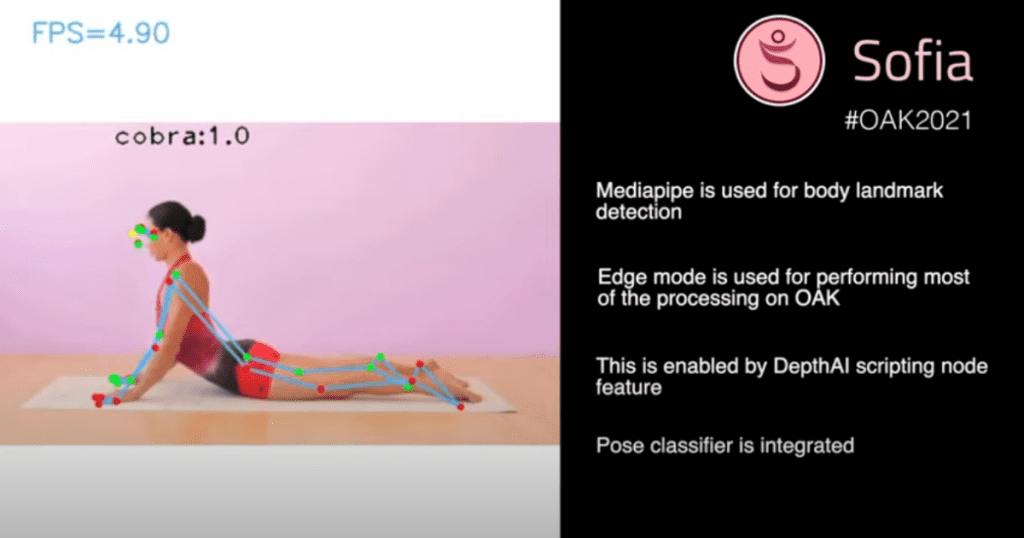
| Computer Vision | Monitoring posture in real-time, providing immediate feedback on alignment, and adjusting poses based on the user’s body mechanics. | Precise, objective, and capable of detecting subtle deviations in posture. | May struggle with subtle nuances in body positioning, and might not fully understand the context of the exercise. |
Creating AI-Driven Yoga Sequences
AI-powered yoga platforms can significantly enhance the user experience by dynamically generating personalized yoga sequences. This customization extends beyond simply adjusting intensity; AI algorithms can tailor sequences to specific needs, preferences, and physical limitations, ensuring a safe and effective practice for each individual.AI algorithms analyze user input, including fitness level, injuries, and desired outcomes, to generate personalized sequences. This data-driven approach ensures that each sequence is not just a collection of poses but a carefully crafted practice designed to meet the user’s unique requirements.
Customizing Yoga Sequences Based on User Input
AI systems can leverage a wide range of user inputs to generate tailored sequences. This includes identifying specific areas needing attention (e.g., back pain, tight hamstrings), desired benefits (e.g., improved flexibility, stress reduction), and physical limitations. The more detailed the user input, the more precise and beneficial the generated sequence will be.
Structuring Yoga Sequences for Different Skill Levels
AI algorithms can effectively differentiate yoga sequences based on the user’s skill level. Beginner sequences emphasize foundational poses and controlled movements, ensuring a gradual introduction to the practice. Intermediate sequences introduce more challenging poses and transitions, building on the foundation established in beginner sequences. Advanced sequences often incorporate complex postures, intricate transitions, and longer hold times, pushing the user’s limits while maintaining safety.
Sample Structure for a Beginner-Level Yoga Sequence
A typical beginner-level sequence might begin with seated poses like Easy Pose (Sukhasana) and Child’s Pose (Balasana), promoting relaxation and grounding. Gentle spinal twists and forward folds follow, gradually increasing the intensity. Standing poses like Mountain Pose (Tadasana) and Warrior I (Virabhadrasana I) are introduced, followed by simple balancing poses. The sequence concludes with restorative poses like Savasana (Corpse Pose), allowing the body to unwind and integrate the practice.
Comparing and Contrasting Sequencing Methodologies Used by AI
Different AI approaches to sequencing can be categorized by their methodology. Some algorithms might prioritize a specific sequence structure, such as starting with standing poses, then moving to seated and finally to lying down. Other AI may emphasize flow-based sequences, integrating poses in a continuous, dynamic way, promoting fluidity and energy. Still other systems may emphasize the targeted effect of each pose, grouping poses that address specific muscle groups or body regions.
Incorporating Breathing Techniques into the Sequences
AI-driven yoga sequences can effectively integrate breathing techniques (pranayama) into the practice. Breathing techniques are crucial for deepening the practice and facilitating a state of calm and focus. AI algorithms can dynamically incorporate specific breathing exercises into the sequence, coordinating breaths with specific poses. This integration helps to optimize the benefits of the practice by promoting relaxation, increasing flexibility, and fostering mindfulness.
For instance, a sequence might direct the user to inhale deeply as they extend into a forward fold and exhale slowly as they return to a seated position.
Personalization and Customization Options
AI-powered yoga sessions offer unparalleled flexibility and personalization, tailoring the experience to individual needs and preferences. This adaptability empowers users to optimize their practice, ensuring it aligns with their specific goals and physical attributes. This dynamic approach promotes a more engaging and effective yoga journey.The core strength of AI in this context lies in its ability to adapt sequences and experiences in real-time, creating a personalized practice that evolves with the user.
This adaptability addresses a wide spectrum of needs, from physical limitations to individual preferences, maximizing the benefits and enjoyment of each session.
Personalizing Difficulty Levels
AI can analyze a user’s past performance, fitness level, and current physical condition to adjust the difficulty of poses and sequences. This ensures that the session remains challenging but avoids overexertion, preventing injury and maximizing progress. For example, a beginner might start with gentler poses and gradually progress to more challenging ones as their strength and flexibility improve.
Conversely, an advanced practitioner can opt for more complex sequences and modifications to maintain their current level of challenge.
Adapting to Injuries and Limitations
AI algorithms can be programmed to identify and account for injuries or physical limitations, such as spinal issues, knee problems, or other conditions. This is accomplished by automatically adjusting poses and sequences to avoid aggravating existing injuries or restrictions. For example, if a user has a knee injury, the AI can suggest modifications to poses that place less stress on the affected joint, ensuring a safe and effective practice.
These modifications may include alternative postures, modifications to existing poses, or the exclusion of certain movements entirely.
Catering to User Preferences
Beyond physical limitations, AI can tailor sessions to user preferences, including preferred music genres and lighting conditions. This allows for a more engaging and enjoyable experience. Users can input their preferred music styles (e.g., classical, ambient, or electronic) to create a customized soundscape for their practice. The AI can even adjust lighting to create a calming or energizing atmosphere, further enhancing the overall experience.
Personalizing Music and Lighting
AI can curate playlists tailored to specific moods and goals. For instance, a calming playlist might be recommended for restorative yoga, while an upbeat playlist could enhance a more dynamic practice. Similarly, AI can adjust lighting based on user preferences and the type of yoga being performed. A softer, ambient lighting scheme might be ideal for relaxation poses, while brighter lighting could be beneficial during more active sequences.
Personalization Options Table
| Personalization Feature | Description | Example |
|---|---|---|
| Difficulty Level | Adjusts the intensity of poses and sequences based on user’s fitness level and past performance. | Beginner, intermediate, advanced |
| Injury/Limitation | Adapts poses and sequences to avoid aggravating injuries or physical limitations. | Spinal issues, knee problems, arthritis |
| Preferred Music | Integrates preferred music genres and moods into the session. | Classical, ambient, electronic, upbeat |
| Lighting | Adjusts lighting conditions to create a calming or energizing atmosphere. | Soft, ambient, bright |
AI-Powered Feedback and Guidance
AI-powered yoga sessions offer a unique opportunity for personalized guidance and feedback, enhancing the user’s practice and experience. This aspect allows for real-time adjustments to posture, form, and breathing techniques, enabling users to achieve greater depth and precision in their practice.AI’s ability to analyze movements in real-time provides immediate feedback, which can significantly impact a user’s understanding of their body mechanics and the proper execution of asanas.
This real-time feedback mechanism fosters a deeper connection between the user and their practice, ultimately leading to improved results.
Real-Time Feedback Mechanisms
AI can analyze the user’s posture and form during a yoga session by processing visual data from a camera. This analysis identifies deviations from ideal alignment, allowing for immediate feedback to be provided. This immediate feedback is crucial for users to correct their form and prevent injuries. For instance, if a user’s back is rounding during a backbend, the AI can instantly identify this and provide feedback to encourage proper spinal alignment.
Posture and Form Correction
AI algorithms can be trained to recognize various yoga poses and assess the user’s execution. This analysis enables AI to provide specific and targeted feedback regarding posture and form. For example, during a Warrior II pose, the AI can identify if the user’s hips are not squared or if the knees are not aligned over the ankles. This detailed feedback helps the user to refine their technique and achieve a more stable and balanced posture.
The AI can also provide visual cues through overlays on the live video feed, highlighting areas needing adjustment.
Voice Feedback Integration
Integrating voice feedback into the yoga experience provides an intuitive and engaging way for users to receive guidance during their practice. The AI can provide clear and concise verbal cues, guiding users through the correct sequence of movements and adjustments. This audio feedback can be customized to suit different levels of experience, offering more detailed guidance for beginners and more subtle cues for advanced practitioners.
Verbal Guidance Methods
AI-powered verbal guidance can take various forms, tailoring the feedback to the specific pose and the user’s needs. For example, during a downward-facing dog, the AI might provide feedback like, “Engage your hamstrings more to lengthen your spine,” or “Push through your palms to deepen the stretch in your calves.” These precise instructions offer tailored guidance, improving the user’s understanding and control of the pose.
Another method might be to simply guide the user through a breathing pattern, such as “Inhale deeply, filling your lungs, and exhale slowly, releasing tension.”
Comprehensive Feedback System
A comprehensive feedback system would combine visual and auditory cues, providing a holistic approach to form correction. The system could utilize a combination of visual overlays on the video feed to highlight areas needing adjustment, coupled with clear and concise verbal instructions from the AI. This integrated approach creates a powerful and supportive environment for learning and practicing yoga.
A system like this could provide a range of feedback, including prompts to adjust alignment, to modify a pose to suit individual needs, or to maintain a specific breathing pattern.
Integrating AI into Existing Yoga Platforms
Integrating AI into existing yoga platforms presents a significant opportunity to enhance user experience and streamline operations. This approach allows for a more personalized and adaptive yoga experience, catering to individual needs and preferences. Existing platforms can leverage AI’s capabilities to offer dynamic and engaging content, fostering user retention and growth.Existing yoga platforms, whether apps or online studios, can readily integrate AI-driven features without requiring a complete overhaul.
This allows for a phased approach, starting with the most impactful and user-friendly additions and gradually expanding functionality.
Methods for Integrating AI-Driven Yoga Features
AI can be seamlessly integrated into existing yoga platforms through several key methods. A primary approach involves API integrations, allowing the platform to access AI models without requiring significant code changes. This facilitates rapid integration of features like personalized workout recommendations and real-time feedback.
Incorporating AI into Online Yoga Studios
Online yoga studios can benefit from AI-driven features that enhance the instructor’s role and improve user engagement. For instance, AI can analyze video recordings of yoga sessions, providing instructors with actionable feedback on posture, alignment, and overall performance. This allows for targeted improvement in their teaching approach. Furthermore, AI can personalize the studio’s content, suggesting relevant classes or workshops based on user preferences.
Development Process of Integrating AI Features
The development process for integrating AI features into existing yoga platforms typically follows a phased approach. Firstly, a thorough analysis of the platform’s architecture and existing data is conducted. This allows for a determination of the best methods for integration and ensures the platform’s integrity and functionality. Next, specific AI models are chosen and integrated through API connections.
Finally, the integration is rigorously tested and fine-tuned for optimal performance and user experience.
Enhancing User Experience with AI
AI can significantly enhance the user experience of yoga platforms by offering personalized recommendations and dynamically adapting to individual needs. AI-powered chatbots can provide instant support, answering user queries and providing guidance on exercises and postures. AI-generated workout sequences can cater to different skill levels and goals, while AI-powered feedback systems can improve posture awareness.
Procedure for Updating an Existing Yoga Platform
A detailed procedure for updating an existing yoga platform to include AI capabilities involves several key steps. Firstly, define the specific AI features to be integrated, outlining the desired functionalities and user benefits. Second, select the appropriate AI models and establish API connections to the platform. Third, develop comprehensive testing protocols, ensuring that the AI integrations seamlessly function within the platform’s existing architecture.
Finally, conduct user testing and gather feedback to refine the AI features and improve the user experience. This iterative approach ensures the integration process remains effective and user-centric.
Ethical Considerations and User Safety
AI-powered yoga sessions hold immense potential for improving accessibility and personalization, but ethical considerations and user safety are paramount. A thoughtful approach to development and implementation is crucial to ensure the positive impact of this technology while mitigating potential risks. Careful attention must be paid to the potential biases inherent in AI algorithms and how they might affect individual experiences.
Ethical Implications of AI in Yoga
The use of AI in yoga raises important ethical concerns regarding algorithmic bias and the potential for perpetuating existing inequalities. AI models, trained on vast datasets, may reflect and amplify societal biases, leading to unequal or inappropriate recommendations for different user groups. For example, a model trained predominantly on data from a specific demographic might generate yoga sequences that are less suitable or inclusive for individuals from other backgrounds.
It is essential to acknowledge these potential biases and implement measures to mitigate them, such as diverse and representative training data sets and ongoing monitoring of algorithm performance.
Ensuring User Safety and Well-being
User safety and well-being are paramount in AI-assisted yoga sessions. AI systems must be designed to prevent harm, ensuring that generated sequences are appropriate for various physical conditions and skill levels. Clear guidelines and warnings must be integrated into the platform to inform users about potential limitations and contraindications. For instance, individuals with specific injuries or medical conditions should be advised to consult a healthcare professional before engaging in AI-generated sequences.
Addressing Potential Misuse and Unintended Consequences
Potential misuse or unintended consequences of AI-powered yoga must be anticipated and proactively addressed. This includes preventing the system from generating sequences that could be dangerous or harmful. Appropriate safeguards and mechanisms for user feedback and reporting should be incorporated to allow for ongoing improvement and identification of problematic situations. This proactive approach can include real-time monitoring of user interactions to detect potential safety issues.
Establishing User Consent and Data Privacy
User consent and data privacy are crucial aspects of AI-powered yoga. Clear and transparent policies must be established regarding data collection, usage, and security. Users must be informed about the type of data collected, how it will be used, and their rights regarding access, correction, and deletion of their personal information. Compliance with relevant data protection regulations, such as GDPR, is essential.
Importance of Human Oversight in AI-Driven Yoga
Human oversight plays a vital role in the development and implementation of AI-driven yoga sessions. Human instructors and healthcare professionals should be involved in the design and validation of AI-generated sequences to ensure safety and appropriateness. Human interaction should also be incorporated into the system, allowing for user feedback and adjustments to address individual needs and preferences. Expert review processes are essential to identify and correct potential errors or biases in the AI-generated sequences.
Future Trends and Advancements
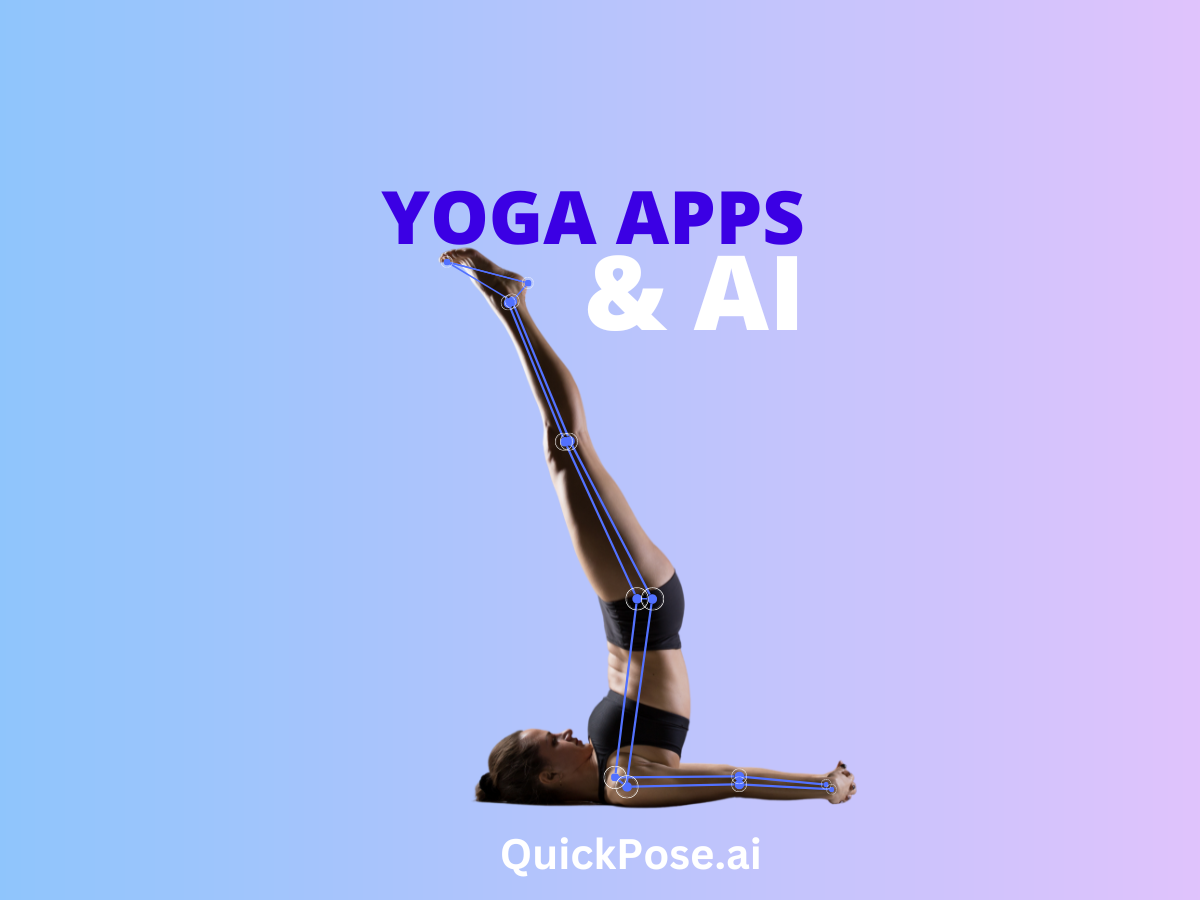
The field of AI-powered yoga is poised for significant growth, driven by advancements in machine learning and a rising demand for personalized wellness experiences. This evolution promises to reshape how individuals approach yoga, making it more accessible, engaging, and effective. AI’s ability to analyze vast datasets and adapt to individual needs will lead to more sophisticated and personalized yoga sessions.The future of AI-driven yoga extends beyond simply creating sequences.
It will incorporate real-time feedback, dynamic adjustments based on user performance, and seamless integration with wearable technology to provide a holistic and comprehensive wellness experience. The potential for AI to revolutionize yoga practice is substantial, and this section will explore some key emerging trends and potential advancements.
Emerging Trends in AI-Yoga Applications
AI is rapidly transforming various industries, and yoga is no exception. Key trends include the increasing use of AI for personalized recommendations, adaptive sequencing, and real-time feedback. This allows for more tailored and effective yoga routines, accommodating diverse needs and skill levels. Furthermore, AI’s ability to analyze user data, such as heart rate, posture, and breathing patterns, opens the door for a more comprehensive and personalized approach to yoga practice.
Potential for Enhanced Personalization
AI’s ability to personalize yoga experiences goes beyond simply adjusting difficulty. It can cater to specific physical conditions, emotional states, and even lifestyle preferences. For instance, AI can identify and address potential injuries, suggest modifications for specific poses, or create sequences that align with a user’s emotional needs. This dynamic personalization allows users to experience yoga in a way that is truly tailored to their individual needs.
Advancements in Personalized Yoga Practice
Future advancements in AI-powered yoga will likely include the development of more sophisticated algorithms for posture analysis. These algorithms will go beyond basic pose recognition, incorporating real-time feedback on subtle nuances of alignment and form. Further, AI will become adept at predicting potential injuries or discomfort, proactively adjusting sequences to mitigate risk.
Future Evolution of AI-Driven Yoga
The evolution of AI-driven yoga is characterized by a shift from static sequences to dynamic and adaptive practices. Instead of pre-programmed routines, AI will curate personalized sessions that adjust in real-time based on user input and performance. This dynamic approach will enhance engagement and cater to individual needs, making yoga more effective and enjoyable.
A Future Scenario: AI-Guided Yoga Sessions
Imagine a future where an AI-powered yoga application tracks your heart rate, breathing patterns, and muscle activity during a session. Based on this data, the AI dynamically adjusts the sequence, offering modifications or variations as needed. Real-time feedback, delivered through visual cues and verbal instructions, guides you through the poses, ensuring optimal form and maximizing the benefits of the practice.
This approach will make yoga more accessible and effective for a wider range of individuals.
Closure
In conclusion, the integration of AI into yoga practice promises a future of highly personalized and effective wellness experiences. This guide provides a structured approach to developing AI-driven yoga sessions, empowering practitioners to create and implement tailored programs that meet individual needs and goals. The ethical considerations and user safety measures discussed ensure a responsible and beneficial implementation of this technology in the yoga community.