Embarking on a journey to understand how to compare product prices using AI reveals a sophisticated yet accessible approach to navigating the retail landscape. This exploration delves into the intelligent systems that are revolutionizing how consumers and businesses alike discover optimal value, transforming a once tedious task into an efficient, data-driven process.
By harnessing the power of artificial intelligence, we can unlock unprecedented insights into market dynamics, identify the most advantageous deals, and stay ahead of price fluctuations. This comprehensive guide will illuminate the fundamental concepts, practical applications, and future potential of AI in the realm of product price comparison, offering a clear path to smarter purchasing decisions.
Understanding the Core Concept
The fundamental idea behind using artificial intelligence (AI) for product price comparisons is to automate and enhance the process of finding the best deals across various retailers. Instead of manually browsing multiple websites or using basic search tools, AI systems can intelligently gather, analyze, and present pricing information, saving consumers significant time and money. This approach moves beyond simple matching to a more nuanced understanding of product variations, seller reputations, and dynamic pricing strategies.Intelligent systems excel at price comparison due to their ability to process vast amounts of data rapidly and identify patterns that human users might miss.
They can track price fluctuations in real-time, consider shipping costs and availability, and even factor in promotional offers or loyalty discounts. This leads to more accurate and comprehensive comparisons, empowering consumers to make informed purchasing decisions with greater confidence. The primary benefits include significant cost savings, reduced shopping time, access to a wider range of deals, and a more personalized shopping experience.
AI Techniques for Price Comparison
Several types of artificial intelligence are particularly well-suited for the task of price comparison. These technologies enable systems to understand product nuances, interpret pricing data, and learn from user behavior to provide increasingly accurate and relevant results.The main AI techniques applied to price comparison include:
- Natural Language Processing (NLP): NLP allows AI systems to understand and interpret human language. In price comparison, this is crucial for accurately identifying products from their descriptions, titles, and user reviews, even when there are slight variations in terminology across different retailers. For example, NLP can differentiate between “wireless earbuds” and “Bluetooth headphones” and understand that they might refer to the same or similar products.
- Machine Learning (ML): ML algorithms enable systems to learn from data without being explicitly programmed. For price comparison, ML models can analyze historical pricing data to predict future price trends, identify optimal times to buy, and detect anomalies or fraudulent pricing. They can also personalize recommendations based on a user’s past searches and purchase history.
- Computer Vision: While less common for purely online price comparisons, computer vision can be used to compare physical products by analyzing images. This is particularly useful for identifying counterfeit goods or ensuring that a product image matches the listed price and description. For instance, it can verify if the specific model and color of a smartphone are consistent across different listings.
- Web Scraping and Data Mining: Although not strictly AI, these techniques are foundational for AI-driven price comparison. Advanced web scraping, often powered by AI, can intelligently navigate websites, extract relevant pricing and product information, and adapt to website structure changes. Data mining then helps to organize and analyze this extracted data for meaningful insights.
Benefits of AI-Powered Price Comparison
Employing AI for product price comparisons offers a multitude of advantages over traditional methods. These benefits stem from the AI’s capacity for speed, accuracy, and intelligent analysis of complex data sets.The key advantages include:
- Enhanced Accuracy and Comprehensiveness: AI can scan thousands of product listings across numerous online stores simultaneously, ensuring that no potential deal is missed. It can account for subtle product variations, such as different model numbers or bundle contents, which manual comparisons might overlook.
- Real-time Price Monitoring: AI systems can continuously monitor prices and alert users to significant drops or promotions. This dynamic tracking is essential in markets where prices change frequently, allowing consumers to capitalize on temporary sales.
- Personalized Deal Discovery: By learning user preferences and shopping habits, AI can tailor price comparisons to individual needs. This might involve prioritizing certain brands, preferred retailers, or specific product features, making the search more efficient and relevant.
- Identification of Hidden Costs: AI can factor in additional costs like shipping fees, taxes, and potential import duties, providing a true total cost of ownership. This transparency helps prevent unexpected expenses and ensures a fair comparison.
- Time and Effort Savings: Automating the price comparison process frees up consumers’ time and reduces the mental effort required to find the best prices. This efficiency is invaluable for busy individuals or those making large purchases.
Illustrative Example: Dynamic Pricing and AI
Consider the scenario of purchasing a new laptop. Without AI, a consumer might visit a few popular electronics retailers’ websites and compare prices based on the listed specifications. However, prices for laptops, especially popular models, can fluctuate daily, sometimes even hourly, due to dynamic pricing strategies employed by retailers.An AI-powered price comparison tool would go much further. It would not only scrape the current prices from dozens of online stores but also analyze:
- Historical Price Data: The AI might have data showing that this particular laptop model typically drops in price by 10-15% during specific sale events or at certain times of the month.
- Promotional Offers: It would identify any ongoing discounts, coupon codes, student discounts, or cashback offers applicable to the laptop.
- Bundled Deals: The AI could recognize if a retailer is offering the laptop as part of a package with accessories like a mouse or software, and compare the value of such bundles.
- Seller Reputation: For less common retailers, the AI might integrate seller ratings and reviews to indicate the reliability of the purchase.
For instance, a consumer looking to buy a laptop might see a listing for $1200 on Retailer A. The AI, however, could reveal that Retailer B is selling the exact same model for $1150, but also offers free expedited shipping and a $50 gift card, making the effective price $1100. Furthermore, the AI might predict that a similar sale is expected next week, suggesting a potential saving if the purchase can be delayed.
This level of detailed analysis, driven by AI’s ability to process and interpret vast amounts of dynamic data, far surpasses manual comparison capabilities.
Data Acquisition and Preparation
To effectively compare product prices using AI, the foundational step involves gathering and meticulously preparing the necessary pricing data. This process ensures that the AI has a clean, structured, and comprehensive dataset to learn from, leading to accurate and reliable price comparisons.The journey from raw online information to a usable dataset for AI analysis is a multi-stage process. It requires a systematic approach to ensure data quality and relevance.
Methods for Gathering Product Pricing Information
Collecting product pricing data from the vast landscape of the internet requires a combination of automated and, in some cases, manual techniques. The goal is to access as many relevant sources as possible to provide a holistic view of pricing.
- Web Scraping: This is the most common method, employing automated scripts (bots) to systematically visit websites and extract specific data points, such as product names, prices, descriptions, and availability. Tools like Scrapy, Beautiful Soup, and Selenium are frequently used for this purpose.
- APIs (Application Programming Interfaces): Many e-commerce platforms and retailers offer APIs that allow direct access to their product catalogs and pricing information. This method is generally more reliable and structured than web scraping, as it provides data in a standardized format.
- Affiliate Networks: Affiliate programs often provide product feeds or data dumps that include pricing information, which can be a valuable source for competitive analysis.
- Third-Party Data Providers: Specialized companies aggregate and sell product pricing data from various online retailers, offering a pre-compiled and often cleaned dataset.
- Manual Data Entry: For very niche markets or specific, hard-to-scrape sources, manual data entry might be necessary, though it is labor-intensive and prone to human error.
Processes for Cleaning and Structuring Raw Pricing Data
Raw data collected from online sources is rarely in a format suitable for immediate AI analysis. It often contains errors, inconsistencies, and irrelevant information that must be addressed through a rigorous cleaning and structuring process.
- Data Validation: Checking data against predefined rules to ensure accuracy and completeness. This includes verifying that prices are numerical, product names are not empty, and URLs are valid.
- Handling Missing Values: Deciding how to treat missing price points or product details. Options include imputation (estimating missing values based on other data), removing records with missing critical information, or flagging them for manual review.
- Standardization of Units and Formats: Ensuring consistency in how data is represented. For example, standardizing currency symbols, date formats, and measurement units (e.g., converting all prices to USD, ensuring all dates follow YYYY-MM-DD).
- Text Normalization: Cleaning text data by removing special characters, converting to lowercase, and correcting common typos or grammatical errors in product titles and descriptions.
- Data Transformation: Converting data types where necessary, such as transforming text representations of prices into numerical formats for calculations.
Techniques for Identifying and Handling Duplicate or Inconsistent Product Listings
Duplicate or inconsistent product listings can significantly skew price comparison results. Identifying and resolving these issues is crucial for maintaining data integrity.
- Fuzzy Matching: Employing algorithms to identify records that are similar but not identical. This is particularly useful for product names that may have slight variations (e.g., “iPhone 14 Pro Max 256GB” vs. “Apple iPhone 14 Pro Max, 256 GB”). Libraries like `fuzzywuzzy` in Python can assist with this.
- Unique Identifiers: Utilizing product identifiers such as UPC (Universal Product Code), EAN (European Article Number), or MPN (Manufacturer Part Number) when available. Products with the same identifier are highly likely to be the same item.
- Attribute Comparison: Comparing key product attributes like brand, model, size, color, and specifications. A high degree of similarity across multiple attributes can indicate a duplicate.
- Rule-Based Deduplication: Establishing specific rules for identifying duplicates. For instance, if two listings have the same UPC and are from the same retailer, they are likely duplicates.
- Manual Review and Merging: For complex cases or when automated methods are uncertain, a manual review process is essential. This involves human experts to confirm duplicates and decide how to merge or prioritize information from different listings.
Sample Structure for a Data Table to Store Product Price Information
A well-structured table is fundamental for storing and querying product pricing data efficiently. The following sample structure uses HTML table tags, designed to be responsive for various screen sizes, with up to four key columns.
| Product Name | Retailer | Price (USD) | Last Updated |
|---|---|---|---|
| Sony WH-1000XM5 Wireless Headphones | Amazon | 348.00 | 2023-10-27 10:30:00 |
| Sony WH-1000XM5 Wireless Headphones | Best Buy | 349.99 | 2023-10-27 10:35:00 |
| Apple AirPods Pro (2nd generation) | Apple Store | 249.00 | 2023-10-27 10:40:00 |
| Apple AirPods Pro (2nd generation) | Walmart | 239.00 | 2023-10-27 10:45:00 |
AI-Powered Comparison Algorithms
With the foundational steps of understanding the core concept and preparing the necessary data complete, we now delve into the heart of AI-driven product price comparison: the algorithms that make it all possible. These sophisticated tools are designed to intelligently navigate vast amounts of product information, identify subtle relationships, and ultimately present the most advantageous deals to the user. This section will explore how machine learning models achieve this, focusing on their ability to recognize product similarities, detect price dynamics, and factor in a broader spectrum of value beyond just the sticker price.
Feature Extraction and Product Matching
To effectively compare products, an AI needs to understand what makes each product unique. This involves identifying and extracting the most crucial pieces of information, often referred to as features, from product listings. Once these features are extracted, the AI can then determine if two different listings represent the same or a very similar product, a process known as product matching.
This step is fundamental for accurate price comparisons, ensuring you’re comparing apples to apples.The process of identifying and extracting key product attributes is a cornerstone of building an effective AI-powered product comparison system. These attributes serve as the unique identifiers that allow the AI to distinguish one product from another and understand their comparative value. The quality and comprehensiveness of these extracted features directly influence the accuracy and reliability of the final price comparisons.
Key Product Attributes for Comparison
An AI should prioritize specific product attributes that are most indicative of a product’s identity and value. These attributes are essential for differentiating products and ensuring that comparisons are meaningful and accurate.The following are critical attributes for AI-driven product comparison:
- Model Number: This is often the most precise identifier for a product, especially in electronics, appliances, and automotive parts. It’s a unique alphanumeric code assigned by the manufacturer.
- Brand Name: The manufacturer or brand is a primary differentiator, influencing perceived quality, reputation, and often, price.
- Specifications: These are the technical details that define a product’s capabilities and performance. Examples include screen size and resolution for a TV, processor speed and RAM for a laptop, or engine displacement for a car.
- SKU (Stock Keeping Unit): While often internal to retailers, SKUs can be a valuable, albeit sometimes retailer-specific, identifier.
- UPC (Universal Product Code) / EAN (European Article Number): These are standardized barcodes that provide a globally unique product identifier.
- Key Features/s: Important descriptive terms that highlight unique selling points or functionalities, such as “waterproof,” “wireless,” “organic,” or “4K.”
- Dimensions and Weight: Particularly important for items like furniture, appliances, or shipping-related comparisons.
- Color and Material: These attributes can significantly affect a product’s aesthetic appeal and price.
Techniques for Feature Extraction from Unstructured Data
Product descriptions are often written in natural language, which can be varied and inconsistent. AI employs several techniques to intelligently extract the necessary features from this unstructured text.These techniques leverage Natural Language Processing (NLP) to understand and interpret the text:
- Named Entity Recognition (NER): This technique identifies and categorizes key entities in text, such as brand names, model numbers, colors, and materials. For instance, NER can pinpoint “Samsung” as a brand, “Galaxy S23” as a model, and “Phantom Black” as a color.
- Regular Expressions (Regex): These are sequences of characters that define a search pattern. Regex is highly effective for extracting structured data like model numbers (e.g., “RTX 3080”) or specific technical specifications (e.g., “16GB RAM”).
- Extraction: Algorithms identify and rank the most important words or phrases in a description, helping to capture key features and functionalities.
- Text Classification: Models can be trained to categorize product descriptions into predefined types (e.g., “smartphone,” “laptop,” “t-shirt”), which helps in understanding the context for feature extraction.
- Rule-Based Systems: Predefined rules can be created to look for specific patterns or s in known formats. For example, a rule might state that any sequence of letters and numbers following “Model:” is a model number.
Challenges in Product Matching
Ensuring that two listings refer to the exact same product can be surprisingly complex due to variations in how products are described across different retailers and platforms.Common challenges include:
- Synonyms and Variations in Naming: Products might be listed with slightly different names. For example, “iPhone 14 Pro” could be listed as “Apple iPhone 14 Pro” or simply “iPhone 14 Pro Max” if it’s a slightly different variant.
- Incomplete or Missing Information: Some product listings might omit crucial details like the model number or specific technical specifications, making precise matching difficult.
- Typographical Errors: Simple typos in brand names, model numbers, or specifications can prevent direct matches.
- Bundles and Packages: A product might be sold as part of a bundle (e.g., a camera with a lens and bag) on one site and as a standalone item on another, complicating direct price comparisons.
- Regional Differences: Product names or specifications might vary slightly between different geographic markets.
- Generic Descriptions: Some listings use very generic language, making it hard to extract specific differentiating features.
Example of AI-Powered Product Matching
Consider two product listings for a popular smartphone. The AI’s task is to determine if they represent the same device.Here’s a hypothetical scenario: Listing A:“Apple iPhone 14 Pro, 256GB Storage, Deep Purple, Unlocked. Latest model with A16 Bionic chip and advanced camera system. Model Number: A2890.” Listing B:“iPhone 14 Pro 256 GB – Deep Purple – Apple – Smartphone. Featuring the powerful A16 Bionic processor and a stunning 6.1-inch Super Retina XDR display.
SKU: 123456789″The AI would perform the following steps:
- Feature Extraction:
- From Listing A: Brand: Apple, Model: iPhone 14 Pro, Storage: 256GB, Color: Deep Purple, Processor: A16 Bionic, Model Number: A2890.
- From Listing B: Brand: Apple, Model: iPhone 14 Pro, Storage: 256 GB, Color: Deep Purple, Processor: A16 Bionic.
- Attribute Normalization: The AI would standardize variations, such as “256GB” and “256 GB” to a common format.
- Attribute Comparison: The AI compares the extracted features:
- Brand: “Apple” matches “Apple.”
- Model: “iPhone 14 Pro” matches “iPhone 14 Pro.”
- Storage: “256GB” matches “256 GB.”
- Color: “Deep Purple” matches “Deep Purple.”
- Processor: “A16 Bionic” matches “A16 Bionic.”
- Confidence Scoring: Even though the Model Number “A2890” is only in Listing A and the SKU is only in Listing B, the high degree of match across all other critical attributes (Brand, Model, Storage, Color, Processor) would lead the AI to assign a high confidence score that these two listings represent the same product. The AI might flag the missing model number from Listing B as a minor discrepancy but still proceed with the match.
This systematic comparison allows the AI to overcome minor descriptive differences and accurately identify products for price comparison.
Real-time and Historical Price Tracking
To truly master product price comparison, it’s essential to move beyond a one-time snapshot and embrace the dynamic nature of pricing. AI excels at this by continuously monitoring price fluctuations and providing a deep understanding of how prices evolve over time, enabling more informed purchasing decisions.AI’s ability to track prices in real-time offers immediate benefits to consumers. Imagine wanting to buy a new gadget or a pair of shoes; waiting for the perfect moment to purchase can lead to significant savings.
AI-powered tools can act as your vigilant shopping assistant, constantly scanning online retailers for any price drops.
Real-time Price Monitoring and Alerts
AI systems can be programmed to continuously check the prices of specific products across various online marketplaces. When a price change occurs, these systems can instantly notify the user, allowing them to capitalize on fleeting discounts. This proactive approach ensures that users are always aware of the best available prices without having to manually check multiple websites.The process involves setting up monitoring parameters for desired products.
AI algorithms then automate the scraping of price data from designated sources. Upon detecting a price reduction or an increase, an alert is generated and sent to the user via email, push notification, or within a dedicated application interface. This real-time feedback loop is crucial for time-sensitive deals and flash sales.
Building Historical Price Databases
Understanding price trends is as important as knowing the current price. AI facilitates the creation and maintenance of comprehensive historical price databases. These databases store past pricing data for products, allowing for in-depth analysis of their price behavior over extended periods.The construction of these databases involves:
- Automated data collection from e-commerce platforms at regular intervals (e.g., daily, hourly).
- Data cleaning and standardization to ensure accuracy and consistency across different sources.
- Storing this structured data in a format that allows for efficient querying and analysis.
- Categorizing products and retailers to enable comparative historical analysis.
This rich historical data forms the foundation for understanding seasonality, promotional cycles, and the general price trajectory of a product.
Predicting Future Price Movements
Leveraging the historical price data, AI can employ sophisticated predictive models to forecast future price movements. These models analyze patterns, seasonality, demand, and even external factors like economic indicators or competitor pricing to estimate future price points.Common AI techniques used for price prediction include:
- Time series analysis (e.g., ARIMA, Exponential Smoothing) to identify trends and seasonality.
- Machine learning algorithms (e.g., Regression models, Recurrent Neural Networks – RNNs) that can learn complex relationships within the data.
- Analysis of external factors such as supply chain disruptions, marketing campaigns, or competitor actions that might influence prices.
For instance, an AI might observe that a particular electronic device consistently drops in price by 10-15% in the month leading up to a major holiday shopping season and then rebounds slightly afterward. Based on this pattern, it could predict a similar dip in the upcoming holiday period. Similarly, the introduction of a new model often leads to price reductions for its predecessor, a trend AI can learn and anticipate.
Illustrative Graph of Price Trends
Consider a conceptual illustration of a graph depicting the historical price of a popular smartphone model over the past year. The x-axis represents time, and the y-axis represents the price in dollars. The graph would show a jagged line representing the actual historical prices, with noticeable dips during major sale events like Black Friday or holiday seasons, and gradual increases or plateaus at other times.
Above this historical data, a dashed or lighter-colored line would extend into the future, representing the AI’s predicted price trend. This predicted line might show a slight upward trend due to inflation or the introduction of newer technologies, but it could also indicate a potential dip if a new model is anticipated to be released in the coming months, thereby driving down the price of the current model.
This visual representation clearly demonstrates how AI can both reflect past price behavior and project future possibilities, empowering users to strategize their purchases.
User Interface and Experience Design
Effectively presenting AI-driven price comparisons to users is paramount to ensuring the technology’s value is realized. A well-designed interface translates complex AI outputs into actionable insights, empowering consumers to make informed purchasing decisions swiftly and confidently. The goal is to create a seamless and intuitive experience that guides users towards the best deals without overwhelming them with data.The visual presentation and interactive elements of a price comparison tool directly influence user engagement and satisfaction.
By adhering to key design principles, developers can create interfaces that not only display information clearly but also anticipate user needs and preferences, thereby enhancing the overall utility and appeal of the AI-powered service.
Interface Design Principles for Highlighting Best Prices
An intuitive interface for price comparison should prioritize clarity, conciseness, and immediate value revelation. Users are typically looking for the lowest price and the best overall deal with minimal effort. Therefore, the design should guide their attention directly to these crucial pieces of information.Key principles for designing an effective interface include:
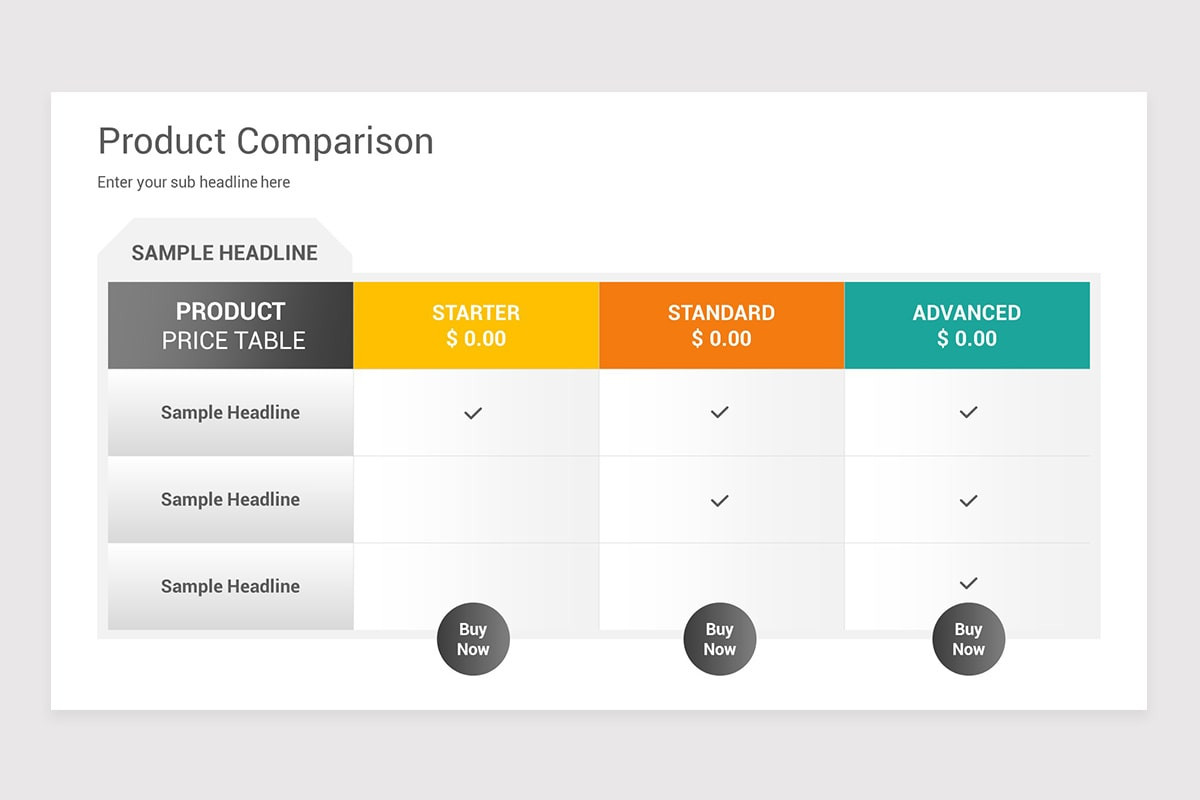
- Prominent Display of Savings: Clearly indicate the amount or percentage of savings a user can achieve by choosing a particular option. This can be visually emphasized through color, bold text, or dedicated “Save Now” badges.
- Clear Price Ordering: Always present results sorted by price, with the lowest price at the top. This is the most fundamental expectation for a price comparison tool.
- Visual Cues for Value: Beyond just price, consider incorporating visual indicators for other value propositions, such as customer ratings, warranty information, or free shipping. Icons and small, informative badges can convey this information efficiently.
- Minimal Clutter: Avoid overwhelming users with too much information on the initial view. Use progressive disclosure to allow users to access more details if they wish.
- Consistent Layout: Maintain a consistent layout for each product listing, making it easy for users to scan and compare across different offers.
- Call to Action Clarity: Ensure that “Buy Now” or “View Deal” buttons are clearly visible and actionable, guiding users directly to the merchant’s site.
Personalization of Price Comparison Results
AI excels at identifying patterns and preferences, which can be leveraged to personalize price comparison results. By understanding a user’s past behavior, stated preferences, and even contextual information, the AI can tailor the presented options to be more relevant and appealing. This moves beyond a one-size-fits-all approach to a more tailored and valuable user experience.Personalization can be achieved through several mechanisms:
- Purchase History Analysis: The AI can learn from a user’s past purchases to suggest similar products or brands they might prefer, and then prioritize deals for those items.
- Stated Preferences: Users can explicitly set preferences for brands, price ranges, or specific product features. The AI will then filter and rank results accordingly.
- Browsing Behavior: By analyzing the types of products a user frequently views or adds to wishlists, the AI can infer interests and present relevant deals more prominently.
- Location-Based Offers: For certain products or services, location can be a significant factor. AI can identify deals available in the user’s geographic area.
- Budget Awareness: If a user has indicated a budget, the AI can prioritize deals that fall within that range and highlight options that offer the best value for money within their financial constraints.
User Flow for an AI Price Comparison Tool
A well-defined user flow is crucial for guiding users through the process of finding and comparing prices efficiently. The following simple user flow illustrates a common and effective path for a price comparison tool, designed to be intuitive and outcome-oriented.The user journey is designed to be as straightforward as possible, minimizing steps and maximizing clarity at each stage.
- User Initiates Search: The user enters a product name, brand, or a descriptive into a search bar.
- AI Processes Query and Retrieves Products: The AI interprets the query and fetches a list of relevant products from its database.
- Initial Results Displayed: A list of matching products is presented, typically sorted by relevance or popularity. Each product shows a primary image, name, and a starting price range.
- User Selects a Product: The user clicks on a specific product to view detailed comparison options.
- AI Gathers and Compares Prices: The AI retrieves real-time pricing information from various retailers for the selected product.
- Detailed Comparison View: A screen displays a clear, organized list of offers from different retailers. This view highlights:
- Retailer Name
- Current Price
- Savings (if applicable)
- Shipping Information (cost and estimated delivery time)
- Product Ratings/Reviews
- Availability Status
- Personalized Recommendations (Optional): Based on user profile or past behavior, the AI might suggest alternative products or deals that align with their preferences, displayed in a distinct section.
- User Action: The user chooses an offer based on price, retailer reputation, shipping, or other factors and clicks a “Go to Store” or “Buy Now” button.
- Redirection to Retailer: The user is seamlessly redirected to the chosen retailer’s website to complete the purchase.
Advanced AI Applications in Pricing
Beyond basic price comparison, artificial intelligence is unlocking sophisticated capabilities that significantly enhance how we understand and interact with product pricing. These advancements move beyond simple data aggregation to intelligent interpretation and proactive engagement, offering users deeper insights and more personalized value.AI’s role in pricing extends into complex areas such as understanding nuanced user needs through language, proactively guiding purchasing decisions, and ensuring pricing accuracy.
This section explores these cutting-edge applications, demonstrating the transformative potential of AI in the realm of product pricing.
Natural Language Processing for Deal Interpretation
Natural language processing (NLP) empowers AI systems to understand and interpret user queries phrased in everyday language, enabling highly specific searches for product deals. Instead of relying on rigid s, users can express their needs conversationally, and the AI can decipher the intent to find the most relevant offers.NLP models are trained on vast datasets of text and dialogue, allowing them to recognize synonyms, understand context, and identify key entities like product names, brands, desired features, and price constraints.
This capability transforms how users find discounts and promotions.
- Intent Recognition: NLP can distinguish between a user simply browsing for a product and actively seeking a discount. For example, “Show me deals on noise-cancelling headphones under $100” is clearly a request for a price-conscious search.
- Entity Extraction: The AI can pull out specific product attributes from a query, such as “latest iPhone model,” “organic cotton t-shirt,” or “4K smart TV with HDR support.”
- Sentiment Analysis: In some advanced applications, NLP can even gauge user sentiment towards certain pricing strategies or perceived value, although this is more common in market research than direct price comparison tools.
- Contextual Understanding: NLP allows the system to remember previous interactions, enabling more complex queries like “Are there any better prices for that laptop I was looking at yesterday?”
This sophisticated understanding allows AI-powered platforms to act as intelligent shopping assistants, making it easier for users to discover precisely what they’re looking for at the best possible price.
Recommendation Engines for Favorable Pricing
Recommendation engines, a cornerstone of personalized online experiences, play a crucial role in guiding users towards products that offer the best value. By analyzing user behavior, product attributes, and pricing trends, these engines can suggest items that align with both user preferences and economic advantages.The underlying principle is to predict what a user might like and, in this context, what they might find to be a good deal.
This is achieved through various AI techniques.
- Collaborative Filtering: This method suggests products based on the preferences of similar users. If users who bought product A also frequently bought product B at a discounted price, the engine might recommend product B to a new user interested in A.
- Content-Based Filtering: This approach recommends products similar to those a user has liked or interacted with in the past, considering their price point. If a user frequently views budget-friendly smartphones, the engine will suggest other budget-friendly smartphones.
- Hybrid Approaches: Combining collaborative and content-based filtering often yields the most accurate and relevant recommendations, ensuring that suggestions are both desirable and competitively priced.
- Personalized Deal Alerts: Recommendation engines can proactively notify users about price drops on items they’ve shown interest in or related items that are currently on sale, directly linking user interest with price opportunities.
For instance, if a user has been browsing for running shoes and the AI notices a particular brand is having a flash sale on models similar to those they viewed, it can generate a recommendation like, “You might like these Nike Pegasus 39 shoes, now 20% off, as they are similar to the Brooks Ghost you viewed.”
AI for Identifying Pricing Errors and Discrepancies
One of the most impactful advanced applications of AI in pricing is its ability to detect errors and discrepancies that might be missed by manual checks. AI can process vast amounts of pricing data from multiple sources, identify anomalies, and flag potential issues for review.This capability is invaluable for both consumers, who can be assured of fairer pricing, and retailers, who can prevent revenue loss due to incorrect listings.
- Anomaly Detection: AI algorithms can learn the typical price ranges for specific products and identify outliers that fall significantly outside this range. For example, if a popular laptop model is consistently priced between $1000-$1200, an AI would flag a listing at $500 as a potential error.
- Cross-Platform Consistency Checks: AI can compare prices for the same product across different retailers. If one retailer lists a product at a drastically different price than all others, it signals a potential discrepancy.
- Rule-Based Validation: AI can be programmed with specific rules, such as ensuring that discounted prices are always lower than the original price or that promotional pricing adheres to defined campaign parameters.
- Pattern Recognition in Price Fluctuations: AI can identify unusual patterns in price changes, such as a product’s price increasing significantly without a clear market reason, which might indicate a mistake or a deliberate but questionable pricing strategy.
Consider a scenario where a high-end camera is listed on a lesser-known e-commerce site for $50. An AI system, having analyzed thousands of listings for that camera across reputable platforms, would immediately flag this as a highly improbable price, potentially indicating a data entry error, a fraudulent listing, or a severe pricing mistake that needs immediate attention.
Proactive Price Suggestion for Viewed Items
Building on the capabilities of recommendation engines and price tracking, AI can proactively suggest a better price for an item a user is currently viewing. This moves the system from passive comparison to active assistance, aiming to secure the best deal for the user in real-time.This feature enhances user satisfaction and can significantly increase conversion rates by preventing users from abandoning a purchase due to perceived high cost.The AI leverages a combination of real-time data, historical trends, and user context to make these suggestions.
- Real-time Price Monitoring: As a user browses a product page, the AI continuously monitors prices for that exact item across multiple retailers.
- Predictive Price Drop Alerts: Based on historical data, the AI can predict the likelihood of a price drop in the near future. If a product frequently goes on sale around certain holidays or at specific intervals, the AI can alert the user.
- Alternative Product Recommendations: If the current item’s price is not ideal, the AI can suggest similar products from other retailers that are currently priced more favorably, or even suggest slightly older models that offer comparable features at a lower cost.
- Dynamic Discount Identification: The AI can identify if the currently displayed price is part of a limited-time offer or a flash sale that the user might have missed.
Imagine a user is looking at a specific model of smart TV on an electronics retailer’s website. The AI, integrated into the browser or website, detects this. It then quickly scans other major retailers and finds that the same TV is available for $100 less at a competitor. The AI could then display a discreet notification: “Did you know? This TV is currently $100 cheaper at [Competitor Name].
View Deal.” This proactive suggestion helps the user save money without them having to leave the current page or initiate a new search.
Final Conclusion
In conclusion, the integration of AI into product price comparison offers a transformative advantage, empowering users with swift, accurate, and personalized insights into market offerings. From deciphering complex data to predicting future trends, AI acts as an indispensable ally in the pursuit of the best value, ensuring a more informed and satisfying shopping experience for everyone involved.