Embarking on a journey to master your household finances and grocery planning has never been more accessible, thanks to the revolutionary integration of artificial intelligence into our daily routines. This guide delves into the exciting realm of how to create budget shopping lists with ai, transforming a potentially tedious chore into an efficient and intelligent process.
We will explore the fundamental concepts behind AI-powered list generation, highlighting the significant benefits of employing these intelligent systems for both grocery and general shopping needs. Discover how AI can dramatically save you time and boost efficiency compared to traditional manual list preparation, and learn about the common types of AI tools that are readily available to assist you in this endeavor.
Understanding AI-Powered List Creation
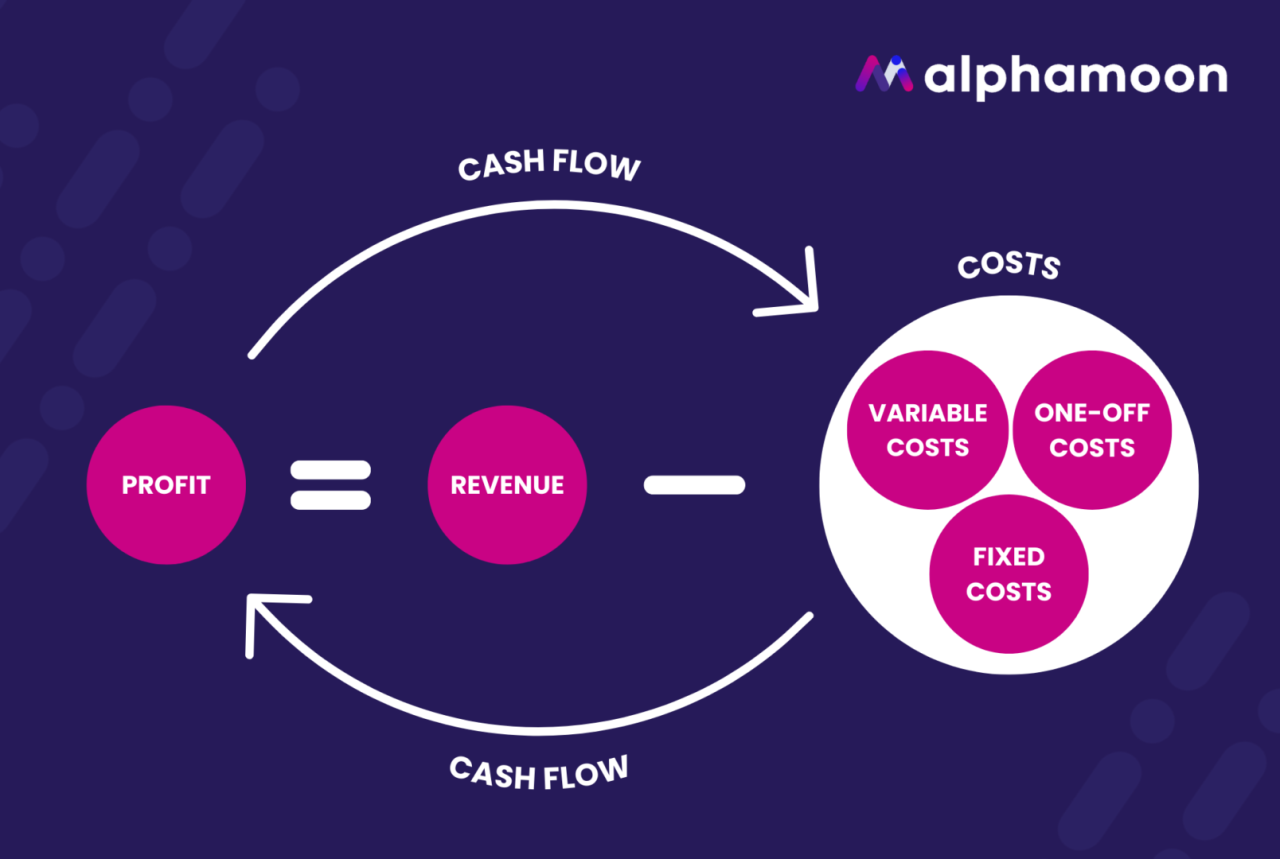
The advent of artificial intelligence has revolutionized numerous aspects of our daily lives, and managing our shopping needs is no exception. AI-powered list creation leverages sophisticated algorithms to transform the often tedious task of compiling shopping lists into an efficient and intelligent process. This technology moves beyond simple text-based lists, offering dynamic and personalized solutions for grocery and general shopping.At its core, AI-powered list creation involves using machine learning models to analyze user preferences, past purchases, dietary needs, and even external factors like sales or seasonal availability.
These systems learn and adapt over time, becoming increasingly adept at anticipating your needs and suggesting relevant items. This intelligent approach ensures that your lists are not only comprehensive but also optimized for your specific circumstances, leading to a more streamlined and less wasteful shopping experience.
Benefits of Intelligent List Organization
Employing intelligent systems for organizing shopping needs offers a multitude of advantages that significantly enhance the user experience and overall efficiency. These systems are designed to reduce cognitive load, minimize forgotten items, and promote more mindful consumption.
- Reduced Errors and Omissions: AI can cross-reference past purchases and current inventory, significantly reducing the likelihood of forgetting essential items or purchasing duplicates.
- Personalized Recommendations: Based on your purchase history and stated preferences, AI can suggest items you might like or need, introducing variety and ensuring you don’t miss out on new products or deals.
- Dietary and Nutritional Planning: For individuals with specific dietary requirements (e.g., vegetarian, gluten-free, low-sodium), AI can help curate lists that adhere to these restrictions, making healthy eating more accessible.
- Budget Management: Some AI tools can track spending patterns and suggest cost-effective alternatives or flag items that might exceed a predefined budget, promoting financial discipline.
- Reduced Food Waste: By suggesting recipes based on existing pantry items or highlighting items nearing their expiration, AI can help consumers use what they have, thereby minimizing waste.
Time Savings and Efficiency Gains
The most immediate and tangible benefit of using AI for shopping list creation is the substantial saving in time and the subsequent increase in overall efficiency. Manual list preparation often involves lengthy contemplation, searching for recipes, and mentally reviewing pantry stock, all of which can be time-consuming. AI automates many of these steps, freeing up valuable time for other activities.Consider a typical weekly grocery shop.
Manually creating a list might take 20-30 minutes, involving checking the fridge, pantry, and recipe books. An AI system, after an initial setup, can generate a comprehensive list in a matter of seconds. For example, a user might input a few desired meals for the week, and the AI can then generate a consolidated shopping list, factoring in ingredients already present in their digital pantry.
This rapid generation, combined with intelligent item placement (e.g., grouping by aisle), streamlines the in-store shopping experience as well, further contributing to efficiency.
Common Types of AI Tools for List Creation
A variety of AI-driven tools and applications are available to assist with the creation of intelligent shopping lists. These tools often integrate with other smart home devices or personal assistants, offering a seamless user experience.
| Tool Type | Description | Example Use Case |
|---|---|---|
| Smart Shopping List Apps | Dedicated mobile applications that use AI to learn user habits, suggest items, and organize lists. Many integrate with grocery store inventory and online ordering. | An app suggests adding milk because it’s a regular purchase and the AI detects the quantity is low based on past consumption patterns. |
| Recipe and Meal Planning Platforms | These platforms use AI to suggest recipes based on dietary preferences, available ingredients, and user-set goals. They automatically generate shopping lists for the selected meals. | A user selects three healthy dinner recipes, and the AI compiles a list of all unique ingredients required, cross-referencing with their pantry inventory. |
| Virtual Assistants and Smart Speakers | Voice-activated assistants like Amazon Alexa or Google Assistant can be programmed to create and manage shopping lists via voice commands, often with AI-powered suggestions. | Saying “Hey Google, add bananas to my shopping list” and the assistant responding, “You usually buy bananas every three days. Would you like to add them for this week?” |
| Pantry Management Systems | Some advanced systems use image recognition or manual input to track pantry and refrigerator contents. AI then uses this data to predict when items will run out and suggest additions to the shopping list. | A smart fridge with internal cameras identifies that the carton of eggs is nearly empty and automatically adds eggs to the user’s digital shopping list. |
Core AI Functionality for List Generation
The power behind AI-driven budget shopping lists lies in its sophisticated ability to understand and process vast amounts of information to create personalized and efficient lists. This goes beyond simple matching, delving into nuanced interpretation of user needs and preferences.At its heart, AI employs advanced algorithms to interpret user input, which can range from direct requests like “I need ingredients for lasagna” to more abstract preferences like “healthy vegetarian meals for the week.” These algorithms are designed to identify patterns, infer intent, and predict what a user might need.
This process typically involves Natural Language Processing (NLP) to understand the text-based commands and preferences, and machine learning models that learn from user interactions and data to refine their suggestions over time.
Data Sources for AI List Generation
To generate truly effective and personalized shopping lists, AI systems leverage a variety of data sources. The richer and more diverse these sources, the more accurate and relevant the AI’s output will be.AI can access and process several types of data:
- Past Purchase History: Analyzing previous shopping trips, including items bought, quantities, and frequency, allows the AI to anticipate recurring needs and identify staples. For instance, if a user consistently buys milk and bread every week, the AI will flag these items for upcoming lists.
- Dietary Preferences and Restrictions: Users can input specific dietary needs such as vegetarian, vegan, gluten-free, low-carb, or allergies. The AI then filters potential ingredients and recipes to align with these requirements.
- User-Defined Preferences: This includes preferred brands, organic choices, budget constraints, and even preferred cooking times or complexity for meals.
- Recipe and Meal Plan Databases: Access to extensive databases of recipes and pre-made meal plans provides a structured way for the AI to generate lists based on desired dishes or weekly eating strategies.
- Current Promotions and Sales: Integrating with grocery store flyers and online sales data allows the AI to suggest items that are currently on offer, maximizing budget savings.
AI-Powered Item Suggestions
One of the most significant advantages of AI in list creation is its ability to proactively suggest items, moving beyond what the user explicitly states. This proactive approach can save time and uncover new possibilities.AI can suggest items in several ways:
- Recipe-Based Suggestions: When a user selects a recipe, the AI automatically identifies all the necessary ingredients and adds them to the shopping list. For example, if a user chooses to make “Chicken Stir-fry,” the AI will list chicken breast, soy sauce, broccoli, bell peppers, ginger, garlic, and rice.
- Meal Plan Integration: For users who follow a structured meal plan for the week, the AI compiles all the ingredients required for each meal. This ensures that no ingredient is missed for the entire week’s culinary agenda.
- Complementary Item Recommendations: Based on items already on the list, the AI can suggest complementary products. If “pasta” is on the list, it might suggest “pasta sauce” or “parmesan cheese.”
- Staple Replenishment: By learning purchasing habits, the AI can predict when staple items like eggs, butter, or flour are likely to run out and suggest adding them to the list before they are completely depleted.
Categorization and Organization of List Items
A well-organized shopping list significantly improves the efficiency of a shopping trip. AI excels at automatically categorizing and arranging items to streamline the process.Methods AI uses for categorization include:
- Grocery Store Aisles: AI can group items based on typical store layouts, such as produce, dairy, frozen foods, pantry staples, and cleaning supplies. This allows shoppers to navigate the store logically and minimize backtracking.
- Meal Components: Items can be grouped by the meals they belong to, which is particularly helpful for users planning specific dishes.
- Dietary Categories: For users with specific dietary needs, items can be further segregated into categories like “gluten-free options” or “vegan proteins.”
- Urgency or Frequency: While less common, some advanced systems might allow users to prioritize items or mark them as “must-haves” for quick reference.
This systematic organization transforms a potentially chaotic list into a clear, actionable guide, making the shopping experience smoother and more efficient.
Practical Steps to Create AI-Assisted Lists

Embarking on your AI-assisted budget shopping list journey is a straightforward process designed to streamline your grocery planning and maximize your savings. This section will guide you through the practical steps, from initial setup to refining your final list for an efficient shopping trip. By following these steps, you’ll harness the power of AI to create lists that are not only budget-friendly but also perfectly tailored to your needs.The beauty of AI-assisted list creation lies in its adaptability.
Whether you’re a seasoned meal planner or just starting, the AI can learn and adjust to your preferences, dietary requirements, and even your culinary inspirations. This section breaks down how to effectively communicate your needs to the AI and how to interpret and optimize the suggestions it provides.
Initiating AI List Generation
To begin creating your AI-assisted shopping list, you’ll typically interact with a dedicated application or platform. The initial step involves accessing the list generation feature. This might be a prominent button on a dashboard, a menu option, or a direct prompt within a conversational interface. Once initiated, the AI will prompt you for essential information to personalize your list.The AI will then guide you through a series of inputs to understand your requirements.
This process is designed to be intuitive, often using clear prompts and simple selection options.
Inputting Preferences and Specifics
Effectively communicating your needs to the AI is crucial for generating a relevant and budget-conscious list. The AI is designed to accommodate a wide range of user inputs, from broad categories to very specific details.Here’s how you can provide your preferences:
- Dietary Restrictions: Clearly state any allergies (e.g., gluten-free, nut-free), dietary choices (e.g., vegetarian, vegan, keto), or health-related needs (e.g., low sodium, diabetic-friendly).
- Meal Ideas and Cuisine Preferences: You can suggest specific meals you’d like to prepare (e.g., “lasagna for Sunday dinner,” “quick weekday stir-fry”), or indicate preferred cuisines (e.g., “Italian,” “Mexican,” “Asian”).
- Budget Goals: Some AI tools allow you to set a target budget for your grocery trip. This helps the AI prioritize cost-effective ingredients and suggest alternatives.
- Pantry Staples: You can inform the AI about items you already have in your pantry to avoid redundant purchases.
- Specific Item Requests: If you have particular items you know you need, you can add them directly to your request.
For instance, if you’re planning meals for the week and want to stick to a budget while accommodating a vegetarian diet, you might input something like: “Create a vegetarian meal plan for 5 days, focusing on budget-friendly ingredients. Include recipes for lentil soup, vegetable curry, and pasta primavera. My budget is $75 for the week.” The AI will then process this information to suggest ingredients and meals.
Reviewing and Refining AI-Generated Suggestions
Once the AI generates an initial list, it’s essential to review and refine it to ensure it perfectly aligns with your expectations and budget. This iterative process allows you to fine-tune the AI’s output and make informed decisions.The review process typically involves the following:
- Cross-referencing with Your Needs: Carefully check if the suggested items and meals meet all your specified preferences, dietary restrictions, and meal ideas.
- Budget Check: If a budget was set, verify if the total estimated cost of the items is within your target. The AI might provide estimated costs for individual items or the entire list.
- Ingredient Overlap and Variety: Assess if there’s a good balance of ingredients across different meals to minimize waste and maximize versatility. Look for opportunities to use ingredients in multiple dishes.
- Substitution and Alternatives: If you find an item is too expensive, not available, or simply not to your liking, the AI often provides alternative suggestions or allows you to search for replacements.
- Quantity Adjustments: Ensure the quantities of each item are appropriate for your household size and planned meals. You can usually adjust these directly.
For example, if the AI suggests an expensive cut of meat for a meal and you’re on a tight budget, you can look for a prompt like “suggest cheaper alternatives” or manually replace it with a more economical protein source. Similarly, if you notice you’re buying too many individual spices, you might ask the AI to suggest meals that use common spice blends.
Organizing the AI-Generated List for In-Store Navigation
An organized shopping list can significantly reduce your time in the store and prevent impulse purchases. AI tools can often assist in structuring your list logically, making your shopping experience more efficient.The most effective organization strategies for AI-generated lists include:
- By Store Aisle/Section: The ideal organization groups items according to how they are typically arranged in a supermarket. This minimizes backtracking and saves time. For example, all produce items would be grouped together, followed by dairy, then pantry staples, and so on.
- By Meal: Some users prefer to group ingredients by the meal they are intended for. This can be helpful for ensuring you have all necessary components for each dish.
- By Urgency or Importance: While less common, you might prioritize essential items or those that are likely to sell out quickly.
Many AI list generators offer an option to “Sort by Aisle” or “Organize by Store Layout.” If this feature is available, it’s highly recommended. If not, you can manually reorder the list yourself before heading to the store. For instance, if your AI list includes “apples,” “broccoli,” “milk,” “bread,” and “chicken breast,” an aisle-organized list would look like:
Produce:
- Apples
- Broccoli
Dairy: – MilkBakery: – BreadMeat:
Chicken Breast
This structured approach ensures you can efficiently navigate the grocery store, picking up items as you go, and ultimately saving both time and money.
Advanced Features and Customization
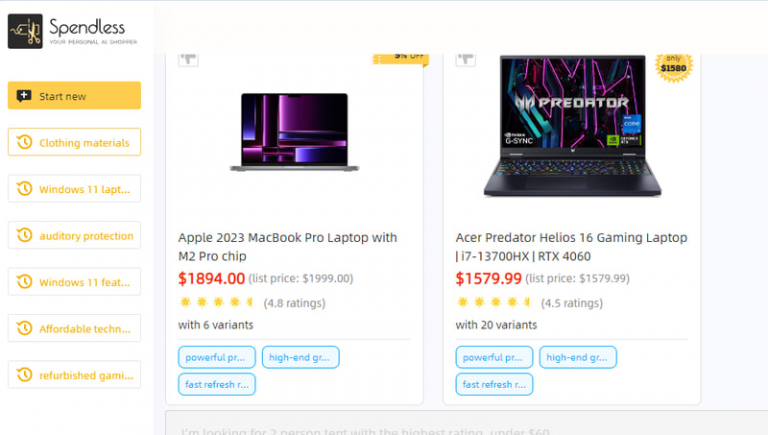
Beyond basic list generation, AI-powered budgeting tools offer sophisticated features that can significantly enhance your shopping experience and financial management. These advanced capabilities move beyond simple item recording to become intelligent assistants that learn, adapt, and integrate with your lifestyle.The true power of AI in budget shopping lists lies in its ability to personalize and automate. By understanding your unique patterns and preferences, these tools can proactively assist you in making smarter purchasing decisions, ensuring you stay within your budget while meeting your needs.
Learning User Habits and Predicting Future Needs
AI excels at identifying patterns in your purchasing behavior over time. By analyzing past shopping trips, including frequency, quantity, and price points of items you regularly buy, the AI can build a profile of your consumption habits. This allows it to anticipate when you might need to restock certain items, even before you consciously realize it. For example, if you consistently purchase milk every four days, the AI can predict when your current supply will likely run out and suggest adding it to your next list.
Similarly, it can learn your preferred brands, sizes, and even the typical timing of your grocery runs, such as weekly or bi-weekly.This predictive capability extends to seasonal needs and special occasions. An AI might notice a pattern of increased purchases of baking ingredients around holidays or a rise in sunscreen and outdoor activity gear during summer months. By recognizing these trends, it can proactively prompt you to plan for such events, helping you budget accordingly and avoid last-minute, potentially more expensive purchases.
Integration with Smart Home Devices and Platforms
Modern AI budgeting tools are increasingly designed to integrate seamlessly with your existing smart home ecosystem and other digital platforms. This connectivity unlocks powerful automation possibilities. For instance, a smart refrigerator equipped with inventory tracking could automatically detect when you’re running low on certain items and send that information directly to your AI shopping list generator. Imagine your fridge noting you have only one egg left and adding “eggs” to your list.Beyond smart appliances, integration with calendar apps can alert the AI to upcoming events, like a birthday party, prompting suggestions for relevant gifts or party supplies.
Integration with recipe apps can automatically add ingredients for a planned meal to your shopping list. This interconnectedness creates a more fluid and less labor-intensive approach to managing your household needs and budget.
Customizing AI List Generation Based on Budget Constraints
A key advantage of AI-powered list creation is its adaptability to your financial goals. You can actively guide the AI to prioritize budget-friendly options. This can be achieved through various customization settings. For example, you can set a specific budget for a shopping trip, and the AI will then suggest items and quantities that fit within that limit. It can also be instructed to favor generic brands or items on sale, actively searching for the best deals.Consider setting a “budget percentage” for different categories, such as 30% for produce, 20% for pantry staples, and so on.
The AI will then ensure its suggestions align with these allocations. You can also input your maximum acceptable price for specific items, and the AI will flag any suggestions that exceed this threshold or actively seek out cheaper alternatives.
“Budget customization within AI list generation allows for proactive financial control, transforming a reactive shopping task into a strategic financial planning activity.”
AI-Suggested Alternative or Complementary Products
AI can go beyond simply listing what you need; it can also offer intelligent suggestions for alternatives and complementary items. When an item you typically buy is unavailable or significantly more expensive, the AI can propose a suitable substitute. This might involve suggesting a different brand with a similar nutritional profile or a different cut of meat that fits your budget better.
For example, if your preferred brand of pasta is out of stock, the AI might suggest a well-regarded store brand or a different pasta shape that is currently on sale.Furthermore, the AI can identify opportunities to enhance your shopping experience or meals by suggesting complementary products. If you add chicken breast to your list, the AI might suggest adding common accompaniments like rice, broccoli, or a specific marinade based on your past purchases or popular recipe combinations.
This feature can help you discover new products, complete recipes more efficiently, and potentially discover better value by purchasing items that work well together.Here are common approaches AI uses for suggesting alternative or complementary products:
- Price-Based Alternatives: The AI identifies less expensive versions of a desired item, often by comparing prices across different brands or by suggesting generic options.
- Feature-Based Substitutions: When an exact item is unavailable, the AI suggests products with similar core features or nutritional values. For instance, recommending a different type of fish if salmon is unavailable, based on similar protein content and cooking methods.
- Complementary Item Identification: Based on the primary item, the AI suggests other items that are commonly used with it. This is often driven by analysis of past purchase patterns or by referencing popular recipes.
- Promotional Item Highlighting: The AI can flag items that are currently on sale or part of a special offer, suggesting them as alternatives or additions to your list if they align with your needs and budget.
- User Preference Learning: Over time, the AI learns your preferences for certain types of alternatives or complementary products, making its suggestions increasingly relevant and personalized.
Enhancing the Shopping Experience with Intelligent Lists
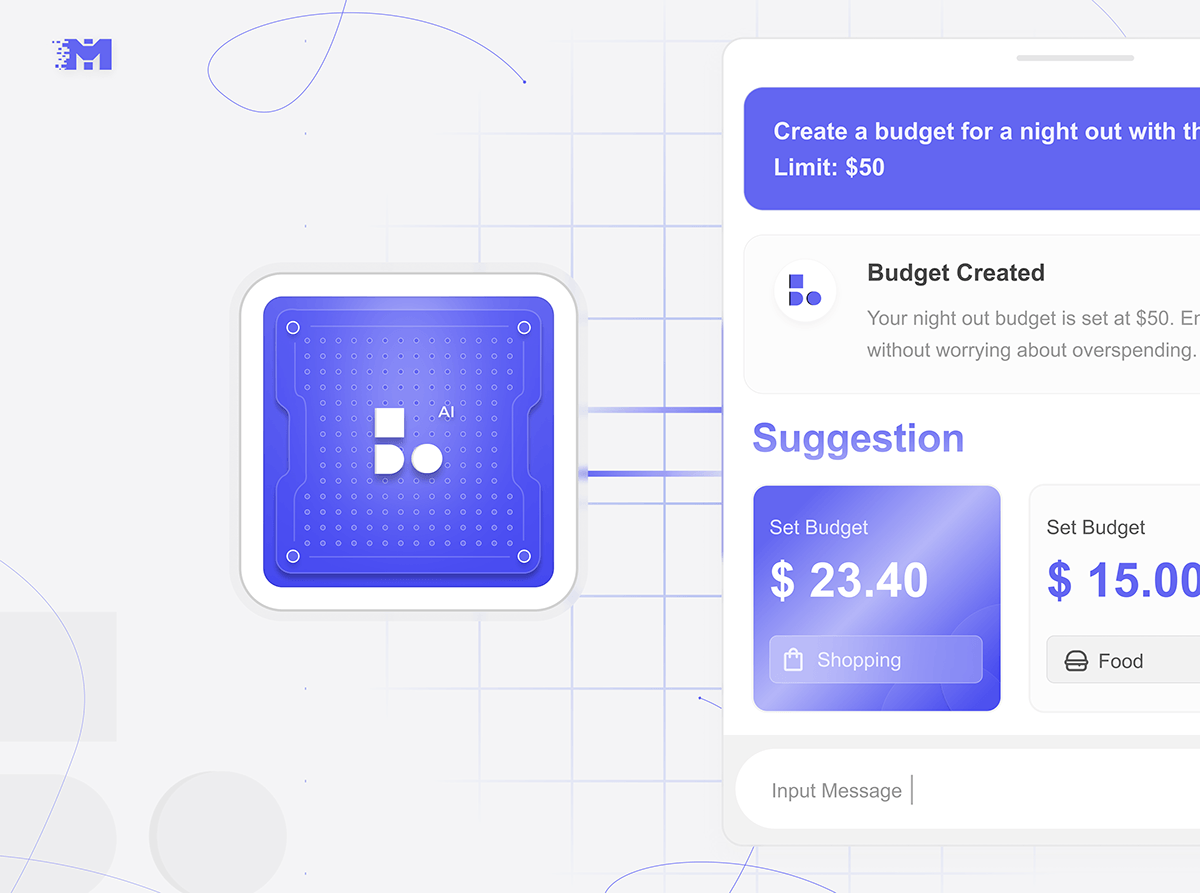
Leveraging AI for budget shopping lists transforms a routine chore into a more strategic and satisfying experience. Beyond mere organization, AI introduces elements of intelligence that actively support financial goals and shopping efficiency. This section explores how AI-powered lists contribute to a smoother, more cost-effective, and enjoyable shopping journey.AI-driven lists are not static; they are dynamic tools designed to adapt to your needs and financial constraints.
By integrating with your spending habits and preferences, these lists become powerful allies in achieving your budget shopping objectives, moving beyond simple itemization to intelligent guidance.
Preventing Impulse Purchases
One of the most significant benefits of an AI-assisted budget shopping list is its ability to act as a bulwark against unplanned spending. By clearly defining your needs and budget beforehand, the AI helps you stay focused on your objectives.AI achieves this by:
- Prioritizing items based on necessity and budget allocation, presenting them in a clear order.
- Alerting users when an item not on the list is added or considered, prompting a review against the budget.
- Providing visual cues or notifications if the total cost of items in the cart approaches or exceeds the set budget limit.
- Learning user patterns to identify frequently added impulse items and offering alternatives or suggesting delaying their purchase.
Tracking Spending Against Budget
Real-time spending tracking is a crucial feature that AI brings to budget shopping lists. This functionality allows users to monitor their expenditure as they shop, making informed decisions on the go.Methods for AI-driven spending tracking include:
- Live Updates: As items are added to the virtual list or scanned in-store, the AI automatically updates the running total, comparing it against the pre-set budget.
- Categorical Breakdown: The AI can categorize spending within the list (e.g., produce, dairy, household goods) and show how much has been spent in each category relative to its allocated budget.
- Alerts and Notifications: Users receive immediate alerts when their spending in a particular category or overall exceeds a predefined threshold, such as 75% or 90% of the budget.
- Integration with Payment Methods: In advanced scenarios, AI can be integrated with digital payment platforms to provide an even more seamless tracking experience, though this often requires user consent and careful data management.
For instance, if a user sets a $100 weekly grocery budget, the AI might alert them when they’ve spent $85 and are considering an additional non-essential item, prompting them to reconsider or find a cheaper alternative.
Suggesting Seasonal and On-Sale Items
Intelligent lists can proactively suggest items that align with current sales or seasonal availability, helping users maximize their budget and discover new value.AI’s role in this involves:
- Monitoring Sales Flyers: AI can analyze digital sales flyers and online promotions from preferred retailers.
- Cross-referencing with User Preferences: It matches sale items with items already on the user’s list or with their known preferences and dietary needs.
- Highlighting Seasonal Produce: The AI can inform users about the availability and benefits of seasonal fruits and vegetables, often at lower prices.
- Suggesting Substitutions: If a planned item is not on sale, the AI might suggest a similar, on-sale seasonal alternative that meets the user’s nutritional or culinary needs.
Imagine a user’s list includes strawberries. If strawberries are out of season and expensive, the AI might suggest raspberries, which are currently on sale and in season, and have a similar nutritional profile.
Scenario: Streamlining a Weekly Grocery Shop
Consider Sarah, who aims to stick to a $150 weekly grocery budget. She uses an AI-powered app to create her list.Here’s how the AI streamlines her shopping:
- List Creation: Sarah inputs her meal plan for the week. The AI suggests recipes based on her past preferences and dietary restrictions, automatically generating a list of ingredients. It flags items that are currently on sale at her local supermarket.
- Budget Allocation: Sarah reviews the generated list and allocates a budget for different categories (e.g., $40 for produce, $30 for meat, $20 for dairy). The AI confirms the total is within her $150 limit.
- In-Store Navigation: At the store, Sarah opens her AI list. It’s organized by aisle, helping her navigate efficiently. As she picks up items, she checks them off. The AI provides a running total and shows her remaining budget for each category.
- Decision Making: Sarah sees that her “Meat” category is nearing its $30 limit. She planned to buy steak, but the AI notes that chicken breast is on a significant sale and would keep her within budget for that category. She opts for the chicken.
- Impulse Control: While browsing, she spots a tempting new brand of cookies. She adds them to a “consider” section in the app. The AI immediately shows that adding them would push her total spending over budget and prompts her to decide if they are a priority or if she can wait. She decides to skip them for now.
- Completion: Sarah finishes her shopping, having stayed within her $150 budget. The AI provides a summary of her spending by category, highlighting where she saved money (e.g., on chicken) and where she stayed on track.
This scenario illustrates how an AI-assisted list transforms grocery shopping from a potential budget pitfall into a controlled, efficient, and financially sound activity.
Structuring AI-Generated List Content
Once an AI has assisted in generating your budget shopping list, the way this information is presented can significantly enhance its usability. Effective structuring ensures clarity, allowing you to quickly identify items, quantities, and categories, thereby streamlining your shopping trip and budget adherence. This section explores various methods for organizing AI-generated list content, from structured tables to annotated JSON and markdown formats, ensuring you can leverage the AI’s output to its fullest potential.The organization of an AI-generated shopping list is crucial for translating computational assistance into practical shopping actions.
By employing well-defined structures, users can efficiently navigate the list, compare prices, and make informed purchasing decisions, directly supporting the goal of budget-conscious shopping.
HTML Table Structure for Shopping Lists
To present AI-generated shopping lists in a clear and organized manner, an HTML table is an excellent choice. This structure allows for distinct columns, making it easy to read and manage item details. The table should include essential information such as the item name, the required quantity, and its associated category, facilitating quick scanning and comparison during shopping.Here is a sample HTML table structure designed for displaying AI-generated budget shopping lists:
| Item | Quantity | Category |
|---|---|---|
| Organic Bananas | 1 bunch | Produce |
| Whole Wheat Bread | 1 loaf | Bakery |
| Chicken Breast | 2 lbs | Meat & Poultry |
| Canned Tomatoes | 3 cans | Pantry |
| Milk (2%) | 1 gallon | Dairy |
| Broccoli | 1 head | Produce |
| Rice (Brown) | 5 lbs | Pantry |
| Eggs | 1 dozen | Dairy |
Sample JSON Output for AI-Generated Lists
JSON (JavaScript Object Notation) is a lightweight data-interchange format that is easily readable by humans and parseable by machines. For AI-generated lists, JSON can effectively capture detailed item information, including quantities, potential pricing insights, and AI-driven annotations that might suggest alternatives or highlight budget-friendly options. This structured data can be directly used by applications or further processed for analysis.Below is a sample JSON output representing an AI-generated shopping list, showcasing item details and illustrative AI annotations: “shoppingList”: [ “itemName”: “Apples (Gala)”, “quantity”: “5”, “unit”: “each”, “category”: “Produce”, “aiAnnotations”: “budgetTip”: “Consider buying in bulk for a lower per-unit cost if storage allows.”, “alternative”: “Fuji apples are currently on sale at Store X.” , “itemName”: “Ground Beef (85% Lean)”, “quantity”: “1.5”, “unit”: “lbs”, “category”: “Meat & Poultry”, “aiAnnotations”: “budgetTip”: “This is a good lean-to-fat ratio for budget-friendly meals.”, “nutritionalNote”: “Lower fat options might be available, but at a higher price point.” , “itemName”: “Pasta (Spaghetti)”, “quantity”: “2”, “unit”: “boxes”, “category”: “Pantry”, “aiAnnotations”: “budgetTip”: “Generic brands are often significantly cheaper and taste comparable.”, “usageSuggestion”: “Pair with a simple tomato sauce for a budget meal.” , “itemName”: “Yogurt (Greek, Plain)”, “quantity”: “32”, “unit”: “oz”, “category”: “Dairy”, “aiAnnotations”: “budgetTip”: “Buying a larger tub is usually more cost-effective than individual cups.”, “versatility”: “Can be used in smoothies, as a sour cream substitute, or for dips.” ]
Markdown Example of a Categorized Shopping List
Markdown offers a simple and readable way to format text, making it ideal for displaying AI-generated lists in a user-friendly manner, especially when shared or viewed in plain text environments. Categorizing items with markdown bullet points helps in organizing the shopping process by store aisle or meal planning needs.This markdown example demonstrates how an AI-generated shopping list can be structured by category:# AI-Generated Budget Shopping List## Produce
- Apples (Fuji)
- 6 each
- Spinach (Bagged)
- 1 bag
- Onions (Yellow)
- 3 lbs
- Carrots – 1 lb bag
## Meat & Poultry
- Chicken Thighs – 2 lbs
- Ground Turkey – 1 lb
## Dairy & Refrigerated
- Cheddar Cheese (Block)
- 8 oz
- Butter – 1 lb
## Pantry
- Lentils (Dried)
- 1 lb bag
- Oatmeal (Rolled Oats)
- 1 large canister
- Canned Black Beans – 4 cans
## Beverages
- Water (Bottled, Case)
- 1 case (if on sale)
Organizing Lists with Blockquotes for Recommendations
Blockquotes in markdown or HTML can serve as a powerful tool to draw attention to specific AI-driven recommendations, budget notes, or crucial tips. This emphasis helps users quickly identify and act upon valuable insights provided by the AI, such as identifying the most cost-effective choices or suggesting smart substitutions to stay within budget.Here’s a sample list incorporating blockquotes to highlight AI recommendations:# AI-Assisted Shopping List with Budget Notes## Groceries* Tomatoes – 5 each > AI Recommendation: Store Brand Canned Diced Tomatoes are 20% cheaper than name brands this week and offer similar quality for cooking.
- Pasta – 2 boxes
- Rice – 1 large bag
## Household Items* Toilet Paper – 12 pack > Budget Note: Buying in bulk from warehouse clubs can save an average of $0.10 per roll compared to standard supermarkets.
Dish Soap – 1 bottle
## Frozen Foods* Frozen Peas – 1 bag > AI Suggestion: Frozen vegetables are often more cost-effective and retain nutrients better than fresh produce that may be out of season.
Ice Cream – 1 tub
> Overall Budget Tip: Aim to purchase at least 3 items marked with a “Budget Tip” or “AI Recommendation” to maximize savings on this shopping trip.
Final Review

In conclusion, the integration of AI into the process of creating budget shopping lists offers a powerful pathway to smarter spending and more organized shopping experiences. By understanding and leveraging these intelligent tools, you can move beyond impulse buys, effectively track your expenditures, and discover savings opportunities, ultimately streamlining your weekly shopping and contributing to your financial well-being.