With how to create diet based shopping lists with ai at the forefront, this paragraph opens a window to an amazing start and intrigue, inviting readers to embark on a storytelling journey filled with unexpected twists and insights. We will explore how artificial intelligence is revolutionizing the way we approach healthy eating, making it more accessible and personalized than ever before.
This guide delves into the practical applications of AI in crafting tailored shopping lists that precisely align with your unique dietary requirements. From understanding the fundamental role of AI to defining your specific nutritional needs and leveraging advanced features, we aim to provide a comprehensive overview of this innovative approach.
Understanding AI’s Role in Diet-Based Shopping Lists

Artificial intelligence is revolutionizing how we approach health and nutrition, making personalized dietary management more accessible than ever. One of the most practical applications of AI in this domain is the creation of diet-based shopping lists. By leveraging sophisticated algorithms, AI can transform the often tedious task of meal planning and grocery shopping into an efficient, tailored experience, ensuring you always have the right ingredients to meet your specific health goals.AI’s ability to process vast amounts of data and learn individual preferences allows it to generate shopping lists that are not only compliant with dietary restrictions but also optimized for nutritional balance and variety.
This intelligent approach significantly reduces the guesswork and potential for error associated with manual list creation, ultimately contributing to better adherence to dietary plans and improved health outcomes.
Simplifying Personalized Diet Generation
Artificial intelligence excels at processing complex information and identifying patterns, making it an ideal tool for generating personalized shopping lists. It can analyze user-provided data, such as dietary preferences, allergies, intolerances, health goals (e.g., weight loss, muscle gain, managing diabetes), and even budget constraints, to curate a list of ingredients that perfectly aligns with these requirements. This level of personalization goes far beyond generic healthy eating advice, offering a truly bespoke approach to nutrition.
Advantages of AI-Powered List Creation
The benefits of using AI for diet-based shopping lists are numerous and significantly outweigh traditional manual methods. AI-driven lists offer unparalleled accuracy, efficiency, and personalization, leading to improved dietary adherence and health management.
- Precision and Accuracy: AI algorithms can meticulously track macronutrient and micronutrient profiles, ensuring that every item on the list contributes to the user’s specific dietary targets, minimizing the risk of accidental inclusion of prohibited foods.
- Time Efficiency: Instead of spending hours researching recipes and compiling lists, users can generate comprehensive shopping lists in minutes, freeing up valuable time for other activities.
- Cost Optimization: Many AI tools can suggest ingredients that are in season, on sale, or offer better value, helping users stick to their budget without compromising nutritional quality.
- Reduced Food Waste: By generating lists based on planned meals and considering ingredient overlap, AI can help minimize overbuying and reduce the likelihood of food spoilage.
- Adaptability: AI systems can learn and adapt over time, refining suggestions based on user feedback, changing dietary needs, or new nutritional research.
AI Capabilities for Diet-Based Shopping
The capabilities of AI in generating diet-based shopping lists are diverse and constantly evolving. These tools can go beyond simple ingredient aggregation to offer a truly integrated dietary management experience.
- Nutritional Analysis and Tracking: AI can analyze the nutritional content of individual ingredients and entire meals, ensuring that shopping lists contribute to specific calorie, protein, carbohydrate, fat, vitamin, and mineral targets. For instance, an AI might recommend specific cuts of lean meat or plant-based protein sources to meet a user’s protein goals while staying within a calorie limit.
- Allergy and Intolerance Management: Users can input a comprehensive list of allergens and intolerances, and the AI will automatically filter out any ingredients that could trigger a reaction. This is crucial for individuals with conditions like celiac disease, lactose intolerance, or nut allergies.
- Recipe Integration: AI can suggest recipes that utilize the ingredients on the shopping list, or vice versa, creating a seamless meal planning and shopping process. For example, if a user needs to buy chicken breast for a specific recipe, the AI might also suggest other recipes that use chicken breast to maximize ingredient utilization.
- Personalized Recommendations: Based on past purchases, meal preferences, and even biometric data (if shared), AI can suggest new ingredients or food items that align with the user’s evolving tastes and nutritional needs.
- Dietary Guideline Compliance: For specific diets like ketogenic, vegan, paleo, or low-FODMAP, AI can ensure that all suggested items strictly adhere to the rules and restrictions of that particular eating pattern.
Initial Steps for AI-Assisted Shopping
Embarking on the journey of using AI for your dietary shopping is straightforward and requires minimal technical expertise. The primary goal is to provide the AI with the necessary information to understand your unique needs and preferences.
- Define Your Dietary Goals and Restrictions: Clearly articulate your health objectives, such as weight management, improved energy levels, or managing a chronic condition. Simultaneously, list all known allergies, intolerances, and any specific foods you wish to avoid or include.
- Select an Appropriate AI Tool or App: Numerous AI-powered applications and platforms are available, ranging from comprehensive meal planning apps to specialized grocery list generators. Research and choose a tool that best suits your budget and feature requirements.
- Input Your Personal Information: Most AI tools will guide you through an onboarding process. This typically involves creating a profile where you input your dietary goals, restrictions, preferences, and sometimes even your current weight and activity level.
- Specify Meal Preferences and Frequency: Indicate how many meals you typically eat per day, your preferred meal types (e.g., quick breakfasts, hearty dinners), and any specific cuisines or ingredients you enjoy or dislike.
- Generate and Review Your First List: Once your information is entered, the AI will generate an initial shopping list. It is important to review this list for accuracy and to make any minor adjustments needed before heading to the store.
Defining Dietary Requirements for AI
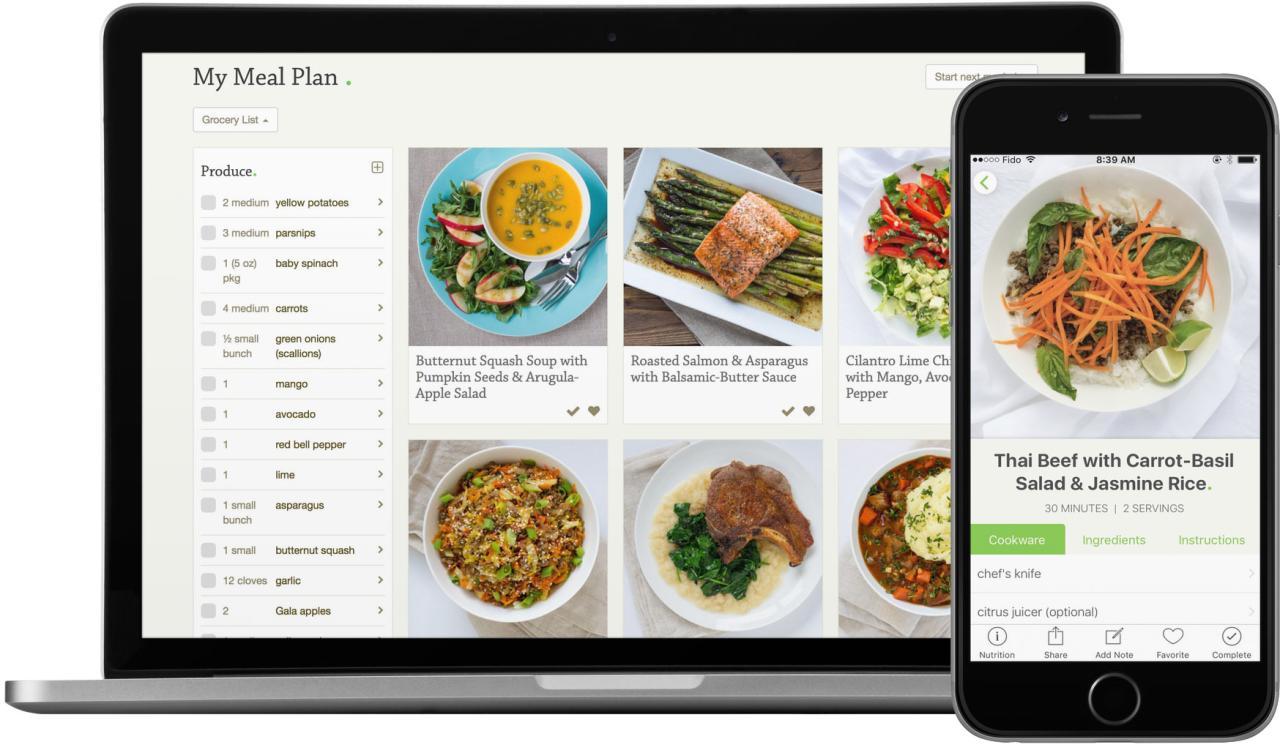
To effectively leverage Artificial Intelligence for creating personalized diet-based shopping lists, it is crucial to provide the AI with a comprehensive understanding of an individual’s dietary needs, restrictions, and preferences. This detailed input forms the foundation upon which the AI can generate accurate and beneficial shopping recommendations.The AI needs to process a variety of dietary parameters to ensure the generated lists are not only compliant with restrictions but also supportive of the user’s health and wellness objectives.
This section Artikels the essential information required by an AI system for optimal diet-based shopping list creation.
AI-Powered List Generation Process

The journey from defining dietary needs to a tangible shopping list is elegantly orchestrated by AI. This process involves a series of sophisticated steps that leverage natural language processing, machine learning, and vast databases to translate user requirements into actionable grocery plans. The aim is to streamline the shopping experience, ensuring adherence to specific diets while maximizing efficiency and minimizing waste.At its core, the AI-powered list generation process begins with understanding the user’s unique dietary profile.
This profile is then used to filter through extensive food item databases, identifying suitable ingredients. The AI then employs algorithms to construct meal plans and, consequently, derive the precise quantities of each ingredient needed, creating a comprehensive and optimized shopping list.
Typical AI Workflow for Diet-Compliant Shopping List Generation
The generation of a diet-compliant shopping list by AI follows a structured and iterative workflow. This ensures that all user-defined constraints are met while producing a practical and useful output. The process can be broadly divided into several key stages, from initial input processing to final list refinement.The typical workflow can be Artikeld as follows:
- User Input and Profile Analysis: The AI receives and analyzes user input, which includes dietary restrictions (e.g., vegan, gluten-free, low-carb), allergies, preferences, and any specific health goals (e.g., weight loss, muscle gain). This information is used to build or update a comprehensive user dietary profile.
- Recipe Database Search and Selection: Based on the user’s profile, the AI searches its extensive recipe database. It identifies recipes that align with the specified dietary requirements, considering factors like macronutrient content, ingredient suitability, and user-rated popularity or simplicity.
- Meal Planning Integration: For longer-term planning (e.g., weekly or monthly), the AI can suggest a sequence of meals that meet the user’s nutritional targets and variety preferences. This stage ensures a balanced intake of nutrients throughout the planning period.
- Ingredient Extraction and Aggregation: Once recipes are selected, the AI meticulously extracts all necessary ingredients from them. It then aggregates these ingredients, combining duplicates and calculating the total required quantity for each item based on the number of servings and meal frequency.
- Quantity Optimization and Refinement: The AI optimizes ingredient quantities to minimize waste and cost. This might involve suggesting slightly larger package sizes if they are more economical or identifying ingredients that can be used across multiple recipes.
- List Formatting and Presentation: Finally, the AI formats the aggregated ingredients into a clear, organized shopping list. This can be categorized by grocery store aisle (e.g., produce, dairy, pantry) for easier navigation in the store.
AI-Driven Recipe Suggestion and Ingredient Derivation
A powerful capability of AI in this context is its ability to not only generate shopping lists but also to suggest complementary recipes. This synergistic approach ensures that the shopping list is directly tied to delicious and healthy meal options, making dietary adherence more engaging and less of a chore.The process of AI suggesting recipes and deriving ingredients involves:
- Understanding Culinary Preferences: The AI analyzes user feedback, historical meal choices, and stated preferences to grasp their taste profile. This might include favorite cuisines, disliked ingredients, or desired cooking complexity.
- Matching Recipes to Dietary Profiles: Using sophisticated algorithms, the AI cross-references its vast recipe library with the user’s dietary requirements and preferences. It prioritizes recipes that are not only compliant but also appealing. For instance, for a user on a ketogenic diet, the AI would identify recipes low in carbohydrates and high in healthy fats, such as avocado and salmon salad or chicken stir-fry with cauliflower rice.
- Ingredient Breakdown: Once a recipe is selected, the AI systematically breaks it down into its constituent ingredients. This involves parsing recipe text and identifying each item and its specified quantity.
- List Compilation: All ingredients from the selected recipes are then compiled into a single shopping list. The AI ensures that common ingredients used across multiple meals are consolidated to avoid redundant entries and to simplify shopping. For example, if onions are required for three different recipes in a week, they will appear once on the list with the total quantity needed.
Consider a user who has specified a vegan diet and wants to prepare a week’s worth of dinners. The AI might suggest recipes like “Lentil Shepherd’s Pie,” “Tofu Scramble with Black Beans,” and “Vegetable Curry with Coconut Milk.” From these, it would extract ingredients such as lentils, potatoes, tofu, black beans, mixed vegetables, curry paste, coconut milk, and rice. The AI would then aggregate these, perhaps noting that rice is needed for the curry and can also be a side for another meal, ensuring the user buys an appropriate amount.
Dynamic Shopping List Adaptation
The intelligence of AI extends to creating shopping lists that are not static but dynamic, adapting to evolving circumstances. This adaptability is crucial for real-world grocery shopping, where plans can change and unexpected ingredient availability issues might arise.The AI manages dynamic list adaptation through several mechanisms:
- Real-time Ingredient Inventory: Users can optionally input ingredients they already have at home. The AI subtracts these from the generated list, preventing unnecessary purchases and reducing food waste.
- Substitution Suggestions: If a specific ingredient is unavailable or too expensive, the AI can suggest suitable substitutions that maintain the dietary compliance and flavor profile of the intended recipes. For example, if almonds are not available for a recipe, the AI might suggest walnuts or pecans for a similar crunch and fat content, provided they fit the user’s diet.
- Flexibility in Meal Swapping: Users can easily swap meals within their planned week. The AI will automatically update the shopping list to reflect the ingredients needed for the newly selected meals, removing ingredients for the swapped-out meals.
- Integration with Store Availability: Advanced AI systems can potentially integrate with local grocery store inventory data, alerting users to the availability of specific items or suggesting alternative stores if a key ingredient is out of stock.
For instance, a user might have planned to make a pasta dish requiring specific gluten-free pasta. If the AI knows, through user input or external data, that this particular pasta is out of stock at their usual store, it could proactively suggest a different gluten-free pasta option or a recipe that uses a different base, like quinoa, and adjust the shopping list accordingly.
AI Integration with Weekly or Monthly Meal Planning
Integrating AI with meal planning for extended periods like a week or a month transforms grocery shopping from a reactive task into a proactive and strategic one. This holistic approach ensures nutritional goals are met consistently and efficiently.The AI’s role in factoring in meal planning for extended durations includes:
- Nutritional Goal Alignment: The AI ensures that the cumulative meals planned for the week or month contribute to the user’s overall nutritional targets, such as calorie intake, macronutrient ratios, and micronutrient diversity. It can balance richer meals with lighter ones and ensure adequate intake of essential vitamins and minerals.
- Variety and Repetition Management: To prevent dietary monotony and ensure a broad spectrum of nutrients, the AI can introduce variety in meal types and ingredients throughout the planning period. It also intelligently manages ingredient repetition, ensuring that key ingredients are utilized across multiple meals to minimize waste, but without making the diet feel repetitive.
- Budgetary Considerations: For users with budget constraints, the AI can prioritize recipes that utilize seasonal produce or are generally more cost-effective. It can also suggest bulk purchasing opportunities for staple ingredients that are frequently used.
- Time and Effort Optimization: The AI can factor in the user’s available time for cooking on different days, suggesting quicker meals for busy weekdays and more elaborate ones for weekends. It can also group recipes that use similar preparation techniques or ingredients to streamline cooking processes.
Imagine a user aiming for a balanced intake of protein and fiber throughout the month. The AI might schedule a variety of lean protein sources like chicken, fish, beans, and tofu, paired with diverse fiber-rich vegetables and whole grains. It would ensure that a recipe for salmon with roasted asparagus on Monday is followed by a lentil soup on Tuesday, and a chicken and quinoa bowl on Wednesday, creating a well-rounded nutritional landscape for the week.
The shopping list generated would then reflect the aggregated needs for all these meals, ensuring all necessary items are purchased in the correct quantities at the start of the week or month.
Optimizing Shopping Lists with AI
AI offers a powerful suite of tools to transform your grocery shopping from a potentially costly and wasteful endeavor into a streamlined, budget-conscious, and sustainable practice. By leveraging artificial intelligence, we can move beyond simple ingredient lists to create truly optimized shopping experiences that cater to both your health goals and your wallet. This section delves into how AI can refine your shopping lists for maximum efficiency and minimal waste.AI’s capability to process vast amounts of data allows it to go beyond basic dietary needs and incorporate financial considerations directly into your shopping plan.
This means your dietary requirements are not just met, but met in the most economical way possible.
Budget-Friendly Optimization
AI excels at identifying cost-effective solutions within your defined dietary parameters. It can analyze current market prices, compare costs across different brands and product types, and suggest the most budget-friendly options that still meet your nutritional and taste preferences.AI algorithms can be trained to understand the price fluctuations of various food items. For example, if you have a recipe that calls for salmon, and salmon prices are unusually high, the AI can suggest alternative protein sources like chicken breast or tofu, which might be more affordable that week, while still fitting within your macro and micronutrient targets.
This proactive approach helps prevent impulse buys driven by perceived necessity or lack of alternatives.
Ingredient Substitution for Cost and Availability
One of the significant advantages of AI in shopping list creation is its ability to intelligently suggest ingredient substitutions. This is crucial for both saving money and ensuring you can complete your planned meals even when certain items are out of stock or have become prohibitively expensive.AI can access and process data from various sources, including:
- Real-time grocery store inventory and pricing data.
- Nutritional databases to ensure substitutions maintain dietary balance.
- User-provided preferences regarding taste and texture.
For instance, if a recipe requires a specific type of nut that is currently expensive or unavailable, the AI can suggest a more affordable or readily available alternative, such as almonds instead of walnuts, or sunflower seeds instead of pine nuts, ensuring the nutritional profile and flavor profile remain largely consistent with the original plan. It can also consider seasonal availability, recommending produce that is in season and therefore typically cheaper and fresher.
Personalized Purchasing Habit Learning
AI’s learning capabilities are central to its ability to refine future shopping suggestions. By observing your past purchasing behaviors, the AI can build a personalized profile that anticipates your needs and preferences more accurately.This learning process involves:
- Tracking items frequently purchased and those that are often left out.
- Noting brands you consistently choose.
- Identifying patterns in your meal planning and consumption.
Over time, the AI can predict which items you are likely to need, even before you explicitly add them to your list. This proactive suggestion mechanism can streamline your shopping and prevent forgotten items, further optimizing your trips. For example, if the AI notices you always buy milk every Tuesday, it will likely include it in your weekly list without you needing to remember.
It can also learn that you prefer organic produce or a specific brand of olive oil, incorporating these preferences into its suggestions.
Minimizing Food Waste Through Precise Quantities
Food waste is a significant environmental and economic issue. AI can play a crucial role in combating this by generating shopping lists with precisely calculated quantities, ensuring you buy only what you need.The framework for AI-assisted waste reduction involves:
- Analyzing planned recipes and their required ingredient amounts.
- Considering the typical serving sizes and consumption rates of the user.
- Factoring in the shelf life of perishable items.
By accurately estimating the amount of each ingredient needed for a specific period, the AI helps prevent overbuying, which is a primary driver of food spoilage. For example, if a recipe calls for half an onion and you have another recipe later in the week that uses the other half, the AI will ensure both are accounted for in your list, preventing the purchase of a whole onion that might otherwise go to waste.
This precise planning extends to bulk items as well, suggesting the smallest viable package size if the AI determines a larger one would likely lead to spoilage.
Advanced Features and Considerations
As AI-powered diet-based shopping list generation evolves, several advanced features and considerations come into play, enhancing the user experience and addressing practical challenges. These advancements move beyond simple list creation to offer a more integrated and intelligent approach to healthy eating.
AI Integration with Grocery Store Inventory Systems
One of the most impactful advancements is the ability for AI to directly interact with real-time grocery store inventory systems. This integration allows the AI to not only suggest items based on dietary needs but also to confirm their immediate availability, significantly reducing the frustration of finding out a crucial ingredient is out of stock.
This sophisticated integration can be achieved through several methods:
- API Connections: Many large grocery retailers offer Application Programming Interfaces (APIs) that allow third-party applications to access their product catalog, pricing, and stock levels. The AI can query these APIs in real-time.
- Data Scraping (with permission): For retailers without public APIs, AI systems can be designed to ethically and with consent scrape publicly available inventory data from their websites.
- Direct Partnerships: In some cases, AI developers may form direct partnerships with grocery chains to receive live inventory feeds.
When an AI system checks availability, it can:
- Prioritize items that are in stock.
- Flag items that are low in stock, allowing users to decide whether to substitute or purchase quickly.
- Suggest alternative stores if a preferred item is unavailable at the primary chosen retailer.
AI-Suggested Healthier Alternatives
Beyond simply listing required ingredients, AI can act as a proactive nutritional advisor by suggesting healthier alternatives to commonly purchased items. This feature is particularly valuable for users looking to improve their diet gradually or discover new, nutritious options.
For instance, if a user’s typical shopping list includes white bread, the AI might suggest:
- Whole Wheat Bread: Higher in fiber and nutrients.
- Sourdough Bread: Can be easier to digest for some individuals.
- Sprouted Grain Bread: Offers increased nutrient availability.
Similarly, for processed snacks, the AI could propose:
- Fresh Fruits: Natural sweetness and essential vitamins.
- Nuts and Seeds: Healthy fats, protein, and fiber.
- Vegetable Sticks with Hummus: Satisfying crunch with added protein and fiber.
These suggestions are based on extensive databases of nutritional information and common dietary patterns, aiming to align with the user’s stated health goals.
Ethical Considerations and Data Privacy
The use of AI for personal dietary information raises significant ethical and data privacy concerns. Handling sensitive health and lifestyle data requires robust security measures and transparent practices.
“Protecting user data privacy is paramount when developing AI systems that handle personal health information.”
Key considerations include:
- Data Anonymization and Encryption: All personal dietary information should be anonymized or pseudonymized whenever possible and encrypted both in transit and at rest.
- Informed Consent: Users must be clearly informed about what data is collected, how it is used, and with whom it might be shared (e.g., for anonymized research). Explicit consent should be obtained.
- Data Minimization: AI systems should only collect the data that is strictly necessary for generating accurate and personalized shopping lists.
- User Control: Users should have the ability to access, modify, and delete their personal data at any time.
- Bias Mitigation: AI algorithms must be trained on diverse datasets to avoid perpetuating biases related to race, gender, socioeconomic status, or dietary preferences.
User Interface Concept for AI-Powered Shopping Lists
A well-designed user interface is crucial for making AI-powered diet-based shopping lists accessible and user-friendly. The interface should intuitively guide users through defining their dietary needs, generating lists, and reviewing suggestions.
Here is a conceptual design for a user interface, presented as a simplified HTML table showcasing potential data points and interactions:
| Section | User Input/AI Output | Description | Example Data/Interaction |
|---|---|---|---|
| Profile Setup | Dietary Preferences | User selects or inputs their specific dietary requirements (e.g., vegan, gluten-free, low-carb, allergies). | Dropdown: [Vegan, Vegetarian, Keto, Paleo, Gluten-Free, Dairy-Free, Nut Allergy, etc.] |
| Profile Setup | Health Goals | User specifies their health objectives (e.g., weight loss, muscle gain, improved energy). | Checkboxes: [Weight Loss, Muscle Gain, Increased Energy, Better Digestion, Heart Health] |
| Profile Setup | Meal Plan Preferences | User indicates their typical meal frequency and cuisine preferences. | Input: “3 meals a day, prefer Mediterranean and Asian cuisines.” |
| List Generation | AI-Generated Shopping List | The AI compiles a list of ingredients based on the user’s profile and selected recipes or meal plans. | List:
|
| List Generation | Item Availability Check | AI indicates if items are in stock at the user’s preferred store. | Status Icons:
|
| List Generation | Healthy Alternative Suggestions | AI offers healthier substitutions for selected items. | Suggestion for Quinoa: “Consider brown rice or millet as alternatives.” |
| List Management | Edit/Add Items | User can manually add items or remove AI-suggested items. | Buttons: [Add Item], [Remove Item] next to each list entry. |
| List Management | Save/Share List | Options to save the list for future use or share it with family members. | Buttons: [Save List], [Share List] |
Outcome Summary

In summary, the integration of AI into diet-based shopping list creation offers a powerful and efficient solution for individuals seeking to manage their nutrition more effectively. By understanding the core principles and exploring the various functionalities, you can harness the potential of AI to simplify meal planning, optimize your grocery choices, and ultimately achieve your health and wellness goals with greater ease and precision.