The global culinary landscape is vast and diverse, offering a wealth of flavors and traditions. This guide explores how Artificial Intelligence (AI) can revolutionize the exploration and creation of international dishes, unlocking new possibilities for fusion cuisine and cultural understanding. AI’s ability to analyze vast datasets of recipes, ingredients, and culinary techniques promises to streamline the research process and enhance the creative culinary journey.
From identifying common threads across different cuisines to suggesting innovative flavor combinations, AI can act as a powerful tool for both aspiring chefs and seasoned culinary professionals. This exploration delves into the practical applications of AI in the kitchen, outlining the process from analyzing existing recipes to creating entirely new fusion dishes, all while emphasizing the importance of preserving cultural traditions.
Introduction to AI in International Cuisine
Artificial intelligence (AI) is rapidly transforming various aspects of human life, and the culinary world is no exception. AI offers exciting possibilities for exploring and recreating international cuisines, enabling a deeper understanding of diverse culinary traditions and potentially streamlining the process of culinary research. This approach allows for the meticulous analysis of vast amounts of data, leading to the identification of subtle nuances and patterns that might otherwise remain unnoticed.AI’s potential benefits extend beyond simply cataloging recipes.
By analyzing ingredients, preparation methods, and cultural contexts, AI can unearth connections between dishes and traditions, uncovering the historical and social influences that shape a cuisine. This can foster a richer appreciation for the diverse culinary heritage of the world and facilitate the creation of innovative, authentically-inspired dishes.
AI Analysis of Recipes and Ingredients
AI algorithms can analyze recipes from various cultures in numerous ways. Natural language processing (NLP) allows AI to understand the language used in recipes, translating them and extracting key components like ingredients, preparation steps, and cooking times. Machine learning (ML) models can then identify patterns and relationships between ingredients and preparation techniques across different cuisines. Furthermore, AI can analyze ingredient profiles, considering factors like taste, texture, and nutritional value.
This detailed analysis can be used to identify similarities and differences between cuisines and guide the creation of new recipes.
Comparison of Traditional and AI-Assisted Culinary Research
The table below highlights the differences between traditional methods of culinary research and the AI-assisted approach.
| Aspect | Traditional Methods | AI-Assisted Methods |
|---|---|---|
| Time Required | Extensive; often requiring years of dedicated research and travel | Potentially reduced; AI can process vast amounts of data quickly. |
| Scope of Research | Limited by the researcher’s access to resources and geographical limitations. | Potentially global; AI can access and analyze data from numerous online sources and databases. |
| Data Analysis | Manual and subjective; relying on the researcher’s interpretation and experience. | Automated and objective; leveraging algorithms to identify patterns and relationships in large datasets. |
This comparison underscores the potential for AI to accelerate and expand the scope of culinary research, enabling access to a wider range of culinary traditions and accelerating the discovery of new culinary possibilities. For instance, AI can identify subtle differences in spice blends used in various regions of India, allowing for a more nuanced and accurate representation of regional Indian cuisines.
AI-Driven Recipe Exploration
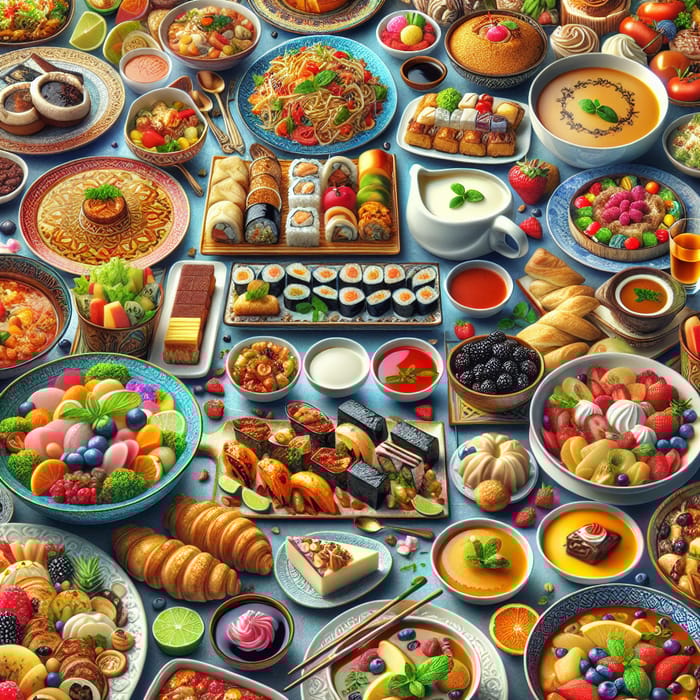
AI is revolutionizing the culinary world by enabling unprecedented exploration of international cuisines. This capability extends beyond simply finding recipes; AI can analyze vast datasets of recipes, identify underlying patterns, and uncover hidden connections between seemingly disparate dishes. This exploration empowers cooks to understand the nuances of international cuisine, fostering appreciation for global culinary traditions and encouraging creativity in the kitchen.AI algorithms can effectively parse and categorize recipes, identifying common ingredients and techniques across various cuisines.
This ability to discern patterns is a significant advancement, enabling cooks to understand how specific flavors and cooking methods are consistently used across different cultures. Furthermore, AI can illuminate the shared culinary heritage and traditions of different regions, which would be difficult to uncover through traditional methods.
Identifying Common Ingredients and Techniques
AI algorithms excel at identifying recurring ingredients and techniques across various cuisines. By analyzing a vast database of recipes, AI can pinpoint ingredients frequently used in specific regions or for particular dishes. For instance, rice is a staple ingredient in numerous Asian cuisines, while tomatoes and basil are prominent in Italian cooking. Similarly, AI can recognize common cooking methods such as stir-frying in Chinese cuisine or braising in French cuisine.
This analysis can lead to the identification of fundamental culinary principles and shared historical influences.
Comparing and Contrasting Recipes
AI can compare and contrast recipes from different regions, highlighting similarities and differences in preparation methods and ingredient usage. This comparison process can reveal how cultures have adapted and modified basic recipes to suit their specific needs and preferences. For example, the same basic rice dish might be prepared differently across Southeast Asia, with variations in spices, vegetables, and protein sources.
By comparing and contrasting these regional variations, AI can shed light on the historical exchange of culinary ideas between different cultures.
Suggesting Substitutions
AI can suggest suitable substitutions for ingredients based on cultural context. This feature is particularly valuable for cooks seeking to adapt recipes to their dietary needs or preferences. For example, if a recipe calls for a specific type of chili pepper that is unavailable or not desired, AI can suggest a similar chili pepper from a different region or an alternative ingredient that achieves a comparable flavor profile.
This feature also caters to allergies or dietary restrictions, suggesting appropriate replacements.
Analyzing Recipes for Hidden Patterns
AI’s ability to analyze recipes extends beyond the surface-level comparison of ingredients and techniques. By identifying hidden patterns in the data, AI can reveal subtle connections between seemingly unrelated dishes. This could involve recognizing the use of specific spices in a particular historical period or identifying the evolution of a dish across different regions. For example, AI might reveal that certain herbs were used as preservatives in older recipes, highlighting an unexpected link between preservation techniques and culinary history.
Steps in AI Recipe Analysis
| Step | Description |
|---|---|
| 1 | Inputting diverse recipes: A vast dataset of recipes from various international cuisines is crucial for the AI to effectively identify patterns and relationships. |
| 2 | Identifying common ingredients and techniques: The AI algorithm analyzes the input data, recognizing recurring ingredients and techniques across different recipes. |
| 3 | Comparing and contrasting recipes: AI compares recipes from different regions, highlighting similarities and differences in preparation methods and ingredient usage. This analysis reveals how cultures have adapted and modified recipes. |
| 4 | Suggesting substitutions: AI can provide suitable ingredient substitutions based on cultural context, dietary restrictions, or availability. |
| 5 | Identifying hidden patterns: AI can analyze data for deeper insights into culinary history, traditions, and cultural influences. |
AI-Generated Fusion Dishes

AI is revolutionizing culinary creativity by enabling the seamless blending of diverse culinary traditions. By analyzing vast datasets of recipes and ingredients, AI can identify surprising and delicious combinations that human chefs might overlook. This innovative approach unlocks a world of new possibilities for fusion cuisine, offering a fresh perspective on global flavors and textures.
Novel Dish Creation
AI can generate novel fusion dishes by combining elements from different culinary traditions. This involves identifying common flavor profiles, contrasting ingredients, and complementary cooking methods across cultures. For example, an AI might suggest combining the savory umami of Japanese miso soup with the spicy heat of Thai curry, resulting in a unique and exciting dish. The AI’s ability to process and analyze large amounts of data allows it to recognize subtle nuances in flavor pairings, resulting in more refined and unexpected combinations.
Flavor Profile Suggestion
AI can suggest flavor profiles that incorporate diverse ingredients, creating harmonious blends. It can identify ingredients that complement each other, creating complex and well-balanced flavor combinations. For instance, an AI might suggest using the tanginess of citrus fruits to balance the spiciness of chili peppers, a common technique in many cuisines. The AI’s analysis of flavor profiles enables it to predict the outcome of various ingredient combinations, resulting in dishes with well-defined and delightful taste profiles.
Unique Ingredient Combinations
AI can recommend unique ingredient combinations for fusion dishes based on its analysis of existing culinary traditions. This includes identifying unusual pairings that might not be readily apparent to human chefs. For example, AI might suggest combining the sweetness of dates with the savory notes of smoked paprika, or the earthy flavors of mushrooms with the subtle acidity of pickled ginger.
The AI’s ability to recognize unexpected culinary synergies leads to the creation of dishes that are both innovative and delicious.
- Spicy chili peppers and sweet mango, combined with coconut milk and ginger.
- Savory parmesan cheese and smoky chipotle peppers, combined with fresh basil and a hint of honey.
- Umami-rich soy sauce and sweet and sour sauce, combined with steamed fish and green beans.
- Fresh coriander and mint, combined with roasted chicken and saffron rice.
AI’s Flavor Profile Analysis
AI analyzes flavor profiles by breaking down ingredients into their constituent components, including taste, aroma, and texture. It then identifies relationships between these components and suggests pairings that create balanced and harmonious flavor profiles. For example, the AI might identify that the sweetness of honey complements the acidity of vinegar and the spiciness of chili peppers, resulting in a balanced flavor combination.
This sophisticated analysis allows the AI to create dishes that are not only delicious but also have a well-defined and enjoyable flavor profile.
Hypothetical Fusion Dish
A hypothetical fusion dish generated by AI combines elements of Thai cuisine and Mediterranean flavors. The dish focuses on a balance of spicy, savory, and tangy flavors. The dish incorporates ingredients like spicy chili peppers, savory mushrooms, and citrus fruits.
- Preparation Step 1: Slice the chili peppers and sauté them in a pan with a touch of oil until softened.
- Preparation Step 2: Sauté the mushrooms with minced garlic until they release their aroma and become tender.
- Preparation Step 3: Juice the citrus fruit and use it as a marinade for the mushrooms and chili peppers, ensuring a balance of flavors.
- Preparation Step 4: Combine the sautéed chili peppers, marinated mushrooms, and citrus juice in a bowl.
- Preparation Step 5: Serve the fusion dish over a bed of rice or quinoa, and garnish with fresh herbs.
Fusion Dish Details
| Ingredient | Preparation Method | Flavor Profile |
|---|---|---|
| Spicy chili peppers | Sliced and sauteed | Spicy, tangy |
| Savory mushrooms | Sautéed with garlic | Earthy, savory |
| Citrus fruit (e.g., lime, lemon) | Juiced and used as a marinade | Sour, refreshing |
| Fresh cilantro | Chopped and sprinkled on top | Fresh, herbaceous |
AI and Culinary Culture Preservation
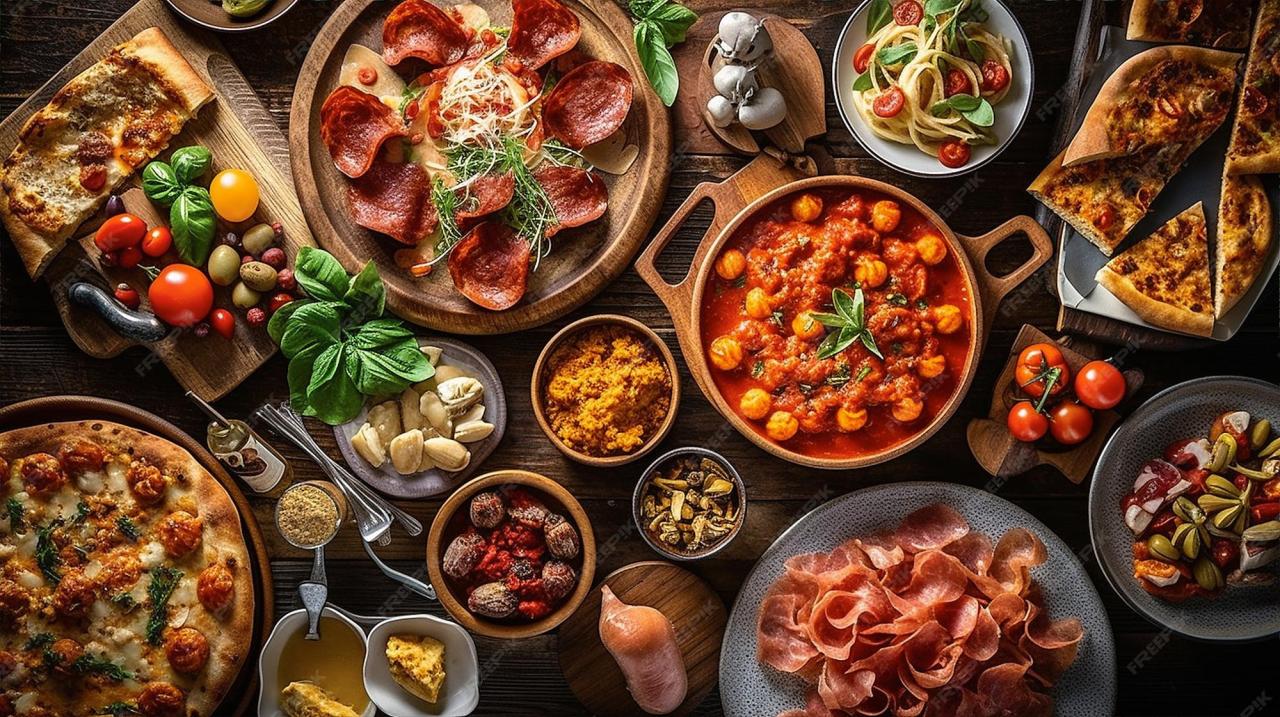
AI possesses the potential to be a powerful ally in safeguarding and promoting the rich tapestry of global culinary traditions. By leveraging its analytical capabilities, AI can translate intricate culinary techniques, illuminate the historical context of dishes, and educate a wider audience about the significance of cultural heritage within food. This preservation effort is not merely about documenting recipes but also about understanding the cultural stories embedded within them.AI’s role in preserving culinary heritage goes beyond simply cataloging recipes.
It can analyze the intricate connections between ingredients, techniques, and cultural practices to provide a deeper understanding of a dish’s origins and significance. This comprehensive approach allows for the preservation of not just the recipes themselves, but also the stories and traditions associated with them.
AI’s Role in Translating and Explaining Traditional Cooking Techniques
AI can facilitate the accessibility of complex culinary techniques by providing detailed, step-by-step instructions, accompanied by visual aids and interactive demonstrations. This translation process can bridge cultural divides, allowing a broader audience to appreciate and engage with diverse culinary practices. Furthermore, AI can provide real-time feedback during the cooking process, helping individuals to refine their skills and ensure accuracy in replicating traditional techniques.
This interactive approach can empower individuals to learn and master these techniques effectively.
AI’s Role in Educating about the Historical Context of Dishes
AI can delve into the historical context of dishes, providing insights into the social, economic, and political factors that shaped their development. This includes tracing the origins of ingredients, exploring the evolution of cooking methods, and analyzing how dishes reflect the historical interactions between different cultures. By linking these historical insights to modern interpretations, AI can create a dynamic learning experience for users.
Example of a Recipe with Cultural Significance
Spicy Korean Japchae (Glass Noodles)
This dish, a staple in Korean cuisine, blends the savory flavors of beef with the satisfying crunch of glass noodles. It represents a unique cultural fusion, combining agricultural ingredients with a history of trade and exchange.
Ingredients:
- 1 lb beef, thinly sliced
- 1 lb glass noodles
- 1/2 cup soy sauce
- 1/4 cup sesame oil
- 2 tbsp gochujang (Korean chili paste)
- 1 tbsp rice wine vinegar
- 1/4 cup chopped green onions
- 1/4 cup chopped scallions
Instructions:
- Cook glass noodles according to package directions. Drain and set aside.
- Marinate beef in soy sauce, sesame oil, and gochujang for at least 30 minutes.
- Stir-fry marinated beef until cooked through.
- Combine cooked noodles and beef with remaining ingredients. Stir well.
- Serve hot, garnished with chopped green onions.
Cultural Significance:Japchae embodies Korean cultural values of balance and harmony, reflecting the careful combination of flavors and textures. The use of glass noodles symbolizes the fragility of life, while the vibrant colors and spicy flavors represent the energy and resilience of the Korean spirit.
AI Analyzing the Cultural Context of a Recipe
AI can analyze a recipe’s cultural context by identifying the origins of ingredients, examining historical documents related to the dish, and comparing it to similar dishes from other cultures. It can also identify patterns in cooking techniques, ingredient combinations, and the historical context to draw connections between recipes. The process involves data mining and natural language processing to interpret textual and visual information, like historical cookbooks, regional recipes, and cultural descriptions.
This detailed analysis provides insights into the cultural significance of the recipe, highlighting its unique characteristics and the historical connections that have shaped it.
Table Outlining Cultural Influences in Japchae
| Culture | Influence on Dish |
|---|---|
| Korean | Use of gochujang, beef, and glass noodles; reflecting Korean culinary traditions and the dish’s cultural significance within Korea. |
| Chinese | Possible influence on noodle-based dishes and cooking techniques; representing historical culinary exchange. |
Challenges and Ethical Considerations

Leveraging AI for international culinary exploration presents exciting possibilities, but also crucial challenges and ethical considerations. While AI can expedite research and inspire new creations, careful consideration of cultural nuances and potential biases is paramount. Responsible development and implementation are essential to ensure accurate representation and avoid unintentional misinterpretations of diverse culinary traditions.AI algorithms, trained on vast datasets, can inadvertently reflect existing societal biases, leading to inaccurate or incomplete portrayals of international cuisines.
This necessitates a critical evaluation of the data used to train these models, and a robust framework for mitigating potential biases.
Potential Biases in AI-Generated Recipes
AI models trained on predominantly Western culinary datasets may inadvertently favor specific ingredients, techniques, or presentation styles, leading to an incomplete or skewed representation of global cuisines. This can result in recipes that overlook essential regional variations and cultural significance, potentially undermining the authenticity of traditional dishes. For example, an AI trained primarily on recipes from North America might undervalue the importance of specific spices or ingredients crucial to South Asian cuisine, producing recipes that lack the nuanced flavor profiles expected.
Cultural Appropriation and Accuracy
The potential for AI to unintentionally perpetuate cultural appropriation is a serious concern. Culinary traditions are deeply intertwined with cultural values and history. AI systems need to be carefully designed to avoid misrepresenting or simplifying these traditions, potentially diminishing their significance. A crucial step involves incorporating diverse perspectives and expertise from various culinary communities during the design and evaluation stages.
Importance of Human Oversight
Human oversight is essential in the process of using AI for culinary research. AI algorithms can provide insights and suggestions, but human expertise is needed to evaluate the cultural context, assess the accuracy of ingredients and techniques, and ensure that the final product accurately reflects the spirit of the original tradition. This collaborative approach, combining AI’s capabilities with human understanding, ensures responsible and accurate representation.
For instance, a team of culinary anthropologists and food historians should scrutinize AI-generated recipes for accuracy, ensuring they reflect authentic cultural practices and avoid misinterpretations.
Responsible Use of AI in International Cuisine
The responsible use of AI in the field of international cuisine demands a commitment to accuracy, cultural sensitivity, and ethical considerations. This includes developing clear guidelines and standards for data collection, algorithm design, and recipe validation. Collaboration between AI developers, culinary experts, and cultural representatives is critical to ensure that AI tools are used to celebrate and preserve diverse culinary traditions rather than diminishing them.
Open dialogue and shared understanding are crucial for responsible innovation in this field.
Conclusive Thoughts
In conclusion, this exploration of AI in international cuisine highlights the potential for innovative culinary creations while acknowledging the importance of ethical considerations and cultural sensitivity. AI offers a powerful tool for unlocking new horizons in the culinary world, allowing us to appreciate the rich tapestry of global flavors in exciting new ways. The future of international cuisine may well be intertwined with the capabilities of AI, promising a dynamic and evolving culinary landscape.