Embark on a transformative journey into the future of personal finance with our comprehensive guide on how to create monthly budgets with AI. This exploration promises an engaging start, unveiling the remarkable capabilities of intelligent systems to revolutionize how you manage your money, offering unexpected insights and practical strategies to navigate your financial landscape with confidence.
We will delve into the foundational role of artificial intelligence in budgeting, detailing how these intelligent systems can streamline financial planning, automate income and expense tracking, and illuminate spending patterns for superior financial management. You’ll discover how to prepare your financial data for AI analysis, select the most suitable AI-powered budgeting tools, and set them up for seamless integration with your existing accounts.
Furthermore, we will guide you through the process of creating your initial AI-assisted monthly budget, establishing spending limits, and setting up vital alerts.
Understanding the Role of Artificial Intelligence in Budgeting

Artificial intelligence (AI) is revolutionizing how individuals and businesses approach financial planning, offering sophisticated tools to manage money more effectively. By leveraging intelligent systems, we can move beyond manual tracking and gain deeper insights into our financial behaviors, leading to more informed decisions and greater financial well-being. This section explores the fundamental ways AI assists in budgeting, the tangible benefits of automated financial tools, and how AI can uncover hidden spending patterns, while also addressing common misconceptions.Intelligent systems, at their core, are designed to process vast amounts of data, identify patterns, and make predictions or recommendations.
In the context of budgeting, this translates to an ability to automate tedious tasks, provide real-time financial oversight, and offer personalized advice that was once only accessible through professional financial advisors. The integration of AI into personal finance tools aims to democratize sophisticated financial management, making it accessible to everyone.
Fundamental Ways Intelligent Systems Assist in Financial Planning
AI’s contribution to financial planning is multifaceted, offering capabilities that significantly enhance traditional budgeting methods. These systems can process transaction data from various sources, categorize expenses automatically, and predict future financial needs based on historical trends. This automation frees up valuable time and reduces the likelihood of human error, which is common in manual financial management. Furthermore, AI can analyze spending habits to suggest areas where savings can be made, optimize investment strategies, and even detect fraudulent activities.
Benefits of Employing Automated Tools for Tracking Income and Expenses
Automated budgeting tools powered by AI offer a streamlined and efficient approach to managing personal finances. The primary advantage is the elimination of manual data entry, which is often time-consuming and prone to mistakes. These tools connect securely to bank accounts, credit cards, and other financial platforms, automatically importing and categorizing transactions. This provides an up-to-the-minute view of one’s financial standing, enabling users to see exactly where their money is going.The benefits extend beyond simple tracking:
- Real-time Visibility: Gain immediate insights into your current financial status, allowing for proactive adjustments.
- Reduced Errors: Minimize the risk of miscalculations and oversights inherent in manual tracking.
- Time Savings: Reclaim hours previously spent on data entry and reconciliation.
- Enhanced Accuracy: Automated categorization ensures a more precise understanding of spending habits.
- Improved Decision-Making: With accurate and up-to-date information, you can make more confident financial choices.
How Intelligent Systems Identify Spending Patterns for Better Financial Management
One of the most powerful aspects of AI in budgeting is its ability to analyze spending patterns with a level of detail and accuracy that is difficult for humans to achieve. By examining transaction history over extended periods, AI algorithms can identify recurring expenses, discretionary spending trends, and areas where spending deviates from established norms. This analysis goes beyond simple categorization; it can reveal the “why” behind spending habits.For instance, an AI system might notice that your spending on dining out increases significantly on weekends, or that subscription services are accumulating without being fully utilized.
Based on these patterns, the AI can offer personalized recommendations.Consider a scenario where an AI analyzes your spending over six months:
- It might identify that you consistently spend 25% of your income on entertainment, which is higher than the recommended guideline of 10-15%.
- The system could then prompt you to review your entertainment subscriptions, suggesting that cancelling two unused services could save you $30 per month.
- It might also highlight an increase in impulse purchases made online during work hours, suggesting strategies to mitigate this, such as disabling certain website access during those times.
This proactive identification of patterns allows for targeted interventions, leading to more effective cost-saving measures and better overall financial control.
Common Misconceptions About Using AI for Personal Finance
Despite the growing capabilities of AI in financial management, several misconceptions persist, which can deter individuals from adopting these powerful tools. Understanding these myths is crucial to appreciating the true value and limitations of AI in personal finance.One common misconception is that AI budgeting tools are overly complex and require a high level of technical expertise to use. In reality, most AI-powered personal finance applications are designed with user-friendliness in mind, featuring intuitive interfaces and straightforward setup processes.
They aim to simplify financial management, not complicate it.Another myth is that AI is infallible and will always make perfect financial decisions. While AI is incredibly powerful, it is a tool, and its effectiveness depends on the quality of data it receives and the algorithms it employs. Human oversight and judgment remain essential. AI can provide insights and recommendations, but the ultimate decisions about spending, saving, and investing rest with the individual.Furthermore, some people believe that AI tools are only for individuals with complex financial situations or high net worth.
This is not the case. AI budgeting tools are beneficial for anyone looking to gain better control over their finances, regardless of their income level or financial complexity. They can help individuals at all stages of life to track expenses, save for goals, and build healthier financial habits.Finally, concerns about data security and privacy are understandable. However, reputable AI financial tools employ robust security measures, including encryption and multi-factor authentication, to protect user data.
It is always advisable to research the security practices of any financial app before connecting your accounts.
Preparing Your Financial Data for Intelligent Analysis
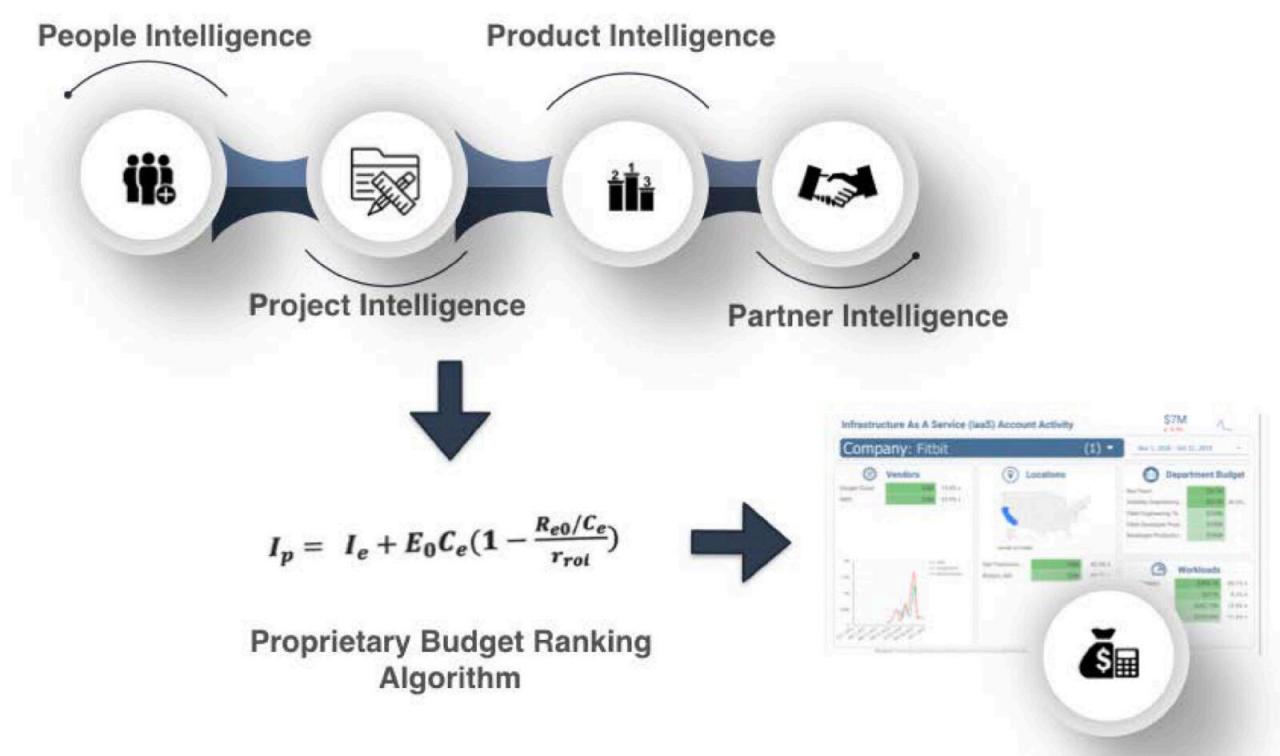
To effectively leverage AI for monthly budgeting, the quality and organization of your financial data are paramount. Artificial intelligence algorithms thrive on accurate, comprehensive, and well-structured information. This section will guide you through the essential steps of preparing your financial data, ensuring that your AI-powered budget is both insightful and actionable. Think of this as laying the foundation for a robust financial management system.The process involves gathering key documents, meticulously categorizing your income streams, detailing your regular outgoings, and identifying your more fluid spending habits.
By diligently completing these preparatory steps, you empower the AI to provide precise analysis and personalized recommendations.
Essential Financial Documents for Input
Before you can begin feeding data into an AI budgeting tool, it’s crucial to have a clear understanding of the types of financial documents you’ll need. These documents serve as the primary sources of information, providing the raw data from which your AI will derive insights. Having these readily available will streamline the data input process and enhance the accuracy of the AI’s analysis.A comprehensive checklist of essential financial documents includes:
- Bank statements (checking and savings accounts)
- Credit card statements
- Pay stubs or income statements
- Loan statements (mortgage, auto loans, student loans, personal loans)
- Investment account statements
- Utility bills (electricity, gas, water, internet, phone)
- Insurance policy documents (health, auto, home, life)
- Receipts for significant purchases or irregular expenses
- Tax returns (for annual income verification and tax-related deductions)
Gathering and Categorizing Income Sources
Understanding your total income is the first critical step in any budgeting process. AI can help identify patterns, but it needs to know the different avenues through which money enters your household. This involves more than just your primary salary; it includes any other regular or irregular income streams.The process of gathering and categorizing income sources should be approached systematically:
- Identify all income streams: List every source of money you receive, no matter how small or infrequent. This might include your primary salary, freelance work, rental income, side hustle earnings, dividends, interest, or government benefits.
- Determine frequency: Note how often each income source is received (e.g., weekly, bi-weekly, monthly, quarterly, annually).
- Calculate net income: For each source, determine the net amount received after taxes and deductions. Pay stubs are invaluable here.
- Categorize: Group similar income sources together. For instance, all freelance income could be under one category, and all investment income under another. This helps the AI understand the stability and nature of your earnings.
For example, if you have a primary job with a net monthly income of $4,000, freelance writing income of $500 per month, and occasional dividends of $100 per quarter, you would list these as separate income categories with their respective net amounts and frequencies.
Compiling a Comprehensive List of Recurring Expenses
Recurring expenses are the predictable, regular payments that form the backbone of your monthly outgoings. AI can efficiently track these, but it requires an accurate initial list. Compiling this list meticulously ensures that the AI has a solid baseline for your expenditure analysis.The steps for compiling a comprehensive list of recurring expenses are as follows:
- Review bank and credit card statements: Go back at least three to six months to identify all regular payments.
- Categorize each expense: Assign each expense to a specific category (e.g., Housing, Transportation, Utilities, Food, Debt Payments, Subscriptions).
- Note the amount and frequency: Record the exact amount paid and how often the payment occurs (e.g., monthly, annually). For annual payments, divide by 12 to get a monthly equivalent for budgeting purposes.
- Include all regular bills: Ensure you don’t miss anything, from mortgage or rent payments to loan installments, insurance premiums, internet bills, streaming service subscriptions, and gym memberships.
For instance, a mortgage payment of $1,500 per month, an auto insurance premium of $120 per month, and a car payment of $300 per month are all recurring expenses that should be clearly documented.
Identifying and Documenting Variable Spending Categories
While recurring expenses are predictable, variable spending represents the portion of your budget that fluctuates from month to month. These are often discretionary and offer the most flexibility for adjustments. AI can help identify trends and areas for potential savings within these categories.The process of identifying and documenting variable spending categories involves:
- Analyze spending patterns: Examine your bank and credit card statements to pinpoint categories where spending varies significantly.
- Create specific categories: Instead of a general “shopping” category, break it down into more granular areas like “Groceries,” “Dining Out,” “Entertainment,” “Clothing,” “Personal Care,” and “Miscellaneous.”
- Track actual spending: For each variable category, record the amount spent over a period (e.g., the last 3-6 months) to establish an average.
- Note the purpose of spending: Briefly document what the spending was for, which can provide context for the AI and for your own understanding.
For example, if your “Dining Out” spending averaged $400 last month but was $600 the month before, this indicates a variable category where you can potentially reduce spending. Similarly, “Groceries” might average $500 but could fluctuate based on sales or specific needs.
Template for a Basic Financial Data Spreadsheet
A well-structured spreadsheet is an excellent tool for organizing your financial data before inputting it into an AI budgeting system. This template provides a clear format for capturing all the essential information discussed. You can adapt this template to your specific needs and then use it to populate your AI budgeting tool.Here is a template for a basic financial data spreadsheet:
| Category Type | Specific Category | Source/Payee | Amount (Net) | Frequency | Notes/Purpose |
|---|---|---|---|---|---|
| Income | Primary Salary | Employer Name | [Enter Net Monthly Salary] | Monthly | Regular employment income. |
| Income | Freelance Work | Client A, Client B | [Enter Average Monthly Income] | Variable (Monthly Average) | Income from contract projects. |
| Recurring Expense | Mortgage/Rent | Bank/Landlord | [Enter Monthly Payment] | Monthly | Primary housing cost. |
| Recurring Expense | Utilities (Electricity) | Utility Company | [Enter Average Monthly Bill] | Monthly | Electricity consumption. |
| Variable Expense | Groceries | Supermarket Name | [Enter Average Monthly Spend] | Monthly Average | Food and household essentials. |
| Variable Expense | Dining Out | Restaurants, Cafes | [Enter Average Monthly Spend] | Monthly Average | Meals consumed outside the home. |
| Debt Payment | Student Loan | Loan Servicer | [Enter Monthly Payment] | Monthly | Repayment of educational loans. |
| Savings/Investment | Emergency Fund Contribution | Savings Account | [Enter Monthly Contribution] | Monthly | Building financial resilience. |
By diligently filling out this spreadsheet with your personal financial details, you create a structured dataset that the AI can readily interpret. This preparation is key to unlocking the full potential of AI in managing your monthly budget.
Selecting and Implementing AI-Powered Budgeting Tools

The landscape of personal finance management has been significantly transformed by artificial intelligence, offering sophisticated tools to streamline and enhance the budgeting process. These AI-powered applications move beyond traditional spreadsheets, providing dynamic insights and automated assistance. Choosing the right tool is crucial for maximizing these benefits and ensuring a smooth integration into your financial routine.This section will guide you through the process of identifying and implementing an AI budgeting solution that best suits your needs, from understanding the available options to ensuring the security of your sensitive financial information.
Types of AI-Driven Budgeting Applications
The market offers a variety of AI-powered budgeting applications, each with a slightly different approach to financial management. Understanding these distinctions will help you pinpoint the most suitable option.
- Automated Budgeting Apps: These applications focus on automatically categorizing transactions, tracking spending, and projecting future cash flows based on your historical financial behavior. They often integrate directly with your bank accounts and credit cards.
- AI-Powered Financial Advisors: More comprehensive than simple budgeting apps, these tools offer personalized financial advice, investment recommendations, and long-term financial planning alongside budgeting features. They aim to provide a holistic view of your financial health.
- Expense Tracking and Analysis Tools: While not always full-fledged budgeting platforms, these tools leverage AI to provide deep insights into spending patterns, identify potential savings opportunities, and flag unusual transactions. They are excellent for granular expense management.
- Goal-Oriented Budgeting Platforms: These applications use AI to help users set and achieve specific financial goals, such as saving for a down payment, paying off debt, or planning for retirement. The AI helps in creating realistic timelines and actionable steps.
Features to Look for in an Intelligent Budgeting Assistant
When evaluating AI budgeting tools, certain features stand out as essential for an effective and user-friendly experience. These capabilities ensure the AI truly acts as an intelligent assistant, providing value beyond basic tracking.
A robust AI budgeting assistant should offer a combination of automation, insightful analysis, and proactive guidance. Key features to consider include:
- Automatic Transaction Categorization: The AI should accurately and automatically categorize your income and expenses, learning your habits over time to improve precision.
- Predictive Forecasting: The ability to predict future account balances, upcoming bills, and potential shortfalls based on your spending patterns and income.
- Personalized Insights and Recommendations: AI that can identify spending trends, suggest areas for potential savings, and offer tailored advice to improve your financial habits.
- Goal Setting and Tracking: Tools that allow you to set financial goals and provide AI-driven guidance on how to achieve them, including progress monitoring.
- Bill Payment Reminders and Management: Automated alerts for upcoming bills and the ability to manage or even automate payments to avoid late fees.
- Customizable Budgeting Categories: Flexibility to create and adjust budget categories to match your unique spending and financial priorities.
- Security Features: Strong encryption, multi-factor authentication, and clear data privacy policies are paramount for protecting your financial information.
Step-by-Step Guide for Setting Up a Chosen AI Budgeting Platform
Once you have selected an AI budgeting tool, a structured approach to setup will ensure you harness its full potential from the outset. This process typically involves linking your accounts, configuring your budget, and customizing settings to align with your personal financial situation.
- Account Creation and Profile Setup: Begin by creating an account with the chosen platform. This usually involves providing basic personal information and setting up a secure password.
- Linking Financial Accounts: This is a critical step where you connect your bank accounts, credit cards, investment accounts, and loan accounts to the AI platform. Most reputable tools use secure, encrypted connections through APIs provided by financial institutions. Follow the on-screen prompts carefully, which may involve logging into your bank’s online portal.
- Initial Data Import and Synchronization: After linking accounts, the AI will import your historical transaction data. This process can take a few minutes to several hours, depending on the volume of data and the platform’s capabilities.
- Review and Categorize Transactions: The AI will attempt to automatically categorize your imported transactions. It is essential to review these categorizations for accuracy. Correct any miscategorized items; the AI will learn from your corrections.
- Set Up Your Budget: Based on your historical spending and income, the AI will likely suggest a starting budget. You can then customize these budget categories and amounts to reflect your financial goals and current spending habits.
- Configure Notifications and Alerts: Set up preferences for notifications regarding bill payments, budget overages, unusual spending, or goal progress.
- Explore Advanced Features: Familiarize yourself with other features such as goal setting, debt management tools, investment tracking, or personalized financial insights.
- Regular Review and Adjustment: Periodically review your budget, spending patterns, and the AI’s recommendations. Adjust your budget and settings as your financial situation or goals change.
Importance of Data Privacy and Security When Using Such Tools
When entrusting your financial data to an AI budgeting tool, prioritizing data privacy and security is of utmost importance. These platforms handle highly sensitive information, and robust safeguards are essential to protect you from potential breaches and misuse.
The security measures implemented by an AI budgeting tool directly impact your financial safety. Reputable platforms employ multiple layers of protection to ensure your data remains confidential and secure. These typically include:
- End-to-End Encryption: Your data is encrypted both in transit (when it’s sent between your device and the platform’s servers) and at rest (when it’s stored on the servers). This makes it unreadable to unauthorized parties.
- Secure Authentication Methods: Multi-factor authentication (MFA), which requires more than just a password to log in (e.g., a code from your phone), significantly reduces the risk of unauthorized access.
- Compliance with Regulations: Look for tools that comply with relevant data protection regulations, such as GDPR (General Data Protection Regulation) or CCPA (California Consumer Privacy Act), which Artikel strict rules for handling personal data.
- Clear Privacy Policies: A transparent privacy policy should clearly explain what data is collected, how it is used, who it is shared with (if anyone), and your rights regarding your data.
- Regular Security Audits: Reputable companies often undergo regular independent security audits to identify and address potential vulnerabilities.
It is also crucial for users to practice good digital hygiene, such as using strong, unique passwords for their budgeting app and enabling MFA whenever possible.
Tips for Integrating an AI Budgeting Tool with Existing Financial Accounts
Seamlessly integrating an AI budgeting tool with your existing financial accounts is key to unlocking its full potential for automated tracking and insightful analysis. This process requires careful attention to security and accuracy.
To ensure a smooth and effective integration, consider the following practical tips:
- Start with Core Accounts: Begin by linking your primary checking and savings accounts, along with your most frequently used credit cards. This provides the AI with the most significant data points for initial analysis.
- Use the Official Linking Method: Always use the secure linking mechanism provided by the budgeting app, which typically involves direct integration with your bank’s online portal or a trusted third-party aggregator. Avoid manual data entry or less secure methods.
- Verify Account Balances: After linking, cross-reference the balances shown in the budgeting app with your actual bank statements to ensure accuracy. Address any discrepancies immediately.
- Allow Time for Synchronization: It can take some time for all transactions to sync and for the AI to categorize them accurately. Be patient during the initial setup phase.
- Regularly Review Linked Accounts: Periodically check that all your intended financial accounts are still linked and syncing correctly. Re-authenticate if prompted by the app.
- Understand Data Refresh Rates: Be aware of how often the AI tool refreshes data from your accounts. Some update daily, while others may take longer. This affects the real-time accuracy of your budget.
- Secure Your Credentials: Never share your online banking login credentials with anyone, including the budgeting app provider (beyond the secure linking process). The app should never ask for your password directly outside of the official linking flow.
Creating Your First Monthly Budget with AI Assistance
Embarking on your budgeting journey with AI can transform a potentially daunting task into an insightful and manageable process. By leveraging artificial intelligence, you can gain a clearer understanding of your financial landscape and make informed decisions about your spending and saving habits. This section will guide you through the practical steps of setting up your initial monthly budget with the aid of intelligent tools.The power of AI in budgeting lies in its ability to process vast amounts of your financial data and provide personalized recommendations.
It moves beyond generic advice to offer actionable insights tailored to your unique circumstances, making the budgeting process more effective and less overwhelming.
Inputting Initial Financial Goals
To begin creating your AI-assisted budget, the first crucial step is to clearly define and input your financial objectives into the budgeting tool. This involves articulating what you aim to achieve with your money over the short, medium, and long term. These goals will serve as the guiding principles for your budget, ensuring that your spending aligns with your aspirations.Your financial goals can encompass a wide range of aspirations, such as:
- Saving for a down payment on a house
- Paying off outstanding debts
- Building an emergency fund
- Investing for retirement
- Funding a vacation
- Saving for a child’s education
When inputting these goals, be as specific as possible. For instance, instead of “save money,” aim for “save $5,000 for an emergency fund within 12 months.” The AI can then help break down these larger goals into smaller, actionable monthly targets.
AI-Suggested Budget Allocations Based on Historical Data
Once your financial goals are set, the AI system will analyze your past financial behavior, drawing from your linked bank accounts, credit cards, and other financial platforms. This historical data provides a realistic snapshot of your spending patterns, income streams, and savings habits. The AI then uses this information to suggest a preliminary budget allocation.The system identifies your typical spending in various categories, such as groceries, entertainment, utilities, and transportation.
It can highlight areas where you might be overspending relative to your goals or identify opportunities to reallocate funds more effectively. For example, if your historical data shows consistent spending on dining out that deviates from your savings goals, the AI might suggest a reduction in that category and a corresponding increase in your savings allocation.
The AI’s ability to learn from your past spending is a key advantage, providing a data-driven foundation for your budget rather than relying on guesswork.
Organizing Spending Limits for Various Categories
With the AI’s initial recommendations in hand, you can now refine and organize spending limits for each budget category. This involves setting realistic ceilings for how much you intend to spend in specific areas each month. The AI can assist in this process by suggesting optimal limits based on your income, expenses, and financial goals.You will typically interact with a user interface that allows you to adjust these suggested limits.
For instance, if the AI suggests a $300 entertainment budget but you feel that’s too restrictive given your lifestyle, you can propose an adjustment. The AI can then help you understand the implications of this change on your other financial goals.A sample structure for organizing spending limits might look like this:
| Category | AI Suggested Limit | Your Adjusted Limit | Notes |
|---|---|---|---|
| Housing (Rent/Mortgage) | $1,200 | $1,200 | Fixed expense |
| Utilities | $250 | $275 | Slight increase for potential seasonal changes |
| Groceries | $400 | $380 | Aiming to reduce impulse buys |
| Transportation | $150 | $150 | Based on average fuel and maintenance costs |
| Entertainment | $200 | $250 | Allocating more for social activities |
| Savings (Emergency Fund) | $500 | $450 | Adjusted to accommodate entertainment increase, still aiming for goal |
| Debt Repayment | $300 | $300 | Minimum payment plus extra |
Setting Up Alerts for Overspending or Upcoming Bills
A powerful feature of AI-powered budgeting tools is their ability to proactively notify you about potential financial issues. Setting up alerts ensures you stay on track and avoid unexpected financial stress. These alerts can be configured to warn you when you are approaching or exceeding a spending limit in a particular category, or to remind you of upcoming bill due dates.These notifications can be delivered via email, push notifications on your mobile device, or within the budgeting application itself.
For example, if you’ve set a $400 grocery budget and have already spent $350, the AI can send an alert, giving you an opportunity to adjust your spending for the remainder of the month. Similarly, an alert for an upcoming rent payment can prevent late fees and maintain your credit score.
Sample Monthly Budget Structure Using AI-Generated Recommendations
To illustrate how an AI-generated monthly budget might look, consider the following sample structure. This example assumes a hypothetical income and incorporates AI recommendations based on typical spending patterns and financial goals. Monthly Income: $4,000 AI-Recommended Budget Allocation:
- Housing: $1,200 (30% of income)
-AI identifies this as a fixed cost based on your lease/mortgage. - Utilities: $250 (6.25% of income)
-AI analyzes past utility bills to predict average monthly cost. - Groceries: $380 (9.5% of income)
-AI suggests this based on historical grocery spending, with a slight reduction target. - Transportation: $150 (3.75% of income)
-AI calculates based on average fuel consumption and car maintenance. - Entertainment: $250 (6.25% of income)
-AI proposes this limit, allowing for leisure activities while staying within overall goals. - Personal Care: $100 (2.5% of income)
-AI estimates based on past spending on toiletries, haircuts, etc. - Savings (Emergency Fund): $450 (11.25% of income)
-AI prioritizes a significant portion towards your savings goal. - Debt Repayment: $300 (7.5% of income)
-AI allocates for your loan or credit card payments. - Miscellaneous: $920 (23% of income)
-This category captures smaller, less predictable expenses, with the AI highlighting it as an area for potential savings if actual spending is lower.
This sample structure demonstrates how AI can help create a balanced budget that addresses essential expenses, savings goals, and discretionary spending. The AI’s role is to provide a data-informed starting point, allowing you to make adjustments that best suit your personal circumstances and financial aspirations.
Ongoing Budget Management and Optimization with AI
Congratulations on creating your first AI-assisted monthly budget! This is a significant step towards achieving financial clarity and control. However, the budgeting process doesn’t end with the initial setup. Ongoing management and optimization are crucial for ensuring your budget remains a dynamic and effective tool. Artificial intelligence excels in this area, transforming budget maintenance from a chore into an intelligent, proactive strategy.AI-powered budgeting tools can continuously monitor your spending, identify trends, and offer actionable insights that traditional methods might miss.
By leveraging these capabilities, you can move beyond simply tracking expenses to actively optimizing your financial health, adapting to changing circumstances, and making informed decisions that align with your long-term goals.
Reviewing and Adjusting Budget Allocations Based on Monthly Performance
Regularly reviewing your budget against actual spending is fundamental to its success. AI can significantly streamline this process by highlighting discrepancies and providing clear visualizations of where your money is going. This allows for timely adjustments to ensure your budget remains realistic and achievable.AI systems can identify spending patterns that deviate from your initial plan. For instance, if your “Dining Out” category consistently exceeds its allocated amount, the AI can flag this trend early in the month, prompting you to either reduce spending in that area or reallocate funds from less critical categories.
Conversely, if you consistently underspend in certain areas, the AI can suggest reallocating those surplus funds towards savings or debt repayment goals.Consider the following strategies for effective review and adjustment:
- Automated Variance Analysis: AI tools automatically compare your budgeted amounts with actual expenditures for each category. They highlight significant variances, both positive and negative, making it easy to pinpoint areas needing attention.
- Performance Dashboards: Visualize your monthly performance through intuitive dashboards. These often include charts and graphs that clearly illustrate spending trends, budget adherence, and areas of over/under spending.
- Proactive Alerts: Set up alerts for nearing or exceeding budget limits in specific categories. This allows for immediate intervention rather than discovering overspending at the end of the month.
- Scenario Planning: Some advanced AI tools can simulate the impact of potential adjustments. For example, “If I reduce my entertainment budget by $100, how does that affect my savings goal for this month?”
Predicting Future Financial Needs with Intelligent Systems
One of the most powerful aspects of AI in budgeting is its ability to forecast future financial requirements. By analyzing historical data, spending habits, and even external factors like inflation or seasonal trends, AI can predict your financial needs with remarkable accuracy. This foresight allows for better planning and reduces the likelihood of unexpected shortfalls.For example, an AI might analyze your past utility bills, noting seasonal increases in heating or cooling costs.
It could then predict a higher expense for these categories in the upcoming winter months, prompting you to adjust your budget accordingly. Similarly, if the AI observes a pattern of increased spending on gifts around holidays, it can proactively allocate funds for these events months in advance.AI’s predictive capabilities extend to:
- Forecasting Recurring Expenses: Predicting future costs for subscriptions, insurance premiums, or loan payments, even as they might increase over time due to inflation or policy changes.
- Anticipating Irregular Expenses: Identifying potential future needs for car maintenance, medical appointments, or home repairs based on historical patterns and the age of assets.
- Modeling Income Fluctuations: For those with variable income, AI can analyze past income patterns to predict potential revenue for upcoming periods, aiding in more stable budgeting.
- Projecting Savings Growth: Estimating how quickly you can reach savings goals based on current contributions and potential investment returns.
For instance, a young family might use AI to predict the rising costs of childcare and education over the next five years, allowing them to adjust their savings strategy proactively.
Strategies for Using AI Insights to Reduce Debt or Increase Savings
AI-generated insights provide a clear roadmap for accelerating debt reduction and boosting savings. By identifying opportunities to cut expenses and reallocate funds, AI empowers you to make more impactful financial decisions.The intelligence systems can pinpoint areas where you are spending more than necessary. For example, an AI might notice that you are paying significant interest on credit card debt while also maintaining a substantial balance in a low-yield savings account.
It can then recommend prioritizing debt repayment by redirecting funds from the savings account or by identifying specific discretionary spending categories that can be reduced to free up cash for accelerated debt payments.Here are effective strategies:
- Debt Prioritization Recommendations: AI can analyze your various debts (credit cards, loans) and suggest the most efficient repayment strategy, such as the snowball or avalanche method, by calculating interest savings.
- Identifying “Found Money”: AI can identify small, recurring expenses that, when aggregated, represent a significant amount. It can then suggest reallocating this “found money” directly to debt repayment or savings. For example, a daily $5 coffee purchase, totaling $150 per month, could be redirected.
- Optimizing Savings Allocation: Based on your goals (emergency fund, down payment, retirement), AI can recommend how to best allocate your savings, potentially suggesting higher-yield investment options or automated transfers to specific savings buckets.
- Behavioral Nudges: Some AI tools can provide personalized nudges and motivational messages to encourage consistent saving or debt repayment, reinforcing positive financial behaviors.
Imagine an AI analyzing your spending and suggesting that by reducing your monthly subscription services by $50, you could pay an extra $600 towards your credit card debt annually, saving you a considerable amount in interest over time.
Methods for Fine-Tuning Budget Categories for Greater Accuracy
As you gain more experience with your AI-powered budget, you’ll likely identify opportunities to refine your categories for even greater accuracy and relevance. AI can assist in this process by analyzing spending patterns within broader categories and suggesting more granular sub-categories.For example, if your “Groceries” category is consistently large, an AI might analyze the individual transactions within it and suggest creating sub-categories like “Fresh Produce,” “Pantry Staples,” “Meat & Poultry,” and “Prepared Meals.” This level of detail allows for a much more nuanced understanding of your spending habits and helps in identifying specific areas for potential savings.Methods for fine-tuning include:
- Granular Spending Analysis: AI can dissect spending within broad categories, identifying distinct types of purchases that warrant their own tracking.
- Dynamic Category Suggestions: Based on your transaction history, AI can proactively suggest new or modified categories that better reflect your actual spending.
- Personalized Tagging: Many AI tools allow for custom tagging of transactions, enabling you to create highly personalized categories that align with your unique lifestyle and financial priorities.
- Trend Identification within Categories: AI can identify subtle shifts in spending within a category over time, which might indicate a need for a new sub-category or a re-evaluation of the existing one.
For instance, an AI might notice a consistent increase in spending on “Online Subscriptions” within a broader “Entertainment” category, prompting the creation of a dedicated sub-category to better monitor these recurring costs.
Designing a Process for Periodically Re-evaluating Financial Goals with AI Support
Financial goals are not static; they evolve with life changes, career advancements, and personal aspirations. AI can be an invaluable partner in periodically re-evaluating these goals, ensuring your budget remains aligned with your long-term vision.AI can help by projecting the feasibility of your current goals based on your income, expenses, and savings rate. If you set a goal to buy a house in five years, the AI can calculate if your current savings trajectory is on track.
If not, it can suggest adjustments to your budget or savings plan to help you reach that goal. Furthermore, as your income or life circumstances change, the AI can help you recalibrate your goals and the strategies to achieve them.A structured process for re-evaluation might include:
- Goal Projection and Feasibility Analysis: AI can model the long-term impact of your current financial behavior on your stated goals, indicating whether you are on track or need to make changes.
- Scenario Modeling for Goal Adjustment: Explore different scenarios, such as increasing income, reducing expenses, or adjusting timelines, to see how they affect your ability to achieve specific goals.
- Automated Reminders for Review: Schedule periodic check-ins (e.g., quarterly or annually) where the AI prompts you to review and update your financial goals.
- AI-Driven Goal Refinement: Based on your evolving financial situation and life events, AI can suggest adjustments to existing goals or recommend new ones that align with your updated priorities.
Consider a scenario where you initially set a goal to retire at age 65. After a promotion, an AI could help you re-evaluate this goal, projecting that you might now be able to retire at 62 if you increase your retirement savings contributions by 5% and allocate an additional $200 per month towards investments.
Advanced Budgeting Techniques and Future Trends

As we’ve explored the fundamentals of AI-assisted budgeting, it’s time to look ahead. Artificial intelligence is not just a tool for current month-to-month management; it’s a powerful engine for sophisticated financial planning and a glimpse into the future of personal finance. This section delves into how AI can elevate your financial strategy beyond immediate needs, paving the way for long-term prosperity and seamless integration with your digital life.AI’s capabilities extend far beyond simply tracking expenses.
It can analyze vast datasets, identify subtle patterns, and project future financial scenarios with remarkable accuracy. This allows for more informed decision-making, proactive wealth building, and a more holistic approach to personal financial management.
Long-Term Financial Forecasting and Investment Planning
AI algorithms can process historical financial data, market trends, economic indicators, and even your personal spending habits to generate sophisticated long-term financial forecasts. This enables proactive planning for major life events such as retirement, education funding, or purchasing a home. AI can also analyze investment portfolios, assess risk tolerance, and suggest diversified investment strategies tailored to your specific goals and market conditions.
For instance, AI-powered robo-advisors are already providing personalized investment recommendations, optimizing asset allocation based on real-time market data and individual financial profiles.
AI’s predictive analytics can transform financial planning from reactive to proactive, enabling individuals to achieve long-term goals with greater certainty.
Identifying Opportunities for Income Generation
Beyond managing expenses, AI can actively identify potential avenues for increasing income. By analyzing your skills, available time, and market demand, AI can suggest freelance opportunities, side hustles, or even potential career shifts. It can also monitor market trends for profitable investment opportunities or suggest ways to monetize existing assets, such as renting out a spare room or car. For example, platforms are emerging that use AI to match individuals with relevant gig economy jobs based on their profiles and local demand.
Integration with Smart Home and Personal Management Systems
The future of personal finance is interconnected. AI budgeting tools are increasingly integrating with other smart devices and personal management systems to create a seamless financial ecosystem. Imagine your smart refrigerator tracking grocery inventory and automatically updating your budget, or your smart assistant alerting you to upcoming bill payments based on your calendar and financial standing. This level of integration automates many mundane tasks, reduces the likelihood of errors, and provides a more comprehensive view of your financial health in relation to your daily life.
For instance, some smart home platforms are beginning to offer energy consumption monitoring that directly links to utility bill projections within a budgeting app.
Emerging Technologies Revolutionizing Personal Finance
Several emerging technologies are poised to further revolutionize personal finance management, with AI at their core. Blockchain technology offers enhanced security and transparency for financial transactions, potentially reducing fees and streamlining cross-border payments. The continued development of Natural Language Processing (NLP) will allow for even more intuitive interactions with financial AI, enabling users to manage their finances through simple voice commands or text messages.
Furthermore, advancements in predictive analytics will lead to hyper-personalized financial advice and proactive risk management, anticipating financial challenges before they arise.
Conceptual Overview of a Fully Automated Financial Ecosystem
A fully automated financial ecosystem, powered by AI, would represent the pinnacle of personal finance management. In this envisioned future, AI would continuously monitor income, expenses, investments, and savings in real-time. It would automatically allocate funds towards savings goals, pay bills, manage investments based on pre-defined parameters and market analysis, and proactively identify and alert users to potential financial opportunities or risks.
This ecosystem would learn and adapt to your financial behavior and life events, offering personalized insights and automated actions to optimize your financial well-being with minimal human intervention. Think of it as a sophisticated, AI-driven financial concierge working 24/7 to ensure your financial goals are met.
Outcome Summary
![14 best AI budgeting tools and software [2024 review]](https://teknopixel.web.id/wp-content/uploads/2025/09/How-to-Make-Money-With-AI-Using-AI-Tools-2023-Definitive-Guide.png "14 best AI budgeting tools and software [2024 review]")
As we conclude our exploration, it’s clear that embracing AI for budgeting is not just about efficiency; it’s about empowerment. By leveraging intelligent systems, you can move beyond simple tracking to proactive financial optimization, debt reduction, and accelerated savings. This guide has equipped you with the knowledge to not only create but also continuously refine your monthly budgets, paving the way for long-term financial well-being and unlocking advanced techniques that promise an even more automated and insightful financial future.