As how to create packing lists with ai takes center stage, this opening passage beckons readers into a world crafted with good knowledge, ensuring a reading experience that is both absorbing and distinctly original. We will explore the fundamental concepts, delve into the diverse methodologies AI employs for generating these lists, and understand the crucial role of data in its learning process.
Furthermore, we will examine how AI structures these lists for optimal clarity, explore its potential to enhance functionality with dynamic features, and showcase its practical applications across various travel scenarios.
This comprehensive guide will illuminate the user interaction and customization aspects, alongside methods for visualizing packing recommendations effectively. By understanding these facets, you will be well-equipped to leverage artificial intelligence for a more streamlined and personalized packing experience, transforming a potentially tedious task into an efficient and insightful endeavor.
Understanding the Core Concept
The fundamental idea behind using artificial intelligence to generate packing recommendations involves leveraging sophisticated algorithms to analyze various factors and suggest the most appropriate items to pack for a trip. Instead of manually compiling lists based on past experiences or generic templates, AI systems can dynamically create personalized and optimized packing suggestions. This approach transforms a often tedious and time-consuming task into an efficient and intelligent process.Intelligent systems excel at processing large datasets and identifying complex patterns.
When applied to packing, this means an AI can consider a multitude of variables, from the destination’s climate to the duration of the stay and even the traveler’s planned activities. This ability to synthesize diverse information allows for a level of personalization that traditional methods struggle to achieve, leading to more accurate and relevant packing lists.The potential time-saving advantages of employing AI for packing list creation are significant.
Travelers can bypass the often lengthy process of brainstorming, researching, and organizing items. By simply inputting a few key details, an AI can generate a comprehensive list in seconds, freeing up valuable time that can be dedicated to other aspects of trip planning or leisure.To create effective packing lists, an AI system would typically require a range of information. This data acts as the input for the AI’s algorithms, enabling it to make informed recommendations.
The more detailed and accurate the information provided, the more tailored and useful the resulting packing list will be.
Information Required by AI Packing Systems
An AI system needs specific data points to generate a truly effective and personalized packing list. These inputs allow the AI to understand the context of the trip and the traveler’s needs. The following categories represent the key information an AI would require:
- Destination Details: This includes the geographical location, which helps the AI determine climate, local customs, and potential essential items specific to that region. For example, packing for a tropical beach destination will differ significantly from a winter city break.
- Travel Dates and Duration: The length of the trip directly influences the quantity of clothing and toiletries needed. Longer trips will naturally require more items than a short weekend getaway.
- Planned Activities: Knowing the traveler’s itinerary is crucial. For instance, a trip focused on hiking will necessitate different gear than one involving business meetings or attending formal events. This could include specific attire for sports, outdoor adventures, or professional engagements.
- Accommodation Type: The type of lodging can impact what needs to be packed. Staying in a hotel might mean less need for toiletries or towels compared to a self-catering Airbnb or camping.
- Traveler Preferences and Needs: This encompasses personal requirements such as dietary restrictions (which might influence packing snacks), medical needs (medications, first-aid supplies), or specific comfort items.
- Weather Forecast: While destination details provide a general climate, a real-time or predicted weather forecast for the specific travel dates allows for highly accurate clothing recommendations, such as packing rain gear or extra layers.
- Luggage Restrictions: Understanding airline or other transportation luggage limitations (size, weight, prohibited items) is essential for creating a practical list that adheres to regulations.
Benefits of AI-Powered Packing
The integration of artificial intelligence into the packing process offers several compelling advantages over traditional methods. These benefits stem from the AI’s ability to process information efficiently and adapt to individual circumstances.
- Personalization: AI can tailor packing lists to an individual’s specific trip details, unlike generic templates. This ensures that only relevant items are suggested, reducing the likelihood of overpacking or forgetting essentials.
- Optimization: By analyzing factors like weather and activities, AI can suggest the most efficient combination of items, minimizing redundancy and maximizing versatility. For example, it might suggest versatile clothing items that can be layered or worn for multiple occasions.
- Accuracy: AI algorithms can access and process vast amounts of data, including up-to-date weather patterns and destination-specific information, leading to more accurate recommendations than manual research alone.
- Reduced Stress: Automating the packing list creation process alleviates a significant source of pre-travel anxiety. Knowing that a comprehensive and well-considered list has been generated can lead to a more relaxed travel experience.
- Discovery of New Items: AI might suggest items that a traveler hasn’t previously considered but are highly relevant to their trip, enhancing preparedness.
AI’s Role in Time-Saving
The most immediate and tangible benefit of using AI for packing lists is the significant reduction in time investment. Manually creating a packing list can be a laborious endeavor, involving brainstorming, cross-referencing with travel guides, and checking against previous trips. AI streamlines this entire workflow.For instance, a traveler planning a two-week international trip might spend several hours researching destinations, weather, and required items.
An AI system, upon receiving the same trip parameters, can generate a detailed and personalized packing list within minutes. This efficiency allows travelers to reallocate their time towards more enjoyable or critical aspects of their travel preparations, such as booking excursions, learning a few local phrases, or simply relaxing before their journey. This saved time translates directly into a more efficient and less stressful pre-travel experience.
AI-Powered Packing List Generation Methods
Artificial intelligence offers sophisticated and dynamic ways to create packing lists, moving beyond static templates to provide highly relevant and personalized suggestions. These methods leverage various AI techniques to understand user needs and contextual information, ensuring travelers are well-prepared for any trip.The core of AI-powered packing list generation lies in its ability to process diverse data points and make intelligent inferences.
This allows for a level of customization and foresight that traditional methods simply cannot match. By analyzing multiple factors, AI can adapt its recommendations to specific scenarios, making the packing process more efficient and less prone to oversight.
Approaches to AI Packing List Generation
AI employs several distinct strategies to construct packing lists, each with its unique strengths in understanding and responding to user requirements. These approaches enable the creation of comprehensive and tailored lists.
- Rule-Based Systems: These systems use predefined rules and logic to generate lists. For example, a rule might state: “If destination is tropical, include sunscreen and swimwear.” While effective for common scenarios, they can be rigid.
- Machine Learning Models: These models learn from vast datasets of past packing lists, travel itineraries, and weather patterns. They can identify complex correlations and predict optimal items based on learned patterns. This allows for more nuanced and adaptive suggestions.
- Natural Language Processing (NLP): NLP enables AI to understand user input in natural language, such as “I’m going hiking in the mountains for a week in October.” The AI can then parse this information to extract key details like activity, duration, and season.
- Collaborative Filtering: Similar to recommendation engines on e-commerce sites, this method suggests items based on what similar travelers have packed for similar trips. If many people going to a specific ski resort in winter pack thermal base layers, the AI might recommend them.
Considering Trip Variables
Effective AI packing list generators excel at incorporating critical trip variables to ensure the generated list is highly relevant. This involves analyzing destination, duration, and planned activities to tailor recommendations precisely.
Destination Analysis
The AI considers geographical and climatic factors associated with the destination.
- Climate and Weather: AI accesses real-time and historical weather data for the destination. For instance, a trip to Reykjavik in January will trigger recommendations for heavy-duty parkas, thermal gloves, and waterproof boots, while a trip to Singapore in July will suggest lightweight, breathable clothing and rain gear for monsoon season.
- Cultural Norms: For destinations with specific cultural dress codes, AI can suggest appropriate attire. A trip to Saudi Arabia might prompt recommendations for modest clothing covering shoulders and knees, whereas a beach resort in Bali might not.
- Terrain and Environment: The AI can infer needs based on the environment. A trip to a desert might prompt recommendations for sun protection, a wide-brimmed hat, and lip balm, while a jungle trek would suggest insect repellent, long-sleeved shirts, and sturdy hiking boots.
Duration and Itinerary Integration
The length of the trip and the planned activities are crucial inputs for the AI.
- Duration: A longer trip generally requires more clothing and toiletries. For a two-week trip, the AI might suggest packing enough underwear for 10-14 days, whereas a weekend getaway might only prompt for 3-4 pairs.
- Activity-Specific Needs: The AI can identify and recommend items based on planned activities. For a hiking trip, it will suggest hiking boots, moisture-wicking socks, and a backpack. For a business trip, it will recommend professional attire, a laptop, and chargers. For a beach vacation, it will suggest swimwear, a beach towel, and sunglasses.
- Travel Style: The AI can also infer needs based on travel style. A backpacking trip might emphasize lightweight, multi-functional items, while a luxury cruise might suggest more formal wear.
Personalizing Suggestions with User Preferences
Beyond trip specifics, AI can significantly enhance packing lists by learning and adapting to individual user preferences, past travel experiences, and even personal habits. This personalization transforms a generic list into a truly bespoke one.
- Past Travel History: The AI can analyze previous packing lists generated for the user or items they frequently pack. If a user consistently forgets a phone charger, the AI might proactively add it to future lists.
- Dietary Restrictions and Health Needs: For travelers with specific dietary needs or medical conditions, AI can suggest relevant items. This could include packing specific snacks for allergies, a first-aid kit tailored to personal medical history, or necessary medications.
- Personal Style and Comfort: Users can often provide input on their preferred clothing styles or comfort levels. An AI might ask if the user prefers casual or formal wear, or if they tend to get cold easily, leading to suggestions for warmer layers.
- Learned Habits: Over time, the AI can learn user habits, such as always packing a book for flights or a travel pillow for long journeys, and automatically include these items.
Suggesting Specific Items and Quantities
A key benefit of AI-powered packing lists is the ability to provide granular, item-specific recommendations, including appropriate quantities. This moves beyond simply listing categories to offering actionable advice.
- Item-Level Recommendations: Instead of just “toiletries,” the AI might suggest “travel-sized shampoo,” “toothbrush,” “toothpaste,” and “deodorant.”
- Quantity Calculation: Based on trip duration and activity, AI can suggest quantities. For a 7-day trip with daily swimming, it might recommend “4 swimsuits” to allow for rotation and drying. For a business trip, it might suggest “3 dress shirts” and “2 pairs of dress pants.”
- Accessory Suggestions: AI can also suggest essential accessories. For a hiking trip, it might suggest “water purification tablets” and “a headlamp.” For a city break, it could recommend “a portable power bank” and “a universal adapter.”
- Contextual Examples:
- Scenario: A 5-day business trip to London in November.
- AI Suggestion: “Pack 3 business shirts, 2 pairs of dress trousers, 1 blazer, 1 overcoat, 1 umbrella, a travel-sized toiletries kit (including toothbrush, toothpaste, travel shampoo, conditioner, soap), and a laptop charger.”
- Scenario: A 10-day family camping trip in a temperate climate during summer.
- AI Suggestion: “Include 5 t-shirts, 3 pairs of shorts, 2 pairs of long pants, 1 lightweight jacket, rain gear (jacket and pants), sturdy walking shoes, sandals, insect repellent, sunscreen, a first-aid kit, a headlamp for each family member, and 10 liters of water per person for hiking days.”
Data Input and AI Learning

The efficacy of any AI-powered packing list generator hinges on the quality and breadth of the data it is trained on. This section delves into how AI systems learn to create intelligent and personalized packing suggestions by understanding and processing vast amounts of information. The goal is to move beyond generic lists to recommendations that are truly tailored to individual travel needs and circumstances.The learning process for AI in packing list creation is akin to how a seasoned traveler develops their own expertise.
Through exposure to numerous examples and contextual details, the AI refines its ability to predict what items are essential, useful, or unnecessary for a given trip. This continuous learning loop ensures that the AI’s suggestions remain relevant and improve over time.
The Role of Data in Training AI
Data serves as the fundamental building block for AI models designed to generate packing lists. Without comprehensive and diverse datasets, the AI would lack the intelligence to make informed recommendations. The type and quantity of data directly influence the AI’s ability to understand patterns, identify correlations, and ultimately, provide valuable assistance to travelers.The training data can be broadly categorized into several key areas:
- Historical Packing Lists: Access to a wide array of previously created packing lists, spanning different destinations, trip durations, travel styles (e.g., backpacking, luxury, business), and traveler types (e.g., solo, family, couples).
- Travel Information Databases: Datasets containing information about destinations, including typical activities, common clothing requirements, and essential gear for specific regions or environments.
- User Preferences and Feedback: Aggregated data on what travelers actually packed, what they found useful, and what they wished they had brought, along with explicit user ratings or corrections.
- General Item Information: Encyclopedic knowledge about various items, their uses, weight, dimensions, and typical packing considerations.
AI Learning from Existing Packing Lists and Travel Information
AI models learn by identifying patterns and relationships within the training data. For packing lists, this involves recognizing commonalities among successful packing strategies for similar trips and understanding the impact of specific travel parameters on item selection.The learning process can be understood through these mechanisms:
- Pattern Recognition: The AI identifies recurring items that are consistently packed for certain types of trips. For instance, it learns that swimwear is almost always included for beach vacations, or that a universal adapter is crucial for international travel.
- Correlation Analysis: The AI establishes correlations between different variables. It might learn that for a hiking trip in a mountainous region during winter, warm layers, waterproof gear, and sturdy boots are highly correlated.
- Contextual Understanding: By analyzing travel information alongside packing lists, the AI develops an understanding of
-why* certain items are recommended. It learns that a light jacket is necessary for cool evenings in a desert climate, or that modest clothing is required for visiting religious sites in certain cultures. - Predictive Modeling: Based on learned patterns, the AI can predict the likelihood of needing specific items for a new trip, even if it hasn’t encountered an identical scenario before.
Feeding AI with Contextual Data
To provide truly personalized and accurate packing lists, AI systems need to be fed with dynamic, contextual data that reflects the specifics of an upcoming trip. This goes beyond static historical data and allows for real-time adaptation.Key types of contextual data include:
- Weather Forecasts: Real-time or predicted weather conditions for the destination and travel dates are paramount. This informs recommendations for clothing layers, rain gear, sun protection, and even specific footwear. For example, if the forecast for a trip to London in July indicates a high chance of rain and cool temperatures, the AI would suggest waterproof jackets and warmer layers, rather than light summer attire.
- Cultural Norms and Etiquette: Information about local customs, dress codes, and religious practices is crucial for avoiding discomfort or offense. The AI can be trained to suggest appropriate attire for visiting temples, specific dress requirements for certain events, or even items like headscarves if necessary.
- Planned Activities: The traveler’s itinerary and planned activities provide vital clues. A trip focused on city sightseeing will require different items than one dedicated to adventure sports or attending formal events. The AI can learn to suggest items like comfortable walking shoes, a small backpack for day trips, or formal wear based on the planned activities.
- Accommodation Type: The type of accommodation can influence packing. For instance, a hotel stay might mean less need to pack toiletries if they are provided, while a camping trip necessitates a different set of essentials.
- Traveler’s Personal Information: Details such as age, gender, specific medical needs, or dietary restrictions can also be incorporated to refine suggestions, although this requires careful consideration of privacy.
Strategies for Ensuring Relevant and Up-to-Date AI Suggestions
Maintaining the relevance and accuracy of AI-generated packing lists requires ongoing effort and strategic implementation. The travel landscape and individual needs are constantly evolving, so the AI must adapt accordingly.Effective strategies include:
- Continuous Data Refreshment: Regularly updating the AI’s knowledge base with the latest travel trends, destination information, and weather data is essential. This can involve real-time API integrations for weather forecasts and frequent updates to destination-specific guidelines.
- Incorporating User Feedback Loops: Actively collecting and analyzing user feedback on the generated packing lists is critical. This includes tracking which suggestions were used, which were not, and allowing users to provide direct input on missing items or incorrect recommendations. This feedback can be used to retrain and fine-tune the AI model.
- Leveraging Machine Learning Techniques: Employing advanced machine learning techniques like reinforcement learning allows the AI to learn from its “mistakes” and improve its suggestions over time based on user interactions and outcomes.
- Source Verification and Credibility: Ensuring that the data sources used for training and real-time updates are reliable and up-to-date is paramount. This might involve partnering with reputable travel agencies, meteorological services, and cultural organizations.
- Personalization Algorithms: Developing sophisticated personalization algorithms that can weigh different factors (weather, activities, past preferences) to generate highly tailored lists, rather than relying on generic templates.
- Anomaly Detection: Implementing systems to detect and flag unusual or potentially outdated recommendations, prompting human review or further data investigation.
Structuring AI-Generated Packing Lists
Once the AI has understood the core concepts and methods of generating packing lists, the next crucial step is to effectively structure and present this information to the user. A well-organized packing list is intuitive, comprehensive, and adaptable to individual needs, making the travel preparation process significantly smoother.AI-generated packing lists benefit from a clear, hierarchical structure that guides users through different categories of items.
This approach ensures that no essential item is overlooked and allows for easy customization. The AI can leverage its understanding of travel contexts to pre-populate these categories with relevant suggestions, making the initial list generation a powerful starting point.
Basic Structure for AI-Generated Packing Lists
A fundamental structure for an AI-generated packing list should be logical and easy to navigate. It typically starts with broad categories that are then broken down into more specific item suggestions. This tiered approach mirrors how humans naturally think about packing, starting with the general and moving to the specific.The core structure can be visualized as follows:
- Trip Overview (Destination, Duration, Type of Travel)
- Essential Categories (e.g., Clothing, Toiletries, Documents)
- Sub-categories within Essentials (e.g., Tops, Bottoms, Outerwear)
- Specific Item Suggestions
- Optional/Activity-Based Items
- Notes and Reminders
Enhancing Packing List Functionality with AI

Beyond basic item suggestions, AI can transform packing lists into intelligent, dynamic tools that significantly improve the travel experience. By integrating advanced capabilities, these lists move from static documents to personalized travel assistants, anticipating needs and optimizing preparation.AI’s role extends to making packing lists more interactive and responsive to individual circumstances. This involves leveraging data and algorithms to provide personalized advice and automate aspects of the packing process that were previously manual and prone to error.
Dynamic Feature Integration
AI enables packing lists to adapt and evolve based on a multitude of factors, offering a truly personalized and responsive experience. This dynamism ensures that the list remains relevant and useful throughout the planning and travel phases.The following are key dynamic features that AI can introduce:
- Real-time Weather Integration: AI can connect to live weather forecasts for the destination and automatically adjust clothing and gear recommendations. For instance, if a sudden cold snap is predicted, the AI might suggest adding a heavier jacket or thermal layers.
- Activity-Based Recommendations: By analyzing planned activities (e.g., hiking, business meetings, beach relaxation), AI can suggest specific gear or attire. A business trip might prompt suggestions for formal wear and chargers, while a hiking excursion would trigger recommendations for sturdy boots, a backpack, and first-aid supplies.
- Duration and Seasonality Adjustments: The length of the trip and the specific time of year are crucial. AI can calculate the appropriate quantity of items like toiletries or casual wear based on the trip’s duration and the prevailing season at the destination.
- Personalized Item Preferences: Over time, AI can learn a user’s preferences and past packing habits. If a user consistently packs a certain type of book or a specific brand of snack, the AI can proactively suggest these items for future trips.
- Group Travel Coordination: For family or group trips, AI can facilitate coordination by suggesting shared items (e.g., a portable speaker, a travel adapter for multiple devices) and ensuring that essential items are not duplicated unnecessarily.
Packing Optimization for Space Efficiency
AI can provide intelligent suggestions to maximize luggage space, reducing the need for overweight baggage fees and making travel more convenient. This involves strategic advice on item selection and arrangement.Methods for AI to suggest packing optimizations include:
- Smart Item Bundling: AI can identify items that can serve multiple purposes or be combined. For example, it might suggest packing a sarong that can be used as a beach towel, a scarf, or a makeshift skirt, thereby reducing the need for separate items.
- Clothing Layering Strategies: Based on weather forecasts and the types of activities planned, AI can recommend a layering system for clothing. This approach allows travelers to adapt to varying temperatures without packing bulky, single-purpose garments.
- Rolling vs. Folding Recommendations: While not a direct AI function, AI can integrate with best practice guides and suggest optimal packing techniques for specific item types to minimize wrinkles and save space. For instance, it might advise rolling t-shirts and folding bulkier items.
- Weight Distribution Guidance: For checked luggage, AI can offer advice on distributing weight evenly to prevent damage to items and ensure compliance with airline weight restrictions. It might suggest placing heavier items at the bottom of the suitcase.
- Minimizing Redundancy: AI can cross-reference items across different categories. If a user is packing a formal outfit, the AI might remind them that they already have dress shoes packed for another event, thus avoiding packing a second pair.
Reminders for Forgotten Essentials
One of the most common travel stressors is forgetting crucial items. AI can act as a vigilant assistant, preventing these oversights.AI’s capability to remind users of forgotten essentials is achieved through several mechanisms:
- Contextual Reminders: Based on the destination, trip type, and duration, AI can trigger reminders for items that are often overlooked. For a beach vacation, this might include sunscreen, a hat, or swimwear. For a business trip, it could be a business card holder or a portable charger.
- Past Trip Analysis: AI can review past packing lists and travel experiences to identify items that were frequently forgotten or deemed essential upon arrival. If a user consistently forgot their medication on previous trips, the AI will highlight it prominently.
- Item Dependency Alerts: If an essential item requires accessories, AI can remind the user of the related items. For example, if a camera is on the list, the AI might remind the user to pack extra batteries, memory cards, and a charger.
- Travel Document Verification: AI can remind users to check the validity and presence of travel documents like passports, visas, and identification. It can even prompt for specific documents required for certain destinations or activities.
- Medication and Health Reminders: For travelers with specific health needs, AI can provide personalized reminders for prescription medications, over-the-counter remedies, and any necessary medical equipment.
Tracking Packed Items
Knowing what has been packed and what still needs to be addressed is crucial for a stress-free departure. AI can provide a clear overview of packing progress.AI helps users track packed items through these methods:
- Interactive Checklists: As items are packed, users can mark them off in the AI-powered packing list. The AI can provide visual cues, such as changing the color of a packed item or moving it to a “packed” section.
- Smart Item Categorization: AI can automatically group items into logical categories (e.g., clothing, toiletries, electronics, documents). This makes it easier for users to scan their progress and identify any missing items within specific categories.
- Progress Visualization: The AI can display a progress bar or percentage completion of the packing list, offering a clear indication of how much is left to do. This gamified approach can motivate users to complete their packing.
- Location-Based Reminders: For users who tend to pack in different locations or at different times, AI can offer location-based reminders. For instance, if the AI knows the user is in their bedroom, it might highlight items typically found there that are not yet packed.
- Confirmation and Verification: Upon final review, AI can perform a quick scan of the list to ensure all critical items have been marked as packed. It can even prompt the user to confirm that certain high-priority items have been secured.
Practical Applications and Scenarios
The power of AI in generating packing lists extends far beyond simple itemization. By understanding context, destination, duration, and even personal preferences, AI can craft highly tailored and efficient packing solutions for a diverse range of situations. This section explores several real-world applications that highlight the versatility and utility of AI-powered packing list creation.AI’s ability to process vast amounts of data and learn from user interactions allows it to anticipate needs and suggest items that might otherwise be overlooked.
This proactive approach significantly streamlines the packing process, ensuring travelers are well-prepared for any eventuality.
AI Assistance for Business Trips
Business trips often require a specific set of items for professional engagements, networking, and comfort during travel. AI can intelligently curate these lists by considering factors such as the duration of the trip, the climate of the destination, the type of business activities planned, and the traveler’s usual professional attire.For a business trip to a major city for a conference, an AI might suggest:
- Business attire: Suits, dress shirts, ties, appropriate footwear.
- Presentation materials: Laptop, charger, portable projector, relevant documents.
- Networking essentials: Business cards, a professional notebook and pen.
- Comfort and convenience: Travel-sized toiletries, a portable phone charger, a comfortable travel pillow.
- Contingency items: A spare outfit, a small first-aid kit, and local currency.
The AI can also prompt the user for specific details, such as whether formal dinners are scheduled or if any client meetings require specific attire, further refining the list.
AI-Generated Lists for Family Vacations
Family vacations present unique packing challenges due to the varied needs of different age groups and the diverse activities often involved. AI can simplify this by creating comprehensive lists that cater to everyone, from infants to adults, and cover a wide range of potential activities.Consider a family vacation to a beach resort with planned excursions:
- For adults: Swimwear, casual wear, evening outfits, sunscreen, hats, sunglasses.
- For children: Age-appropriate clothing, swimwear, beach toys, entertainment for travel, necessary medications.
- For activities: Hiking boots if planning trails, rain gear if the forecast is uncertain, snorkeling gear if available.
- General family items: A comprehensive first-aid kit, insect repellent, snacks for excursions, travel documents for all family members.
The AI can ask about the ages of the children, the specific activities planned (e.g., theme park visits, water sports, cultural tours), and the duration of the stay to generate a truly personalized and exhaustive list.
AI for Specific Hobbies or Sports
Packing for specialized hobbies or sports requires meticulous attention to detail, as specific equipment and gear are often essential for participation and enjoyment. AI can act as an expert guide, ensuring no critical item is forgotten.For a camping and hiking trip, an AI might generate a list that includes:
- Shelter and sleeping: Tent, sleeping bag, sleeping pad.
- Cooking and food: Camp stove, fuel, cookware, non-perishable food items, water filter.
- Navigation and safety: Map, compass, GPS device, first-aid kit, multi-tool, headlamp.
- Clothing: Moisture-wicking base layers, insulating mid-layers, waterproof outer layers, sturdy hiking boots, extra socks.
- Personal items: Sunscreen, insect repellent, personal medications.
The AI can further refine this by asking about the difficulty of the hikes, expected weather conditions, and the number of days planned, ensuring all necessary safety and comfort items are included.
AI Assistance for Long-Term Backpacking Adventures
Long-term backpacking requires a minimalist yet comprehensive approach to packing, where every item must serve multiple purposes and be durable. AI can assist by suggesting versatile gear and optimizing for weight and space efficiency.For a six-month backpacking trip through Southeast Asia, an AI might suggest:
- Versatile clothing: Quick-drying fabrics, layers that can be combined for different temperatures, a sarong that can be used as a towel or skirt.
- Essential gear: A durable backpack, a travel-sized first-aid kit, a universal sink stopper, a microfiber towel, a portable power bank.
- Hygiene and health: Biodegradable soap, hand sanitizer, insect repellent with DEET, any necessary prescription medications with documentation.
- Documentation and money: Passport, visas, copies of important documents, a secure money belt, multiple forms of payment.
The AI can also consider the specific regions being visited, the typical climate, and cultural norms to provide more tailored advice, such as recommending modest clothing for temple visits or specific vaccinations.
User Interaction and Customization
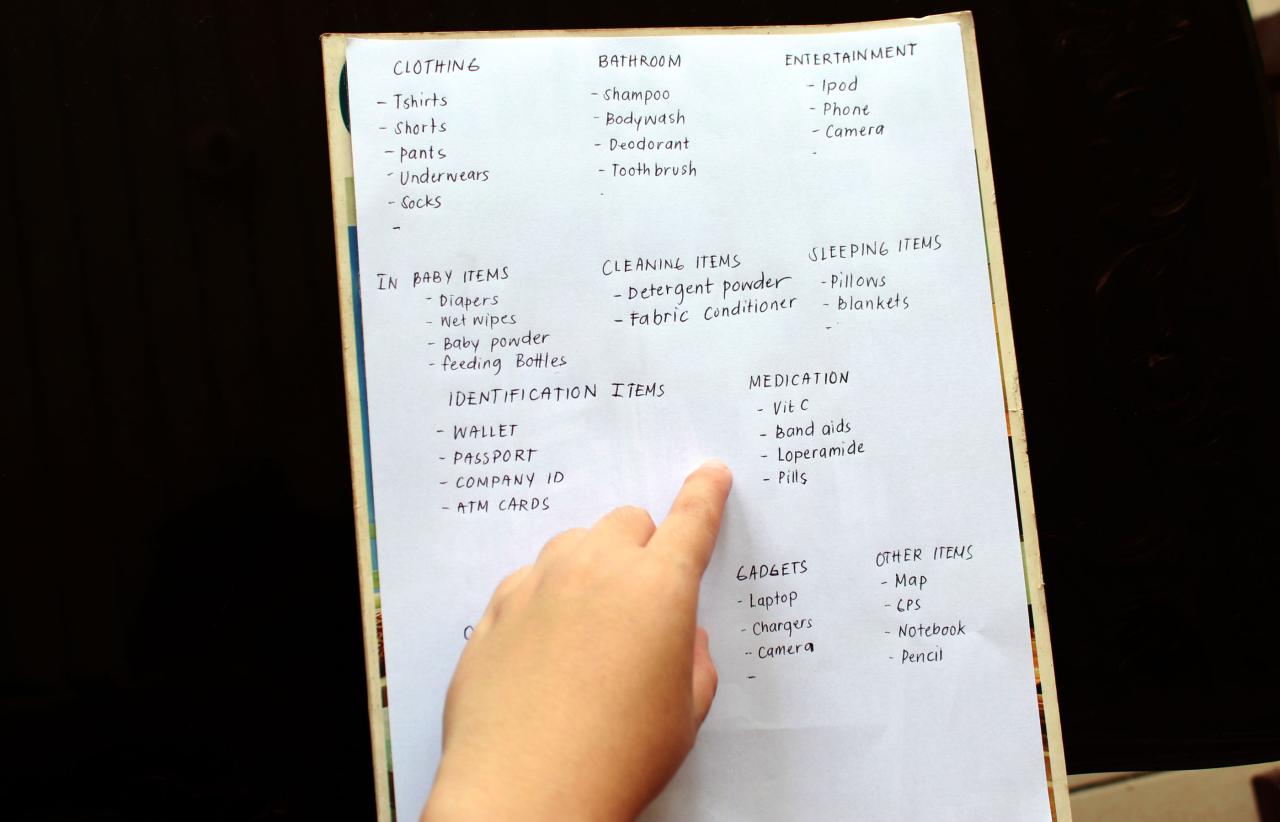
The power of AI in creating packing lists truly shines when it is combined with active user input and customization. This symbiotic relationship ensures that the generated lists are not just comprehensive but also perfectly tailored to individual needs and preferences. By engaging with the AI, users can transform a generic suggestion into a highly personalized and effective travel companion.This section delves into the various ways users can interact with AI-powered packing list generators, from providing initial preferences to refining suggestions and saving personalized templates for future use.
Effective interaction is key to unlocking the full potential of AI in simplifying the packing process.
Refining Packing Suggestions Through User Interaction
Users can actively refine AI-generated packing suggestions through a conversational and iterative process. This involves providing specific feedback on suggested items, indicating preferences, and clarifying the context of their trip. The AI, in turn, learns from these interactions to provide more accurate and relevant recommendations.Methods for refinement include:
- Direct Feedback on Items: Users can explicitly accept, reject, or modify individual items suggested by the AI. For example, if the AI suggests “hiking boots” for a beach vacation, the user can simply remove it or mark it as unnecessary.
- Preference Settings: Many AI tools allow users to set overarching preferences, such as “minimalist packer,” “luxury traveler,” or “adventure enthusiast.” These settings guide the AI’s initial suggestions.
- Clarifying Trip Details: Providing more granular details about the trip, such as the specific type of accommodation (e.g., hotel, Airbnb with kitchen), planned activities (e.g., formal dinners, hiking, swimming), and the expected weather, allows the AI to fine-tune its recommendations.
- Querying Alternatives: Users can ask the AI for alternative suggestions if they are unsure about an item or want to explore different options. For instance, “What are some lighter alternatives to a bulky jacket for this trip?”
Providing Feedback for Improved Future Lists
The continuous improvement of AI packing list generators relies heavily on user feedback. By actively informing the AI about the usefulness and relevance of its suggestions, users contribute to its learning process, leading to increasingly accurate and personalized lists over time.The process of providing feedback typically involves:
- Rating Suggestions: Users can rate individual items or the overall list generated by the AI. A simple thumbs up/down or a star rating system helps the AI understand what works and what doesn’t.
- Marking Items as Used/Unused: After a trip, users can indicate which items from the AI-generated list they actually used and which they did not. This data is crucial for the AI to learn about practical packing needs versus theoretical ones.
- Adding Missing Items: If a user realizes they needed an item that the AI did not suggest, they can add it to the list and flag it as an omission. This helps the AI identify gaps in its knowledge base.
- Correcting Assumptions: If the AI made an incorrect assumption about the trip or the user’s needs, providing this correction helps the AI avoid similar errors in the future.
“Consistent and specific feedback is the bedrock of AI learning and personalization.”
Inputting Specific Needs or Restrictions
To ensure the packing list is truly functional, users must be able to communicate their unique requirements to the AI. This includes dietary restrictions, medical needs, specific activity requirements, and any other limitations that might influence packing choices.Users can input specific needs and restrictions through:
- Dedicated Input Fields: Many AI tools provide specific fields for users to enter information such as allergies, medication requirements, or the need for specialized equipment.
- Natural Language Prompts: More advanced AI systems can interpret natural language inputs. For example, a user might type, “I have a gluten allergy, so please don’t suggest any bread products,” or “I’m going on a business trip and need to pack formal attire.”
- Profile Customization: Users can often create profiles that store recurring needs or restrictions, such as “vegetarian,” “diabetic,” or “requires a wheelchair accessible environment.”
- Activity-Specific Requirements: If a user plans to engage in specific activities like scuba diving or rock climbing, they can input these to ensure the AI suggests appropriate gear.
Saving and Reusing AI-Generated Packing Templates
A significant advantage of AI-powered packing list creation is the ability to save and reuse customized templates. This feature streamlines the packing process for recurring trips or for users who have established a consistent packing style.Methods for saving and reusing templates include:
- Saving Custom Lists: After a list has been generated and customized, users can save it as a template. This might be named by destination, trip type, or duration (e.g., “Weekend City Break Template,” “Summer Beach Vacation”).
- Cloning Existing Lists: Users can often “clone” a previously generated list and then make minor modifications for a new, similar trip. This is faster than starting from scratch.
- Template Libraries: Some platforms offer a library of pre-defined templates that users can adapt, and users can also contribute their own saved templates to this library, potentially sharing them with others.
- Automated Recall: For frequent travelers, some AI systems can learn their patterns and proactively suggest relevant saved templates when a new trip is being planned.
Visualizing Packing Recommendations
Presenting AI-generated packing suggestions in a clear and intuitive visual format significantly enhances user comprehension and usability. This involves translating complex data into easily digestible information, allowing travelers to quickly grasp what they need and why. Effective visualization goes beyond a simple list, aiming to provide context, priority, and even rationale behind each item.The goal is to create an experience where the user feels supported and informed, rather than overwhelmed by a list of items.
This is achieved through thoughtful design choices that prioritize clarity, organization, and user engagement.
Table Structure for Categorized and Prioritized Packing Items
A structured table is an excellent method for the AI to display packing items, grouping them logically and indicating their importance. This format allows for a comprehensive overview while enabling users to focus on specific sections as needed. The table can include columns for the item name, its category, a priority level, and optional notes.Here is a sample table structure that an AI can utilize:
| Item | Category | Priority | Notes/Purpose |
|---|---|---|---|
| Passport | Documents | Essential | Required for international travel and identification. |
| Rain Jacket | Clothing | High | Protects against unexpected weather changes. |
| Comfortable Walking Shoes | Footwear | High | Crucial for exploring new destinations on foot. |
| Portable Charger | Electronics | Medium | Ensures devices remain powered on the go. |
| Swimsuit | Apparel | Optional | For planned swimming activities or spontaneous dips. |
Bulleted List Format for Essential Items
For quick reference and to highlight the most critical items, a simple bulleted list is highly effective. This format is ideal for a rapid overview, ensuring users don’t overlook the absolute necessities for their trip. The AI can generate this list as a distinct section or as a summary of the “Essential” priority items from the table.The following illustrates how an AI might present essential items in a bulleted list:
- Travel Documents (Passport, Visa, Tickets)
- Essential Medications
- Basic Toiletries (Toothbrush, Toothpaste, Soap)
- Chargers for Electronics
- A change of clothes
Describing the Purpose or Use of Suggested Items
Beyond simply listing items, AI can significantly add value by explaining the purpose or intended use of each suggestion. This contextual information helps users understand why an item is recommended, especially for less obvious or context-specific suggestions. This can be integrated into the table format or presented as supplementary information alongside a bulleted list.For example, if the AI suggests “travel-sized toiletries,” it could elaborate:
“Travel-sized toiletries are recommended to save space and comply with airline carry-on restrictions. They provide essential hygiene without the bulk of full-sized products.”
Similarly, for an item like “water purification tablets,” the AI might explain:
“Water purification tablets are a lightweight and compact solution for ensuring access to safe drinking water in areas where tap water quality is uncertain or unavailable, preventing potential health issues.”
This detailed explanation empowers users to make informed decisions about their packing, tailoring the list to their specific needs and comfort levels.
Wrap-Up
In conclusion, harnessing the power of artificial intelligence to create packing lists offers a transformative approach to travel preparation. From understanding the core concepts and exploring AI-driven generation methods to appreciating the importance of data input and effective structuring, the journey reveals a sophisticated yet accessible tool. The ability to enhance functionality, visualize recommendations, and customize suggestions empowers travelers to pack smarter and more efficiently.
Embracing AI in this domain not only saves valuable time but also elevates the entire travel planning experience, ensuring you are always prepared for your next adventure.