how to design cocktails with ai sets the stage for this enthralling narrative, offering readers a glimpse into a story that is rich in detail and brimming with originality from the outset.
This exploration delves into the fascinating intersection of artificial intelligence and the art of mixology, revealing how AI can be a powerful ally in crafting innovative and personalized beverage experiences. From understanding AI’s foundational role in recipe generation and ingredient pairing to its potential in presentation and storytelling, we will uncover the practical applications and future possibilities that AI brings to the world of cocktails.
Understanding AI’s Role in Cocktail Creation
Artificial intelligence is rapidly transforming various creative fields, and mixology is no exception. AI offers a powerful new toolkit for bartenders and enthusiasts alike, enabling the development of novel and sophisticated cocktail recipes that might otherwise remain undiscovered. By analyzing vast datasets and identifying intricate patterns, AI can unlock new flavor profiles and innovative ingredient combinations.AI’s contribution to cocktail creation stems from its ability to process and interpret complex information.
This includes not only traditional recipe data but also a wide array of related information that influences taste and preference. The resulting insights can lead to unexpected yet harmonious drink creations, pushing the boundaries of what is considered possible in beverage design.
Data Types Processed by AI for Recipe Generation
To generate innovative cocktail ideas, AI systems leverage a diverse range of data sources. This comprehensive approach allows the AI to understand the nuances of flavor, aroma, texture, and even cultural associations related to different ingredients and beverage styles. By synthesizing this information, AI can propose recipes that are both unique and appealing.The data processed by AI for cocktail generation includes:
- Ingredient Profiles: Detailed information on individual ingredients, such as their flavor notes (sweet, sour, bitter, umami), aroma compounds, alcohol content, viscosity, and common pairings. This can extend to the origin, processing methods, and even the season of harvest for certain ingredients.
- Existing Cocktail Recipes: A vast database of established and popular cocktail recipes, including their ingredient ratios, preparation methods, and garnishes. AI analyzes these to identify common structures, successful flavor combinations, and popular trends.
- Flavor Chemistry: Scientific data related to how different flavor molecules interact. This allows AI to predict potential flavor synergies or conflicts between ingredients at a molecular level.
- Consumer Preferences and Trends: Data gathered from reviews, social media, and sales figures to understand what flavors and drink styles are currently popular or emerging. This can also include demographic data to tailor recommendations.
- Dietary Restrictions and Allergens: Information on common allergens and dietary needs (e.g., vegan, gluten-free) to ensure generated recipes are inclusive and safe.
- Historical and Cultural Context: Data on the history of spirits, cocktails, and beverage consumption traditions, which can inspire thematic or historically-inspired drink creations.
Examples of AI Application in Beverage Recipe Generation
The application of AI in generating beverage recipes is already yielding fascinating results, demonstrating its potential to revolutionize how we approach drink creation. These examples showcase AI’s ability to move beyond simple ingredient substitution to designing entirely new sensory experiences.One prominent example is the development of AI-powered recipe generators that can suggest unique cocktail combinations. For instance, platforms like “Cocktailify” or research projects have utilized AI to analyze thousands of existing recipes and ingredient data.
These systems can then propose novel pairings, such as a gin-based cocktail with elderflower liqueur, grapefruit, and a hint of rosemary, or a rum-based drink incorporating chili, mango, and lime. The AI identifies that these ingredients, while perhaps not traditionally paired, share complementary flavor compounds or create an interesting contrast that appeals to modern palates.Beyond simple ingredient suggestions, AI is also being employed to optimize existing recipes for specific palates or occasions.
Imagine a scenario where an AI is tasked with creating a “refreshing summer cocktail” using a limited set of available spirits and fruits. The AI could analyze the flavor profiles of the available items, consider typical preferences for summer drinks (e.g., citrus, light sweetness, herbal notes), and then propose a balanced recipe, perhaps suggesting a unique twist like adding a dash of cucumber water to a classic daiquiri base.
The true power of AI in cocktail design lies not just in novelty, but in its ability to create recipes that are both innovative and harmonious, grounded in an understanding of flavor science and consumer trends.
Furthermore, AI can be used to explore the impact of different preparation techniques. For example, an AI might suggest that a particular spirit would benefit from a specific infusion or a unique garnish to enhance its inherent characteristics, based on its chemical composition and known flavor interactions. This could lead to recommendations for smoking a glass, using a specific type of ice, or employing a sous-vide technique for fruit infusions, all to achieve a desired flavor profile.
The ongoing research in this area promises a future where AI acts as a sophisticated co-creator, augmenting human creativity in the art of mixology.
AI-Driven Ingredient Pairing and Flavor Profiles
Artificial intelligence is revolutionizing the way we approach cocktail creation by delving into the intricate science of flavor. Beyond simple recipes, AI can analyze vast datasets of ingredients, their chemical compounds, and their interactions to predict harmonious and innovative pairings. This allows for the development of complex and balanced flavor profiles that might elude human intuition alone.AI’s ability to process and understand the nuances of taste, aroma, and texture opens up exciting possibilities for bartenders and enthusiasts alike.
By leveraging machine learning algorithms, we can unlock new dimensions in mixology, moving from empirical experimentation to data-driven design. This section explores how AI achieves these feats and the unique suggestions it can offer.
Methods for AI to Identify Complementary Ingredient Combinations
AI identifies complementary ingredient combinations through a sophisticated analysis of flavor molecules and their known interactions. This process often involves machine learning models trained on extensive databases of food and beverage pairings, chemical compounds, and sensory perception data. These models can detect subtle relationships between ingredients that may not be immediately obvious.Here are key methods employed by AI:
- Chemical Compound Analysis: AI algorithms analyze the volatile organic compounds (VOCs) and other chemical components present in different ingredients. By understanding which compounds are shared or complementary, AI can predict how flavors will meld. For instance, esters often contribute fruity notes, while pyrazines can impart earthy or vegetal characteristics. AI can identify ingredients with synergistic VOC profiles.
- Flavor Network Mapping: AI can construct complex flavor networks where ingredients are nodes and their compatibility is represented by edges. These networks are built by analyzing existing successful pairings and ingredient properties. The strength and proximity of connections within this network indicate the likelihood of a successful combination.
- Sensory Data Integration: AI can be trained on datasets that include human sensory evaluations of ingredient pairings. This includes data from taste panels, expert reviews, and even user-generated feedback from cocktail apps or online forums. This approach bridges the gap between chemical analysis and subjective human experience.
- Historical and Cultural Data Mining: AI can scan historical recipe books, culinary traditions, and regional beverage pairings to identify recurring successful combinations. This provides a foundation of proven pairings and can also highlight underutilized but historically compatible ingredients.
- Analogy and Similarity Matching: AI can identify ingredients that are similar in their flavor profiles or chemical structures to those already known to pair well. For example, if strawberries are known to pair well with basil, AI might suggest other berries or herbs with similar flavor components.
AI Prediction and Balancing of Complex Flavor Profiles
Predicting and balancing complex flavor profiles is a cornerstone of AI’s contribution to cocktail design. AI can move beyond simple sweet, sour, bitter, and spirit ratios to consider the interplay of multiple taste dimensions, aromatic notes, and textural elements. This results in drinks that are not only palatable but also nuanced and engaging.The process involves several key aspects:
- Quantifying Flavor Components: AI can assign numerical values to various flavor attributes such as sweetness, acidity, bitterness, astringency, umami, and specific aroma profiles (e.g., floral, spicy, herbaceous). This allows for a more objective measurement of a drink’s overall flavor.
- Predicting Flavor Evolution: Cocktails change as they are consumed and diluted. AI can model how flavor compounds will interact and evolve over time, predicting how the drink’s taste will shift from the first sip to the last. This includes considering the impact of ice melt and aeration.
- Balancing Taste Dimensions: Using the quantified flavor components, AI can recommend adjustments to ingredient ratios to achieve a desired balance. For example, if a profile is predicted to be too bitter, AI can suggest increasing sweetness or adding ingredients with masking compounds.
- Aroma-to-Taste Correlation: AI can analyze the relationship between a drink’s aroma and its perceived taste. Certain aromatic compounds can significantly influence how a flavor is perceived. AI can help create drinks where the aroma enhances or complements the taste experience.
- Mouthfeel and Texture Integration: Beyond taste and smell, AI can consider the textural elements of a cocktail, such as viscosity, carbonation, and the presence of suspended particles. These factors significantly impact the overall drinking experience and can be optimized by AI.
For instance, consider a complex Tiki drink. AI could analyze the interplay of aged rum, curaçao, orgeat, lime, and pineapple. It might predict that the sweetness of the orgeat and curaçao needs to be precisely balanced against the acidity of the lime and the tropical notes of the pineapple, while also considering the subtle spice notes from the rum’s aging process to create a harmonious whole.
Unique Ingredient Pairings Suggested by AI
AI’s ability to process vast datasets and identify non-obvious correlations can lead to truly innovative and unique ingredient pairings that might not be readily conceived by human mixologists. These suggestions often arise from cross-referencing flavor compounds and successful pairings across disparate culinary and beverage categories.Here are examples of unique ingredient pairings that AI might suggest:
- Smoked Paprika with White Chocolate Liqueur: AI might identify that the smoky, slightly sweet, and peppery notes of smoked paprika share chemical compounds with the rich, creamy sweetness of white chocolate. This could lead to a sophisticated, layered cocktail with unexpected depth. The smoky element can cut through the richness of the chocolate, creating a balanced and intriguing profile.
- Black Garlic with Raspberry and Balsamic Vinegar: Black garlic, with its fermented, sweet, and umami characteristics, could be paired with the tartness of raspberry and the sharp acidity of balsamic vinegar. AI might predict that the fermented notes of the black garlic can add a savory complexity that enhances the fruitiness of the raspberry and provides a unique counterpoint to the balsamic’s tang.
- Saffron with Cardamom and Pear Nectar: Saffron’s floral, slightly medicinal, and honey-like notes can be an unexpected but harmonious match with the warm, aromatic spice of cardamom and the delicate sweetness of pear nectar. AI might identify shared aromatic compounds that create an exotic and sophisticated flavor profile, reminiscent of Middle Eastern or South Asian desserts.
- Miso Paste with Dark Chocolate and Chili: The savory, salty, and umami notes of miso paste can provide a fascinating contrast to the bitterness of dark chocolate and the heat of chili. AI could predict that the umami from the miso will amplify the chocolate’s depth and that the chili will create a pleasant tingle that complements the savory undertones.
- Toasted Sesame Oil with Green Tea and Honey: The nutty, slightly bitter notes of toasted sesame oil could be surprisingly effective when paired with the vegetal, slightly astringent qualities of green tea and the floral sweetness of honey. AI might suggest this for a refreshing, complex beverage where the sesame oil adds an unexpected savory dimension to a familiar base.
These pairings highlight AI’s capacity to transcend conventional flavor combinations by focusing on underlying chemical and sensory relationships, thereby pushing the boundaries of cocktail innovation.
Designing Unique Cocktail Recipes with AI Assistance
Moving beyond understanding AI’s capabilities, we now delve into the practical application of these tools for the creative process of cocktail design. This section Artikels a structured approach to leveraging AI for the genesis of novel and exciting drink recipes.AI acts as a powerful co-pilot in this endeavor, capable of analyzing vast datasets of existing cocktails, flavor compounds, and consumer preferences.
By processing this information, it can propose innovative combinations and proportions that a human mixologist might not readily conceive. This systematic approach ensures that even the most experimental recipes are grounded in a solid understanding of flavor dynamics and balance.
Step-by-Step Procedure for AI-Assisted Cocktail Design
To effectively utilize AI in crafting a new cocktail, a methodical approach ensures optimal results. This process involves clearly defining your objectives and iteratively refining the AI’s suggestions.
- Define the Core Concept: Begin by articulating the desired characteristics of the cocktail. This could include a specific spirit base (e.g., gin, whiskey), a flavor profile (e.g., citrusy, herbaceous, sweet), a mood or occasion (e.g., refreshing summer drink, sophisticated evening cocktail), or even a target audience.
- Input Initial Parameters into AI: Provide the AI with your defined concept. For instance, you might prompt it with “Create a refreshing gin-based cocktail with prominent citrus and herbal notes, suitable for a summer afternoon.”
- Review AI-Generated Suggestions: The AI will typically offer several initial recipe concepts. These will include a list of ingredients and often a proposed method.
- Analyze and Select Promising Concepts: Evaluate the AI’s suggestions based on your understanding of mixology, ingredient availability, and the initial concept. Look for interesting ingredient pairings or novel approaches.
- Iterate and Refine: This is a crucial step. If the initial suggestions are not quite right, provide feedback to the AI. For example, if a suggestion includes too much sugar, you can prompt it to “reduce the sweetness” or “suggest alternative sweeteners.” If an ingredient seems out of place, you can ask it to “replace [ingredient] with something more complementary to [other ingredient].”
- Focus on Proportions: Once a core set of ingredients is established, work with the AI to fine-tune the quantities. This is where AI truly shines, as it can analyze thousands of successful recipes to suggest balanced ratios.
- Test and Evaluate: The most important step is to physically create the cocktail. Taste it, note any imbalances, and use this feedback to further refine the recipe with the AI.
AI-Suggested Ingredient Quantities and Proportions
A significant advantage of employing AI in cocktail design lies in its ability to analyze complex data sets and propose precise ingredient measurements. This goes beyond simple ratios and considers the interplay of different flavor compounds.AI models are trained on extensive databases that include:
- Classic Cocktail Recipes: Analyzing the proportions of well-established drinks to understand fundamental balance.
- Flavor Compound Interactions: Understanding how different molecules in spirits, fruits, herbs, and sweeteners interact to create specific taste experiences.
- Consumer Preference Data: Identifying popular flavor combinations and ingredient profiles across various demographics.
- Thermodynamic Properties: Considering how temperature affects flavor perception and ingredient solubility.
Based on these inputs, AI can suggest proportions that aim for optimal balance, considering factors like:
- Sweetness vs. Acidity: Ensuring a harmonious interplay that prevents the drink from being cloying or overly tart. For instance, if a recipe calls for a high-proof spirit and a sweet liqueur, the AI might suggest a larger proportion of citrus juice to counterbalance.
- Spirit Strength and Dilution: Calculating the ideal amount of dilution from ice and any mixers to achieve the desired proof and mouthfeel.
- Aromatic Intensity: Suggesting the right amount of herbs, spices, or bitters to provide complexity without overwhelming the palate.
- Texture and Mouthfeel: Recommending ingredients or techniques that contribute to a pleasing texture, such as the use of egg white for froth or a specific syrup for viscosity.
For example, if you are creating a variation on a classic Daiquiri and want to incorporate passionfruit, an AI might suggest starting with the classic 2:1:0.75 (rum:lime:simple syrup) ratio and then recommend adding 0.5 oz of passionfruit puree, while simultaneously suggesting a slight reduction in simple syrup (e.g., to 0.5 oz) to maintain overall sweetness balance.
Refining AI-Generated Recipes Based on Specific Taste Preferences
While AI can generate a solid starting point, human taste and subjective preferences are paramount in the final recipe. AI is a tool to augment, not replace, the mixologist’s palate.The refinement process involves a feedback loop where the mixologist’s sensory evaluation guides further AI adjustments. This can be approached through several methods:
- Direct Qualitative Feedback: After tasting an AI-generated cocktail, provide descriptive feedback to the AI. Instead of just saying “too sweet,” articulate
-why* it’s too sweet. For example, “The initial burst of sweetness from the [liqueur] is overpowering the [spirit’s] botanical notes. Can you suggest a way to reduce the overall sweetness by 15% while enhancing the herbal character?” - Ingredient Substitution and Modification: If a particular ingredient is disliked or unavailable, instruct the AI to suggest alternatives. For instance, “I don’t have fresh grapefruit juice. What would be a good substitute that maintains a similar acidity and bitterness profile?” The AI might suggest a combination of lime juice and a dash of tonic water or a specific type of bitter.
- Proportion Adjustments Based on Palate: If the AI’s initial proportions are too spirit-forward for your preference, you can ask it to “increase the non-alcoholic components by 10% while maintaining the core flavor profile.” Conversely, if you prefer a bolder spirit presence, you can request it to “increase the [spirit] by 0.5 oz and adjust other components accordingly.”
- Exploring Flavor Nuances: Use the AI to explore subtle variations. If a cocktail is good but lacks a certain je ne sais quoi, you can ask, “How can I add a hint of spice or a subtle smoky note to this recipe without altering the primary flavor profile?” The AI might suggest a dash of cinnamon tincture, a rinse of a smoky mezcal, or a specific bitters blend.
Consider a scenario where an AI suggests a “Spiced Pear Sour” with whiskey, pear nectar, lemon juice, and a spiced syrup. Upon tasting, you might find the pear flavor too muted. You could then instruct the AI: “The pear flavor is too subtle. Please increase the pear component and suggest a modification to the spiced syrup to complement it more strongly, perhaps with a focus on cinnamon and star anise, while ensuring the lemon juice still provides adequate balance.” The AI might then propose increasing the pear nectar by 0.5 oz and adjusting the spiced syrup to include specific proportions of those spices, potentially suggesting a slight reduction in whiskey to maintain overall balance.
This iterative refinement ensures the final cocktail is not only technically sound but also perfectly aligned with the desired taste experience.
AI for Cocktail Presentation and Garnishes
Beyond the perfect balance of flavors, the visual appeal of a cocktail plays a crucial role in the overall drinking experience. Artificial intelligence is now extending its capabilities into the realm of aesthetics, offering innovative ways to elevate the presentation of our crafted beverages. From suggesting eye-catching glassware to designing unique garnish combinations, AI can transform a well-made drink into a true work of art.AI’s involvement in cocktail presentation focuses on understanding the interplay of color, texture, shape, and even the narrative a drink conveys.
By analyzing vast datasets of successful and visually striking presentations, AI can learn patterns and generate novel ideas that go beyond traditional approaches. This allows bartenders and home enthusiasts alike to explore new frontiers in visual mixology, ensuring that every cocktail is as pleasing to the eye as it is to the palate.
Leveraging AI for Cocktail Personalization
The ultimate goal of AI in cocktail design extends beyond generating novel recipes; it lies in creating experiences that are deeply personal and resonant with individual preferences. AI can transform the way we discover and enjoy drinks by understanding and catering to a user’s unique palate, lifestyle, and even health considerations. This personalization elevates cocktail creation from a generic offering to a bespoke art form.AI’s capability to process vast amounts of data allows it to go beyond simple flavor pairings.
It can learn the nuances of what makes a drink enjoyable for a specific person, considering factors that might be overlooked in traditional recommendation systems. This leads to a more satisfying and less experimental approach for the consumer, ensuring that each suggested cocktail is likely to be a hit.
AI-Driven Tailoring to Individual Tastes and Dietary Restrictions
AI systems can be trained on a wide spectrum of data, including popular cocktail recipes, ingredient flavor profiles, user reviews, and even scientific data on taste perception. By analyzing this information in conjunction with a user’s explicit preferences, AI can generate highly accurate and personalized cocktail recommendations. This includes accommodating specific dietary needs such as vegan, gluten-free, low-sugar, or allergen-free requirements, ensuring that everyone can enjoy a custom-made drink safely and deliciously.For instance, if a user indicates a preference for citrusy and refreshing drinks, and also mentions a dislike for overly sweet beverages, the AI can prioritize ingredients like lime, lemon, grapefruit, and lighter spirits such as gin or vodka, while suggesting minimal or no simple syrup.
If the user also specifies a preference for gin-based cocktails and is avoiding gluten, the AI will filter out any recipes that might contain gluten-containing liqueurs or garnishes.
Inputting Personal Preferences for AI-Driven Drink Creation
The effectiveness of AI-driven cocktail personalization hinges on the quality and detail of the information provided by the user. A user-friendly interface is crucial for capturing these preferences efficiently. This can be achieved through various input methods, ranging from simple questionnaires to interactive selection tools.The process typically involves several key stages:
- Flavor Profile Selection: Users can select from a range of flavor categories (e.g., sweet, sour, bitter, savory, spicy, herbaceous, fruity, floral). They can also rate their preference intensity for each category.
- Ingredient Preferences: Users can specify preferred spirits (e.g., whiskey, rum, tequila, gin, vodka), liqueurs, mixers, and garnishes. Conversely, they can also list ingredients they wish to avoid.
- Dietary Restrictions and Allergies: Clear options are provided to select common dietary needs (e.g., vegan, vegetarian, gluten-free, dairy-free) and to list specific allergens.
- Occasion and Mood: Users can indicate the context for the drink, such as a relaxing evening, a celebratory gathering, or a refreshing afternoon sip. This helps the AI suggest appropriate complexity and style.
- Past Experiences: An optional feature allows users to rate cocktails they have previously tried, providing valuable feedback for the AI to refine its understanding of their palate.
The system then synthesizes this data to generate tailored cocktail suggestions or even entirely new recipes.
Framework for an AI System Learning and Adapting to Evolving Preferences
An advanced AI system for cocktail personalization should incorporate a feedback loop that allows it to learn and adapt over time. This ensures that the recommendations remain relevant as a user’s tastes evolve or as they explore new flavors.A robust framework for such a system would include the following components:
- User Profile Database: Stores all the initial preferences and historical data for each user.
- Recommendation Engine: Utilizes machine learning algorithms (e.g., collaborative filtering, content-based filtering, deep learning) to analyze user data and generate personalized suggestions.
- Feedback Mechanism: Allows users to rate or comment on recommended cocktails, providing crucial data for model refinement. This could include simple thumbs up/down, star ratings, or textual feedback on specific aspects of the drink.
- Reinforcement Learning Module: This module continuously updates the AI’s understanding of user preferences based on the feedback received. If a user consistently rates cocktails with herbaceous notes highly, the AI will prioritize similar ingredients in future recommendations.
- Exploration vs. Exploitation Strategy: The AI balances suggesting drinks that are known to be liked by the user (exploitation) with introducing new, potentially appealing options (exploration) to broaden their palate and discover new favorites.
Over time, the AI becomes an increasingly sophisticated personal mixologist, anticipating the user’s desires and consistently delivering delightful and perfectly suited cocktail experiences. For example, if a user initially preferred sweet drinks but starts rating slightly more bitter or complex cocktails highly, the AI will gradually shift its recommendations towards those profiles, perhaps suggesting an Old Fashioned or a Negroni variation.
This adaptive learning ensures the AI remains a valuable tool for discovering new favorites.
Exploring AI in Cocktail Naming and Storytelling
Beyond the precise science of ingredient pairing and recipe generation, artificial intelligence offers a fascinating frontier in the art of cocktail creation: the realm of naming and storytelling. AI can transcend mere functional descriptions to imbue drinks with personality, intrigue, and a memorable narrative that enhances the overall guest experience.AI’s capability to process vast datasets of literature, mythology, historical events, and cultural trends allows it to identify patterns and generate evocative language.
This extends to crafting names that are not only catchy but also hint at the drink’s character, flavor profile, or even its intended mood. Furthermore, AI can weave compelling backstories that transform a simple beverage into an experience, resonating with consumers on a deeper emotional level.
AI-Driven Cocktail Naming Strategies
AI can be trained on a multitude of naming conventions and stylistic elements to produce unique and evocative cocktail names. This involves analyzing successful brand names, literary titles, and even common word associations to generate options that are both creative and commercially viable.The process often begins with identifying s related to the cocktail’s ingredients, origin, or intended sensation. AI algorithms then explore synonyms, metaphorical associations, and linguistic nuances to craft names that are memorable and intriguing.
For instance, an AI might be prompted with “tropical, passion fruit, refreshing” and, after analyzing related concepts, propose names like “Sunken Serenade” or “Orchid’s Whisper.”
AI-Assisted Narrative Crafting for Cocktails
Developing a compelling narrative or backstory for a cocktail can significantly elevate its appeal. AI can assist in this process by drawing upon its knowledge base to create rich, imaginative descriptions that complement the drink’s identity.AI can be directed to generate narratives based on specific themes, historical periods, or even fictional scenarios. For example, if a cocktail features a smoky mezcal and chili, an AI could be tasked with creating a story that evokes a mysterious, desert landscape or a daring adventure.
The AI can then weave in details about the ingredients, their supposed origins, and the feeling the drink is meant to inspire, transforming a simple list of components into an engaging tale.
Examples of AI-Generated Cocktail Names and Narratives
To illustrate the potential, consider these examples of AI-generated cocktail names and their accompanying descriptive text, showcasing how AI can imbue drinks with personality and story.
- AI-Generated Name: “Starlight Elixir”
Descriptive Text: “Whispers of the cosmos captured in a glass. This celestial concoction blends the ethereal sweetness of elderflower with the subtle shimmer of edible glitter, anchored by a base of premium gin. Each sip is a journey through a nebula of delicate floral notes and a crisp, clean finish, designed to evoke wonder and tranquility under a canopy of stars.”
- AI-Generated Name: “Crimson Tide”
Descriptive Text: “A bold declaration of flavor, reminiscent of a dramatic sunset over a turbulent sea. Featuring a robust blend of dark rum, blood orange liqueur, and a hint of cayenne pepper, this cocktail offers a complex dance of sweet, tart, and spicy. It’s a daring spirit, perfect for those who embrace the intensity of life’s more vibrant moments.”
- AI-Generated Name: “Forgotten Grove”
Descriptive Text: “Step into a hidden sanctuary where time stands still. This enigmatic mix of aged whiskey, muddled figs, and a touch of rosemary evokes the earthy aromas of an ancient, undisturbed forest. Its smooth, contemplative character invites a moment of quiet reflection, a secret shared between you and the stillness of nature.”
These examples demonstrate AI’s ability to move beyond literal descriptions, tapping into emotional resonance and imaginative storytelling to create truly memorable cocktail experiences.
The Future of AI in Mixology
The integration of Artificial Intelligence into the world of mixology is not merely a fleeting trend but a transformative force poised to redefine how we conceptualize, create, and experience cocktails. As AI capabilities advance, its role in cocktail development and innovation will expand significantly, moving beyond current applications to unlock entirely new dimensions of flavor, personalization, and industry evolution.The trajectory of AI in mixology points towards a future where the bartender’s intuition is augmented by sophisticated computational power, leading to a more dynamic and personalized beverage landscape.
This evolution will impact everything from ingredient sourcing and recipe generation to customer interaction and the very definition of a signature drink.
Advanced AI-Driven Cocktail Development
Future advancements in AI for cocktail development will focus on predictive modeling and generative design, moving beyond simple pattern recognition to true creative synthesis. AI will be able to analyze vast datasets encompassing historical cocktail trends, molecular gastronomy principles, and even real-time consumer feedback to predict and create novel flavor combinations that humans might not readily conceive. This will involve a deeper understanding of the chemical interactions between ingredients, allowing AI to optimize for balance, complexity, and unique sensory experiences.For instance, imagine an AI that can:
- Predict the optimal aging process for a spirit based on its molecular composition and desired flavor profile, suggesting specific wood types and durations.
- Generate entirely new flavor profiles by simulating the interaction of hundreds of aromatic compounds, leading to the creation of bespoke liqueurs or bitters.
- Develop recipes that cater to specific dietary needs or health considerations, such as low-sugar, allergen-free, or even mood-enhancing cocktails, with scientifically backed ingredient suggestions.
The sophistication of these AI models will enable a level of precision and creativity previously unattainable, pushing the boundaries of what is considered a “classic” cocktail.
AI’s Influence on Beverage Industry Trends
AI will play a pivotal role in shaping future trends within the broader beverage industry, acting as both an innovator and a trend forecaster. By analyzing global consumption patterns, social media sentiment, and emerging culinary movements, AI can identify nascent trends before they become mainstream. This foresight will empower beverage companies and mixologists to proactively develop products and experiences that resonate with evolving consumer preferences.Consider the impact of AI on:
- Sustainability: AI can optimize ingredient sourcing by identifying local, seasonal produce and minimizing waste, leading to more eco-conscious cocktail menus. It can also predict demand more accurately, reducing overproduction.
- Novelty and Experimentation: AI-generated unique flavor combinations will likely inspire new categories of spirits, liqueurs, and non-alcoholic beverages, encouraging a culture of continuous innovation.
- Personalized Consumption: As AI becomes more adept at understanding individual palates and preferences, the demand for hyper-personalized beverage experiences will rise, leading to a shift away from one-size-fits-all offerings.
The ability of AI to process and interpret complex market data will make it an indispensable tool for strategizing and staying ahead of the curve in the dynamic beverage sector.
Comparing Current and Future AI Capabilities in Mixology
The current state of AI in mixology, while impressive, is largely focused on data analysis, recipe suggestion, and basic pattern recognition. Tools can suggest ingredient pairings based on existing successful recipes or identify flavor profiles that complement each other. However, future possibilities envision AI as a true creative partner, capable of original thought and complex sensory simulation.Here’s a comparison of current versus future AI capabilities:
| Capability | Current AI in Mixology | Future AI in Mixology |
|---|---|---|
| Recipe Generation | Suggests variations of existing recipes or pairs known complementary ingredients. | Generates entirely novel recipes with unique flavor profiles, considering molecular interactions and desired sensory outcomes. |
| Ingredient Pairing | Relies on databases of successful pairings and flavor profiles. | Predicts novel pairings based on chemical composition, aroma science, and simulated taste receptors. |
| Personalization | Offers suggestions based on user-provided preferences (e.g., spirit preference, sweetness level). | Creates bespoke cocktails tailored to individual genetic predispositions for taste, mood, and even health goals. |
| Innovation | Identifies trends and suggests existing techniques. | Proposes new techniques, ingredient combinations, and flavor categories that push creative boundaries. |
| Sensory Simulation | Limited understanding of how ingredients interact on a sensory level. | Simulates complex flavor and aroma interactions, predicting the overall sensory experience with high fidelity. |
The leap from AI as a sophisticated assistant to AI as a co-creator signifies a profound shift, promising an era of unprecedented creativity and personalized enjoyment in the world of cocktails.
Epilogue
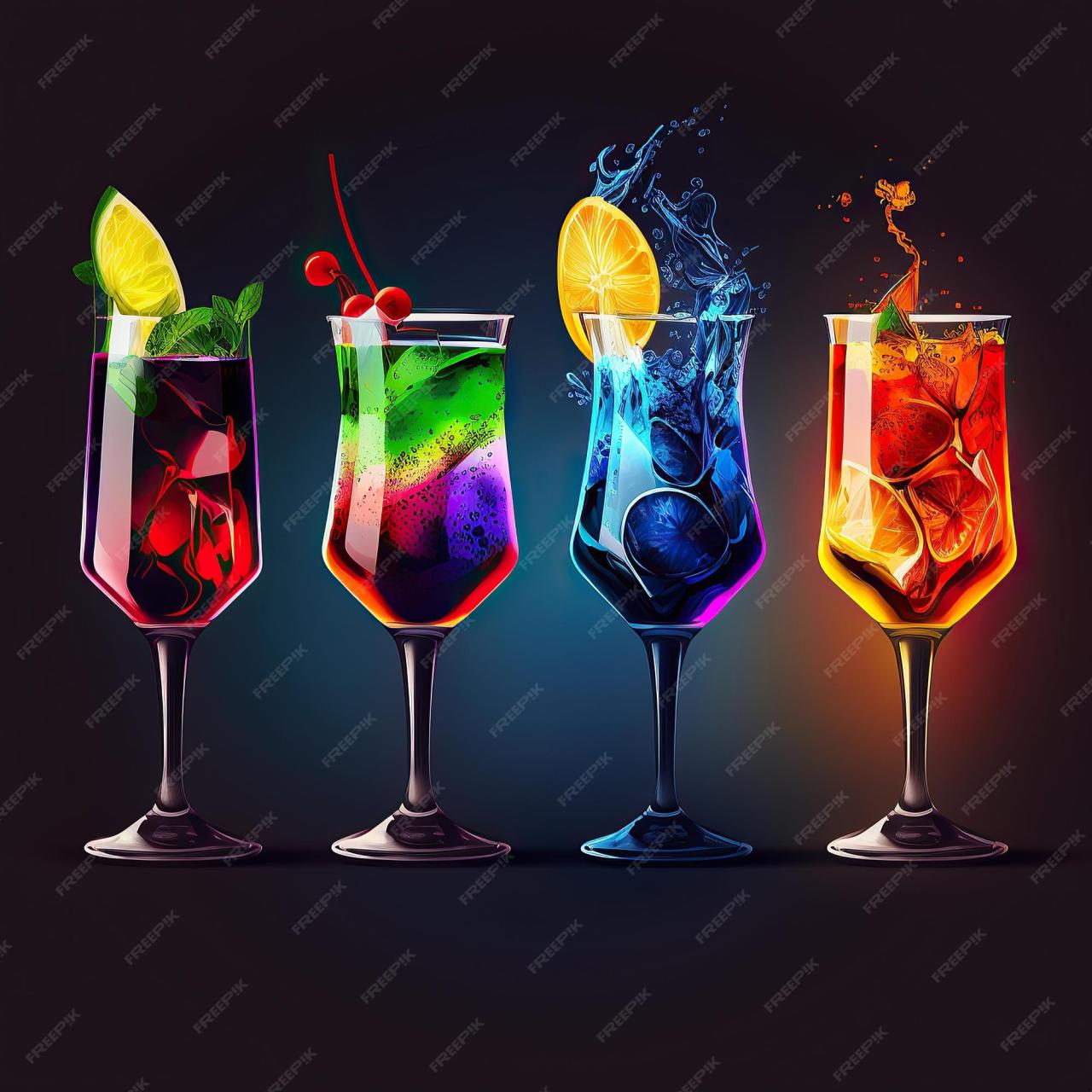
In essence, the journey through designing cocktails with AI reveals a future where technology and creativity blend seamlessly, empowering both seasoned mixologists and home enthusiasts to explore new frontiers in flavor and presentation. By embracing AI’s capabilities, we unlock unprecedented opportunities for innovation, personalization, and artistic expression, promising a dynamic and exciting evolution for the beverage industry and the way we enjoy our drinks.