Embark on a journey to revolutionize your fitness routine with the power of artificial intelligence. This guide delves into the exciting possibilities of how to manage home workouts with ai, transforming your living space into a personalized, intelligent fitness hub. Prepare to discover innovative strategies that will not only streamline your exercise sessions but also elevate your overall well-being, making your fitness goals more attainable than ever before.
We will explore how smart technology is fundamentally changing the landscape of at-home exercise. From understanding the core functions of intelligent systems in guiding your workouts to personalizing plans that adapt to your unique needs and progress, this comprehensive overview will equip you with the knowledge to harness AI’s potential. We’ll also cover how to effectively track your achievements, overcome common home workout challenges, and integrate cutting-edge smart devices into your personal gym environment, all while looking ahead to the exciting future of AI-assisted fitness.
Understanding the Role of Intelligent Systems in Home Fitness
The landscape of home fitness has been significantly transformed by the integration of intelligent systems, particularly Artificial Intelligence (AI). These advanced technologies are no longer confined to theoretical concepts but are actively shaping how individuals approach and manage their exercise routines from the comfort of their homes. AI’s ability to process vast amounts of data, learn user behaviors, and provide tailored feedback makes it an invaluable partner in achieving fitness goals.Intelligent systems, powered by AI, offer a sophisticated approach to personal training, making sophisticated guidance accessible to a wider audience.
They go beyond static workout plans by dynamically adjusting to individual needs, promoting consistency, and enhancing overall effectiveness. This evolution in fitness technology empowers users with unprecedented control and insight into their physical well-being.
Core Functionalities of Intelligent Systems for Personalized Workout Guidance
Intelligent systems are designed with a suite of core functionalities that collectively contribute to highly personalized workout guidance. These features work in synergy to create a responsive and adaptive fitness experience, ensuring that each session is optimized for the user’s current state and objectives.The primary functions include:
- Data Collection and Analysis: These systems gather information from various sources, such as wearable devices (heart rate monitors, activity trackers), user input (perceived exertion, mood), and even camera-based movement analysis. This data is then processed to understand the user’s physiological responses, performance metrics, and historical progress.
- Personalized Program Generation: Based on the analyzed data, AI algorithms create bespoke workout plans. This includes selecting appropriate exercises, determining optimal intensity, duration, and rest periods, and structuring weekly or monthly training schedules.
- Real-time Feedback and Form Correction: Through advanced computer vision or sensor integration, AI can monitor exercise execution. It provides immediate feedback on posture, range of motion, and tempo, helping users to perform movements correctly and safely, thereby preventing injuries and maximizing efficacy. For instance, an AI coach might detect if a user is not engaging their core sufficiently during a plank and offer a cue to adjust.
- Adaptive Progression and Modification: As users improve, intelligent systems automatically adjust the difficulty of workouts. If a user consistently exceeds performance targets, the system will increase resistance, repetitions, or introduce more challenging variations. Conversely, if a user struggles, the AI can scale back the intensity or suggest alternative exercises.
- Motivational Support and Engagement: AI can be programmed to offer encouragement, celebrate milestones, and provide insights into progress, fostering a sense of accountability and motivation. Some applications integrate gamification elements or social challenges to further enhance user engagement.
Examples of AI-Powered Application Adaptation to User Progress and Preferences
The adaptability of AI-powered fitness applications is a key differentiator, allowing them to evolve alongside the user. This dynamic adjustment ensures that workouts remain challenging, engaging, and aligned with individual preferences.Consider the following examples:
- Strength Training: An AI might notice that a user consistently completes all prescribed repetitions for bicep curls with good form. It could then automatically increase the weight for the next session or suggest transitioning to a more complex variation like hammer curls. Conversely, if a user consistently reports high perceived exertion or fails to complete the last few reps, the AI might suggest reducing the weight or increasing rest time.
- Cardiovascular Exercise: For a running app, AI can analyze pace, heart rate, and duration. If a user is consistently running faster than their target pace and their heart rate is within an acceptable range, the AI might suggest increasing the distance or pace for the next run. If the user’s heart rate spikes significantly, the AI might recommend a slower pace or a shorter duration for the next session.
- Yoga and Flexibility: AI can analyze movement patterns through a device’s camera to assess flexibility and form. If a user struggles to achieve a full range of motion in a particular pose, the AI can suggest modifications or provide targeted stretches to improve that specific area over time. It can also learn which types of yoga flows a user enjoys most, prioritizing those in future recommendations.
- Preference Learning: Beyond performance, AI can learn user preferences for exercise types, music, or even the tone of coaching. If a user frequently skips certain exercises or expresses a preference for high-intensity interval training (HIIT), the AI will adjust future plans to incorporate more of what the user enjoys and less of what they dislike, while still ensuring a balanced fitness regimen.
Benefits of Integrating Intelligent Assistance into a Home Fitness Regimen
The incorporation of intelligent assistance into home workouts offers a multitude of benefits, enhancing the effectiveness, safety, and sustainability of a fitness journey. These advantages empower individuals to take a more proactive and informed approach to their health and wellness.The key benefits include:
- Enhanced Personalization: Unlike generic workout plans, AI-driven systems provide truly individualized guidance, adapting to unique body types, fitness levels, and specific goals. This ensures that every workout is tailored for maximum impact.
- Improved Safety and Injury Prevention: Real-time form correction and intelligent load management significantly reduce the risk of injury. AI can identify and correct potentially harmful movement patterns before they lead to harm.
- Increased Motivation and Adherence: By providing consistent feedback, celebrating progress, and adapting to preferences, intelligent systems help users stay engaged and motivated, leading to better long-term adherence to their fitness routines.
- Greater Efficiency and Effectiveness: Workouts are optimized for the individual, meaning users spend less time on ineffective exercises and more time on movements that yield the best results, accelerating progress towards their goals.
- Accessibility and Convenience: Intelligent fitness tools democratize access to personalized training, making it available anytime, anywhere, without the need for expensive gym memberships or personal trainers.
- Data-Driven Insights: Users gain a deeper understanding of their bodies and performance through detailed analytics and progress tracking, empowering them to make informed decisions about their health.
The future of home fitness is intelligent, adaptive, and deeply personal.
Personalizing Workout Plans with Smart Assistance
The advent of intelligent systems has revolutionized how we approach home fitness, moving beyond generic routines to highly individualized experiences. AI’s capacity to analyze vast datasets and adapt to specific user needs makes it an invaluable partner in achieving fitness goals. This section delves into the mechanisms by which AI personalizes workout plans, empowering individuals to train more effectively and efficiently from the comfort of their homes.Intelligent systems act as sophisticated digital trainers, capable of understanding a user’s unique physiology, preferences, and objectives.
By leveraging this understanding, they can craft workout regimens that are not only effective but also sustainable and enjoyable, fostering long-term adherence to fitness routines.
Framework for AI-Generated Tailored Exercise Plans
Intelligent systems employ a multi-faceted approach to design personalized workout plans. This framework involves understanding the user, the workout principles, and the adaptive nature of training. The core components of this framework ensure that the generated plans are relevant, progressive, and safe.The process begins with a comprehensive user profile, which is then analyzed against established exercise science principles. AI algorithms continuously monitor progress and adjust the plan accordingly, creating a dynamic and responsive training experience.
Data Input and User Profiling
The foundation of any personalized AI workout plan is the accurate collection and interpretation of user data. This initial input allows the system to establish a baseline understanding of the individual’s current fitness status and aspirations.
- Demographic Information: Age, gender, and weight provide basic physiological context.
- Fitness Level Assessment: This can be determined through self-reported metrics, performance on initial benchmark exercises (e.g., number of push-ups, plank duration), or even analysis of movement patterns if integrated with sensor technology.
- Health Conditions and Limitations: Pre-existing injuries, chronic conditions, or physical limitations are crucial for ensuring exercise safety and avoiding exacerbation of issues.
- Available Equipment: Knowing what equipment is accessible at home (dumbbells, resistance bands, machines, or bodyweight only) dictates exercise selection.
- Time Commitment and Schedule: Understanding how much time a user can dedicate to workouts and their preferred training days is essential for creating a realistic plan.
- Exercise Preferences: A user’s likes and dislikes regarding specific types of exercises (e.g., cardio vs. strength, high-impact vs. low-impact) significantly influence adherence and enjoyment.
Exercise Prescription and Progression Algorithms
Once the user profile is established, AI algorithms select exercises and structure them into a coherent plan. This involves applying principles of exercise science and adapting them to the individual’s profile.
- Exercise Selection: Algorithms choose exercises that target specific muscle groups or fitness components (cardiovascular, strength, flexibility) based on the user’s goals and available equipment. For example, if a user aims to build upper body strength and has dumbbells, the AI might select exercises like dumbbell bench presses, rows, and overhead presses.
- Volume and Intensity Calculation: The number of sets, repetitions, and the weight or resistance used are determined based on the user’s current fitness level and goals. For beginners aiming for muscle hypertrophy, the AI might suggest 3 sets of 8-12 repetitions with a moderate weight.
- Rest Periods: Appropriate rest intervals between sets and exercises are prescribed to optimize recovery and performance.
- Progression Strategies: AI systems implement progressive overload by gradually increasing the demands placed on the body over time. This can involve increasing weight, repetitions, sets, reducing rest times, or introducing more challenging exercise variations. For instance, if a user consistently completes 12 repetitions of an exercise with good form, the AI might increase the weight for the next session.
- Periodization: More advanced AI systems can incorporate periodization, which involves structuring training into phases with varying intensities and volumes to prevent plateaus and optimize long-term gains.
Feedback Integration and Adaptive Adjustments
The continuous monitoring of user performance and feedback is what truly makes AI-driven personalization dynamic. The system learns from each workout and refines future plans.
- Workout Logging: Users log completed workouts, including perceived exertion, any discomfort experienced, and actual performance metrics (weight lifted, reps completed).
- Performance Analysis: The AI analyzes this logged data to assess progress, identify areas of strength and weakness, and detect potential overtraining or underperformance.
- Plan Modification: Based on the analysis, the AI automatically adjusts the next workout or the overall plan. If a user consistently struggles with a particular exercise, the AI might suggest an easier variation or a different exercise targeting the same muscle group. Conversely, if a user is progressing rapidly, the AI will increase the challenge.
- Injury Prevention: By recognizing patterns of fatigue or incorrect form (if sensor data is available), the AI can proactively adjust the plan to reduce the risk of injury.
Step-by-Step Procedure for Setting Up a Personalized Workout Program
Establishing a personalized workout program with smart tools is a straightforward process designed for ease of use and maximum effectiveness. The following steps guide users through the initial setup and ongoing engagement with AI fitness platforms.The initial setup is crucial for providing the AI with the necessary information to create a relevant and effective plan. Consistent engagement and honest feedback ensure the plan evolves with the user.
- Select an AI-Powered Fitness Application or Platform: Choose a reputable application or service that specializes in AI-driven workout personalization. Research reviews and features to find one that aligns with your needs and goals.
- Create a User Profile: Upon launching the application, you will be prompted to create a profile. This involves inputting your demographic information, health status, and any pre-existing conditions.
- Complete the Fitness Assessment: The platform will likely guide you through an initial fitness assessment. This might involve performing a series of basic exercises and reporting your performance or answering questions about your current activity levels.
- Define Your Fitness Goals: Clearly state your primary fitness objectives. Common goals include weight loss, muscle gain, improved cardiovascular health, increased flexibility, or training for a specific event.
- Specify Your Preferences and Constraints: Indicate your preferred workout duration, frequency, days of the week, and any exercises you particularly enjoy or dislike. Also, detail the equipment you have access to.
- Review the Initial Workout Plan: The AI will generate a preliminary workout plan based on your inputs. Take time to review this plan to ensure it seems appropriate and achievable.
- Begin Your Workouts and Log Data: Start following the prescribed workouts. After each session, diligently log your performance, including weights used, repetitions completed, and how you felt during the exercise (e.g., rating of perceived exertion).
- Provide Ongoing Feedback: Most platforms allow for additional feedback. If an exercise felt too easy, too hard, caused discomfort, or you simply disliked it, provide this information to the AI.
- Allow for Plan Adjustments: The AI will continuously analyze your logged data and feedback to make subtle or significant adjustments to your plan over time. Trust the process and be open to the system’s recommendations.
Types of Data Intelligent Systems Utilize for Workout Routines
The efficacy of AI-driven workout personalization hinges on the breadth and depth of data it can process. By analyzing various data points, intelligent systems can create highly nuanced and effective training programs.The data used by AI ranges from fundamental user characteristics to real-time performance metrics, creating a comprehensive understanding that informs every aspect of the workout plan.
- Biometric Data: This includes information such as age, gender, height, and weight, which are fundamental for calculating calorie expenditure, determining appropriate training loads, and understanding metabolic rates.
- Physiological Data: Heart rate (resting, during exercise, and recovery), blood pressure, and even sleep patterns can be integrated from wearable devices. This data helps gauge recovery status, cardiovascular fitness, and the body’s response to training stress. For example, consistently high resting heart rate might indicate overtraining or insufficient recovery.
- Performance Data: This is the most direct feedback on a user’s efforts. It includes the number of repetitions completed, sets performed, weight lifted, distance covered, speed, and workout duration. This data is crucial for tracking progress and implementing progressive overload.
- Subjective Feedback: User-reported metrics like perceived exertion (e.g., on a scale of 1-10), muscle soreness levels, energy levels, and general mood provide valuable qualitative insights into how the body is responding to the training stimulus.
- Movement and Form Data: With the integration of smartphone cameras or specialized sensors, AI can analyze exercise form. This includes joint angles, range of motion, and speed of movement, helping to identify inefficiencies or potential injury risks. For example, AI might detect that a user is not achieving full depth during squats, prompting a form correction or a modification to the exercise.
- Historical Training Data: The AI learns from past workouts, noting what has been effective and what has not. This long-term data informs future planning and helps avoid repetitive plateaus.
- Nutritional Data (Optional): Some advanced platforms may integrate with or prompt for nutritional intake data, allowing for a more holistic approach to fitness by correlating diet with training performance and recovery.
Common Fitness Goals Addressed by AI-Driven Plan Customization
AI’s ability to adapt and personalize makes it exceptionally well-suited for addressing a wide spectrum of fitness goals. Whether the objective is aesthetic, performance-based, or health-oriented, AI can tailor plans to support it.The versatility of AI in fitness means that individuals with diverse aspirations can benefit from its intelligent guidance, making personalized training accessible for nearly any fitness objective.
- Weight Management (Loss or Gain): AI can create calorie-deficit or surplus plans, recommending specific types and durations of cardiovascular exercise and strength training to support metabolic rate and fat loss or muscle accretion. For instance, for weight loss, AI might combine high-intensity interval training with compound strength exercises to maximize calorie burn and preserve muscle mass.
- Muscle Hypertrophy (Muscle Gain): Plans are designed to systematically overload muscle groups through progressive resistance training, focusing on optimal rep ranges, set volumes, and rest periods to stimulate muscle growth. AI can ensure balanced development across all major muscle groups.
- Cardiovascular Health Improvement: AI can prescribe varied cardio routines, including steady-state cardio, interval training, and circuit training, adjusting intensity and duration based on heart rate zones and endurance progress to enhance heart function and stamina.
- Strength and Power Development: Training programs focus on increasing maximal strength and explosive power through appropriate exercise selection, rep schemes, and intensity. This is crucial for athletes or individuals looking to improve functional strength.
- Flexibility and Mobility Enhancement: AI can integrate dynamic stretching, static stretching, and mobility drills into workout plans, recommending specific routines to improve range of motion and reduce the risk of injury.
- Endurance Training for Sports: For runners, cyclists, or other endurance athletes, AI can design periodized training plans that build aerobic capacity, improve lactate threshold, and optimize race-day performance, often considering the specific demands of the sport.
- Rehabilitation and Injury Prevention: While not a substitute for professional medical advice, AI can help create modified workout plans that accommodate past injuries, focusing on strengthening supporting muscles and improving stability to prevent future issues. For example, after a knee injury, AI might suggest specific strengthening exercises for the quadriceps and hamstrings with controlled movements.
- General Fitness and Well-being: For individuals seeking to maintain a healthy lifestyle, AI can create balanced routines that incorporate elements of strength, cardio, and flexibility, promoting overall health and energy levels.
Tracking Progress and Providing Feedback
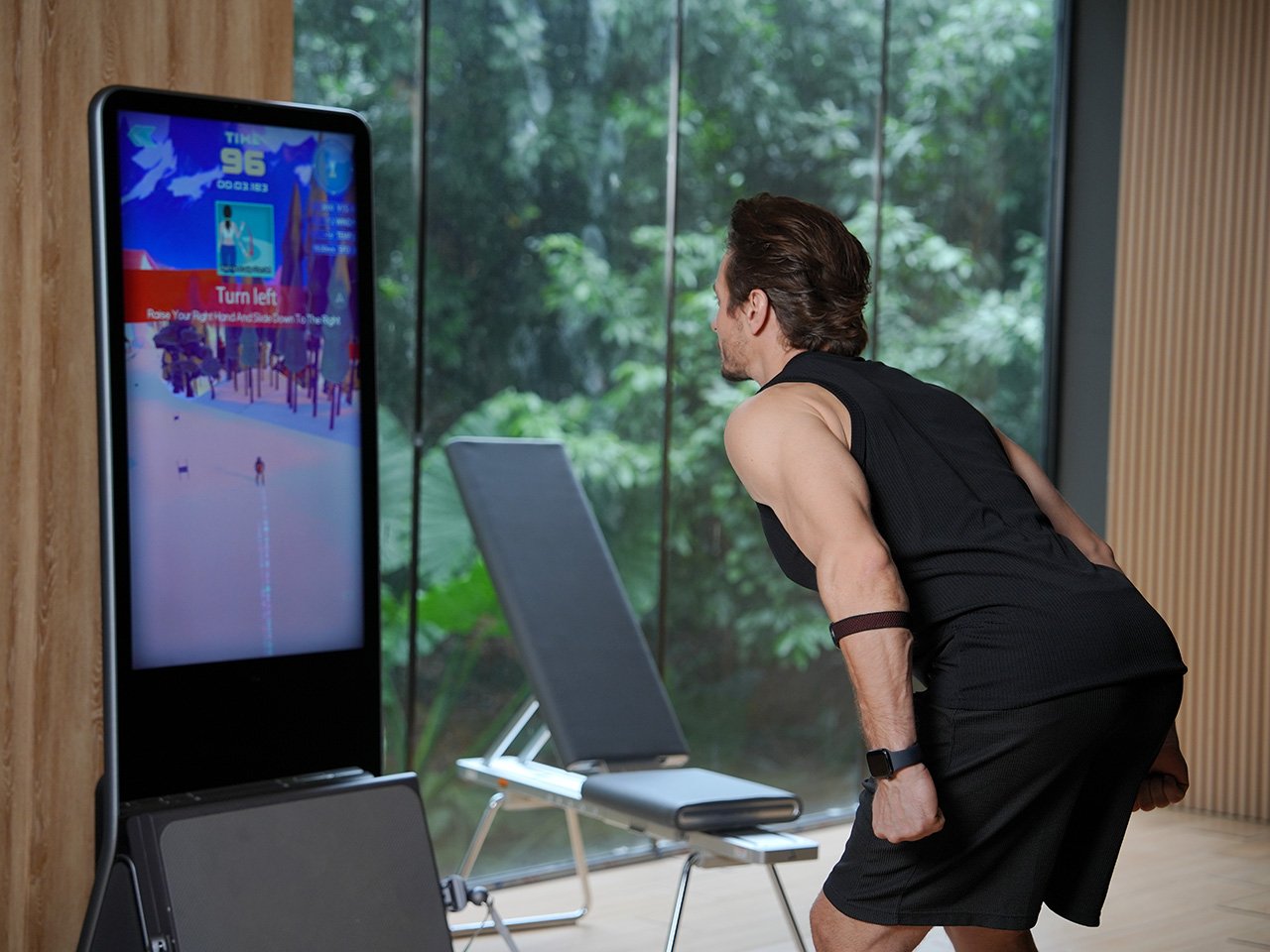
Harnessing the power of intelligent systems transforms home workouts from a solitary endeavor into a dynamic, data-driven experience. These advanced tools go beyond simple repetition counting, offering profound insights into your performance and guiding you towards optimal results. By continuously monitoring your efforts, AI provides personalized feedback that is crucial for sustained improvement and injury prevention.Intelligent systems excel at capturing nuanced details of your physical activity, translating raw data into meaningful progress reports.
This sophisticated level of analysis ensures that your fitness journey is not only effective but also efficient, adapting to your evolving capabilities and goals.
Performance Monitoring and Actionable Insights
Intelligent systems are adept at collecting and analyzing a wide array of data points during your workouts, offering a comprehensive view of your performance. This data is then synthesized into actionable insights, empowering you to make informed decisions about your training.
The core of performance monitoring involves tracking key metrics such as:
- Repetitions and Sets: Accurately counting every repetition and set completed, ensuring consistency and adherence to your plan.
- Time Under Tension: Measuring the duration muscles are actively engaged during an exercise, a critical factor for muscle hypertrophy and strength gains.
- Pace and Speed: Monitoring the tempo of your movements, which is vital for cardiovascular training and explosive power development.
- Heart Rate Zones: Utilizing wearable sensors to track your heart rate, ensuring you are training within optimal aerobic and anaerobic zones.
- Caloric Expenditure: Estimating the number of calories burned based on workout intensity, duration, and individual biometrics.
These metrics, when analyzed over time, reveal trends and patterns. For instance, an AI might detect a gradual increase in the weight lifted for a specific exercise over several weeks, indicating progressive overload. Conversely, it might flag a decrease in pace during a cardio session, suggesting the need for rest or a change in intensity. The actionable insights derived from this data can include recommendations to increase weight, adjust workout duration, incorporate active recovery, or modify exercise selection to prevent plateaus.
Real-Time Form Correction and Technique Suggestions
One of the most revolutionary aspects of AI in home fitness is its ability to provide real-time feedback on exercise form and technique. This is often achieved through computer vision and sensor technology, which analyze your movements against ideal biomechanical models.
Intelligent systems offer form correction through several methods:
- Visual Cues: Many AI-powered apps display a virtual avatar performing the exercise correctly alongside your own live feed. Deviations from the ideal form are highlighted visually, often with on-screen prompts or color-coding.
- Auditory Feedback: Gentle audio cues can alert you when your form deviates from the optimal path. For example, an AI might prompt you to “lower your hips further” during a squat or “keep your back straight” during a deadlift.
- Angle and Range of Motion Analysis: Sensors or camera systems can precisely measure joint angles and the full range of motion for each exercise. If your squat depth is insufficient or your elbow extension is incomplete, the AI will provide feedback.
- Movement Pattern Recognition: Advanced algorithms can identify subtle errors in movement patterns that might be difficult for an untrained eye to spot, such as asymmetrical weight distribution or excessive momentum.
These real-time interventions are invaluable for preventing injuries and maximizing the effectiveness of each movement. For example, during a push-up, an AI might detect that your hips are sagging and provide an immediate alert to engage your core and maintain a straight line from head to heels, thereby ensuring proper muscle activation and reducing strain on the lower back.
Metrics for Assessing Fitness Improvements
To effectively gauge progress, intelligent systems track a diverse range of metrics that go beyond simple workout completion. These metrics paint a holistic picture of your evolving fitness levels and capabilities.
Key metrics tracked by intelligent systems to assess fitness improvements include:
- Strength Gains: Measured by increases in the maximum weight lifted (one-rep max estimates), the number of repetitions performed with a given weight, or improvements in power output (e.g., during plyometric exercises).
- Endurance Improvements: Assessed through metrics like increased workout duration at a target intensity, reduced recovery times between sets or intervals, or improvements in cardiovascular efficiency (e.g., lower resting heart rate, improved VO2 max estimates).
- Flexibility and Mobility: Tracked by measuring the range of motion in key joints over time, or through AI-guided assessments of specific stretches and movements.
- Body Composition Changes: While often requiring integration with smart scales or body scanners, AI can correlate workout data with changes in lean muscle mass and body fat percentage.
- Consistency and Adherence: Monitoring workout frequency, duration, and adherence to planned routines provides insight into your commitment and helps identify potential areas for motivation.
For instance, if an AI notes that you can now perform 12 repetitions of a dumbbell press with the same weight that you previously managed only 8 repetitions for, it clearly indicates a strength improvement. Similarly, a consistent reduction in the time it takes to complete a set number of sprints over several weeks signifies enhanced cardiovascular endurance.
Interpreting Feedback from Intelligent Fitness Tools
Understanding and acting upon the feedback provided by intelligent fitness tools is paramount to maximizing their benefit. This feedback is designed to be informative and directive, guiding your training journey effectively.
A guide to interpreting common feedback elements includes:
- Positive Reinforcement: When the AI praises your form or performance (e.g., “Excellent form on that last set!”), it signifies that you are executing the movement correctly and effectively. Continue with this technique.
- Corrective Alerts: Phrases like “Slightly lower your hips” or “Engage your core more” indicate areas where your form needs adjustment. These are crucial for injury prevention and maximizing muscle engagement. Make the suggested adjustment immediately.
- Performance Benchmarks: When the AI presents data showing improvements or plateaus (e.g., “Your lifting volume increased by 10% this week”), it helps you understand your progress. Use this data to set future goals.
- Intensity Recommendations: Feedback such as “Consider increasing the resistance” or “You’re in the optimal heart rate zone” suggests adjustments to workout intensity. These recommendations are based on your current performance and goals.
- Recovery Advice: If the AI detects signs of fatigue or overtraining (e.g., consistently slower pace, increased perceived exertion), it might suggest rest days or lighter workouts. Prioritize rest when advised.
Consider an example where an AI flags a squat as having insufficient depth. The feedback might be: “Your squat depth was only 75% of the target range. Try to descend further while maintaining a straight back.” Interpreting this means consciously focusing on pushing your hips back and down more in the next set. If subsequent feedback indicates improvement in depth, you know you’ve successfully applied the correction.
Conversely, if the AI consistently provides the same corrective feedback, it might indicate a need to re-evaluate your mobility or technique with a human expert if possible, or to focus on preparatory exercises.
Overcoming Challenges in Home Workouts with Intelligent Support
Embarking on a fitness journey at home offers unparalleled convenience, but it’s not without its hurdles. Many individuals find themselves battling common obstacles that can derail even the best intentions. Fortunately, intelligent systems are emerging as powerful allies, providing innovative solutions to navigate these difficulties and foster a more consistent and effective home workout experience.Intelligent platforms are designed to address the inherent challenges of at-home fitness by offering personalized guidance, motivational tools, and real-time support.
By leveraging data and advanced algorithms, these systems can adapt to individual needs, creating a dynamic and engaging fitness environment that mirrors, and in some ways surpasses, the benefits of a traditional gym setting.
Enhancing Motivation and Accountability
Maintaining motivation and a sense of accountability can be particularly challenging when exercising alone at home. The absence of a trainer or workout buddy can lead to a decline in commitment. Intelligent systems combat this by fostering a sense of connection and responsibility, making it harder to skip a session.Intelligent platforms employ several strategies to keep users engaged and committed:
- Personalized Goal Setting and Progress Visualization: AI can help users set realistic and achievable fitness goals, breaking them down into manageable steps. Visualizing progress through interactive charts and graphs, which are often integrated into these platforms, provides a clear and motivating overview of achievements, reinforcing positive behavior.
- Gamification and Rewards: Many intelligent fitness apps incorporate gamified elements such as points, badges, leaderboards, and challenges. These features tap into our natural desire for achievement and competition, making workouts more enjoyable and encouraging consistent participation. For instance, completing a certain number of workouts in a week might unlock a virtual badge or grant access to exclusive content.
- Virtual Coaching and Community Support: AI-powered virtual coaches can offer encouragement, celebrate milestones, and provide reminders, simulating some of the supportive aspects of a human coach. Furthermore, many platforms connect users with online communities, allowing them to share their journeys, offer support to others, and participate in group challenges, fostering a sense of belonging and shared purpose.
- Scheduled Reminders and Notifications: Intelligent systems can send personalized reminders for scheduled workouts, acting as gentle nudges to stay on track. These notifications can be customized based on user preferences and routines, ensuring they are helpful rather than intrusive.
Maintaining Consistency in Workout Schedules
The flexibility of home workouts can sometimes lead to inconsistency, with sessions being postponed or skipped altogether. Intelligent tools offer structured approaches to help individuals establish and adhere to a regular fitness routine.Intelligent systems facilitate consistency through:
- Adaptive Scheduling: AI can analyze a user’s performance, energy levels, and even external factors like weather (if integrated) to suggest optimal workout times and durations. If a user consistently struggles with morning workouts, the AI might propose shifting them to the afternoon or evening.
- Workout Plan Adjustments: Based on performance data, intelligent systems can dynamically adjust workout intensity, duration, or exercise selection. If a user is consistently finding a particular exercise too easy or too difficult, the AI can modify the plan to maintain an appropriate challenge level, preventing boredom or frustration that can lead to inconsistency. For example, if a user consistently hits their target repetitions for a strength exercise, the AI might suggest increasing the weight or reps in the next session.
- Integration with Calendars: Seamless integration with digital calendars allows users to block out workout times, treating them with the same importance as other appointments. This visual commitment helps reinforce the habit and reduces the likelihood of scheduling conflicts.
Preventing Injuries and Ensuring Safe Exercise Practices
Safety is paramount in any exercise regimen, and home workouts are no exception. Without direct supervision, the risk of improper form and potential injury can increase. Intelligent systems are increasingly equipped to act as virtual safety monitors, guiding users towards correct execution and injury prevention.Intelligent systems contribute to safer workouts by:
- Real-time Form Correction: Advanced AI, often utilizing computer vision through smartphone cameras, can analyze a user’s form during exercises. It can provide immediate audio or visual cues to correct posture, alignment, and range of motion, significantly reducing the risk of strains or sprains. For instance, if a user is performing a squat with their knees caving inward, the AI might alert them to “widen your stance” or “push your knees out.”
- Personalized Exercise Selection: Based on a user’s physical condition, past injuries, or limitations, intelligent systems can recommend exercises that are appropriate and safe. They can also flag or exclude exercises that might exacerbate existing issues, ensuring a tailored and injury-conscious approach.
- Progressive Overload Guidance: Intelligent systems help users implement progressive overload safely by suggesting gradual increases in weight, repetitions, or intensity. This avoids the common mistake of attempting too much too soon, which is a frequent cause of injury.
- Rest and Recovery Monitoring: Understanding the importance of rest, AI can track workout intensity and frequency to recommend appropriate rest days and recovery periods. This helps prevent overtraining, a condition that weakens the body and increases susceptibility to injury.
- Providing Educational Content: Many intelligent platforms offer access to libraries of exercise demonstrations, tutorials, and articles that explain proper technique and common mistakes. This empowers users with knowledge to perform exercises safely and effectively, even without direct supervision.
Integrating Smart Technology into Your Home Gym Environment
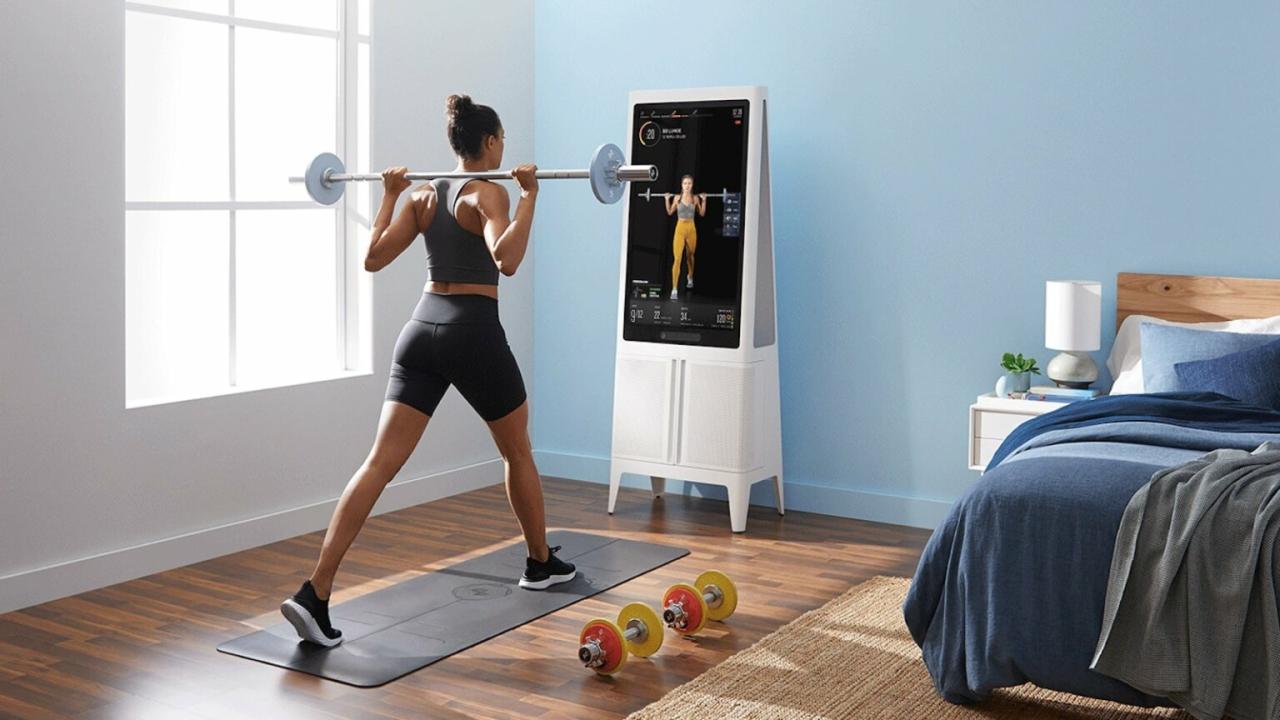
Transforming your home into a functional and intelligent fitness space is more accessible than ever. By strategically incorporating smart devices and applications, you can elevate your workout experience, making it more engaging, effective, and personalized. This integration leverages the power of AI to bring the benefits of a professional gym directly into your living room.The seamless integration of smart technology requires thoughtful planning, from selecting the right devices to optimizing your space.
This approach not only enhances your current fitness routine but also lays the groundwork for future advancements in home-based wellness.
Essential Smart Devices and Applications for Home Workouts
To build a robust smart home gym, consider a curated selection of devices and applications that work in synergy. These tools are designed to provide real-time data, personalized guidance, and immersive workout experiences.Here is a list of essential smart technology components:
- Smart Fitness Mirrors: These interactive displays offer guided workouts, form correction, and progress tracking, often powered by AI.
- Smart Wearables: Devices like smartwatches and fitness trackers monitor vital signs, activity levels, and sleep patterns, providing comprehensive health insights.
- Connected Equipment: This includes smart treadmills, stationary bikes, rowers, and strength training machines that sync with apps to offer varied workouts and data logging.
- Smart Home Hubs/Speakers: Devices like Amazon Echo or Google Home can control your gym environment (lighting, music) and act as voice assistants for workout commands.
- Fitness Applications: A variety of apps offer guided programs, virtual classes, personalized training plans, and community features, often integrating with your smart devices.
- Heart Rate Monitors: Chest straps or armbands provide more accurate heart rate data than wrist-based wearables, crucial for optimizing training intensity.
- Smart Scales: These devices track not only weight but also body composition metrics like body fat percentage and muscle mass, offering a deeper understanding of your fitness journey.
Setup Process for Common Intelligent Fitness Equipment
Setting up intelligent fitness equipment typically involves a few key steps to ensure optimal performance and connectivity. While specific instructions may vary by manufacturer, the general process focuses on physical assembly, power connection, and software synchronization.For most connected fitness equipment, the setup follows a common pattern:
- Unboxing and Assembly: Carefully unpack all components and follow the manufacturer’s instructions for physical assembly. This may involve attaching handlebars, pedals, screens, or other structural elements.
- Power Connection: Connect the equipment to a power source. Some high-end machines may have specific power requirements or battery backup systems.
- Network Connectivity: Connect the device to your home Wi-Fi network. This is crucial for accessing online features, software updates, and syncing with companion apps. You will typically be prompted to enter your Wi-Fi password on the device’s screen or through a mobile app.
- Software Updates: Once connected, the equipment will likely prompt you to download and install the latest software updates. This ensures you have access to the newest features and performance improvements.
- Account Creation and Synchronization: Create an account with the manufacturer’s platform or app. This account will store your workout data, preferences, and progress. You may need to pair your smart wearable or other devices with this account for comprehensive tracking.
- Calibration: Some equipment, particularly treadmills and strength machines, may require a calibration process to ensure accurate readings for speed, resistance, or rep counts. Follow the on-screen prompts or app instructions for this step.
Features of Different Types of Intelligent Fitness Mirrors and Their Applications
Intelligent fitness mirrors have emerged as a popular centerpiece for home gyms, offering a dynamic and interactive workout experience. These devices combine a sleek mirror design with advanced technology to provide guided classes, real-time feedback, and personalized training. The variety available caters to different needs and budgets.Here’s a comparison of common types and their applications:
- All-in-One Interactive Mirrors: These premium mirrors offer a vast library of live and on-demand classes across various disciplines like yoga, strength training, cardio, and boxing. They often feature AI-powered form correction, tracking your movements and providing audio or visual cues to improve technique. Applications include:
- Personalized class recommendations based on your fitness level and goals.
- Virtual personal training sessions with real-time instructor feedback.
- Gamified workouts to enhance motivation and engagement.
- Progress tracking and performance analytics.
- Smart Mirrors with Basic Connectivity: These mirrors typically offer access to a curated selection of workouts and may include features like music integration and basic progress tracking. While they might not have advanced AI form correction, they provide a visually appealing and convenient way to follow guided routines. Applications include:
- Following pre-set workout programs.
- Using them as a standard mirror when not in workout mode.
- Simple integration with streaming services for workout music.
- Mirrors with Integrated Smart Displays: Some mirrors have a built-in touchscreen that allows you to access fitness apps, browse the web, or even participate in video calls, all while providing a reflective surface. These are versatile for users who want a device that serves multiple purposes. Applications include:
- Accessing various fitness apps directly on the mirror.
- Using it as a smart home control hub.
- Entertainment options during rest periods.
Designing a Simple Home Gym Layout Maximizing Intelligent Fitness Aids
Creating an effective home gym layout involves optimizing space to accommodate your chosen smart technology and ensure a safe and motivating environment. The goal is to make your intelligent fitness aids easily accessible and integrated into your routine.A well-designed layout can significantly enhance the user experience. Consider the following elements:
- Central Placement of Smart Mirror: Position your smart fitness mirror in a central location where it can be easily viewed from different angles. Ensure there is adequate space in front of the mirror for exercises that require movement.
- Proximity to Power Outlets: Place all connected equipment, such as smart bikes or treadmills, near power outlets to avoid tripping hazards from extension cords.
- Designated Workout Zones: Create distinct zones for different types of activities. For example, a clear area for mat-based exercises (yoga, floor strength) and an open space for cardio equipment.
- Storage Solutions: Incorporate smart storage solutions for accessories like resistance bands, dumbbells, and yoga mats. This keeps your space tidy and your equipment readily available. Wall-mounted shelves or dedicated cabinets work well.
- Ergonomic Setup for Equipment: Ensure your smart cardio equipment is positioned to allow for comfortable use, with sufficient clearance around it. If using a smart bike, consider the height of the handlebars and seat for optimal posture.
- Lighting and Ambiance: Utilize smart lighting to create an inspiring atmosphere. Dimmable lights or color-changing bulbs can be adjusted to suit the intensity of your workout.
- Integration of Wearable Charging Stations: Designate a convenient spot to charge your smartwatches and fitness trackers, ensuring they are ready for your next workout.
- Minimizing Clutter: A clean and organized space is crucial for focus and motivation. Ensure that cables are managed and equipment is put away when not in use.
A simple yet effective layout might involve placing a smart mirror against a main wall, with a smart bike or treadmill positioned to the side, allowing clear visibility of the mirror. A designated corner can house mats and smaller equipment, with smart lighting overhead to set the mood. This arrangement ensures that all intelligent fitness aids are within easy reach and contribute to a cohesive workout experience.
Future Trends in AI-Assisted Home Fitness
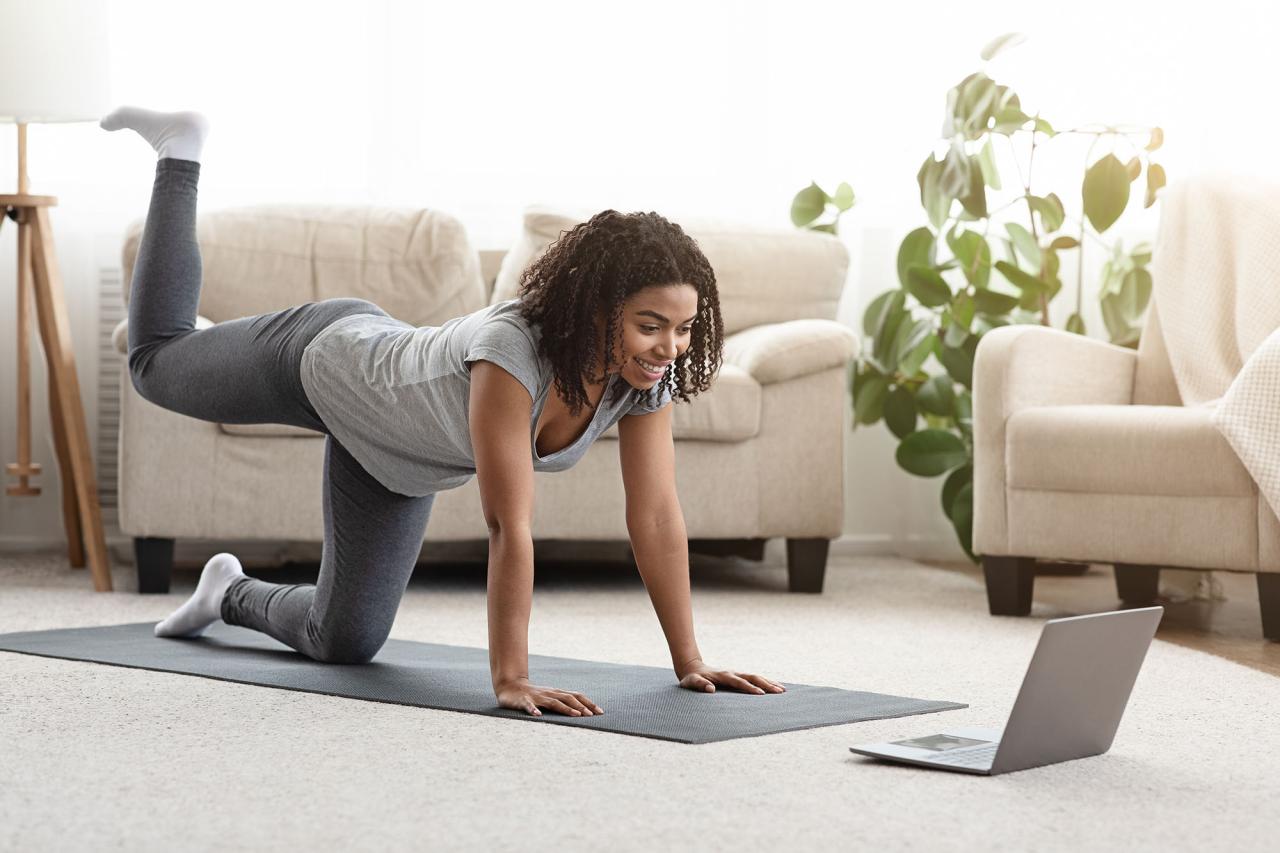
The landscape of home fitness is on the cusp of a significant transformation, driven by rapid advancements in artificial intelligence and related technologies. As AI systems become more intuitive and integrated, they are poised to offer increasingly personalized, holistic, and immersive workout experiences right within our living spaces. This evolution promises to make effective and engaging fitness more accessible than ever before.The future of AI-assisted home fitness is characterized by a move towards deeper personalization, broader wellness integration, and more captivating user experiences.
Emerging technologies are set to push the boundaries of what’s possible, creating an environment where intelligent systems act as true partners in our health and well-being journey.
Emerging Technologies Shaping Intelligent Home Exercise
The next wave of AI in home fitness will be propelled by a confluence of cutting-edge technologies. These innovations will move beyond current capabilities to create more responsive, adaptive, and engaging fitness solutions.
- Advanced Sensor Fusion: The integration of multiple sensor types, including wearables, smart apparel, and environmental sensors, will provide a more comprehensive understanding of a user’s physical state and surroundings. This allows for real-time adjustments to workouts based on a wider array of physiological data and ambient conditions.
- Edge AI and On-Device Processing: Shifting AI processing from the cloud to local devices will enable faster response times, enhanced data privacy, and more seamless operation, even with intermittent internet connectivity. This is crucial for immediate feedback and dynamic workout modifications.
- Generative AI for Content Creation: Generative AI models can be used to create novel workout routines, personalized music playlists that adapt to exertion levels, and even dynamic virtual environments that change based on user performance, offering an ever-fresh experience.
- AI-Powered Robotics and Haptics: While still in early stages for widespread home use, advancements in robotics and haptic feedback could lead to smart equipment that physically guides movements or provides tactile cues for correct form, especially in strength training or rehabilitation.
Sophisticated Biometric Feedback Integration
The depth and breadth of biometric data that AI can interpret and utilize will expand significantly, leading to hyper-personalized training regimes. This goes beyond basic heart rate monitoring to encompass a much richer understanding of the body’s responses.
- Continuous Glucose Monitoring (CGM) Integration: AI systems could analyze real-time glucose levels to optimize workout intensity and timing for better energy management and metabolic health, particularly beneficial for individuals managing diabetes or seeking peak performance.
- Stress and Recovery Monitoring: AI will increasingly leverage data from heart rate variability (HRV), sleep patterns, and even voice analysis to gauge stress levels and recovery status. Workouts can then be dynamically adjusted to prevent overtraining and promote optimal recovery.
- Neuromuscular Activity Analysis: Future AI might interpret signals related to muscle activation and fatigue through advanced sensors, allowing for precise adjustments in form and intensity to maximize effectiveness and minimize injury risk.
- Hormonal Fluctuation Tracking: While more speculative for home use, AI could eventually correlate workout responses with tracked hormonal cycles, enabling highly tailored training plans that align with individual physiological rhythms.
Holistic Wellness Coaching Beyond Physical Exercise
Intelligent systems are evolving to address the multifaceted nature of well-being, extending their coaching capabilities beyond just physical activity to encompass mental, emotional, and nutritional aspects.
- AI-Driven Nutritional Guidance: By analyzing workout data, dietary logs, and health goals, AI can provide personalized meal recommendations, recipe suggestions, and hydration reminders, creating a synergistic approach to fitness and nutrition.
- Mental Wellness Support: AI-powered chatbots and applications can offer guided meditation, mindfulness exercises, and cognitive behavioral techniques, helping users manage stress, improve sleep quality, and enhance their overall mental resilience.
- Behavioral Coaching and Habit Formation: Intelligent systems can employ sophisticated behavioral science principles to help users build sustainable healthy habits, overcome procrastination, and stay motivated through personalized nudges, rewards, and progress visualization.
- Social and Emotional Well-being Integration: Future AI might analyze user sentiment and social interactions (with consent) to provide support and suggest activities that promote social connection and emotional balance, recognizing these as critical components of holistic health.
Revolutionizing Home Workout Experiences with Virtual and Augmented Reality
Virtual Reality (VR) and Augmented Reality (AR) are set to transform home workouts from solitary activities into deeply engaging and interactive experiences, making them more enjoyable and effective.
- Immersive VR Fitness Environments: Users will be able to step into hyper-realistic virtual worlds, from serene natural landscapes to competitive sports arenas, making workouts feel less like a chore and more like an adventure. AI will dynamically adapt these environments based on user performance and preferences.
- AR Overlay for Real-time Guidance: Augmented reality can overlay holographic instructors, form guides, or performance metrics directly onto the user’s real-world view. Imagine seeing a virtual coach demonstrating perfect squat form in your living room or real-time rep counts appearing next to your weights.
- Interactive Gamification and Social VR Workouts: VR and AR will enable sophisticated fitness games that respond intelligently to user movements, offering challenging and rewarding experiences. Social VR platforms will allow users to work out with friends in virtual spaces, fostering a sense of community and accountability.
- Personalized Virtual Training Sessions: AI will power virtual trainers that not only guide workouts but also provide real-time form correction and personalized encouragement, mimicking the experience of a one-on-one session with a human trainer but with the convenience of home. For example, a virtual trainer might use AR to highlight a misaligned shoulder and verbally cue a correction.
Conclusive Thoughts

As we conclude, it’s clear that artificial intelligence is not just a trend but a powerful ally in our pursuit of a healthier lifestyle. By understanding and leveraging the capabilities of AI, you can create a home workout experience that is not only effective and personalized but also engaging and sustainable. Embrace these intelligent tools to unlock your full potential, conquer your fitness aspirations, and step confidently into the future of personalized wellness, ensuring your home workouts are managed with unparalleled efficiency and insight.