How to optimize home storage with AI is a topic that promises a revolutionary shift in how we manage our living spaces. As artificial intelligence continues to permeate various aspects of our lives, its potential to transform even the most mundane tasks, like organizing our homes, is becoming increasingly evident.
This exploration delves into the core principles of AI that can be harnessed to declutter, categorize, and efficiently utilize every nook and cranny of our homes. We will uncover how AI can learn our habits, suggest optimal placements for our belongings, and even proactively manage our inventory, ensuring a more streamlined and less stressful living environment.
Understanding the Potential of AI in Home Organization
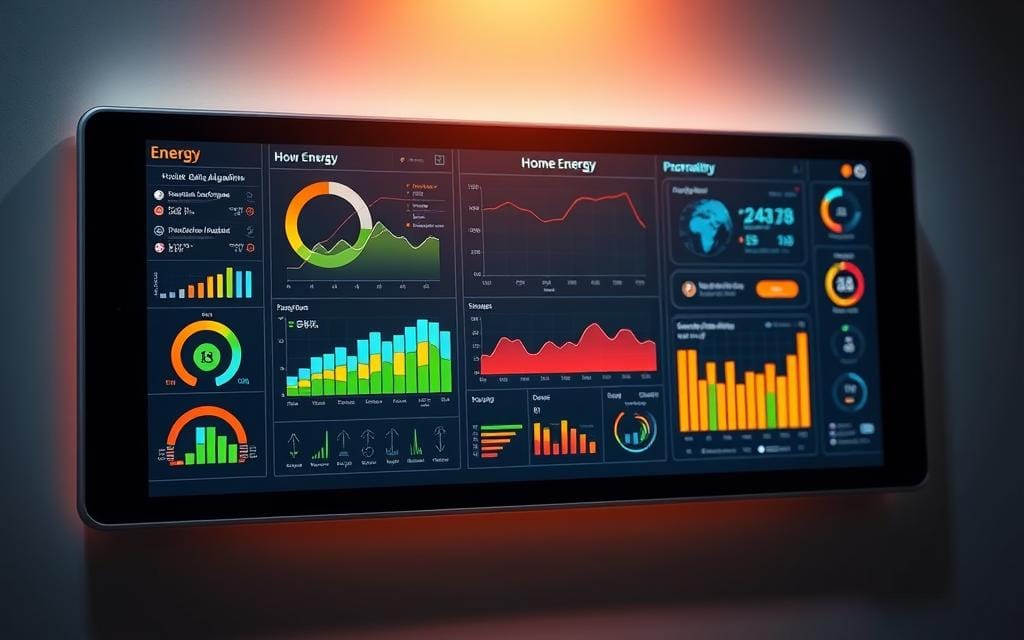
Artificial intelligence is poised to transform how we manage our living spaces, moving beyond simple digital lists to intelligent, adaptive systems. This evolution promises a more intuitive and efficient approach to decluttering, organizing, and maintaining a harmonious home environment. By leveraging AI, individuals can gain unprecedented insights into their belongings and storage habits, leading to personalized and sustainable organization solutions.The core principles of AI that are particularly relevant to home organization revolve around data analysis, pattern recognition, and predictive capabilities.
Machine learning algorithms can process vast amounts of information about an individual’s possessions, usage patterns, and spatial constraints to offer tailored recommendations. This enables AI to understand the context of items, their frequency of use, and their optimal storage locations, thereby streamlining the entire organization process.
Core AI Principles for Home Storage Optimization
Several key AI concepts underpin the ability to revolutionize home storage. These principles allow systems to learn, adapt, and provide intelligent solutions that go beyond static organizational methods.
- Machine Learning: This enables systems to learn from data without explicit programming. In home organization, it can analyze your decluttering habits, item usage, and spatial data to identify patterns and suggest improvements. For instance, an AI could learn which items you haven’t used in a year and recommend donating or selling them.
- Computer Vision: This allows AI to “see” and interpret images. In a home storage context, it can identify items in photos or videos of your rooms, cataloging them and suggesting appropriate storage. Imagine an AI that can identify a specific book on a shelf and tell you its genre and when you last read it.
- Natural Language Processing (NLP): This enables AI to understand and process human language. It allows for intuitive interaction, such as asking an AI assistant to find a specific item or to suggest where to store a newly acquired object. You could say, “AI, where should I put this new set of winter coats?” and receive a relevant suggestion.
- Predictive Analytics: By analyzing historical data and current trends, AI can forecast future needs and potential organizational challenges. This could involve predicting when you might run out of storage space for a particular category of items or suggesting proactive decluttering based on upcoming life events.
AI-Driven Features for Enhanced Decluttering and Storage
The application of AI in home organization manifests in various innovative features designed to simplify and optimize the entire process. These functionalities aim to make decluttering less daunting and storage more effective.
Smart Inventory Management
This feature leverages computer vision and data entry to create a comprehensive digital inventory of your belongings. AI can automatically identify items from photos, learn their characteristics, and categorize them.
- Automated Item Recognition: Upload a picture of an item, and the AI can identify it, suggest a category, and even estimate its value or condition. For example, uploading a photo of a vintage lamp could result in its identification as “Antique Brass Lamp, circa 1950,” with a prompt to add its purchase date and location.
- Usage Tracking: By integrating with smart home devices or through manual input, AI can track how often items are used. This data is crucial for identifying underutilized items that could be decluttered. An AI might notice you haven’t opened a particular board game in two years and suggest it be donated.
- Location Tagging: Once an item is cataloged, the AI can associate it with its storage location, whether it’s a specific shelf, bin, or room. This allows for quick retrieval by simply asking the AI. “AI, where did I store the Christmas decorations?” would yield a precise answer.
Personalized Decluttering Recommendations
AI can analyze your inventory, usage patterns, and even your stated goals to provide tailored advice on what to declutter. This moves beyond generic advice to highly personalized suggestions.
- Decluttering Prioritization: Based on factors like item condition, frequency of use, and sentimental value (which can be input by the user), AI can suggest items that are prime candidates for decluttering. It might highlight items that are duplicates, broken, or haven’t been touched in a significant period.
- Goal-Oriented Suggestions: If you set a goal, such as “reduce closet clutter by 20%,” the AI can actively suggest specific items that align with this objective. It might identify seasonal clothing that has not been worn for multiple seasons as potential candidates for donation.
- “Decision Fatigue” Reduction: AI can present decluttering choices in a simplified, actionable manner, reducing the mental burden associated with making these decisions. It can present groups of similar items and ask for a single decision about the group, rather than individual items.
Optimized Storage Space Allocation
AI can analyze the dimensions of your storage spaces and the size and quantity of your items to recommend the most efficient way to store them. This includes suggesting optimal bin sizes, shelf arrangements, and placement strategies.
- 3D Spatial Analysis: Using augmented reality (AR) and AI, systems can create a 3D model of your storage areas. This allows for virtual placement of items and visualization of the most efficient packing strategies. Imagine virtually seeing how many boxes will fit on a shelf and the best way to arrange them.
- Smart Bin and Container Recommendations: Based on the items you need to store, AI can suggest the ideal types and sizes of bins or containers. This prevents buying excess or insufficient storage solutions. For example, if you have many small craft supplies, the AI might recommend a modular drawer system.
- Accessibility Optimization: AI can also consider the frequency of access for items, suggesting that frequently used items be stored in more accessible locations, while less-used items can be placed in higher or deeper storage. This ensures convenience and reduces the effort required to retrieve everyday objects.
Identifying Smart Storage Opportunities with AI
Artificial intelligence offers a transformative approach to home organization, moving beyond simple decluttering to intelligent, adaptive storage solutions. By understanding our habits and the spatial dynamics of our homes, AI can pinpoint areas where storage can be significantly optimized, making our living spaces more functional and less cluttered. This section delves into the specific applications and conceptual frameworks for AI-driven home storage optimization.The true power of AI in home organization lies in its ability to analyze complex data patterns and translate them into actionable insights.
This goes beyond manual inventory or generic advice; AI can learn, adapt, and predict, leading to a more personalized and effective storage strategy.
Household Items and Areas for AI Storage Improvement
AI can identify and optimize storage for a wide range of household items and areas, particularly those that are frequently used, seasonally rotated, or prone to disorganization. The goal is to ensure that items are not only stored but are also easily accessible and that space is utilized efficiently.
- Frequently Accessed Items: AI can learn which items are used daily or weekly, such as kitchen utensils, work-related documents, or children’s toys. It can then suggest dedicated, easily accessible storage spots, like near the point of use (e.g., spices near the stove, remotes near the sofa) or in designated “grab-and-go” zones.
- Seasonal and Infrequently Used Items: Items like holiday decorations, seasonal clothing, or specialized hobby equipment can be intelligently managed. AI can track their usage patterns and recommend storage locations that are out of the way but still retrievable when needed, such as high shelves, under-bed containers, or dedicated storage rooms.
- Vertical Space Utilization: AI can analyze the height of rooms and the types of items stored to recommend the optimal use of vertical space. This might involve suggesting the installation of higher shelving for less-used items or tiered storage solutions for greater density.
- Decluttering and Donation Candidates: By analyzing the frequency of an item’s use and its condition, AI can identify items that are rarely used and might be candidates for donation or disposal, thus freeing up valuable storage space.
- Home Office and Workspace Organization: For home offices, AI can categorize documents, office supplies, and electronics, suggesting organized filing systems, designated charging stations, and efficient desk layouts to minimize clutter and maximize productivity.
- Kitchen and Pantry Management: AI can track inventory of food items, suggest optimal placement based on expiration dates, and even recommend meal preparation strategies based on available ingredients, thereby optimizing pantry and refrigerator storage.
AI-Driven Habit Learning for Optimal Storage Suggestions
The ability of AI to learn user habits is fundamental to its effectiveness in home organization. By observing and analyzing patterns of behavior, AI can move beyond static recommendations to dynamic, personalized storage solutions.An AI system would typically collect data through various means, such as user input, smart sensors, or even visual recognition of item placement. Over time, it builds a profile of how a user interacts with their belongings.
For instance, if a user consistently retrieves their running shoes from a specific bin by the door each morning, the AI learns this habit. It can then reinforce this behavior by ensuring that bin is always accessible and perhaps even suggesting other items related to running (like water bottles or headphones) be stored nearby.
“The most effective storage is not just about having a place for everything, but about having the right place for everything, informed by how we actually live.”
This habit-learning capability allows AI to:
- Predict Future Needs: If the AI observes that a user frequently prepares specific types of meals, it can proactively suggest keeping relevant ingredients and utensils together in the kitchen.
- Optimize Accessibility: Items used in sequence during a particular activity (e.g., coffee maker, mug, sugar, creamer) can be grouped together for convenience.
- Personalize Recommendations: Storage suggestions become highly individualized, reflecting the unique routines and preferences of each household member.
- Adapt to Changes: As habits evolve, the AI can learn and adjust its storage recommendations accordingly, ensuring continued optimization.
Conceptual Framework for AI-Powered Room Layout Analysis for Storage Efficiency
Designing an AI system to analyze room layouts for storage efficiency involves several key components, working together to create a comprehensive understanding of space and its potential. This framework focuses on how AI can interpret visual and spatial data to suggest improvements.The core of this system would be a visual recognition and spatial mapping module. Using cameras (either dedicated home-monitoring systems or even smartphone cameras during a setup process), the AI would create a 3D model of each room.
This model would identify fixed elements like walls, doors, windows, and furniture, as well as track the general volume and location of stored items.The framework can be conceptualized as follows:
| AI Module | Functionality | Data Input | Output |
|---|---|---|---|
| Spatial Mapping & Object Recognition | Creates a detailed 3D model of the room, identifying dimensions, furniture, and object placement. Recognizes common household items. | Camera feeds, user-defined room dimensions, object libraries. | 3D room model, object identification and location data. |
| Habit & Usage Pattern Analysis | Learns user interaction with objects and spaces based on historical data and real-time observation (e.g., frequency of access, time spent in a zone). | User input (manual tagging), sensor data (motion, proximity), past AI observations. | Item usage frequency, accessibility scores, predicted future needs. |
| Storage Efficiency Algorithm | Analyzes the 3D model and usage data to identify underutilized spaces, inefficient arrangements, and potential for consolidation. Calculates metrics like “storage density” and “accessibility score” per zone. | 3D room model, object data, usage patterns, predefined storage optimization rules. | Identification of inefficient storage areas, suggestions for re-arrangement, optimal item placement recommendations. |
| User Interface & Recommendation Engine | Presents AI insights and suggestions to the user in an understandable format. Allows for user feedback and iterative refinement. | Analysis results, user preferences, historical interactions. | Visualizations of proposed storage layouts, actionable to-do lists for organization, personalized storage tips. |
This conceptual system would aim to answer questions like: “Can this bookshelf be better utilized by rearranging these items?” or “Is there a more logical place to store seasonal clothing based on current space availability and future access needs?” The AI would then propose specific actions, such as suggesting the purchase of specific storage containers, reconfiguring shelves, or dedicating certain areas for particular types of items, all based on a holistic analysis of the user’s environment and habits.
AI-Powered Inventory Management for Home Storage

Moving beyond simply identifying storage opportunities, the next crucial step in optimizing your home is to actively manage what you own. Artificial intelligence offers sophisticated solutions to track, categorize, and locate your belongings, transforming the often-tedious task of inventory management into an efficient, digital process. This not only helps declutter your physical space but also provides a clear overview of your possessions, preventing duplicate purchases and ensuring you can find items when you need them.AI excels at processing vast amounts of data and identifying patterns, making it an ideal tool for creating and maintaining a comprehensive digital inventory of your home.
By leveraging various AI capabilities, you can gain unprecedented control over your possessions, reducing stress and saving valuable time.
Methods for AI to Track and Categorize Belongings
An AI system can employ several sophisticated methods to accurately track and categorize your home’s contents. These methods often work in conjunction to build a rich and detailed digital record of your inventory.
- Image Recognition and Object Detection: Users can take photos of items. The AI, trained on extensive datasets, can identify the object within the image (e.g., “blue ceramic mug,” “leather-bound novel,” “pair of running shoes”). It can then automatically assign relevant tags and categories based on visual cues.
- Natural Language Processing (NLP) for Descriptions: Users can verbally describe items or type in brief notes. NLP allows the AI to understand and interpret these descriptions, extracting key information like brand, color, material, size, and condition, and assigning them as metadata to the item.
- Barcode and QR Code Scanning: For items with existing barcodes or QR codes, the AI can integrate with scanning applications. Upon scanning, the AI can pull product information from online databases, automatically populating details such as model numbers, purchase dates, and even warranty information.
- Contextual Data Integration: By analyzing patterns of item usage (e.g., items frequently found in a specific room or used at certain times), the AI can infer context. For instance, if gardening tools are consistently photographed or scanned near the garage door, the AI can suggest categorizing them under “Outdoor & Garden.”
- Manual Input with AI Assistance: While AI can automate much of the process, manual input remains important. The AI can guide users through the input process, offering suggestions for categories and tags based on initial descriptions or images, thereby streamlining manual entry.
AI’s Role in Locating Misplaced Items
The creation of a digital inventory by an AI directly addresses the frustration of misplaced items. By maintaining a searchable database of your belongings, an AI system acts as a highly efficient digital assistant for retrieval.
A well-maintained AI inventory transforms a chaotic search into a precise digital query, saving significant time and reducing stress.
When you can’t find an item, instead of rummaging through closets and drawers, you can simply query your AI system. The AI can then:
- Search the Digital Inventory: Based on s (e.g., “my red scarf,” “the spare charger,” “that book on photography”), the AI searches its database for matching entries.
- Provide Location Data: Each inventory entry can be associated with a location. This could be a general area (e.g., “living room,” “kitchen pantry,” “master bedroom closet”) or a more specific location if the user has tagged it (e.g., “top shelf, left side, linen closet”).
- Suggest Last Known Location: If an item’s exact location isn’t logged, the AI can suggest the last place it was identified or scanned, offering a starting point for your search.
- Visualize Location (Optional Feature): Advanced systems might integrate with smart home cameras or floor plans to visually indicate the general area where the item is stored, providing an intuitive directional cue.
Setting Up an AI-Assisted Inventory System
Implementing an AI-assisted inventory system requires a structured approach. While the AI does the heavy lifting in categorization and tracking, your initial setup and ongoing engagement are key to its effectiveness.
- Choose an AI Inventory Management Platform: Research and select a suitable application or software. Look for features like image recognition, NLP capabilities, and user-friendly interfaces. Some smart home hubs or dedicated organizational apps offer these functionalities.
- Initial Data Input Strategy: Decide on your primary method for initial data entry. This could involve:
- Batch Scanning: If you have many items with barcodes, dedicate time to scan them in batches.
- Photographic Inventory: Start by photographing groups of items, room by room. The AI will then help you identify and categorize them.
- Focus on Key Areas: Begin with high-traffic areas or categories that are most prone to disorganization (e.g., kitchen, closets, garage).
- Engage with the AI for Categorization: As you input items, actively work with the AI’s suggestions. Confirm or correct its categorization. The more feedback you provide, the better the AI becomes at understanding your personal organizational system.
- Develop a Location Tagging System: Establish a consistent way to tag the physical location of items. This could be as simple as selecting from predefined room names or creating custom labels for specific shelves or containers.
- Establish a Routine for New Items: Make it a habit to log new purchases or items immediately. This prevents clutter from accumulating and ensures your inventory remains up-to-date.
- Regular Review and Refinement: Periodically review your inventory. Remove items that are no longer owned, update locations, and refine categories as your needs change. This ongoing maintenance ensures the system remains a valuable tool.
Optimizing Space Utilization with AI Algorithms
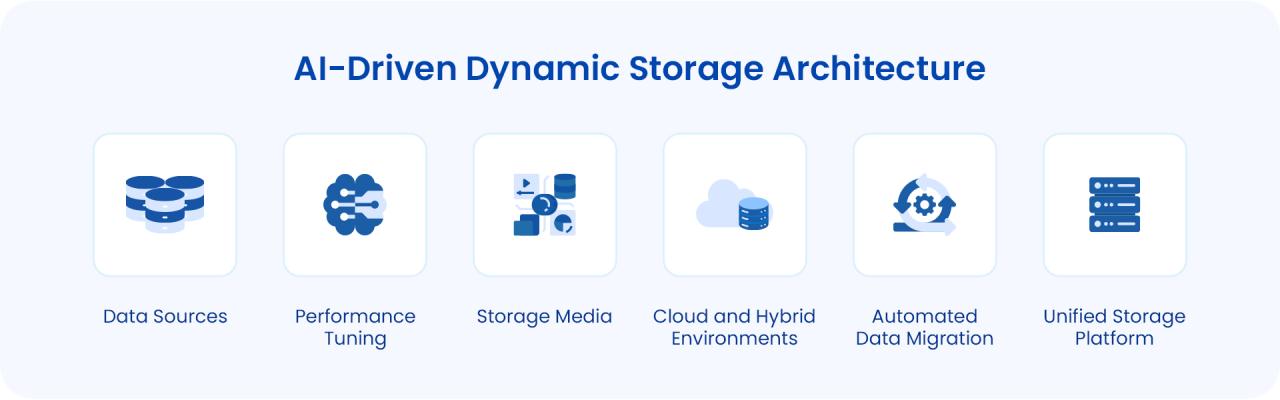
Beyond simply identifying storage opportunities, AI excels at maximizing the efficiency of the space you have. This involves sophisticated calculations and intelligent suggestions that transform how you organize your belongings, ensuring every cubic inch is put to its best use. AI algorithms can analyze the complex interplay of item dimensions, shapes, and frequently accessed needs to propose the most effective storage configurations, moving beyond generic solutions to highly personalized ones.AI’s prowess in space optimization stems from its ability to process vast amounts of data and identify patterns that humans might overlook.
By understanding the unique characteristics of your home and your possessions, AI can unlock hidden potential within your storage areas, leading to a more organized, accessible, and aesthetically pleasing environment.
Space Calculation and Suggestion Algorithms
AI employs a variety of algorithms to meticulously calculate and suggest the optimal use of available storage space. These algorithms move beyond simple measurements to understand the three-dimensional nature of both items and storage units, considering factors like weight distribution, accessibility, and even aesthetic harmony.
- Geometric Packing Algorithms: These algorithms, akin to sophisticated “bin packing” problems, analyze the dimensions, shapes, and even flexibility of items to determine how they can be most compactly arranged within a given storage volume. For example, AI can calculate the optimal orientation of books on a shelf to minimize wasted vertical or horizontal space, or determine the best way to stack boxes of varying sizes.
- Volume and Density Analysis: AI can calculate the total volume of items and compare it to the available storage volume. It can also factor in item density to suggest where heavier or lighter items should be placed for stability and ease of retrieval. This prevents situations where a large, empty container is used for a few small items, or where heavy items are placed precariously on top of lighter ones.
- Accessibility and Frequency of Use Modeling: Beyond just fitting items, AI can learn your usage patterns. Items accessed frequently can be algorithmically placed in more accessible locations, while less frequently used items can be relegated to higher shelves or deeper compartments. This optimizes not just space, but also your time and effort.
- Constraint Satisfaction Algorithms: These algorithms help AI adhere to specific user-defined constraints, such as maintaining a certain aesthetic, ensuring items are not damaged by proximity to others, or respecting the weight limits of shelves. For instance, if you specify that fragile items should not be stacked, the AI will incorporate this into its spatial calculations.
Custom Storage Configuration Analysis
The true power of AI in space optimization lies in its ability to move beyond one-size-fits-all solutions and propose custom storage configurations tailored to your specific inventory. By analyzing the dimensions, types, and even material properties of your belongings, AI can envision the ideal arrangement and the most suitable storage furniture.Imagine a scenario where AI analyzes a collection of irregularly shaped art supplies.
Instead of suggesting generic shelves, it might propose custom-built dividers within a drawer, specifically sized and angled to hold tubes of paint, brushes, and canvases without them rolling or clashing. For a wardrobe, AI could analyze the lengths of dresses, the bulk of sweaters, and the number of shirts to recommend a specific combination of hanging rods at different heights, specialized drawer inserts for folded items, and even the optimal placement of shoe racks.
This personalized approach ensures that every item has a designated, space-efficient home.
AI-Recommended Shelving Units and Containers
Based on the detailed inventory and spatial analysis, AI can go a step further by recommending specific shelving units or containers that will perfectly complement your storage needs. This isn’t just about suggesting generic storage boxes; it’s about identifying the precise dimensions, materials, and configurations of storage solutions that will maximize efficiency and accessibility.For instance, if AI identifies a significant collection of books of varying sizes, it might recommend adjustable shelving units where the shelf height can be precisely calibrated to minimize wasted vertical space between books.
For smaller items, like craft supplies or electronic accessories, AI could suggest modular drawer systems with customizable dividers, or stackable containers with interlocking designs to prevent slippage and maximize vertical storage.
“AI’s ability to analyze item geometry and spatial constraints allows for the creation of bespoke storage solutions that go far beyond traditional organizational methods.”
Consider a homeowner with a collection of sports equipment. AI could analyze the dimensions of skis, snowboards, bicycles, and camping gear. It might then recommend a combination of wall-mounted racks for skis and snowboards, a vertical bike storage system, and large, clear, stackable bins for camping equipment, ensuring that each item is stored securely, accessibly, and with minimal wasted floor space.
The AI could even suggest the optimal placement of these units within a garage or basement based on available wall space and door access.
AI for Proactive Decluttering and Maintenance

Moving beyond simple organization, Artificial Intelligence offers powerful capabilities to anticipate our needs and prevent clutter from accumulating in the first place. By analyzing usage patterns and environmental factors, AI can transform home storage from a reactive task into a proactive strategy for maintaining a serene and efficient living space. This section explores how AI can empower us to declutter before items become obsolete and to manage our storage spaces intelligently.AI’s ability to learn and adapt makes it an invaluable partner in the ongoing effort to keep our homes organized.
Instead of waiting for spaces to become overflowing or for items to be forgotten, AI can identify potential issues before they arise, offering timely suggestions and automating certain maintenance tasks. This forward-thinking approach ensures that our storage solutions remain effective and our living environments remain uncluttered.
Identifying Infrequently Used Items for Decluttering
AI can meticulously track the usage of items within your home, providing data-driven insights into what is truly essential and what has become dormant. By analyzing the frequency and recency of an item’s interaction with its environment, AI can flag objects that have not been accessed for extended periods. This proactive identification process allows for timely decluttering, preventing the accumulation of unused possessions that occupy valuable storage space.Strategies employed by AI for this purpose include:
- Pattern Recognition: AI algorithms can learn your habits and routines. For example, if a particular tool or piece of clothing has not been moved or used within a defined timeframe (e.g., six months or a year, depending on the item category), the AI can suggest it as a candidate for decluttering or donation.
- Contextual Analysis: AI can consider the context of an item’s storage. If a seasonal item, like holiday decorations, is flagged outside of its relevant season, it’s a clear indicator of low current utility.
- User Input Integration: While AI provides the initial identification, user feedback is crucial. Users can confirm whether an item is indeed unused or if there’s a specific reason for its inactivity, allowing the AI to refine its future suggestions.
For instance, an AI system connected to smart shelves or inventory tags could notice that a set of formal dinnerware has not been accessed since a specific event two years ago. The AI would then prompt the user: “The formal dinnerware set in the dining room cabinet has not been used in over two years. Would you like to consider decluttering or storing it elsewhere?”
Predicting Storage Overwhelm and Suggesting Preemptive Actions
A key advantage of AI in home storage is its predictive capability. By monitoring storage volumes, usage patterns, and incoming items, AI can forecast when specific storage areas are likely to reach their capacity, enabling users to take action before a crisis occurs. This foresight is instrumental in maintaining order and preventing the stressful situation of overflowing closets or cluttered surfaces.AI utilizes several methods for predicting storage overwhelm:
- Volume Analysis: AI can monitor the physical space occupied by items. If a storage bin’s contents are consistently increasing, or if items are being placed on top of existing ones, the AI can estimate when the bin will be full.
- Rate of Accumulation: By tracking how quickly new items are being added to storage, AI can project future fill rates. For example, if a family is consistently bringing in new books and the bookshelf is already 80% full, the AI can predict it will be overwhelmed within a month.
- Usage Cycle Forecasting: For items with predictable cycles, such as seasonal clothing or hobby supplies, AI can predict when demand for storage will increase and when existing storage might become insufficient.
Consider a scenario where an AI monitors your garage storage. It notices a steady influx of sports equipment, gardening tools, and seasonal items. Based on the current volume and the rate at which these items are being added, the AI might send a notification: “The garage storage unit is projected to reach 90% capacity in three weeks. Consider reorganizing or finding alternative storage for newly acquired items to avoid overflow.” This allows ample time to sort through items, declutter, or acquire additional storage solutions.
Monitoring Stored Item Condition and Alerting Users
Beyond just space management, AI can also contribute to the longevity and preservation of stored items by monitoring their condition. Through the integration of sensors or by analyzing visual data, AI can detect early signs of deterioration, damage, or environmental threats, providing timely alerts to prevent irreversible loss.The AI’s approach to monitoring item condition involves:
- Environmental Sensing: AI can integrate with smart home sensors that monitor temperature, humidity, and light levels in storage areas. For example, a sudden spike in humidity in a closet could indicate a potential for mold growth on stored fabrics or documents.
- Visual Inspection (with user permission and privacy safeguards): In more advanced systems, AI could analyze images of stored items. It might detect early signs of pests, corrosion on metal items, or fading on photographs if periodic visual checks are performed.
- Material Degradation Analysis: Based on known degradation rates of certain materials (e.g., paper, leather, certain plastics) and environmental conditions, AI can estimate the risk of damage over time and alert users to take preventative measures.
Imagine an AI system monitoring a storage box containing important documents or photographs in an attic. If integrated humidity sensors detect a significant and sustained rise in moisture levels, the AI would issue an alert: “High humidity detected in the attic storage area. There is an increased risk of mold and mildew affecting stored paper items. Please inspect and consider relocating or dehumidifying the area.” This proactive approach safeguards valuable possessions from environmental damage.
Implementing AI-Assisted Storage Solutions
Integrating Artificial Intelligence into your home storage strategy can transform a mundane chore into an efficient and intuitive process. This section will guide you through practical ways to incorporate AI tools, compare different implementation approaches, and explore the associated benefits and challenges. By leveraging AI, you can move beyond manual tracking and embrace a smarter, more organized living space.AI-assisted storage solutions offer a spectrum of integration levels, catering to various technical proficiencies and desired outcomes.
Whether you’re looking for a simple app to categorize your belongings or a more sophisticated system that actively manages your inventory, there’s an AI-powered approach for you. The key is to identify solutions that align with your lifestyle and storage needs, making the transition seamless and beneficial.
Approaches to AI Implementation in Home Organization
The adoption of AI for home organization can range from user-friendly applications to more integrated smart home systems. Understanding these different levels of implementation will help you choose the path that best suits your current setup and future aspirations for a well-organized home.
- Mobile Applications: These are often the most accessible entry point for AI-assisted storage. Many apps allow users to photograph items, which AI then uses for recognition, categorization, and even suggesting storage locations. Some advanced apps can track item usage and expiry dates, sending reminders for replenishment or disposal. For instance, apps like “Sortly” or “Pantry Check” utilize image recognition and user input to create digital inventories, making it easier to find what you need and avoid duplicate purchases.
- Smart Shelving and Containers: Emerging technologies are integrating AI directly into storage furniture. Smart shelves might use sensors to detect when an item is placed or removed, automatically updating an inventory. Some smart containers could feature built-in weight sensors or RFID readers to track contents. While these are less common for the average consumer currently, they represent a future where storage itself is intelligent and self-managing.
- Integrated Smart Home Systems: For those with a comprehensive smart home setup, AI-powered storage can become part of a larger ecosystem. Voice assistants could be used to query inventory, and AI algorithms could analyze household consumption patterns to predict when certain items will be needed, proactively suggesting where to store them or even recommending purchases. This approach offers the highest level of automation and convenience, seamlessly blending organization with daily life.
Integrating AI Tools into Existing Home Storage
Bringing AI into your home storage doesn’t necessarily require a complete overhaul. You can start with simple steps and gradually expand your AI integration. The goal is to make your current storage systems work smarter, not harder.To effectively integrate AI tools, consider the following practical steps:
- Start with a Digital Inventory: Begin by using a mobile app to photograph and catalog a specific area of your home, such as your pantry, closet, or garage. This process helps you understand what you own and where it is. The AI in these apps can then help categorize items, assign tags, and suggest optimal storage locations based on frequency of use or item type.
- Leverage Smart Tags and Labels: For items that are difficult to photograph or categorize automatically, consider using smart labels or QR codes. AI can be trained to recognize these codes, linking physical items to their digital records. This is particularly useful for collections, tools, or items stored in opaque containers.
- Utilize AI for Predictive Management: Once you have a digital inventory, AI can begin to offer predictive insights. For example, by tracking how often you use certain kitchen gadgets, an AI could suggest keeping them in a more accessible location. Similarly, for consumables, AI can monitor usage and alert you to low stock levels or upcoming expiry dates, aiding in proactive shopping and reducing waste.
- Connect with Other Smart Devices: If you have other smart home devices, explore integrations. For instance, a smart fridge might communicate with an AI pantry manager to ensure you don’t buy duplicates of items already stored. This interconnectedness amplifies the benefits of AI in managing your household.
Potential Benefits and Challenges of Adopting AI for Household Storage
Embracing AI in home storage offers significant advantages, but it’s also important to be aware of the potential hurdles. A balanced perspective will help you make informed decisions and manage expectations.The benefits of AI-assisted storage are numerous and can profoundly impact household efficiency:
- Enhanced Efficiency and Time Savings: AI automates the tedious tasks of cataloging, tracking, and searching for items, freeing up valuable time. Finding what you need quickly reduces frustration and streamlines daily routines.
- Reduced Waste and Cost Savings: By accurately tracking inventory and expiry dates, AI helps prevent food spoilage and the purchase of duplicate items, leading to significant cost savings and a reduction in household waste.
- Optimized Space Utilization: AI algorithms can analyze the dimensions and types of items you own, suggesting the most efficient ways to arrange them within your storage spaces, thereby maximizing available room.
- Improved Organization and Reduced Clutter: AI-powered decluttering suggestions and inventory management encourage a more organized lifestyle, making it easier to maintain a clutter-free environment.
However, adopting these technologies also presents challenges:
- Initial Setup and Learning Curve: Implementing new AI tools, especially more complex systems, may require an initial investment of time and effort to set up and learn how to use them effectively.
- Data Privacy and Security Concerns: Storing detailed information about your possessions raises privacy concerns. It’s crucial to choose AI solutions from reputable providers that prioritize data security and offer clear privacy policies.
- Cost of Implementation: While some AI tools are free or low-cost, more advanced smart storage solutions or integrated systems can involve a significant financial investment.
- Reliance on Technology: Over-reliance on AI systems could pose challenges if technology fails or if users are not comfortable troubleshooting technical issues. A backup manual system or understanding of basic organization principles remains important.
- Accuracy and AI Limitations: While AI is rapidly advancing, it is not infallible. Image recognition may sometimes misidentify items, and algorithmic suggestions might not always be perfect for every individual’s unique needs or preferences.
“The goal of AI in home organization is not to replace human intuition, but to augment it, making the process of managing our belongings more intelligent and less burdensome.”
Future Trends in AI and Home Storage
As we continue to explore the exciting possibilities of AI in home organization, it’s crucial to look ahead at the emerging technologies and concepts that will shape the future of our living spaces. The integration of AI into home storage is not just about managing what we have today, but about anticipating and adapting to our evolving needs and lifestyles.
This forward-looking perspective will empower us to create even more efficient, intuitive, and personalized home environments.The trajectory of AI development suggests a move towards more sophisticated and deeply integrated systems. These advancements promise to transform how we interact with our belongings, moving beyond simple cataloging to predictive management and proactive assistance. The goal is to create a seamless experience where AI actively contributes to a clutter-free and harmonious home.
Emerging AI Technologies for Enhanced Home Storage
The next wave of AI in home storage will be driven by several cutting-edge technologies that promise to revolutionize how we manage our possessions. These advancements will offer greater precision, deeper understanding, and more proactive capabilities.
- Advanced Computer Vision and Object Recognition: Future AI systems will possess highly refined computer vision capabilities, allowing them to not only identify objects with unparalleled accuracy but also to understand their context, condition, and potential uses. This could lead to AI automatically recognizing wear and tear on items, suggesting repairs or replacements before they become a problem.
- Natural Language Processing (NLP) for Intuitive Interaction: Enhanced NLP will enable more natural and conversational interactions with AI assistants regarding storage. Instead of rigid commands, users will be able to express their needs in everyday language, such as “Find my winter coat, I think it’s in the guest room closet, and remind me to donate these old books next week.”
- Machine Learning for Predictive Organization: AI will learn our habits and patterns of use, predicting when we might need certain items and suggesting optimal storage locations. For example, if AI notices you frequently access gardening tools during spring, it might proactively suggest moving them to a more accessible location as the season approaches.
- Robotics Integration for Physical Assistance: The convergence of AI with robotics could lead to automated storage solutions. Imagine robotic arms that can retrieve items from high shelves or reorganize storage units based on AI-driven optimization algorithms, especially beneficial for individuals with mobility challenges.
- Edge AI for Real-time Processing: Processing AI algorithms directly on smart devices (edge AI) will enable faster, more responsive storage management without constant reliance on cloud connectivity, enhancing privacy and speed.
Personalized AI Assistants for Home Management
The evolution of AI will undoubtedly lead to the development of highly specialized personal assistants dedicated to the intricate task of home management and organization. These assistants will go beyond generic task management to become integral partners in maintaining an orderly and functional living space.These personalized AI assistants will act as extensions of our own organizational capabilities, learning our preferences, anticipating our needs, and proactively addressing potential issues before they arise.
Their deep understanding of our routines and possessions will allow for an unprecedented level of tailored support.
- Context-Aware Recommendations: These assistants will offer advice tailored to your specific situation. For instance, if you’re packing for a trip, the AI might remind you where you stored your travel adapter and suggest packing it.
- Behavioral Learning and Adaptation: Over time, the AI will learn your tidying habits, your decluttering triggers, and your preferred methods of organization. It will adapt its suggestions and actions to align with your personal style, making the process feel less like a chore and more like a natural extension of your own efforts.
- Proactive Maintenance and Care Reminders: Beyond just organizing, these assistants can monitor the condition of stored items. They might remind you to rotate seasonal clothing to prevent moth damage or suggest cleaning for delicate items based on storage duration.
- Seamless Integration with Digital Life: The AI assistant will connect with your digital calendars and to-do lists, automatically scheduling time for organizing tasks or reminding you to put items back after use.
Smart Home Ecosystems and Integrated Storage Solutions
The future of home storage is intrinsically linked to the development of comprehensive smart home ecosystems. As these ecosystems become more sophisticated, AI will play a pivotal role in creating truly integrated and intelligent storage solutions that extend beyond individual devices.The vision is a home where all smart devices communicate and collaborate, with AI orchestrating the flow of information and actions related to storage.
This interconnectedness will unlock new levels of efficiency and convenience, making home management an almost effortless endeavor.
- Interconnected Device Communication: Imagine a smart refrigerator AI communicating with your pantry inventory AI. If the fridge detects you’re low on milk, the pantry AI could confirm if there’s milk stored there and alert you if not, or suggest adding it to your shopping list.
- Automated Storage Adjustments: AI within a smart home could dynamically adjust storage solutions. For example, if a smart closet detects a significant increase in clothing items, it could automatically suggest optimizing shelf placement or expanding storage capacity through connected modular units.
- Energy-Efficient Storage Management: AI can optimize the energy consumption of smart storage solutions. For instance, smart cooling units for wine or food storage could adjust their operation based on AI’s understanding of usage patterns and external environmental conditions.
- Unified User Interface for All Storage: A central AI hub within the smart home will provide a single, intuitive interface to manage all aspects of home storage, from digital inventories to the physical location of items.
- Scenario-Based Storage Automation: The AI could trigger specific storage actions based on predefined scenarios. For example, when the AI detects you’re leaving for vacation, it could automatically consolidate and secure seasonal items, and adjust climate controls in storage areas to save energy.
Final Conclusion
In conclusion, the integration of AI into home storage offers a compelling vision for the future of organization. From intelligent inventory management to predictive decluttering and optimized space utilization, AI presents a powerful suite of tools to transform chaotic spaces into serene, functional environments. Embracing these advancements not only promises greater efficiency but also a more harmonious relationship with our living spaces, paving the way for a future where our homes work smarter for us.