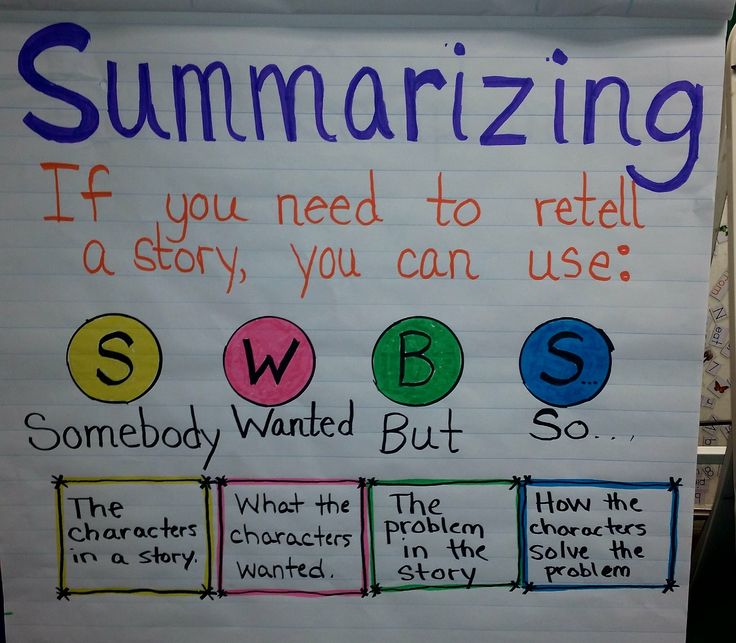
Embarking on a journey to master academic texts, we explore the transformative power of artificial intelligence in distilling complex information. This guide unveils the sophisticated processes and practical steps involved in leveraging AI to condense lengthy textbooks, making learning more efficient and accessible.
Discover how AI can transform your study habits by identifying core concepts, extracting essential details, and even generating study aids. We will navigate the landscape of AI summarization techniques, from understanding the fundamental principles to practical application and thoughtful consideration of its limitations.
Understanding the Core Concept
Summarizing textbooks with AI involves leveraging sophisticated algorithms to distill vast amounts of information into concise and digestible summaries. This process mimics how a human expert might read and extract key ideas, but at a significantly accelerated pace and scale. The goal is to retain the essential arguments, evidence, and conclusions while omitting extraneous details, examples, or elaborations that do not contribute to the core understanding.The fundamental process begins with the AI analyzing the text, identifying key sentences and paragraphs that represent the main themes and supporting points.
It then employs techniques such as natural language processing (NLP) to understand the relationships between different concepts, the hierarchy of information, and the overall narrative structure of the textbook. Finally, it synthesizes this understanding into a coherent and condensed summary, often tailored to a specific length or focus.
AI Textbook Summarization Inputs
For an AI to effectively process and summarize textbook content, several types of inputs are typically required. These inputs provide the necessary data for the AI’s algorithms to operate on and generate accurate summaries.The primary inputs for AI textbook summarization include:
- Full Text of the Textbook: This is the most crucial input, providing the raw data for the AI to analyze. It can be in various digital formats, such as PDF, EPUB, or plain text. The quality and completeness of this input directly impact the summary’s accuracy.
- Specific Chapters or Sections (Optional): Users may wish to summarize only particular parts of a textbook. Providing these specific sections allows the AI to focus its processing power and generate more targeted summaries.
- Desired Summary Length: Users can often specify the approximate length of the desired summary, whether it’s a few bullet points, a paragraph, or a more detailed synopsis. This guides the AI in determining how much information to retain.
- Key Focus Areas (Optional): In some advanced systems, users can highlight specific topics or questions they are particularly interested in. The AI can then prioritize information related to these focus areas during the summarization process.
Primary Benefits of Employing AI for Textbook Summarization
The adoption of AI for summarizing textbooks offers a multitude of advantages for students, educators, and researchers alike. These benefits streamline the learning and comprehension process, making academic material more accessible and manageable.The primary benefits include:
- Time Efficiency: AI can process and summarize an entire textbook in a fraction of the time it would take a human. This is invaluable for students facing tight deadlines or needing to quickly grasp the essence of multiple texts.
- Enhanced Comprehension: By presenting the core ideas in a condensed format, AI summaries help users quickly identify and understand the main arguments and concepts, improving overall comprehension and retention.
- Accessibility to Information: AI summaries can make complex academic texts more approachable for a wider audience, including those with learning disabilities or individuals who are new to a particular subject.
- Identification of Key Themes: AI excels at identifying recurring themes and central arguments within a text, ensuring that the most important information is highlighted.
- Foundation for Deeper Study: Summaries can serve as an excellent starting point for more in-depth study. Users can use the summary to get an overview before diving into the detailed content of the textbook.
- Reduced Cognitive Load: By filtering out less critical information, AI summaries reduce the cognitive load on the reader, allowing them to focus on understanding the essential knowledge.
AI-Powered Summarization Techniques
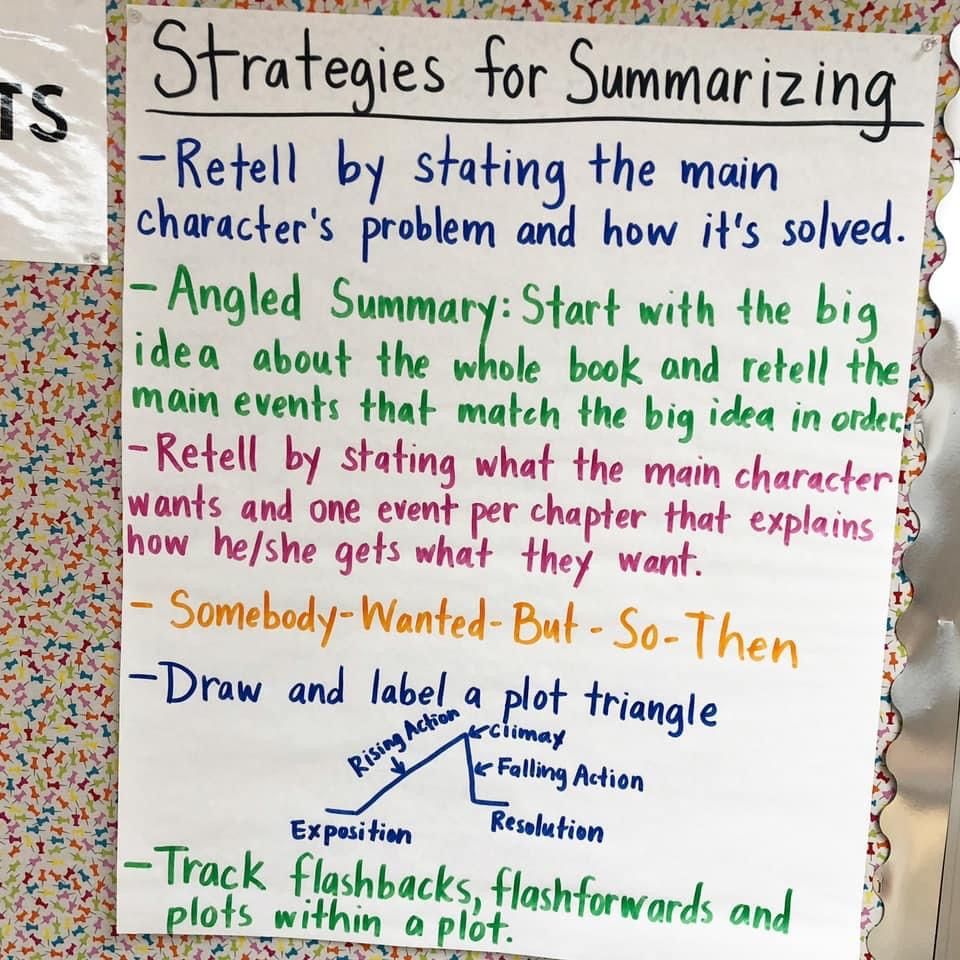
Artificial intelligence has revolutionized how we process information, and textbook summarization is a prime example. Advanced AI models employ sophisticated techniques to distill lengthy texts into concise, digestible summaries, making complex academic material more accessible. These methods aim to identify the most crucial information and present it coherently, saving students and researchers valuable time.At its core, AI summarization involves understanding the semantic meaning of the text and identifying its most salient points.
This is achieved through various natural language processing (NLP) techniques that allow machines to “read” and interpret human language. The effectiveness of these techniques directly impacts the quality and usefulness of the generated summaries.
Information Identification and Extraction Approaches
AI models utilize a range of algorithms and techniques to pinpoint and extract key information from textbooks. These methods are designed to mimic human comprehension by recognizing patterns, relationships, and the hierarchical structure of information within a document.
- Natural Language Processing (NLP): This foundational field of AI enables machines to understand, interpret, and generate human language. Techniques like tokenization, part-of-speech tagging, and named entity recognition help break down text into manageable units and identify important entities like people, places, and concepts.
- Topic Modeling: Algorithms such as Latent Dirichlet Allocation (LDA) can identify underlying themes or topics within a large body of text. This helps in grouping related sentences and paragraphs, thereby revealing the main subjects discussed in a chapter or section.
- Sentence Importance Scoring: AI models assign scores to sentences based on various factors, including their position in the text (e.g., first and last sentences of paragraphs often contain key ideas), the presence of s, and their centrality to the overall meaning of the document.
- Graph-Based Ranking: Techniques like TextRank, inspired by Google’s PageRank algorithm, represent sentences as nodes in a graph. The connections between nodes (sentences) are based on their semantic similarity. Sentences that are highly connected to other important sentences are deemed more significant.
- Deep Learning Models: Advanced neural networks, particularly transformer-based models like BERT and GPT, excel at understanding context and semantic relationships. They can capture nuanced meanings and dependencies between words and sentences, leading to more accurate identification of key information.
Extractive vs. Abstractive Summarization
The AI summarization landscape is broadly divided into two primary approaches: extractive and abstractive. Understanding the difference between these methods is crucial for appreciating their respective strengths and applications.
Extractive summarization involves selecting and concatenating important sentences directly from the original text to form a summary. This method preserves the original wording and ensures factual accuracy, as it doesn’t introduce new information or rephrase existing content. It’s akin to highlighting the most critical sentences in a textbook.
Abstractive summarization, on the other hand, aims to generate a summary that conveys the core meaning of the source text in new words. This approach requires a deeper understanding of the text, as the AI model must paraphrase, synthesize, and rephrase information. It’s more akin to a human writing a summary from scratch, using their own words to explain the concepts.
Differentiating Essential Concepts from Supporting Details
A key capability of advanced AI summarization tools is their ability to discern between fundamental concepts and the illustrative or supporting details that elaborate on them. This differentiation is vital for creating concise and informative summaries that focus on the core message.
- and Phrase Frequency Analysis: While not the sole determinant, the repeated occurrence of certain s and phrases often indicates their importance. AI models can analyze these frequencies to identify central themes.
- Contextual Understanding: Modern AI, especially through deep learning, excels at understanding the context in which words and sentences appear. This allows it to recognize when a sentence introduces a new, crucial idea versus when it provides an example, explanation, or elaboration of an existing one. For instance, sentences defining a term or stating a theorem are typically prioritized over sentences that offer a specific case study or statistical data to back up the theorem.
- Discourse Structure Analysis: AI can analyze the logical flow and structure of a text. It can identify topic sentences, concluding remarks, and transitional phrases that signal the introduction or reinforcement of key ideas. This helps in distinguishing main points from secondary information.
- Named Entity Recognition (NER): By identifying and categorizing entities (e.g., people, organizations, dates, scientific terms), AI can determine which entities are central to the narrative or argument being presented. If a concept is consistently linked to key entities, it is likely a core concept.
- Coreference Resolution: This technique helps AI understand when different words or phrases refer to the same entity. By tracking these references, AI can build a more robust understanding of the relationships between concepts and their attributes, helping it identify the primary subjects of discussion.
For example, in a physics textbook discussing Newton’s laws of motion, an AI would identify “Newton’s first law,” “inertia,” and “an object at rest stays at rest” as core concepts. Sentences detailing specific experiments demonstrating inertia or providing numerical examples of forces would be recognized as supporting details, important for understanding but not the fundamental law itself. Similarly, in a history textbook, the AI would prioritize the causes and consequences of a major event over anecdotal accounts or biographical details of minor figures involved.
Practical Application Steps
Transitioning from understanding the concepts to actually using AI for textbook summarization involves a structured approach. This section Artikels a step-by-step procedure, emphasizes refinement, and provides a crucial checklist to ensure an effective and efficient summarization process.
Step-by-Step AI Textbook Summarization Procedure
Implementing AI for textbook summarization can be streamlined into a series of actionable steps. Following this sequence will help you leverage AI tools effectively, from initial input to the final polished summary.
- Select and Prepare Your Textbook Content: Identify the specific chapter or section you wish to summarize. Ensure the text is in a digital format that your chosen AI tool can process (e.g., PDF, plain text, Word document). For scanned documents, optical character recognition (OCR) may be necessary to convert images of text into machine-readable text.
- Choose Your AI Summarization Tool: Several AI-powered tools are available, ranging from general-purpose AI assistants like Kami, Bard, or Claude, to specialized summarization software. Consider factors such as the tool’s ability to handle long texts, its summarization style options (e.g., bullet points, paragraph form), and any cost associated with its use.
- Input Text into the AI Tool: Copy and paste the prepared text into the AI tool’s input field or upload the document if the tool supports it. For very long texts, you might need to process them in sections.
- Specify Summarization Parameters (if available): Some advanced tools allow you to specify the desired length of the summary (e.g., a percentage of the original text, a word count) or the focus of the summary (e.g., key arguments, definitions, historical context). If such options exist, utilize them to guide the AI.
- Generate the Initial Summary: Initiate the summarization process. The AI will analyze the text and produce an initial draft of the summary based on its algorithms.
- Review and Edit the AI-Generated Summary: This is a critical step. Read the generated summary critically. Compare it against the original text to verify accuracy, identify any misinterpretations, or check for missing key information.
- Refine for Clarity and Conciseness: Edit the summary to improve its flow, sentence structure, and overall readability. Remove redundant phrases, jargon that might not be universally understood, or overly complex sentence constructions. Ensure the summary accurately reflects the core message of the original text.
- Fact-Check and Verify: For academic or critical information, it is paramount to fact-check any claims or data points presented in the AI-generated summary against reliable sources. AI models can sometimes generate plausible-sounding but incorrect information.
- Iterate if Necessary: If the initial summary is unsatisfactory, consider adjusting your prompts (if using a conversational AI) or re-processing the text with different parameters. You might also need to perform more extensive manual editing.
Refining AI-Generated Summaries for Accuracy and Clarity
The output from an AI summarization tool is a starting point, not a final product. A diligent refinement process is essential to ensure the summary is not only accurate but also clearly communicates the intended information. This involves a combination of critical reading and targeted editing.
The process of refining an AI-generated summary begins with a thorough comparison against the original source material. The goal is to identify any discrepancies, omissions, or misinterpretations. Pay close attention to the nuanced meanings of complex ideas and ensure that the summary captures these accurately. For instance, if the original text discusses a cause-and-effect relationship, verify that the summary correctly attributes the cause and effect without oversimplifying or distorting the connection.
Clarity is achieved by rephrasing sentences that are awkward, too technical, or too simplistic. Sometimes, AI might use overly generic language; in such cases, it’s beneficial to incorporate more precise terminology from the textbook where appropriate. Ensuring smooth transitions between points and a logical flow is also part of enhancing clarity. A well-refined summary should read as if it were written by a human expert who has thoroughly understood and synthesized the material.
Checklist for AI-Assisted Textbook Summarization
To maximize the effectiveness of using AI for summarizing textbooks, it is beneficial to have a structured approach that includes considerations both before and after the AI has generated its output. This checklist helps ensure all necessary steps are taken for optimal results.
Before Using AI for Summarization
Preparing adequately before engaging an AI tool can significantly improve the quality and relevance of the generated summary. This preparatory phase focuses on understanding your needs and the material itself.
- Objective Definition: Clearly define the purpose of the summary. Is it for quick review, identifying key arguments, extracting specific data, or understanding complex concepts?
- Text Accessibility: Ensure the textbook content is in a digital, machine-readable format. If it’s a physical book, consider scanning and using OCR software.
- Tool Selection: Choose an AI summarization tool that aligns with your needs regarding text length, output format, and desired level of detail.
- Understanding Scope: Determine the specific sections or chapters to be summarized. Attempting to summarize an entire textbook at once might yield less precise results.
- Awareness of AI Limitations: Recognize that AI tools can make errors, misinterpret context, or lack nuanced understanding of highly specialized fields.
After Using AI for Summarization
The post-generation phase is crucial for transforming the AI’s initial output into a reliable and useful summary. This involves critical evaluation and refinement.
- Accuracy Verification: Cross-reference the summary’s key points, facts, and figures with the original textbook to ensure fidelity.
- Clarity and Conciseness Review: Read the summary aloud to identify awkward phrasing, jargon, or redundancy. Edit for improved flow and readability.
- Completeness Check: Ensure that all essential concepts and arguments from the original text are represented in the summary.
- Contextual Appropriateness: Verify that the summary maintains the original context and doesn’t distort the author’s intent.
- Source Attribution (if applicable): If using the summary for academic purposes, ensure you understand how to properly cite the original source material, as the AI itself is not a source.
- Personal Understanding: Use the summary as a tool to deepen your own comprehension, rather than a replacement for engaging with the material.
Choosing the Right AI Tools
Selecting the appropriate AI tool is a crucial step in leveraging artificial intelligence for textbook summarization. The effectiveness of your summarization process will largely depend on the capabilities and features of the AI you choose. This section will guide you through understanding the different types of AI platforms, identifying essential features, and establishing criteria for evaluating their performance.Different AI platforms offer varying approaches to text condensation, each with its own strengths and weaknesses.
Understanding these distinctions will help you align your choice with your specific academic needs and the nature of the textbooks you intend to summarize.
Types of AI Platforms for Text Condensation
AI tools designed for text summarization can be broadly categorized based on their underlying technology and their primary function. These categories offer a framework for understanding the landscape of available options.
- General-Purpose AI Assistants: These are broad AI models, often large language models (LLMs), that can perform a wide range of tasks, including summarization. Examples include Kami, Bard (now Gemini), and Claude. They are versatile and can adapt to different summarization styles and complexities.
- Dedicated Summarization Software: These tools are specifically engineered for text summarization. They may employ more specialized algorithms for identifying key sentences, extracting important information, or generating abstractive summaries. Examples might include platforms focused solely on academic paper summarization or business report condensation.
- Browser Extensions and Add-ons: Many AI summarization tools are available as browser extensions or integrated into document editing software. These offer convenience by allowing summarization directly within your workflow, often on web pages or documents.
- APIs and Developer Tools: For users with technical expertise or those looking to integrate summarization into custom applications, APIs from AI providers offer programmatic access to summarization capabilities. This allows for greater control and customization.
Features to Look For in AI for Academic Content Processing
When selecting an AI tool for summarizing academic textbooks, certain features are particularly important to ensure accuracy, relevance, and efficiency. These features cater to the unique demands of academic material, which often involves complex terminology, intricate arguments, and extensive data.
Consider the following key features when evaluating AI summarization tools for your academic needs:
- Accuracy and Fidelity: The AI should accurately capture the core arguments, key findings, and essential details of the original text without misrepresenting information or introducing errors.
- Comprehension of Academic Language: The tool should be proficient in understanding specialized vocabulary, technical jargon, and complex sentence structures common in academic writing across various disciplines.
- Customizable Summary Length: The ability to specify the desired length of the summary (e.g., by word count, percentage, or number of bullet points) is essential for tailoring the output to different study requirements.
- Key Point Extraction: The AI should be able to identify and highlight the most critical points, theories, or evidence presented in the text, which is invaluable for quick review and understanding.
- Abstractive vs. Extractive Summarization: Some tools focus on extracting sentences directly from the source (extractive), while others generate new sentences that convey the meaning (abstractive). A good tool might offer both options or excel at abstractive summarization, which often leads to more coherent and concise summaries.
- Source Citation Support: While not always a primary feature, some advanced tools may assist in identifying potential sources or key references within the text, aiding in further research.
- User Interface and Ease of Use: An intuitive interface makes the process of uploading texts and generating summaries straightforward, saving valuable study time.
- Data Privacy and Security: For sensitive academic materials or personal notes, understanding the tool’s data handling policies is important.
Criteria for Evaluating AI Summarization Tool Effectiveness
To ensure that an AI summarization tool meets your academic objectives, it’s important to have a clear set of criteria for evaluating its effectiveness. This involves testing the tool with various types of academic content and assessing the quality of the generated summaries against your expectations.
The following criteria can be used to assess the performance of an AI summarization tool:
- Relevance of Information: Does the summary include the most important concepts, theories, and evidence from the textbook? Are crucial details omitted?
- Coherence and Readability: Is the summary easy to understand? Does it flow logically, or does it feel like a disjointed collection of sentences?
- Conciseness: Does the summary effectively condense the material without sacrificing essential information?
- Objectivity: Does the summary remain faithful to the original text’s intent and tone, or does it introduce the AI’s own interpretations or biases?
- Completeness of Core Concepts: Are all the major themes and arguments of the textbook represented in the summary?
- Speed of Generation: How quickly can the tool produce a summary, especially for lengthy textbooks?
- Handling of Complex Texts: How well does the AI perform with dense academic prose, specialized terminology, and lengthy chapters?
For instance, when evaluating a tool’s effectiveness in summarizing a complex scientific textbook, you would check if it accurately identifies and explains key experimental methodologies, scientific principles, and conclusions. A summary that merely lists chapter titles or a few disconnected facts would be considered ineffective. Conversely, a summary that clearly articulates the main hypothesis, the evidence supporting it, and the implications of the findings demonstrates high effectiveness.
Enhancing Summaries with AI
Moving beyond basic summarization, AI offers powerful capabilities to deepen your understanding of textbook content. By leveraging these advanced features, you can transform raw summaries into dynamic learning tools that cater to your individual study habits and learning objectives. This section explores how AI can elevate your textbook comprehension by identifying underlying patterns and generating supplementary study materials.AI excels at processing large volumes of text to identify subtle connections and recurring ideas that might be missed during manual review.
This analytical power allows for a more nuanced understanding of complex subjects, highlighting the author’s central arguments and the evidence supporting them.
Identifying Recurring Themes and Core Arguments
AI algorithms can analyze the frequency and context of s, phrases, and concepts throughout a textbook. This analysis helps to pinpoint the most important themes and the central arguments the author is making. By tracking how these elements are introduced, developed, and reinforced, AI provides a structural overview of the material, revealing the logical flow of the author’s reasoning.AI can identify core arguments by:
- Analyzing the prominence of specific claims and their supporting evidence across chapters.
- Detecting the repetition of key concepts and their interconnectedness.
- Mapping the relationships between different ideas and their contribution to the overarching thesis.
- Highlighting sentences or paragraphs that represent pivotal statements or conclusions.
For instance, in a history textbook, AI could identify that the “Industrial Revolution” is not just a topic, but a recurring theme linked to subsequent discussions on urbanization, labor movements, and technological advancements. It would then highlight how each chapter contributes to the broader argument about the transformative impact of this period.
Generating Study Guides and Flashcards
Once core themes and arguments are identified, AI can be used to generate tailored study aids. These tools are invaluable for active recall and reinforcing knowledge. AI can extract key definitions, important dates, critical theories, and significant figures, presenting them in a format conducive to memorization and review.Methods for AI-generated study guides and flashcards include:
- Definition Extraction: AI can identify and extract definitions of key terms, often providing context from the original text.
- Question Generation: AI can formulate questions based on the content, prompting you to recall specific facts or explain concepts.
- Key Point Compilation: AI can compile lists of the most crucial takeaways from each chapter or section, serving as a concise study guide.
- Concept Mapping: While more advanced, some AI tools can help visualize the relationships between different concepts, creating a mind-map-like structure.
Imagine using an AI tool to process a biology textbook. It could automatically generate flashcards with terms like “mitochondria” on one side and its definition and function on the other, or create a study guide outlining the steps of cellular respiration with accompanying key vocabulary.
Integrating AI-Generated Summaries into a Learning Workflow
Effectively integrating AI-generated summaries into your personal learning workflow requires a strategic approach. These tools are most powerful when used to supplement, rather than replace, your own critical engagement with the material. The goal is to leverage AI for efficiency and deeper insight, while still maintaining your active role as a learner.Strategies for integration include:
- Pre-reading Analysis: Use AI summaries to get a quick overview of a chapter’s main points before diving into detailed reading. This primes your brain for the information to come.
- Active Reading Companion: As you read, use AI to clarify complex sentences or to quickly find supporting evidence for a particular argument.
- Post-reading Review: Employ AI-generated study guides and flashcards for efficient revision. Test your understanding by trying to answer the AI-generated questions without referring to the textbook.
- Identifying Knowledge Gaps: If you struggle to answer AI-generated questions or understand certain summary points, it indicates areas where you need to focus more attention.
- Personalized Learning Paths: Over time, you can use AI to help identify your preferred learning styles by observing which AI-generated materials (e.g., Q&A, concise points, flashcards) you find most effective.
For example, after reading a chapter on economics, you might use an AI tool to generate a list of key economic principles discussed. You can then use these principles as prompts for self-testing, or ask the AI to generate specific questions about how each principle applies to real-world scenarios, reinforcing your comprehension.
Limitations and Considerations
While AI offers powerful tools for summarizing textbooks, it’s crucial to acknowledge its limitations and approach its output with a critical eye. Understanding these potential pitfalls ensures you leverage AI effectively without compromising accuracy or academic integrity. AI summarization is a supportive tool, not a replacement for genuine comprehension.The effectiveness of AI summarization hinges on various factors, including the quality of the AI model, the complexity and structure of the textbook, and the specific subject matter.
Recognizing these nuances allows for a more informed and strategic use of AI in your study process.
Potential Challenges and Inaccuracies
AI models, despite their sophistication, can encounter difficulties in accurately interpreting and condensing complex academic texts. These challenges can manifest in several ways, leading to summaries that may be incomplete, misconstrued, or lacking in critical nuance. It is therefore essential to be aware of these potential issues.
- Misinterpretation of Nuance and Context: AI may struggle to grasp subtle meanings, irony, sarcasm, or the broader historical and theoretical context of a passage, leading to oversimplification or misrepresentation of the author’s intent.
- Over-reliance on s: Some AI models may prioritize frequently occurring s, potentially overlooking less frequent but equally important concepts or arguments.
- Inability to Discern Importance: AI might not always accurately distinguish between primary arguments and supporting details, leading to summaries that give undue weight to minor points or omit crucial information.
- Hallucinations and Factual Errors: In rare cases, AI can “hallucinate” information, generating statements that are not present in the original text or are factually incorrect. This is more common with generative AI models.
- Bias in Training Data: AI models are trained on vast datasets, which may contain inherent biases. These biases can subtly influence the AI’s interpretation and summarization of certain topics or perspectives.
- Difficulty with Highly Technical or Specialized Language: While AI is improving, highly specialized jargon, complex mathematical formulas, or niche theoretical frameworks can still pose challenges for accurate summarization.
Verifying Information in AI-Generated Summaries
Given the potential for inaccuracies, diligently verifying the information presented in AI-generated summaries is a non-negotiable step. This process not only ensures the accuracy of your understanding but also reinforces your own critical thinking skills.To effectively verify AI-generated summaries, consider the following strategies:
- Cross-Referencing with the Original Text: The most fundamental step is to compare the AI’s summary points directly against the relevant sections of the textbook. Look for direct quotes or paraphrased ideas to confirm accuracy.
- Consulting Multiple Sources: If a particular concept or fact seems questionable, broaden your research. Consult other reputable textbooks, academic articles, or scholarly websites to corroborate the information.
- Seeking Expert Opinion: For complex or critical topics, don’t hesitate to discuss the AI-generated summary with your professor, a teaching assistant, or a subject matter expert. Their insights can highlight any misinterpretations.
- Focusing on Key Arguments and Evidence: Pay close attention to whether the AI accurately represents the main thesis of each chapter or section and the evidence used to support it. If these are misrepresented, the entire summary is likely flawed.
- Using AI as a Starting Point, Not an Endpoint: Treat the AI summary as a preliminary draft or a guide. Your own critical analysis and synthesis of the material are what truly solidify your understanding.
Ethical Considerations in Academic Tasks
The integration of AI into academic pursuits brings forth important ethical considerations that students must navigate responsibly. Upholding academic integrity is paramount, and understanding these ethical dimensions ensures that AI is used as a tool for learning, not as a shortcut to avoid it.When using AI for academic tasks, including textbook summarization, it is crucial to adhere to the following ethical principles:
- Plagiarism and Academic Dishonesty: Submitting an AI-generated summary as your own original work without proper attribution constitutes plagiarism. Always cite your sources, including any AI tools used, if required by your institution or instructor. Understanding your institution’s policy on AI usage is vital.
- Intellectual Property: Be mindful that AI models are trained on copyrighted material. While summarizing is generally considered fair use, the output should be your own interpretation and synthesis, not a direct reproduction of AI-generated text that might infringe on original works.
- Fairness and Equity: Ensure that your use of AI does not create an unfair advantage over peers who may not have access to or choose not to use these tools. The goal is to enhance learning, not to circumvent the learning process.
- Developing Critical Thinking: Over-reliance on AI for summarization can hinder the development of essential critical thinking and analytical skills. The process of grappling with complex texts and formulating your own understanding is integral to academic growth.
- Transparency: If your academic institution or instructor has specific guidelines regarding the use of AI, it is your responsibility to understand and adhere to them. Transparency about your methods fosters trust and academic integrity.
“The primary goal of using AI in education should be to augment human learning and critical thinking, not to replace it.”
Structuring AI-Generated Summaries
Effectively structuring AI-generated summaries is crucial for transforming raw output into a digestible and actionable study aid. A well-organized summary leverages the AI’s analytical capabilities while presenting information in a manner that facilitates comprehension and retention. This section Artikels methods for organizing these summaries using standard HTML elements, ensuring clarity and responsiveness.The goal is to move beyond a simple block of text and create a structured document that mirrors the logical flow of the original textbook content, making it easier for students to navigate and extract key information.
This approach enhances the utility of AI summarization tools by providing a framework for presenting their findings.
Organizing Key Information with Tables
A table is an excellent tool for presenting core components of an AI-generated summary in a clear, comparative format. This structure allows for easy scanning and identification of essential elements, making it particularly useful for textbook chapters. We can design a responsive table that accommodates up to four columns, providing a comprehensive overview of the summarized content.The table will feature the following columns: “Key Concept,” “Supporting Details,” “Page Numbers,” and “AI Confidence Score.” The “Key Concept” column will highlight the main idea or topic from the textbook section.
“Supporting Details” will offer concise elaborations or sub-points related to the key concept. “Page Numbers” will provide direct references to the original text, enabling quick lookups for further context or verification. Finally, the “AI Confidence Score” offers an indication of the AI’s certainty regarding the accuracy and relevance of the extracted information, allowing users to gauge the reliability of each point.
| Key Concept | Supporting Details | Page Numbers | AI Confidence Score |
|---|---|---|---|
| Photosynthesis | Process by which green plants and some other organisms use sunlight to synthesize foods with the help of chlorophyll pigment. | pp. 45-52 | 0.95 |
| Cellular Respiration | Metabolic process that converts biochemical energy from nutrients into adenosine triphosphate (ATP), and then releases waste products. | pp. 55-60 | 0.92 |
| Mitosis | A type of cell division that results in two daughter cells each having the same number and kind of chromosomes as the parent nucleus. | pp. 63-68 | 0.90 |
Presenting Critical Definitions and Theorems
For highly significant definitions, theorems, or axioms that are fundamental to understanding the subject matter, a blockquote structure is ideal. This formatting visually separates these critical pieces of information from the main body of the summary, drawing the reader’s attention and emphasizing their importance. The AI can be trained to identify and extract these crucial statements, which can then be presented within `
` tags for distinct emphasis.This method ensures that learners do not overlook foundational concepts, which are often the building blocks for more complex topics. For instance, a key theorem in physics or a core definition in economics can be highlighted this way, making it easier for students to commit them to memory.
Definition of Photosynthesis: Photosynthesis is the process used by plants, algae and cyanobacteria to convert light energy into chemical energy, through a process that uses sunlight, water and carbon dioxide. This chemical energy is stored in carbohydrate molecules, such as sugars, which are synthesized from carbon dioxide and water.
Textbook, p. 45
Newton’s First Law of Motion: An object at rest stays at rest and an object in motion stays in motion with the same speed and in the same direction unless acted upon by an unbalanced force.
Physics Textbook, p. 112
Actionable Study Points for Effective Learning
To make an AI-generated summary truly useful for studying, it should include a list of actionable points. These points, derived from the AI’s analysis of the textbook content, should guide the student on how to engage with the material effectively. Presenting these as a bulleted list makes them easy to read and follow.These study points can range from suggesting review questions, recommending specific practice problems, or prompting the student to connect concepts to real-world examples.
The AI can identify patterns in the text that suggest areas for deeper exploration or application, thereby creating a personalized study guide.The following are key actionable study points derived from the AI-processed textbook section on the Water Cycle:
- Review the distinct stages of the water cycle: evaporation, transpiration, condensation, precipitation, and collection.
- Explain the role of solar energy in driving the evaporation process.
- Identify how human activities, such as deforestation, can impact the water cycle.
- Research and describe a specific example of how the water cycle affects local weather patterns in your region.
- Consider the implications of climate change on the global water cycle, focusing on potential shifts in precipitation and drought frequency.
The following are actionable study points for understanding the economic principles of supply and demand:
- Define the law of demand and the law of supply, and illustrate each with a graphical representation.
- Analyze how shifts in non-price determinants (e.g., income, tastes, technology, input costs) affect the supply and demand curves.
- Calculate the equilibrium price and quantity given specific supply and demand functions.
- Discuss real-world scenarios where changes in supply or demand have led to significant price fluctuations, such as the impact of a sudden frost on orange juice prices.
- Evaluate the effectiveness of government interventions, like price controls or subsidies, on market equilibrium.
Final Wrap-Up
In conclusion, the integration of AI into textbook summarization offers a powerful pathway to enhanced learning and deeper comprehension. By understanding its capabilities, choosing the right tools, and applying best practices, you can unlock a more efficient and effective approach to academic study. Embrace these advancements to not only manage information overload but to truly master your subject matter.