How to translate conversations with ai is revolutionizing how we connect across linguistic divides. This exploration delves into the fascinating world of artificial intelligence, uncovering the technologies that enable real-time dialogue interpretation and translation. We will journey through the practical applications, understand the underlying mechanics, and discover how these tools are dismantling language barriers in both personal and professional spheres.
From the fundamental principles of neural machine translation to the intricate challenges of capturing nuance and context, this guide offers a comprehensive look at AI’s role in bridging communication gaps. We will examine the step-by-step processes involved in utilizing these advanced tools, explore methods for evaluating their accuracy, and peer into the exciting future of AI-driven cross-lingual interaction.
Understanding the Fundamentals of AI-Powered Conversation Translation
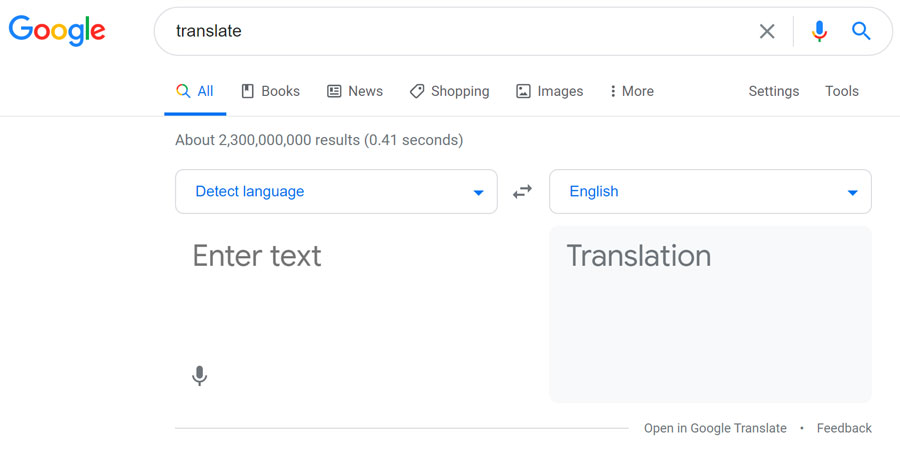
AI-powered conversation translation has revolutionized how we communicate across language barriers, making real-time interactions seamless and accessible. This technology leverages sophisticated algorithms and vast datasets to interpret, translate, and even vocalize spoken or written dialogue, effectively bridging linguistic divides in a dynamic manner.The core of this capability lies in the convergence of several key AI technologies. Natural Language Processing (NLP) is fundamental, enabling machines to understand, interpret, and manipulate human language.
Within NLP, two crucial sub-fields are Speech Recognition, which converts spoken words into text, and Natural Language Understanding (NLU), which deciphers the meaning and intent behind that text. For the translation itself, advanced machine learning models are employed, with Neural Machine Translation (NMT) being the dominant paradigm.
Core Technologies Enabling AI Conversation Translation
AI conversation translation relies on a multi-layered technological architecture. Initially, spoken language is captured by microphones and processed by Automatic Speech Recognition (ASR) systems. These systems, often built using deep learning models like Recurrent Neural Networks (RNNs) or Transformer architectures, analyze acoustic features to transcribe the audio into text. This text then undergoes Natural Language Understanding (NLU) to grasp the semantic meaning, syntactic structure, and intent of the speaker.
Finally, the translated text is rendered into the target language, and if necessary, synthesized back into speech using Text-to-Speech (TTS) technology, which also employs advanced neural networks for natural-sounding vocalization.
Types of AI Models for Language Translation
The evolution of machine translation has seen significant advancements, with Neural Machine Translation (NMT) now being the industry standard. NMT models, particularly those based on the Transformer architecture, have surpassed previous statistical and rule-based methods.
- Statistical Machine Translation (SMT): These models relied on statistical probabilities derived from large parallel corpora (texts in two languages). They broke down sentences into phrases and looked for the most probable translation based on these statistics. While an improvement over rule-based systems, SMT struggled with fluency and handling long-range dependencies.
- Neural Machine Translation (NMT): NMT uses deep neural networks to learn the mapping between source and target languages. Early NMT models often employed Recurrent Neural Networks (RNNs) like Long Short-Term Memory (LSTM) or Gated Recurrent Units (GRUs) in an encoder-decoder framework. The encoder processed the source sentence into a fixed-length vector, and the decoder generated the target sentence from this vector.
- Transformer Models: This architecture, introduced in 2017, revolutionized NMT. Transformers eschew recurrence and instead rely entirely on attention mechanisms, allowing them to weigh the importance of different words in the input sequence regardless of their position. This parallel processing capability and superior handling of long-range dependencies have led to unprecedented accuracy and fluency in translations. Models like Google’s Transformer, BERT, and GPT variants are prominent examples.
Primary Challenges in Translating Nuanced Conversations
Translating human conversation is far more complex than a word-for-word substitution. AI models often encounter difficulties with the inherent subtleties of natural language, particularly in spoken dialogues where tone and unspoken cues play a significant role.
- Idioms and Figurative Language: Phrases like “break a leg” or “it’s raining cats and dogs” have meanings that cannot be deduced from the literal interpretation of their words. AI models need to be trained on vast datasets that include common idiomatic expressions and their equivalent meanings in other languages.
- Slang and Colloquialisms: The ever-evolving nature of slang, regional dialects, and informal language presents a constant challenge. A word or phrase popular today might be obsolete tomorrow, requiring continuous updates to AI training data.
- Cultural References: Allusions to historical events, popular culture, specific customs, or social norms can be deeply embedded in conversations. If the AI’s training data lacks context for these references, the translation may become nonsensical or lose its intended meaning. For instance, a reference to a specific national holiday or a popular local celebrity might be untranslatable without cultural context.
- Ambiguity and Polysemy: Many words have multiple meanings (polysemy), and the correct interpretation often depends heavily on the surrounding context. AI models must be able to discern the intended meaning from the conversational flow.
- Tone and Emotion: Sarcasm, humor, irony, and subtle emotional undertones are difficult for AI to detect and convey accurately. The same sentence can have drastically different meanings depending on the speaker’s tone, which is hard to capture purely through text or even audio analysis.
Comparison of AI Approaches to Ambiguity and Context
Different AI translation approaches vary in their ability to handle the inherent ambiguity and context within conversations. The progression from simpler models to sophisticated neural networks represents a significant leap in contextual understanding.
| AI Approach | Handling of Ambiguity and Context | Strengths | Weaknesses |
|---|---|---|---|
| Rule-Based Machine Translation (RBMT) | Relies on predefined grammatical rules and dictionaries. Struggles significantly with ambiguity as it lacks the ability to infer meaning from context. | Can be precise for very specific, rule-bound language. | Very rigid, poor fluency, cannot handle new linguistic patterns. |
| Statistical Machine Translation (SMT) | Uses statistical models to find the most probable translation of word and phrase pairs. Shows some improvement in context by considering surrounding words but still limited. | Better fluency than RBMT, can learn from data. | Struggles with long-range dependencies and complex grammatical structures; context window is relatively small. |
| Neural Machine Translation (NMT) – RNN-based | Encoder-decoder architecture allows for better capture of sequential context. Can understand sentence structure and some word dependencies. | Improved fluency and better handling of grammatical agreement compared to SMT. | Can still suffer from vanishing gradients for very long sentences, limiting deep contextual understanding. |
| Neural Machine Translation (NMT) – Transformer-based | Attention mechanisms enable models to weigh the importance of all words in the input sequence, regardless of distance. This allows for a much deeper understanding of context and resolution of ambiguity. | State-of-the-art performance, excellent handling of long-range dependencies, high fluency, and ability to capture nuanced meaning. Effectively handles polysemy by considering the entire sentence context. | Requires massive datasets and significant computational resources for training. Can still be challenged by highly abstract or culturally specific nuances not present in training data. |
Practical Applications and Use Cases
AI-powered conversation translation is revolutionizing how we connect and collaborate across linguistic divides. This technology moves beyond simple text translation, enabling real-time, nuanced understanding in spoken interactions. Its applications span a wide spectrum, from enhancing personal relationships to streamlining complex international business operations, fundamentally altering the landscape of global communication.The integration of AI translation tools into existing communication platforms and devices is making these capabilities readily accessible.
Whether through dedicated translation apps, built-in features in messaging services, or wearable devices, the aim is to embed seamless translation into our daily interactions. This accessibility is crucial for democratizing communication and fostering greater understanding.
Personal Communication Scenarios
AI translation significantly enhances personal interactions for individuals navigating different languages. It facilitates deeper connections and reduces the friction often associated with cross-cultural communication.
- Travel and Tourism: Tourists can engage more authentically with locals, order food with confidence, and navigate unfamiliar environments without the stress of language barriers.
- International Friendships and Relationships: Maintaining close ties with friends or family members who speak a different language becomes effortless, fostering stronger personal bonds.
- Multicultural Communities: Residents in diverse neighborhoods can communicate more effectively with their neighbors, promoting community cohesion and mutual understanding.
Business and Professional Interactions
In the globalized business world, AI translation is an indispensable tool for efficiency, market expansion, and client relations. It empowers organizations to operate on an international scale with greater ease and effectiveness.
- International Sales and Client Meetings: Businesses can conduct meetings and negotiations with clients worldwide, ensuring clear communication of products, services, and agreements. For instance, a startup pitching to investors in a foreign country can use real-time AI translation to present their business plan without misinterpretations.
- Customer Support: Companies can offer multilingual customer service, resolving issues for a broader customer base and improving customer satisfaction. Imagine a global e-commerce platform providing instant support to customers in their native languages, leading to fewer abandoned carts and higher loyalty.
- Global Team Collaboration: Remote teams spread across different countries can collaborate seamlessly on projects, sharing ideas and feedback without language-induced delays or misunderstandings. This is particularly vital for tech companies with distributed development teams.
- International Conferences and Events: AI translation can provide real-time captions or audio translations for attendees at global conferences, making information accessible to a wider audience.
Integration into Platforms and Devices
The effectiveness of AI translation is amplified by its seamless integration into the tools and devices we use daily. This ubiquity ensures that translation is not an afterthought but a natural part of the communication process.
- Messaging and Video Conferencing Apps: Many popular platforms now incorporate real-time text and voice translation, allowing users to chat or conduct video calls with individuals speaking different languages as if they were speaking the same one. Examples include features in Skype Translator and Google Translate’s conversation mode.
- Smartphones and Wearable Devices: Dedicated translation apps on smartphones and earbuds with built-in translation capabilities offer on-the-go translation for spoken conversations. Imagine wearing translation earbuds that instantly translate what someone is saying into your ear in real-time.
- Automotive and Smart Home Devices: Future integrations may see AI translation embedded in car infotainment systems for navigation and communication, or in smart home assistants to facilitate interactions with international visitors.
Impact on Global Collaboration
AI translation is a powerful catalyst for breaking down language barriers, fostering a more interconnected and collaborative world. It levels the playing field, allowing individuals and organizations to participate more fully in global discourse and endeavors.
“AI translation is not just about converting words; it’s about bridging cultures and fostering genuine human connection on a global scale.”
This technology enables:
- Increased Access to Information: Knowledge and research from around the world become accessible to a wider audience, accelerating scientific and academic progress.
- Enhanced Diplomacy and International Relations: Facilitates clearer communication between nations, reducing potential for diplomatic misunderstandings.
- Empowerment of Global Workforce: Individuals can access job opportunities and contribute to international projects regardless of their native language.
Industries Leveraging AI for Multilingual Conversations
A diverse range of industries is actively adopting AI translation to enhance their operations and reach. The ability to communicate effectively across languages is proving to be a significant competitive advantage.
The following industries are particularly benefiting from AI-powered multilingual conversation capabilities:
- Technology: Software development, IT support, and product localization.
- E-commerce and Retail: Customer service, marketing, and expanding into international markets.
- Healthcare: Patient communication, medical tourism, and global research collaboration.
- Education: Online learning platforms, international student support, and access to global academic resources.
- Travel and Hospitality: Hotel services, airline communication, and tourist information.
- Media and Entertainment: Content localization, subtitling, and reaching global audiences.
- Finance: International banking, cross-border transactions, and client communication.
- Government and Public Services: Diplomacy, international aid, and supporting diverse populations.
Step-by-Step Procedures for Using AI Conversation Translators
Navigating the landscape of AI-powered conversation translation is becoming increasingly intuitive, with tools designed to streamline communication across language barriers. This section Artikels the typical journey a user takes when employing these technologies, from initial setup to the delivery of translated dialogue. Understanding these procedural steps empowers individuals and businesses to leverage AI for more effective global interactions.The process generally involves a series of well-defined actions, ensuring that the translation is accurate, timely, and presented in a user-friendly format.
Whether you are engaging in a live discussion or processing recorded conversations, the underlying workflow remains consistent, adapting to various input and output preferences.
Initiating and Conducting a Translated Conversation
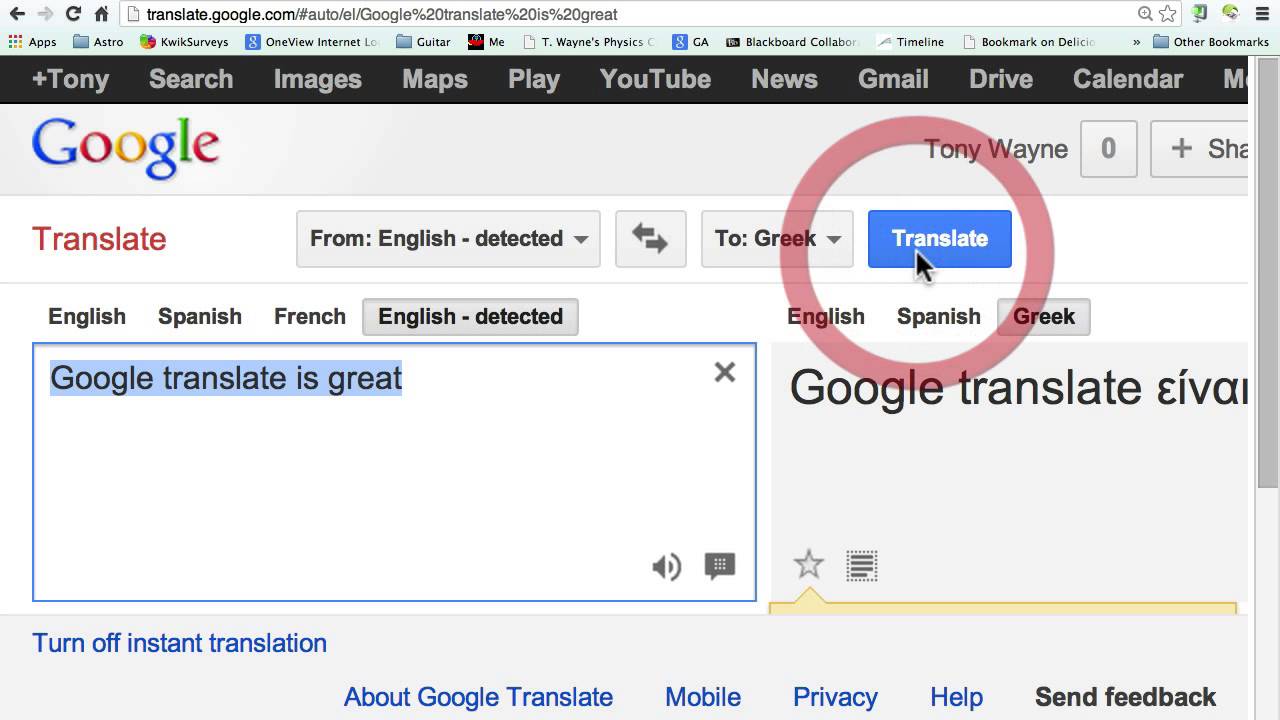
The typical workflow for initiating and conducting a translated conversation using AI tools begins with selecting the appropriate application or platform. Once chosen, the user defines the languages involved in the conversation, specifying both the source and target languages. This setup is crucial for the AI to accurately process and translate the incoming dialogue. The next step involves deciding on the input method, whether it’s real-time voice, pre-recorded audio, or written text.
The AI then actively listens or processes the input, performing the translation in the background. For live conversations, the translated output is often delivered in real-time, allowing for immediate comprehension and response. In scenarios involving recorded content, the translation is generated as a complete transcript or audio file.
Input Methods for AI Translation
AI conversation translators are designed to accommodate diverse communication styles and data formats, offering flexibility in how users provide content for translation. This adaptability ensures that a wide range of scenarios, from spontaneous spoken interactions to formal documented exchanges, can be effectively managed.The primary input methods include:
- Voice Input: This is the most common method for real-time conversation translation. Users speak directly into their device’s microphone, and the AI transcribes and translates their speech. This is essential for live, face-to-face or remote discussions where immediate understanding is paramount.
- Text Input: Users can type or paste text directly into the translation interface. This method is ideal for translating written messages, emails, or documents, and is also useful for users who prefer to compose their thoughts before speaking or for situations where speaking is not feasible.
- File Uploads: Many advanced AI translation tools support the upload of audio or video files. The AI then processes the entire file, transcribing and translating the spoken content within. This is particularly valuable for translating interviews, lectures, meetings, or any pre-recorded audio-visual material.
Output Formats and Delivery Mechanisms
Once the AI has processed the input, the translated dialogue is delivered through various formats and mechanisms, catering to different user needs and contexts. The goal is to make the translated information as accessible and useful as possible for seamless communication.Common output formats and delivery mechanisms include:
- Real-time Captions: For live voice translations, the output often appears as real-time captions displayed on the screen. This allows participants to read the translated speech as it is being spoken, facilitating natural conversation flow.
- Translated Text: The AI can generate a full translated transcript of the conversation. This is useful for reviewing the dialogue later, for documentation purposes, or for sharing the translated content with others who were not present during the original conversation.
- Translated Audio: Some tools offer the option to generate translated audio output, either by synthesizing speech from the translated text or by playing back the translated audio directly. This can be helpful for users who prefer listening over reading or for situations where visual display is not possible.
- Integrated Subtitles: For video content, the AI can generate and embed translated subtitles directly into the video file, making it accessible to a global audience.
Hypothetical AI Conversation Translation Application User Interface Flow
To illustrate the practical application of these concepts, consider a hypothetical AI conversation translation application designed for seamless cross-lingual dialogue. The user interface prioritizes simplicity and efficiency, guiding the user through the translation process with minimal friction.The user interface flow would typically look like this:
- Welcome Screen: Upon launching the application, users are greeted with a clean interface. Options to “Start New Translation” or “Load Previous Session” are prominently displayed.
- Language Selection:
- Users are prompted to select the “Source Language” (the language being spoken) and the “Target Language” (the language they want to translate into).
- A dropdown menu or searchable list provides a comprehensive selection of supported languages.
- A “Swap Languages” button is available for quick switching.
- Input Method Selection:
- After language selection, users choose their preferred input method: “Voice” (microphone icon), “Text” (keyboard icon), or “File” (upload icon).
- If Voice is selected: A large “Tap to Speak” button appears. Once tapped, the microphone icon changes to indicate active listening, and a visualizer may show audio input.
- If Text is selected: A text input field appears, allowing users to type or paste their message. A “Translate” button is available.
- If File is selected: A file browser opens, allowing users to select an audio or video file from their device. A progress bar indicates the upload and processing status.
- Translation Display:
- For Voice Input (Real-time): As the user speaks, their transcribed speech appears in one pane, and the translated speech appears in a corresponding pane below or beside it. The translated text updates dynamically.
- For Text Input: After clicking “Translate,” the original text is shown, and the translated text appears immediately below or in a separate output area.
- For File Uploads: A progress indicator shows the translation status. Once complete, the translated transcript is displayed, often with timestamps corresponding to the original audio.
- Conversation History and Options:
- A “History” tab allows users to access past translated conversations.
- Options such as “Copy Translation,” “Share Translation,” “Download Transcript,” or “Listen to Translation” (text-to-speech) are available for each translated segment or the entire conversation.
- A “Settings” menu allows users to adjust font sizes, voice preferences for text-to-speech, and other personalization options.
This intuitive flow ensures that users can quickly and effectively engage in translated conversations, making cross-lingual communication more accessible and efficient.
Evaluating the Accuracy and Effectiveness of AI Translation
Ensuring the accuracy and effectiveness of AI-powered conversation translation is paramount for seamless cross-lingual communication. While AI has made significant strides, understanding how to assess its performance is crucial for users to trust and leverage these tools optimally. This section delves into the metrics, methods, and considerations for evaluating AI translation quality in dynamic conversational settings.The fidelity of an AI translation refers to how closely it captures the meaning, nuance, and intent of the original utterance.
In conversations, this involves not just word-for-word accuracy but also the preservation of tone, cultural context, and the natural flow of dialogue. Evaluating this requires a multifaceted approach that goes beyond simple linguistic correctness.
Metrics for Assessing AI Translation Quality
Quantifying the quality of AI-generated translations is essential for benchmarking and improvement. Several metrics have been developed to provide objective measures of translation performance in conversational contexts.Here are some commonly used metrics:
- BLEU (Bilingual Evaluation Understudy): This is one of the most widely adopted metrics, measuring the precision of n-grams (sequences of words) in the machine-translated text compared to one or more human reference translations. Higher BLEU scores indicate greater similarity to human translations.
- ROUGE (Recall-Oriented Understudy for Gisting Evaluation): Primarily used for summarization, ROUGE can also be applied to translation evaluation by focusing on recall, measuring how many n-grams from the reference translation are present in the machine translation.
- METEOR (Metric for Evaluation of Translation with Explicit ORdering): METEOR considers word-to-word matches, stemming, synonymy, and paraphrasing, offering a more nuanced evaluation than BLEU by incorporating word order and semantic similarity.
- TER (Translation Edit Rate): This metric calculates the minimum number of edits (insertions, deletions, substitutions, and shifts) required to change the machine translation into a reference translation. A lower TER score signifies better translation quality.
- Human Evaluation: While quantitative metrics are valuable, human judgment remains the gold standard. This involves linguists or bilingual speakers assessing translations based on fluency, adequacy (meaning preservation), and overall quality. This can be done through direct scoring, ranking, or error annotation.
Factors Influencing AI Translation Accuracy
The performance of AI translation systems is not uniform and is influenced by a variety of factors. Understanding these influences helps users set realistic expectations and identify potential challenges.The complexity of the language pair and the quality of the training data are significant determinants of translation accuracy.
- Language Pair Complexity: Languages with vastly different grammatical structures, syntax, and idiomatic expressions (e.g., English to Japanese) are inherently more challenging to translate accurately than closely related languages (e.g., Spanish to Portuguese). The availability of parallel corpora (texts and their translations) also plays a crucial role.
- Data Quality and Quantity: AI translation models are trained on massive datasets of text and corresponding translations. The accuracy, diversity, and domain-specificity of this data directly impact the model’s ability to learn and generalize. Poor-quality or insufficient data can lead to biased or inaccurate translations.
- Domain Specificity: Technical jargon, specialized terminology, or domain-specific contexts (e.g., medical, legal, or scientific conversations) can pose challenges for general-purpose AI translators. Models trained on broad datasets may struggle with the precise language required in niche fields.
- Contextual Understanding: Conversations are dynamic and rely heavily on context, including previous utterances, tone, and implied meanings. AI models can sometimes struggle to fully grasp and maintain this contextual understanding over extended dialogues, leading to misinterpretations.
- Ambiguity and Nuance: Human language is rife with ambiguity, sarcasm, humor, and subtle nuances. AI models may interpret these elements literally or miss their intended meaning, resulting in translations that are technically correct but contextually inappropriate.
Common Errors and Mitigation Strategies in AI Conversation Translation
Despite advancements, AI conversation translators can still exhibit errors. Recognizing these common pitfalls and employing strategies to mitigate them can significantly improve the user experience.These errors often stem from the inherent complexities of human language and the limitations of current AI models.
- Literal Translations: AI models may translate idioms or figurative language too literally, losing the intended meaning. For example, translating “break a leg” as “fracture a limb” instead of “good luck.”
- Grammatical Inaccuracies: While improving, AI can still produce grammatically incorrect sentences, especially in complex sentence structures or when dealing with languages with different grammatical rules.
- Misinterpretation of Tone and Emotion: Sarcasm, humor, or strong emotions can be difficult for AI to detect and convey accurately, leading to translations that sound flat or misrepresent the speaker’s sentiment.
- Omission or Addition of Information: Sometimes, AI translators might omit crucial words or phrases, or conversely, add information that was not present in the original utterance, altering the message.
- Inconsistent Terminology: In longer conversations, AI might use different translations for the same term, leading to confusion.
Strategies to mitigate these errors include:
- Provide Clear and Concise Input: Speaking clearly and avoiding overly complex sentence structures can help AI models process the language more effectively.
- Contextual Refinement: For critical conversations, consider using AI translators that allow for manual editing or offer alternative translations. Rephrasing the original statement can sometimes yield a better translation.
- Utilize Domain-Specific Tools: If translating in a specialized field, opt for AI translation services that are trained on domain-specific data.
- Human Review for Critical Communications: For highly important or sensitive conversations, a human review of the translated output is indispensable to ensure accuracy and appropriateness.
- Feedback Loops: Many AI translation platforms allow users to provide feedback on translation quality. This feedback is invaluable for improving the AI models over time.
Comparing AI Translation Service Performance
To understand the practical effectiveness of AI conversation translation, comparing the performance of different services on a specific task is highly instructive. This comparison highlights the varying strengths and weaknesses of available tools.For instance, let’s consider a hypothetical conversational task: a casual discussion about weekend plans between two friends, where one speaks English and the other Spanish. We will compare the output of three hypothetical AI translation services: “TranslatePro,” “LinguaFlow,” and “ChatBridge.”The conversational exchange might look like this: English Speaker: “Hey, what are you up to this weekend?
I was thinking of going for a hike if the weather is nice.” Spanish Speaker: “¡Hola! No mucho, tal vez ir al cine. ¿Qué tal el tiempo? Espero que no llueva.”Here’s a potential comparison of how each service might translate these utterances:
| Service | English to Spanish Translation (Friend 1’s utterance) | Spanish to English Translation (Friend 2’s utterance) | Observations |
|---|---|---|---|
| TranslatePro | “Hola, ¿qué haces este fin de semana? Estaba pensando en ir de excursión si el tiempo es bueno.” | “Hello! Not much, maybe go to the cinema. How is the weather? I hope it doesn’t rain.” | TranslatePro provides a generally accurate and natural-sounding translation for both directions. The idiom “up to” is translated appropriately as “¿qué haces?”. |
| LinguaFlow | “Oye, ¿qué estás haciendo este fin de semana? Yo estaba pensando en ir a una caminata si el clima es agradable.” | “Hi! Nothing much, maybe go to the movies. What about the weather? I hope it does not rain.” | LinguaFlow also performs well. “Caminata” is a good translation for “hike,” and “clima es agradable” is a suitable alternative to “tiempo es bueno.” The use of “Hi!” is a bit less formal than “Hello!” but still acceptable. |
| ChatBridge | “Hola, ¿qué vas a hacer este fin de semana? Yo estuve pensando en ir para una caminata si el tiempo es bueno.” | “Hello! Not a lot, maybe go to the cinema. How is the weather? I hope it doesn’t rain.” | ChatBridge offers a slightly more literal translation of “what are you up to” as “¿qué vas a hacer?” which is understandable but less idiomatic than “¿qué haces?”. The use of “No a lot” in Spanish to English is a less common phrasing than “Not much.” |
In this illustrative example, “TranslatePro” and “LinguaFlow” demonstrate slightly more natural phrasing and idiomatic translation. “ChatBridge,” while understandable, shows minor deviations in idiomatic expression. This type of comparison, ideally with a larger set of conversational exchanges and human evaluators, provides valuable insights into the practical performance of different AI translation services for specific conversational tasks.
Advanced Features and Future Developments
As AI-powered conversation translation continues to evolve, it’s moving beyond simple word-for-word replacements to understand and convey the nuances of human communication. This evolution is driven by sophisticated machine learning techniques and a deeper understanding of linguistic and emotional context. The future promises even more seamless and intuitive cross-lingual interactions.The current landscape of AI translation is rapidly expanding with innovative capabilities that aim to capture the full spectrum of human expression.
These advancements are not only improving accuracy but also making translated conversations feel more natural and empathetic.
Emotion Detection and Tone Preservation
Emerging AI capabilities are increasingly focusing on detecting and preserving the emotional tone and sentiment of a conversation. This goes beyond literal translation to understand the underlying feelings and intentions of the speakers. For instance, an AI might be trained to recognize sarcasm, joy, frustration, or politeness, and then reflect these emotions in the translated output. This is achieved through analyzing linguistic cues, prosody (in spoken language), and even facial expressions if video is available.
Consider a scenario where a business negotiation in Japanese is translated into English. A simple literal translation might miss the subtle politeness markers or the underlying assertiveness conveyed through specific phrasing. Advanced AI can identify these nuances, ensuring the translated English dialogue accurately reflects the original intent, whether it’s a firm stance or a diplomatic suggestion.
Continuous Improvement through Machine Learning and User Feedback
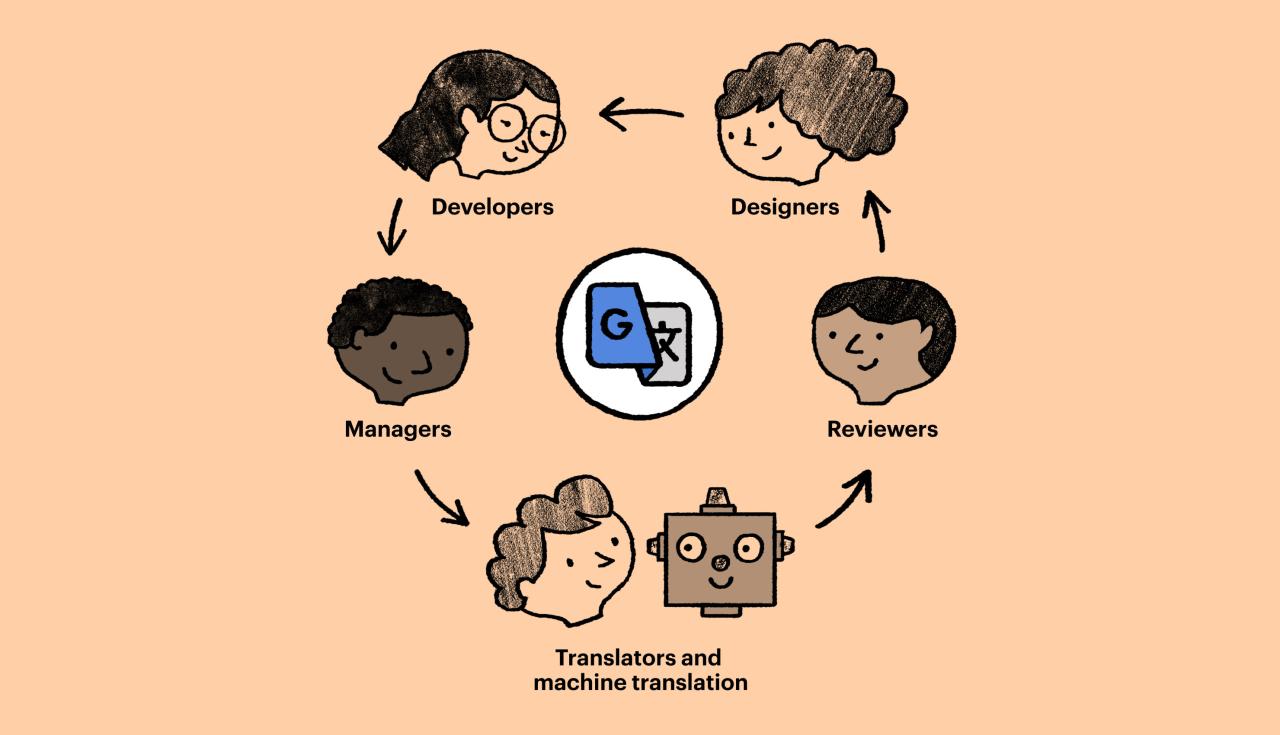
Machine learning plays a pivotal role in the ongoing refinement of AI translation models. These models learn from vast datasets of text and speech, and crucially, from the feedback provided by users. When a translation is flagged as inaccurate or unnatural, this information is fed back into the system, allowing the algorithms to adjust and improve for future translations. This iterative process is fundamental to achieving higher levels of accuracy and fluency.
The process can be visualized as a learning loop. Initially, an AI model might produce a less-than-perfect translation. Users correct it, and this corrected data becomes a valuable training set. Over time, with millions of such corrections, the AI becomes significantly better at understanding context, idiomatic expressions, and grammatical structures. This is analogous to how humans learn a new language through practice and correction.
Handling Specialized Jargon and Technical Terminology
One of the significant challenges in translation is dealing with highly specialized jargon and technical terminology, common in fields like medicine, law, or engineering. AI is making strides in this area by leveraging domain-specific training data. By exposing AI models to large corpora of technical documents and expert conversations within a particular field, they can learn to accurately translate complex terms and phrases.
For example, in a medical consultation between a doctor speaking French and a patient speaking Spanish, an AI translator trained on medical literature can accurately render terms like “myocardial infarction” or “pulmonary embolism” in both languages. Without this specialized training, generic translation tools might offer literal but incorrect or confusing translations.
The Future Vision: Seamless, Natural Cross-Lingual Communication
The ultimate vision for AI in conversation translation is to facilitate truly seamless and natural cross-lingual communication, making language barriers virtually disappear. This future envisions AI acting as an invisible, intelligent intermediary, allowing people from different linguistic backgrounds to converse as if they shared a common language.
Imagine real-time, bidirectional translation integrated into everyday communication devices, from smartphones to augmented reality glasses. These systems would not only translate words but also understand cultural context, individual speaking styles, and emotional undertones, creating an experience that is indistinguishable from speaking with someone who natively understands your language. This could revolutionize international business, tourism, education, and personal relationships, fostering greater understanding and collaboration on a global scale.
Concluding Remarks
As we have seen, mastering how to translate conversations with ai opens up a world of possibilities for seamless global interaction. By understanding the core technologies, practical applications, and user procedures, individuals and organizations can effectively leverage these powerful tools. The ongoing advancements promise even more sophisticated and natural cross-lingual communication, further solidifying AI’s indispensable role in our interconnected future.